HOME > BLOG > Finance > SEBI BRSR Mandate 2026: What Finance and Sustainability Professionals Must Know to Stay Compliant
Finance
SEBI BRSR Mandate 2026: What Finance and Sustainability Professionals Must Know to Stay Compliant
J
By Arif Siddiqui
July 28, 202611 min read
Published on July 28, 2026
SHARE THIS ARTICLE
Table Of Content
Understanding the Business Responsibility and Sustainability Report (BRSR)
Why the SEBI BRSR Mandate 2026 Matters
Key Highlights of the SEBI BRSR Mandate 2026
Who Needs to Comply with the BRSR Mandate?
Environmental, Social, and Governance (ESG)reporting has evolved from being a voluntary initiative to becoming a strategic business requirement across the globe. Investors, regulators, customers, and financial institutions now expect companies to demonstrate not only financial performance but also their commitment to sustainable and responsible business practices. In India, the Securities and Exchange Board of India (SEBI) has taken significant steps to strengthen ESG disclosures through the Business Responsibility and Sustainability Report (BRSR) framework.
As India moves towards a more transparent and sustainable corporate ecosystem, the SEBI BRSR Mandate 2026 marks another important milestone. The updated reporting expectations are designed to improve the quality, consistency, and reliability of sustainability disclosures while aligning Indian businesses with global ESG standards. For finance professionals, sustainability managers, compliance officers, company secretaries, auditors, and business leaders, understanding these requirements is no longer optional—it is essential for maintaining regulatory compliance and building investor confidence.
The 2026 mandate goes beyond simply submitting another annual report. It emphasizes measurable ESG performance, data-driven reporting, governance accountability, and increased transparency. Organizations are expected to establish stronger internal reporting systems, improve data accuracy, and integrate sustainability into financial decision-making.
This article explains everything finance and sustainability professionals need to know about the SEBI BRSR Mandate 2026, including the latest regulatory developments, reporting expectations, compliance requirements, and practical strategies to prepare organizations for successful implementation.
Understanding the Business Responsibility and Sustainability Report (BRSR)
The Business Responsibility and Sustainability Report (BRSR) is SEBI’s standardized ESG disclosure framework that enables listed companies to communicate their environmental, social, and governance performance to stakeholders. Introduced to replace the earlier Business Responsibility Report (BRR), BRSR offers a much more comprehensive and structured approach to sustainability reporting.
Unlike traditionalfinancial reporting, BRSR focuses on how businesses create long-term value while minimizing environmental impact, supporting employee welfare, promoting ethical governance, and contributing to society.
The framework is based on the National Guidelines on Responsible Business Conduct (NGRBC) issued by the Ministry of Corporate Affairs. These guidelines encourage businesses to operate responsibly across nine core principles covering ethics, transparency, employee well-being, environmental protection, human rights, responsible supply chains, customer value, and inclusive growth.
Over the past few years, ESG investing has witnessed tremendous growth worldwide. Institutional investors increasingly evaluate companies not only on profitability but also on sustainability performance. Consequently, SEBI’s BRSR framework serves as an important bridge between Indian companies and global investment expectations.
The regulatory environment surrounding sustainability reporting has changed significantly over the past few years. Earlier, ESG disclosures were viewed primarily as corporate social responsibility initiatives. Today, they are considered strategic business disclosures that influence investment decisions, credit ratings, and corporate reputation.
The SEBI BRSR Mandate 2026 aims to make sustainability reporting more reliable, comparable, and decision-useful. It encourages companies to move beyond qualitative statements and provide measurable indicators supported by verifiable data.
The updated mandate is expected to strengthen India’s ESG ecosystem in several ways.
First, it increases transparency by requiring standardized disclosures across companies and industries. Investors can compare ESG performance more effectively, enabling informed investment decisions.
Second, it improves accountability by encouraging organizations to establish internal governance mechanisms for sustainability reporting. Rather than treating ESG as a standalone function, companies are expected to integrate sustainability into enterprise-wide decision-making.
Third, it enhances risk management. Climate risks, supply chain disruptions, resource scarcity, cyber governance, workplace diversity, and regulatory compliance are increasingly recognized as financial risks. Better ESG reporting enables businesses to identify and manage these challenges proactively.
Finally, the mandate supports India’s long-term sustainability goals while improving the country’s attractiveness to global investors seeking transparent ESG disclosures.
Key Highlights of the SEBI BRSR Mandate 2026
Although BRSR reporting has already become mandatory for India’s top listed entities, the 2026 mandate focuses on strengthening disclosure quality, improving assurance mechanisms, and increasing data transparency.
One of the most significant developments is the growing emphasis on BRSR Core, which identifies a set of critical ESG indicators requiring greater scrutiny and assurance. These indicators cover environmental performance, employee well-being, governance practices, and responsible supply chains.
Companies are expected to maintain stronger documentation supporting every disclosed metric. Instead of broad sustainability claims, organizations need evidence-backed reporting supported by measurable data.
The mandate also encourages greater disclosure regarding greenhouse gas emissions, water management, waste reduction, energy efficiency, diversity metrics, occupational health and safety, employee welfare, and ethical governance practices.
Supply chainsustainability has emerged as another major area of focus. Organizations are increasingly expected to monitor ESG performance not only within their own operations but also across key suppliers and business partners.
Digital reporting capabilities are also becoming increasingly important. Companies must establish reliable ESG data collection systems capable of producing consistent, auditable information throughout the reporting cycle.
Who Needs to Comply with the BRSR Mandate?
The BRSR framework primarily applies to listed companies regulated by SEBI. Initially introduced for the top listed entities based on market capitalization, the reporting framework continues to gain wider adoption across the Indian corporate landscape.
However, compliance is no longer relevant only for companies that fall directly under SEBI’s reporting requirements.
Large suppliers working with listed organizations are increasingly being asked to provide ESG-related information to support value chain disclosures. This means that many unlisted companies may also need to establish sustainability reporting processes to remain preferred business partners.
Finance professionals, sustainability consultants, ESG analysts, internal auditors, company secretaries, risk managers, and compliance officers all play a vital role in ensuring accurate BRSR reporting.
Even private organizations planning futureIPOs should begin preparing early, as establishing ESG reporting systems requires significant time, coordination, and organizational commitment.
The Expanding Role of Finance Professionals
Traditionally, finance teams focused primarily on budgeting, accounting, taxation, financial reporting, and statutory compliance. Under the BRSR framework, their responsibilities are expanding considerably.
Finance professionals now play a central role in ensuring that sustainability disclosures are accurate, consistent, and supported by reliable data. Since investors increasingly evaluate ESG information alongsidefinancial statements, finance teams must ensure both sets of disclosures present a coherent picture of organizational performance.
Financial controllers are also responsible for validating ESG metrics, establishing internal controls, supporting assurance processes, and integrating sustainability risks into enterprise risk management.
Budget allocation for sustainability initiatives has become another important responsibility. Organizations are investing in renewable energy, carbon reduction initiatives, employee wellness programs, waste management systems, and ESG technology platforms. Finance teams help evaluate these investments while measuring their financial and sustainability outcomes.
Cross-functional collaboration has become essential. Finance departments must work closely with HR, procurement, operations,legal, compliance, environmental teams, and sustainability officers to collect reliable ESG information.
Rather than functioning as separate departments, finance and sustainability teams increasingly operate together to produce integrated corporate reporting.
Why Sustainability Professionals Are Becoming Strategic Leaders
The BRSR Mandate has significantly elevated the role of sustainability professionals within organizations. Earlier viewed primarily as CSR or environmental specialists, today’s ESG professionals are becoming strategic advisors influencing board-level decision-making.
They are responsible for developing ESG strategies, identifying material sustainability issues, coordinating cross-functional reporting, monitoring regulatory developments, and ensuring compliance with evolving disclosure requirements.
Sustainability leaders also educate internal stakeholders about ESG risks and opportunities while helping organizations establish measurable sustainability goals aligned with business objectives.
As reporting expectations become increasingly sophisticated, sustainability professionals must develop expertise in data analytics, climate risk assessment, ESG frameworks, carbon accounting, stakeholder engagement, and regulatory compliance.
Their ability to translate sustainability initiatives into measurable business outcomes will be critical for organizational success under the SEBI BRSR framework.
Common Challenges in BRSR Compliance
While the SEBI BRSR framework provides a structured approach to ESG reporting, implementing it is often more challenging than many organizations anticipate. Unlike financial reporting, where systems and processes are already well established, sustainability reporting requires data from multiple departments, including human resources, operations, procurement, legal, environmental management, and corporate governance. Bringing together this information in a consistent and verifiable manner can be a significant undertaking.
Many companies also struggle with maintaining the accuracy and consistency of ESG data across different business units. Since sustainability metrics are collected from various operational teams, discrepancies in methodology, reporting frequency, and documentation can create compliance risks. As the 2026 mandate places greater emphasis on assurance and verifiable disclosures, organizations must strengthen their internal controls to ensure data reliability.
Another challenge is keeping pace with evolving regulations. ESG reporting standards continue to evolve globally, and Indian companies increasingly need to align with international frameworks while complying with SEBI’s specific requirements. This demands continuous learning, regular policy updates, and close collaboration between finance, compliance, and sustainability teams.
Some of the most common compliance challenges include:
Collecting standardized ESG data from multiple departments.
Limited awareness of evolving BRSR reporting requirements.
Lack of integrated ESG reporting systems.
Difficulty in monitoring supply chain sustainability data.
Preparing reliable documentation for assurance and audits.
Balancing financial reporting timelines with ESG disclosures.
Organizations that address these challenges proactively are more likely to achieve accurate reporting while minimizing compliance risks.
Preparing for BRSR compliance should not be viewed as an annual reporting exercise. Instead, organizations should adopt a continuous ESG management approach that integrates sustainability into everyday business operations.
The first step involves understanding which disclosures are applicable to the organization based on SEBI’s reporting framework. Companies should conduct a detailed gap assessment to identify areas where existing reporting processes need improvement.
Once reporting requirements are mapped, organizations should establish cross-functional ESG governance structures. Since sustainability data originates from different departments, assigning clear ownership for each disclosure helps improve accountability and reporting accuracy.
The compliance journey typically includes the following stages:
Stage
Purpose
ESG Gap Assessment
Identify missing disclosures and reporting gaps
Data Collection
Gather ESG metrics from all business functions
Internal Validation
Verify data accuracy before reporting
Management Review
Obtain leadership approval
Assurance Process
Validate critical BRSR Core disclosures
Final Submission
Publish BRSR along with annual reporting
Companies should also establish regular reporting cycles instead of collecting information only at the end of the financial year. Continuous monitoring significantly improves data quality while reducing last-minute compliance challenges.
Understanding BRSR Core
One of the most important aspects of the SEBI BRSR Mandate 2026 is the increasing focus on BRSR Core. It represents a set of essential ESG indicators that provide investors with standardized, comparable, and reliable sustainability information.
Unlike broader qualitative disclosures, BRSR Core focuses on measurable performance indicators that can be independently verified. These metrics enable stakeholders to evaluate how effectively organizations manage sustainability-related risks and opportunities.
The framework covers several critical areas, including:
Greenhouse gas emissions.
Energy consumption.
Water usage.
Waste management.
Workforce diversity.
Employee health and safety.
Social impact indicators.
Governance and ethical practices.
As assurance requirements become more rigorous, companies will need stronger documentation, robust internal controls, and consistent methodologies for measuring these indicators.
Technology is Transforming ESG Reporting
Technology has become one of the biggest enablers of effective BRSR compliance. Manual spreadsheets and fragmented reporting processes are increasingly being replaced by integrated ESG management platforms capable of collecting, validating, and analyzing sustainability data in real time.
Artificial Intelligence (AI), automation, cloud-based reporting systems, and advanced analytics are helping organizations streamline compliance while reducing reporting errors. These technologies also improve traceability, making it easier for auditors and assurance providers to verify reported information.
Modern ESG reporting platforms can support organizations by:
Automating ESG data collection.
Monitoring sustainability KPIs continuously.
Generating compliance-ready reports.
Tracking carbon emissions and energy usage.
Identifying reporting inconsistencies.
Supporting assurance and audit documentation.
As ESG reporting requirements become more sophisticated, digital transformationwill become an essential investment rather than a competitive advantage.
Best Practices for Finance and Sustainability Teams
Successful BRSR implementation depends on collaboration rather than isolated reporting efforts. Finance and sustainability professionals must work together throughout the reporting cycle to ensure consistency between financial and non-financial disclosures.
Organizations that perform well in ESG reporting usually establish governance frameworks supported by senior leadership. They invest in employee training, create standardized reporting methodologies, and regularly review ESG performance instead of waiting until year-end.
Some recommended best practices include:
Develop an organization-wide ESG reporting framework.
Assign ownership for every disclosure requirement.
Conduct periodic internal ESG audits.
Invest in ESG reporting software.
Train employees on sustainability reporting standards.
Maintain detailed supporting documentation.
Monitor regulatory updates issued by SEBI.
Align sustainability goals with business strategy.
Embedding these practices into daily operations helps organizations move beyond compliance and build long-term business resilience.
Why BRSR Compliance Creates Business Value
Many organizations initially view BRSR as another regulatory obligation. However, companies that embrace sustainability reporting often experience significant strategic benefits.
Transparent ESG disclosures improve investor confidence by demonstrating responsible governance and long-term risk management. Companies with strong sustainability practices may also find it easier to attract institutional investors, secure financing, strengthen customer trust, and build stronger employer brands.
Effective ESG reporting can also improve operational efficiency. Measuring resource consumption encourages organizations to optimize energy use, reduce waste, improve water efficiency, and strengthen supply chain management. Over time, these improvements can contribute to both sustainability goals and financial performance.
Furthermore, organizations that establish mature ESG reporting systems today will be better positioned to adapt to future regulatory developments and evolving stakeholder expectations.
The Future of ESG Reporting in India
India’s ESG landscape is expected to become increasingly sophisticated over the coming years. Regulatory authorities are likely to strengthen disclosure requirements, increase assurance expectations, and encourage greater alignment with international sustainability reporting standards.
Future reporting may include enhanced climate risk disclosures, biodiversity reporting, value chain sustainability metrics, scenario analysis, and greater integration between financial and sustainability reporting.
Finance professionals will need to develop ESG literacy alongside traditional accounting expertise, while sustainability professionals will increasingly require analytical, technological, and financial skills. The distinction between financial reporting and sustainability reporting will continue to narrow as investors evaluate organizations through a broader value creation lens.
The SEBI BRSR Mandate 2026 represents an important step in this journey, encouraging businesses to integrate sustainability into strategic planning rather than treating it as a separate compliance exercise.
Conclusion
The SEBI BRSR Mandate 2026 reflects India’s commitment to improving transparency, corporate governance, and sustainable business practices. As ESG reporting becomes an integral part of corporate accountability, organizations must move beyond viewing BRSR as merely a regulatory requirement.
For finance professionals, the mandate expands their responsibilities beyond traditional financial reporting into ESG data governance, assurance, and integrated reporting. Sustainability professionals, meanwhile, are becoming strategic partners responsible for shaping long-term business resilience and stakeholder trust.
Companies that invest early in robust reporting systems, cross-functional collaboration, digital technologies, and employee capability building will not only ensure compliance but also strengthen their competitive position in an increasingly sustainability-focused business environment. Ultimately, effective BRSR compliance is about creating long-term value for investors, employees, customers, and society while supporting India’s vision of responsible and sustainable economic growth.
Frequently Asked Questions
The SEBI BRSR Mandate 2026 strengthens ESG reporting requirements for listed companies by improving disclosure quality, transparency, assurance, and accountability under the Business Responsibility and Sustainability Report framework.
The framework primarily applies to specified listed companies regulated by SEBI. However, many suppliers and unlisted businesses may also need to provide ESG data as part of value chain reporting.
BRSR Core is a set of key ESG indicators identified by SEBI that require standardized reporting and greater assurance to improve the reliability and comparability of sustainability disclosures.
Finance professionals play a crucial role in ESG data validation, internal controls, integrated reporting, assurance readiness, and ensuring consistency between financial and sustainability disclosures.
Organizations should establish strong ESG governance, implement reliable data collection systems, invest in reporting technology, conduct regular internal reviews, and encourage collaboration between finance, sustainability, compliance, and operational teams.
Arif Siddiqui
Head of Accounting and Treasury
Arif Siddiqui is a finance leader specializing in accounting, treasury, and financial strategy. As Head of Finance at Generali Employee Benefits, he brings extensive experience in managing global financial operations. He is known for driving financial efficiency and governance across organizations. His leadership supports sustainable business growth and financial excellence.
Get Free Upskilling Guidance
Fill in the details for a free consultation
Related Courses
Explore our programs
Online MBA in ESG (Environmental, Social & Governance) (In Collaboration with Grant Thornton)

 July 28, 2026
 11 min read





 ChatGPT
 Perplexity
 Claude
 Grok
Grok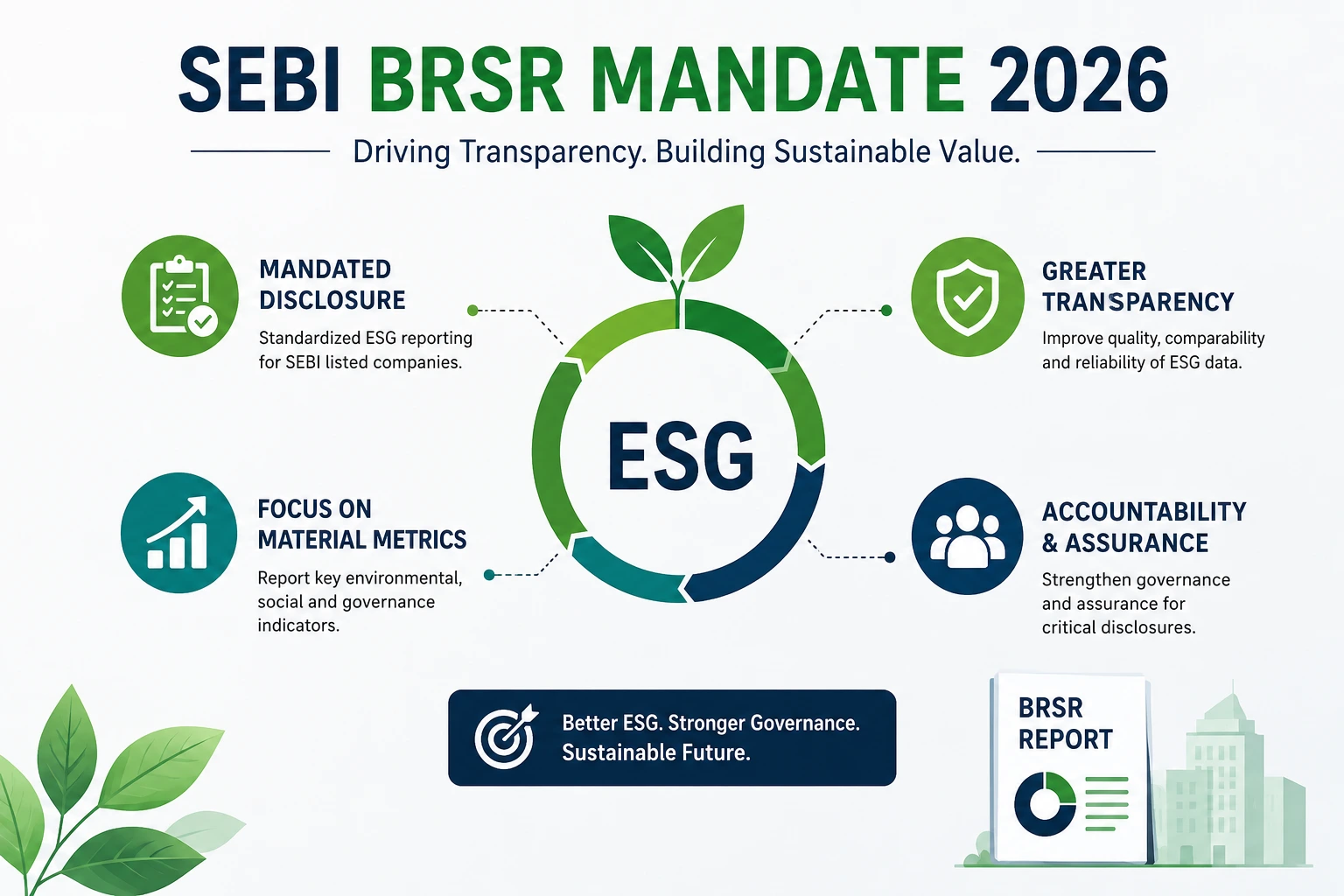












 ROI Calculator