Understanding the Concept of Financial Risk Management
Why Businesses Need To Practice Financial Risk Management
Types of Financial Risk You Should Understand
Financial Risk Management Techniques
Business environments are unpredictable and financial risks are constant for all businesses. There is always the potential for volatility, rising interest rates, regulatory changes, inefficient operations, and sudden drops in cash flow. All these can create significant financial uncertainty for companies, whether a startup or established brand. The difference between those who succeed and those who fail is how well they can understand, prevent, and implement financial risk mitigation strategies.
Financial risk management is now considered a strategic advantage rather than just a safety net. Companies that actively identify, measure and mitigate their financial risks have greater potential to safeguard their assets, make wiser decisions, and continue to grow sustainably with confidence.
In this guide, we will explore what financial risk management is, why it matters, what types of risks exist for businesses, and goals of financial management.
Understanding the Concept of Financial Risk Management
*acte.in
Financial Risk Management (FRM) is the identification and analysis of financial risk in order to avoid or mitigate its effects on a business’s financial performance. As such, FRM includes all risks associated with a business’ financial management including: Market Risk, Interest Rate Risk, Basis Risk, Currency Risk, Counterparty Risk, and Operational Risk. Each of these different types of risks can arise from both internal and external sources, including management decision-making (internal), and changes in the economy (external).
The primary goals of financial management is to provide business managers with the information necessary to make informed business decisions based on risk. Therefore, the FRM process will answer several key questions for the business:
What are the financial risks associated with doing business?
How likely are those risks to occur?
If the financial risk were to occur, how would it affect the business’ financial performance?
If the financial risk occurs, what can the business do to reduce the impact of that risk or prepare for that impact?
Financial Risk Management is an important aspect of any successful business because every business decision comes with a certain degree of risk. The intent of Financial Risk Management is not to eliminate the risk entirely, but rather, to enable business leaders to assess which risks they are willing (or able) to take on and which they should avoid or mitigate.
Why Businesses Need To Practice Financial Risk Management
The goals of financial management is more than protecting a company’s balance sheet. It helps to build intelligent decision-making, fosters resilience, and allows you to become an entity that develops a sustainable long-term future.
Small and medium business owners may be negatively impacted by small changes in finances. Such changes could include delays in receiving customer payments, unexpected charges, or increased borrowing costs.
By implementing financial risk management practices, you are able to manage your company’s cash flow in a proactive manner, instead of a reactive mode.
Companies with strong financial risk management practices can:
prevent the loss of resources that they could have otherwise avoided.
Improve their overall business performance.
Maintain stable cash flow. Build trust with investors and lenders.
Remain competitive in times of uncertainty in the marketplace.
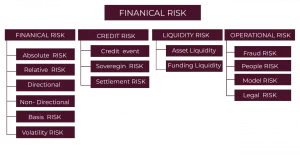
Types of Financial Risk You Should Understand
*herovired.com
Financial risk does not come from one source alone. It exists in multiple forms, each influenced by different internal and external factors. Understanding these risk types helps individuals and businesses prepare better, make informed decisions, and protect long-term financial stability.
1. Market Risk
Market risk is the most prevalent type of financial risk. It is a result of changes in a company’s’ market, such as changes in economic conditions affecting the company’s products, property and/or operations. Market risk can be driven by the following macro-economic factors:
Changes to the macroeconomic environment
A gap between supply and demand
Changes to the price of assets, liabilities, currencies or derivatives
Changes to the interest rate
Geopolitical instability or the occurrence of a natural disaster
Headlines and/or major news events
Changes in confidence and/or investor sentiment
2. Credit Risk
Credit risk arises whenever money is borrowed or lent. It refers to the possibility that a borrower may fail to meet repayment obligations, creating potential losses for lenders, investors, or stakeholders.
Credit risk can take several forms, including:
Default risk – the risk that a borrower fails to repay a loan
Counterparty risk – the risk that one party in a financial agreement does not fulfil contractual obligations
Retail risk – risk linked to consumer loans such as credit cards, personal loans, or mortgages
Wholesale risk – risk associated with business loans used for operations or mergers
Collateral risk – fluctuation in the value of assets pledged against a loan
Industry risk – restricted credit access due to industry-specific downturns
Sovereign risk – instability caused by government policies or foreign exchange restrictions
3. Liquidity Risk
Liquidity risk refers to a situation in which a person or a company is unable to access an adequate amount of cash when needed. Even people and companies who are financially successful with cash flow challenges because they do not have immediate cash to pay for their daily living expenses or debt service or to address urgent situations.
An example of liquidity risk is a savings account that allows for easy access to cash versus a real estate or other business investment where many years may pass before you can sell that piece of real estate, or that other business investment, to generate cash, resulting in liquidity risk.
4. Operational Risk
Operational risk is created by an organization failing to meet financial or operational goals because of an internal process, system, personnel, or business model failure due to bad decisions made by management, inadequate or nonexistent internal controlled, out-of-date systems or technology, or human error leading to loss of revenue, and other forms of damage to the company’s public reputation.
Common causes of operational risk are due to inadequate training of employees; poor oversight; fraud; failure of systems to operate as intended or planned; inefficient, faulty, or outdated workflows.
By investing in skilled business leaders, modern technology, regular audits, and strong internal control systems, a company can reduce the risk of suffering from operational risks.
5. Legal Risk
Legal risk involves potential financial loss due to lawsuits, regulatory penalties, or failure to comply with legal obligations. This risk may arise from negligence, contractual breaches, or non-compliance with laws and industry regulations.
Beyond financial penalties, legal issues can damage reputation and reduce future earning potential. To minimise legal risk, many businesses and high-net-worth individuals rely on proactive legal guidance, compliance monitoring, and risk-aware decision-making.
Financial Risk Management Techniques
Financial risk is not only a concern for the largest corporations or experienced investors. The different methods available to manage risk can be employed by all types of companies, regardless of size, to make better decisions, safeguard their assets, and facilitate long-term growth. A few examples of commonly used financial risk management techniques, and how they assist businesses in being resilient are explained below:
Diversification
If an organization is overly reliant on a particular product, vendor, or customer group, they increase the likelihood of poor performance in the event that economic conditions shift. By diversifying their product offerings, entering new geographical locations, or expanding into additional user segments, a company decreases its strength on a single stream of revenue.
Diversification functions as an insurance policy; regardless of any unexpected events that could have negatively impacted the organization, diversification offers protection to maintain the organization’s stability through various economic fluctuations.
Hedging
Businesses use hedging to protect their finances from sudden and unexpected market fluctuations. Fluctuations may be caused by many things including currency exchange rates, interest rates, and commodity prices. Very often, these changes directly impact a business’s costs and profitability.
Tools used for hedging include future contracts, options, and swaps. However, other methods may be used to hedge financial exposure.
An example of hedging is selecting a fixed-rate loan over a variable-rate loan. Hedging provides businesses with predictability, enabling effective budgeting and planning. It should be noted that hedging will decrease the amount of potential profit that a business could gain from an upward market movement.
Quantitative Measures
Quantitative analysis is important when it comes to managing financial risks. Businesses can use data-driven measurements and tools to help them identify and assess the level of risk in their business. Data that business utilizes to measure their risk exposure typically includes the following:
Key Performance Indicator (KPI),
financial ratios,
statistical models across all KPIs,
and how KPIs correlate to each other.
Corporate Governance
Strong corporate governance forms the foundation of effective risk management. It involves setting clear policies, ethical standards, and operational guidelines that shape how financial decisions are made.
Good governance includes internal controls to prevent fraud, compliance with legal and regulatory requirements, and clearly defined roles and responsibilities.
Separating financial duties helps reduce errors and misuse of funds, while regular audits ensure transparency. Beyond finances, governance also extends to company culture through employee training, ethical leadership, and stakeholder engagement.
Free Courses
Finance for All – Free Finance Certification Course
The main goals of financial management revolve around ensuring financial health while supporting long-term growth.
Ensuring Optimal Use of Funds
Businesses are often not able to use all their resources efficiently. Therefore, the goal of financial management is to use them in a way that maximises efficiency and does not waste them on wasteful spending. When funds are allocated to productive business operations, business profitability increases, thereby enhancing the overall performance of a business.
Profit Maximisation With Low-Risk Exposure
Profit generation is one of the most important goals of financial management, however the financial management is also focused on profit generation without creating a high level of risk for the organisation. This creates a fine line between generating profits and exposing an organisation to extreme monetary risk; it allows an organisation to grow naturally rather than pursue quick, easy money that could place the organisation into financial distress.
Maintaining Sufficient Cash Flow and Liquidity Status</h3>
The management of liquidity is another goal of financial management and it is essential to ensure that a company has sufficient cash to operate on a daily basis. The ability to maintain liquidity allows a company to continue to meet operating expenses including, but not limited to, wages paid to employees, rent payment, and payments to suppliers without interruption, ensuring the company continues to operate effectively and efficiently.
Creating Long-Term Value
Beyond short-term profits, goals of financial management is to enhance the long-term value of the business. This includes building reserves, managing debt wisely, and reinvesting profits into opportunities that support sustainable growth and stakeholder wealth.
Importance of Financial Management
The primary goal of financial management is to help a business toward stability, growth, and resilience. It provides a structured approach to handling finances and supports informed decision-making.
Allows Businesses to Make Informed Financial Decisions
With appropriate financial management, a business can clearly understand its revenues, expenses and future obligations. This understanding allows the management of the business to make informed decisions regarding investment, expansion and control over costs.
Supports Financial Stability and Control
The goals of financial management is to allow for continuous monitoring of cash flow, profitability and billing. Continuous monitoring safeguards against financial failure, enabling businesses to maintain financial stability during periods of economic uncertainty.
Builds Stakeholder Confidence
When businesses use financial management to plan and control their finances, investors, banks and partners will feel a higher degree of confidence in these companies, and will be more inclined to provide these businesses with financial and strategic assistance.
For individuals who want to build strong expertise in this field, structured learning plays a crucial role. This is where professional finance courses can make a real difference. Jaro Education offer access to industry-relevant finance programmes designed to bridge the gap between theoretical knowledge and practical application. Whether you are a working professional, a recent graduate, or someone looking to transition into finance roles, our courses help you develop a deeper understanding of financial management concepts.
When you enrol through Jaro Education, you receive more than just course access. We support learners with personalised counselling, academic assistance, career guidance, and placement support, ensuring that your learning journey is smooth and goal-oriented. With expert faculty, flexible learning options, and strong industry connections, we support you to gain skills that are relevant, recognised, and career-enhancing.
In a world where financial decisions shape both business success and personal growth, investing in the right education can be the first step towards building a confident and future-ready finance career.
Final Thoughts
Financial management is the backbone of every successful organisation, regardless of its size or industry. From planning and controlling resources to managing risks and ensuring long-term stability, strong financial management practices help businesses stay resilient in an ever-changing economic environment. When finances are handled strategically, decision-making becomes clearer, growth becomes sustainable, and risks are easier to manage.
Frequently Asked Questions
The main goal of financial management is to use financial resources efficiently to maximise value while maintaining stability, liquidity, and controlled risk.
Financial management helps businesses plan their finances, control costs, manage risks, and make informed decisions that support long-term growth and sustainability.
Finance courses are suitable for students, working professionals, entrepreneurs, and anyone looking to improve their understanding of financial planning, analysis, and risk management.
Jaro Education
Jaro Education is a leading EdTech and India’s most trusted online higher education and upskilling company, offering online and executive education programs in partnership with IITs, IIMs, Ivy League institutions, and NIRF-ranked universities. Through JaroEducation, expert-led, research-backed content on higher education, career growth, and skill development empowers professionals and learners to make informed career decisions.
Get Free Upskilling Guidance
Fill in the details for a free consultation
Related Courses
Explore our programs
Admission Closed
Executive Programme in Healthcare for Industry 5.0

 March 9, 2026
 10 min read





 ChatGPT
 Perplexity
 Claude
 Grok
Grok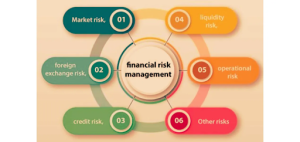






 Admission Closed
 Admission Closed
 Admission Closed

 ROI Calculator