
Human Resources Manager: Responsibilities, Skills, and Salary
 June 6, 2026
 6 min read




Table Of Content
- Why HR Management Is Becoming More Important
- Top Roles and Responsibilities of HR Manager
- Recruitment and Talent Acquisition Responsibilities
- Employee Engagement and Workplace Culture
The modern workplace is changing rapidly with hybrid work models, AI-driven recruitment tools, employee well-being initiatives, and growing demand for leadership skills. As a result, organizations across industries are actively seeking skilled HR professionals who can balance operational efficiency with employee-centric strategies.
This demand has also influenced the HR manager salary in India across sectors such as IT, healthcare, manufacturing, BFSI, consulting, and e-commerce. According to industry salary trends, the average HR manager salary in India typically ranges between ₹5 LPA and ₹18 LPA depending on experience, specialization, organization size, and location. Senior HR leaders and HR business partners can earn significantly higher packages in multinational companies and large enterprises.
For professionals planning a career transition, aiming for leadership roles, or exploring management-focused career paths, understanding the roles and responsibilities of HR manager positions can help create long-term career opportunities. With businesses increasingly focusing on workforce development and employee experience, HR management continues to remain one of the most stable and evolving professional domains.
This blog explores the key functions of an HR manager, essential skills, career opportunities, salary insights, and how the right HR management course can support career growth in the evolving business environment.
 ChatGPT
 Perplexity
 Claude
 Grok
GrokWhy HR Management Is Becoming More Important
aptien.com*
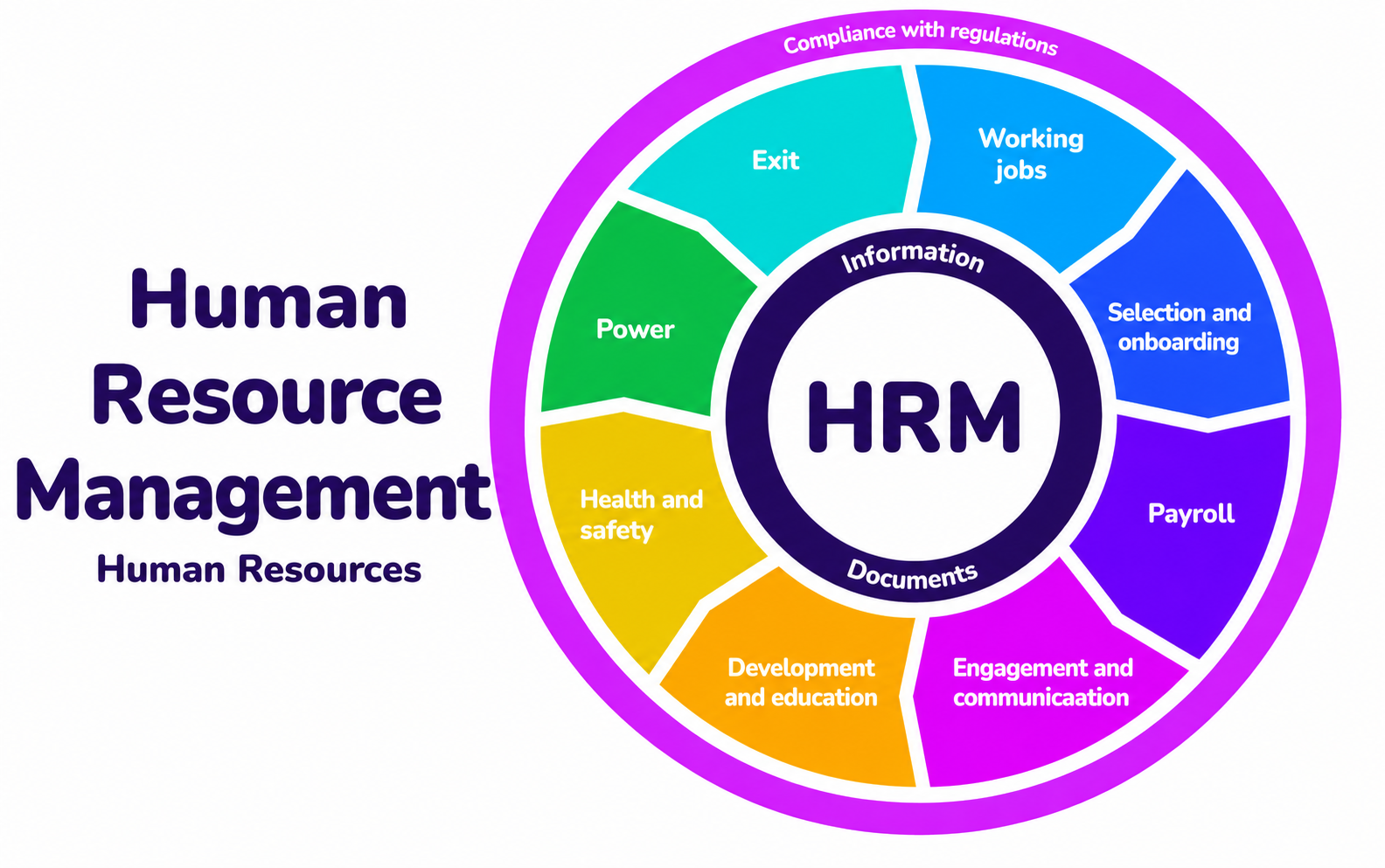
Organizations today recognize that employees are among their most valuable assets. This shift has expanded the strategic importance of the HR manager role beyond recruitment and administration.
Key Reasons Why HR Roles Are Growing
- Businesses are prioritizing employee engagement and retention
- Hybrid work environments require stronger people management
- Organizations need structured performance management systems
- Workplace diversity and inclusion initiatives are increasing
- HR analytics and digital HR technologies are becoming mainstream
- Companies are investing more in leadership development
The growing complexity of workforce management has significantly expanded the functions of HR manager roles across industries.
Top Roles and Responsibilities of HR Manager
edureka.co*
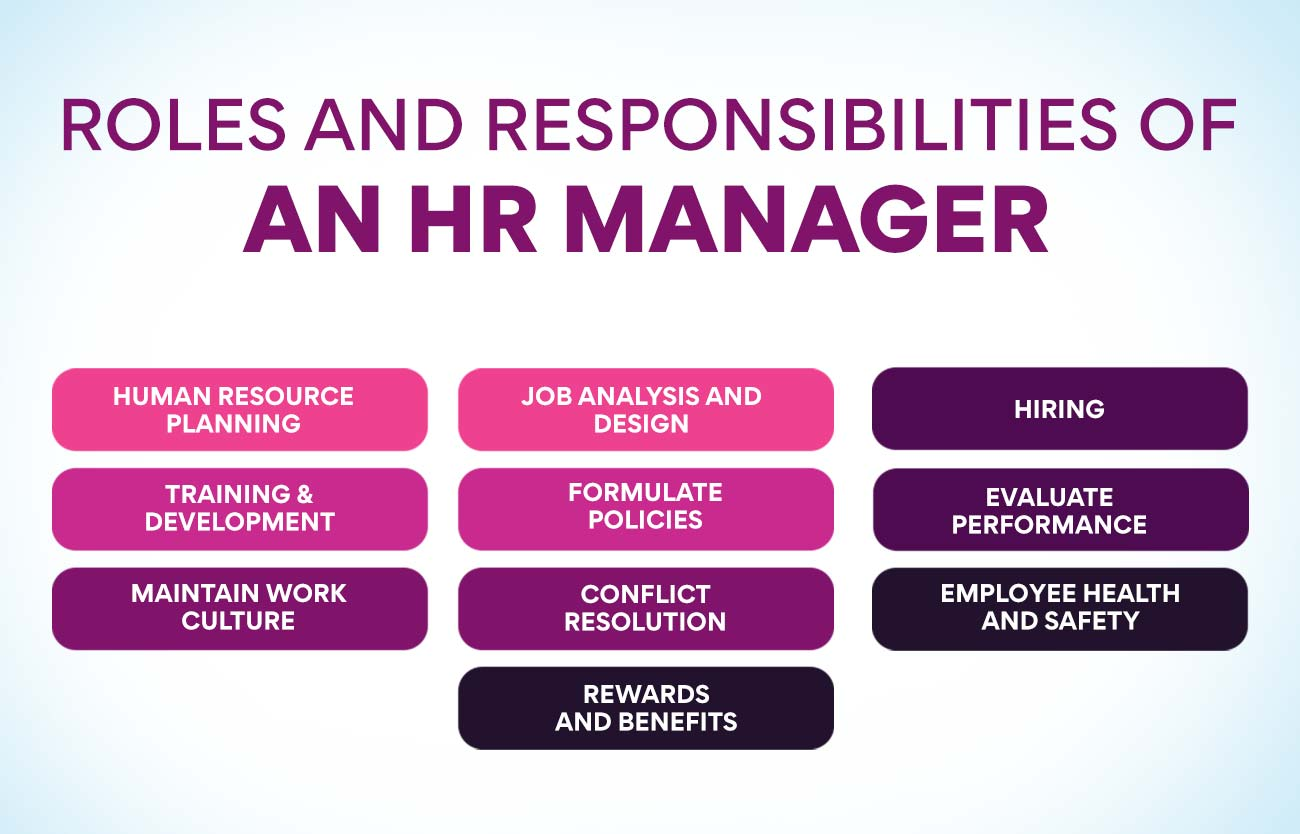
The roles and responsibilities of an HR manager extend across recruitment, employee relations, compliance, training, compensation, and organizational development.
Core Functions of HR Manager
| HR Function | Key Responsibility |
| Recruitment & Hiring | Talent acquisition and onboarding |
| Employee Relations | Managing workplace engagement |
| Training & Development | Upskilling and employee growth |
| Compensation & Benefits | Payroll and reward structures |
| Compliance Management | Labor law adherence |
| Performance Management | Employee appraisal systems |
| HR Analytics | Workforce data analysis |
| Organizational Development | Improving workplace culture |
A successful HR manager often acts as a bridge between leadership teams and employees while ensuring organizational goals align with workforce strategies.
Recruitment and Talent Acquisition Responsibilities
One of the most important functions of HR manager roles involves identifying and hiring the right talent.
Key Recruitment Responsibilities
- Creating job descriptions
- Managing hiring processes
- Conducting interviews
- Coordinating onboarding activities
- Working with recruitment platforms
- Building employer branding strategies
Recruitment Skills Required
| Skill | Importance |
| Communication | Supports candidate interaction |
| Decision-making | Helps select suitable talent |
| Negotiation | Important during salary discussions |
| Networking | Improves hiring opportunities |
| HR technology knowledge | Enhances recruitment efficiency |
Modern recruitment increasingly involves AI-powered applicant tracking systems and data-driven hiring decisions.
Employee Engagement and Workplace Culture
Another major aspect of the roles and responsibilities of an HR manager involves maintaining positive workplace culture and employee satisfaction.
Why Employee Engagement Matters
Organizations with strong engagement strategies often experience:
- Higher employee retention
- Better productivity
- Improved collaboration
- Reduced absenteeism
- Stronger employer branding
Employee Engagement Initiatives
| Initiative | Objective |
| Wellness programs | Support employee well-being |
| Recognition systems | Improve motivation |
| Learning opportunities | Encourage career growth |
| Flexible work policies | Improve work-life balance |
| Feedback mechanisms | Build transparent communication |
The modern HR manager plays an important role in creating inclusive and growth-oriented workplace environments.
HR Technology and Digital Transformation
Technology is rapidly changing HR operations and workforce management strategies.
Digital HR Trends
- HR analytics dashboards
- AI-driven hiring tools
- Employee self-service portals
- Cloud-based HR systems
- Learning management platforms
- Remote workforce management solutions
Professionals pursuing an HR management course are increasingly learning digital HR technologies alongside traditional HR practices.
Benefits of HR Technology
| Technology Area | Business Impact |
| HR automation | Reduces repetitive tasks |
| Analytics tools | Improves workforce planning |
| AI recruitment | Enhances hiring efficiency |
| Employee portals | Improves employee experience |
| LMS platforms | Supports continuous learning |
Understanding HR technology has become a valuable skill for aspiring HR leaders.
Important Skills Required to Become an HR Manager
Professionals aiming to become an effective HR manager need a balanced mix of leadership, communication, analytical, and organizational skills.
Skills Professionals Should Develop
| Skill Area | Why It Matters |
| Communication | Supports employee interactions |
| Leadership | Helps manage teams effectively |
| Conflict resolution | Improves workplace harmony |
| Data analysis | Supports HR decision-making |
| Emotional intelligence | Enhances people management |
| Strategic thinking | Aligns HR with business goals |
| HR technology proficiency | Improves operational efficiency |
| Compliance knowledge | Ensures legal adherence |
Continuous upskilling is becoming essential as the functions of the HR manager continue to evolve in modern organizations.
HR Manager Salary in India
The HR manager salary in India varies depending on industry, experience, location, educational qualifications, and company size.
Average HR Manager Salary in India
| Experience Level | Average Salary Range |
| Entry-Level HR Executive | ₹2.5 LPA – ₹5 LPA |
| HR Manager | ₹5 LPA – ₹12 LPA |
| Senior HR Manager | ₹10 LPA – ₹18 LPA |
| HR Business Partner | ₹12 LPA – ₹25 LPA |
| HR Director | ₹20 LPA and above |
Salary ranges are based on publicly available salary reports from recruitment platforms and industry studies.
Industry-Wise HR Salary Trends
| Industry | Average HR Salary Range |
| IT & Software | ₹6 LPA – ₹18 LPA |
| BFSI | ₹7 LPA – ₹20 LPA |
| Healthcare | ₹5 LPA – ₹12 LPA |
| Manufacturing | ₹5 LPA – ₹15 LPA |
| E-commerce | ₹6 LPA – ₹16 LPA |
| Consulting | ₹8 LPA – ₹22 LPA |
The rising demand for skilled HR leaders continues to influence the overall HR manager salary landscape in India.
Career Opportunities in HR Management
The HR domain offers diverse career growth opportunities across industries and organizational functions.
Popular HR Career Paths
| Role | Key Focus Area |
| HR Generalist | End-to-end HR operations |
| Talent Acquisition Specialist | Recruitment and hiring |
| Learning & Development Manager | Employee training |
| Compensation & Benefits Specialist | Payroll and rewards |
| HR Business Partner | Strategic workforce management |
| Employee Relations Manager | Workplace engagement |
| HR Analytics Specialist | Workforce data analysis |
Professionals completing an industry-relevant HR management course often gain exposure to these specialized career pathways.
Challenges HR Managers Commonly Face
While HR management offers strong career opportunities, professionals also face evolving workplace challenges.
Common HR Challenges
| Challenge | Possible Solution |
| Talent retention | Build engagement strategies |
| Hybrid workforce management | Use digital collaboration tools |
| Skill gaps | Promote continuous learning |
| Workplace conflicts | Strengthen communication |
| Compliance updates | Stay updated with labor laws |
| Employee burnout | Encourage wellness initiatives |
The evolving nature of work continues to expand the roles and responsibilities of HR manager positions across organizations.
How Upskilling Helps HR Professionals Stay Competitive
As organizations embrace digital transformation, continuous learning is becoming essential for HR professionals.
Why Professionals Are Choosing HR Management Programs
- To strengthen leadership capabilities
- To understand strategic HR practices
- To learn HR analytics and digital HR tools
- To improve business communication skills
- To prepare for senior management roles
Professionals pursuing an advanced HR management course can gain industry-relevant exposure to evolving workforce strategies and leadership practices.
How Jaro Education Supports Professionals
Professionals looking to strengthen their expertise in operations management, leadership, and business strategy can explore industry-oriented executive education programs through Jaro Education.
As an online higher education and upskilling platform, Jaro Education collaborates with reputed institutions to help professionals access flexible and career-oriented learning opportunities aligned with industry demands.
Executive Programme in Operations Management and Analytics – IIT Delhi
Offered by the Continuing Education Programme (CEP), IIT Delhi, this executive programme is designed for professionals seeking to enhance their capabilities in operations management, business analytics, process optimization, and data-driven decision-making. The programme combines academic rigor with practical business applications, helping learners develop skills relevant to the modern workforce and operational challenges
Programme Insights
| Category | Details |
| Programme Name | Executive Programme in Operations Management and Analytics |
| Institution | IIT Delhi (CEP) |
| Duration | 9 Months |
| Learning Format | Synchronous Live Online |
| Session Timing | Sunday, 9:30 AM to 1:00 PM |
| Ideal Learners | Working professionals, managers, team leaders, and aspiring business strategists |
| Key Skills Covered | Operations management, business analytics, process improvement, data-driven decision-making |
Eligibility Criteria
- Graduates and diploma holders (10+2+3) are eligible to apply.
Screening and Selection
- Screening and selection will be conducted by IIT Delhi.
Admission Criteria
- Admissions are based on a holistic evaluation of the candidate’s academic qualifications and professional experience.
- Shortlisting will be conducted by the Programme Coordinators.
- If required, one-on-one interviews may be scheduled as part of the selection process.
Attendance Requirement
- A minimum of 50% attendance is mandatory, subject to IIT Delhi’s guidelines.



Conclusion
As businesses continue adapting to digital transformation, hybrid work environments, and changing workforce expectations, the demand for skilled operations and HR professionals is expected to remain strong across industries. Understanding the roles and responsibilities of HR manager positions, building leadership capabilities, and pursuing continuous learning can help professionals remain competitive in this evolving landscape.
For professionals aiming to strengthen their expertise, transition into leadership roles, or explore strategic operations and HR management opportunities, choosing the right educational support system can make a meaningful difference. Through industry-oriented programs, personalized guidance, and learner-focused support, Jaro Education helps professionals navigate their upskilling journey with confidence.
The future of management is becoming increasingly strategic, technology-driven, and people-focused. Professionals who invest in continuous development today may be better positioned to lead tomorrow’s workplaces.
Frequently Asked Questions
The average HR manager salary in India generally ranges between ₹5 LPA and ₹18 LPA depending on experience, industry, company size, and specialization.
An industry-relevant HR management course can help professionals strengthen leadership, strategic management, and people management capabilities relevant across industries.

Related Courses
Explore our programs
 Admission Open
 Admission Open
 Admission OpenAdmission Open
Find a Program made just for YOU
We'll help you find the right fit for your solution. Let's get you connected with the perfect solution.
Is Your Upskilling Effort worth it?
 ROI Calculator

Are Your Skills Meeting Job Demands?
Try our Skill Gap tool
Experience Lifelong Learning and Connect with Like-minded Professionals
Explore Jaro Connect

