 HOME > BLOG > Jaro Education > What is a Corporate Training Program? Why its Important For Your Employees?
What is a Corporate Training Program? Why its Important For Your Employees?
 January 1, 2026
 8 min read




Table Of Content
- Understanding Corporate Training
- Why Corporate Training Matters More Than Ever
- Key Objectives of Corporate Training
- Types of Corporate Training Programs
The modern workplace is changing faster than at any time in history. Constant technological shifts in customer expectations and a move toward digital-first operations have redefined the way organisations work today. This, in turn, demands that employers validate the pace with which their staff develops their skills. That's where a formal corporate training plan becomes important for long-term success.
A well-designed corporate training program helps improve not only performance but also the overall level of engagement, innovation, and employee retention within departments. More companies today, regardless of industry, outsource the design of learning pathways that cater to business objectives.
 ChatGPT
 Perplexity
 Claude
 Grok
GrokUnderstanding Corporate Training
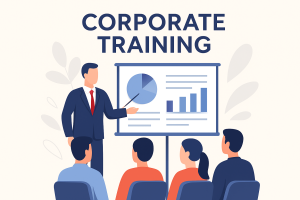
Corporate training is the systematic process of providing employees with the required competencies, skills, and knowledge to improve workplace performance. In turn, the delivery of corporate training may be in the form of workshops, on-the-job training, online modules, leadership coaching, and blended learning. A robust corporate training program ensures that employees always remain ready to take on new challenges and adapt to the ever-changing priorities of an organization. In evolving business scenarios, organizations are increasingly relying on corporate training companies for achieving high-quality learning experiences.
Accordingly, corporate training addresses skill gaps, increased productivity, and strong competitiveness. The essence of corporate training is to develop a continuous learning culture that enhances professional growth.
Most importantly, the right corporate training program enables your teams to do their roles more competently and confidently. Such has been its growing relevance that partnering with skilled corporate training companies has become the rule rather than the exception.
Why Corporate Training Matters More Than Ever
Organizations today operate in high-pressure, high-change environments. Therefore, high-performing employees need more than job-specific knowledge; they require strong analytical, digital, and interpersonal skills. Strategic corporate training ensures that employees build these capabilities. Be it digital transformation, automation, or the changing customer expectations, a robust corporate training program keeps employees updated and future-ready. It is for this reason that so many organizations prefer to work with professional corporate training companies that offer custom learning solutions. Talent retention is the other key reason. When employees grow through structured corporate training, they feel valued and more committed towards the organization. They will then make conscious decisions to stay longer and continually contribute to the organization. As a plus, businesses investing in a quality corporate training program also notice significant improvement in collaboration, efficiency, and decision-making. All such programs can be tailored to different roles, industries, and levels of seniority with the help of expert corporate training companies.
Key Objectives of Corporate Training
The main purpose of corporate training is to enhance employee performance. However, besides productivity, it helps attain several strategic objectives. These are:
- Enhancement of work-related skills and knowledge
- Strengthening leadership capacity
- Improve communication, collaboration.
- Building digital fluency
- Encouraging innovation and creative problem-solving
A well-structured corporate training program prepares employees for future roles and provides internal leadership pipelines within organizations. Today’s leading corporate training companies specialize in creating role-based learning journeys that address specific business outcomes.
Besides, corporate training also supports the compliance of industry regulations in such areas as finance, healthcare, and manufacturing. Training ensures awareness and observance of critical policies by the employees.
Also, comprehensive corporate training helps in eradicating performance gaps between teams and fosters consistency within an organization. Skilled corporate training firms do this by using diagnostics and assessments that will map these gaps correctly.
Types of Corporate Training Programs
To meet the diverse learning needs, organizations design various formats of corporate training. Each type has a specific purpose and serves the needs of a different audience segment. Following are some of the most common and effective forms:
1. Onboarding and Orientation Training
The corporate training program of this nature would enable the understanding of company culture, processes, and expectations for newer employees. It ensures a smoother transition into the organization.
Many companies collaborate with corporate training firms to structure the onboarding experience that reduces the learning curve and enhances early productivity.
2. Technical and Digital Skills Training
Rapidly advancing technologies have made it very crucial that corporate training in digital tools, AI, automation, and data analysis forms the basis of employee development.
A future-ready corporate training program builds employees’ technical fluency and equips them to adapt to digital workflows. Such courses are increasingly being delivered by niche corporate training companies.
3. Soft Skills and Behavioral Training
Communication, critical thinking, negotiation, and leadership make a successful team. Thus, corporate training based on soft skills is really important.
This category of corporate training program enables
working professionals to handle conflicts, lead and work in teams and collaborate more effectively. Recognized corporate training companies often use role-plays and simulations to strengthen these skills.
4. Leadership Development Training
Organizations invest in structured corporate training for potential managers and executives in order to build future leaders. The corporate training program on leadership focuses on sharpening strategic thinking, decision-making, and people management. Most of the top global corporate training companies specialize in such high-impact programs.
5. Compliance and Policy Training
Every organization has to adhere to certain rules of the industry, ethics standards, and safety parameters. Corporate training keeps an employee in tune with them. A tailored compliance-oriented corporate training program reduces risk and operational errors. Expert corporate training companies help in designing legally compliant training.
Advantages of Corporate Training to Employees
There are a lot of advantages of structured corporate training for the employees. These benefits directly impact their growth in the workplace and satisfaction within it.The outcome is that employees who experience a strong corporate training program leave it feeling more confident and competent to tackle new challenges. This is a key reason why organizations with ongoing upskilling rely on experienced corporate training companies.

Here are some top employee benefits:
1. Skill Enhancement and Improved Performance
Corporate training provides employees with relevant job skills for better performance of tasks.
Targeted corporate training ensures that the trainees are up to date with industry trends and best practices. Many such corporate training companies offer custom learning plans to increase performance.
2. Superior prospects of career growth
Workers who often participate in corporate training significantly improve their career prospects.
With structured corporate training, they emerge as potential candidates for promotion and leadership. Reputed corporate training companies provide such a pathway for succession-focused development.
3. Enhanced Engagement and Motivation
Training makes your employees feel valued. An organization investing in corporate training builds a motivated and involved workforce.
A well-planned corporate training program engenders a feeling of belonging and commitment. Many organizations rely on professional corporate training companies to help boost the level of engagement.
4. Increased Resilience and Better Future Preparedness
The employees, who receive corporate training in new technologies and modern practices, can better cope with the changes presented within an organization.
It helps them take a curve and show up to the most recent instruments and workflows. Progressive corporate training companies usually rest on future-focused skills.




Benefits of Corporate Training to Organizations
In addition to employee development, corporate training provides benefits to the organization in the long term. Organizations offering a well-rounded corporate training program tend to outperform their competition in both innovation and quality of service. Expert corporate training companies are, therefore, key players in shaping these outcomes.
1. Higher Productivity and Efficiency
Structured corporate training makes employees better-trained, faster, smarter, and with fewer errors. A scalable corporate training program streamlines processes and reduces onboarding time. Major companies offering corporate training incorporate workflow-based training for more effectiveness.
2. Improved Employee Retention
Employees tend to stay longer when they grow through consistent training opportunities within the corporation. A corporate training program that focuses on development sends a message that the company cares about employee progress. Most corporate training companies will bring in retention-focused learning frameworks.
3. Improved Customer Satisfaction
Employees with strong corporate training have the potential to deliver higher-quality service and better customer interactions. Customer-oriented corporate training programs prepare teams for various challenges in a professional manner. Professional corporate training companies ensure the development of service excellence through realistic scenarios.
4. Stronger Organizational Culture
Training helps embed company values, ethics, and behavior expectations in the workforce through corporate training on a continuous basis. A culture-focused corporate training program onlines teams and departments. Expert corporate training companies facilitate the reinforcement of these cultural foundations.
How to Build an Effective Corporate Training Strategy
A strategic plan means corporate training ensures that the programs yield measurable results.
A successful corporate training program needs to be designed on clear objectives, learner-centric methods, and continuous evaluation. Most organizations seek support from professional corporate training companies for effective implementation.
Key Steps:
- Assess and identify the skill gaps
- Establish measurable learning objectives
- Choose appropriate formats for training
- Create content with business needs in mind.
- Track outcomes and optimize constantly
Remember, steady corporate training maintains teams relevant and productive in dynamic environments.
A great corporate training program becomes even better when supported by the insights of highly qualified corporate training companies.
Final Thoughts
In today’s fast-evolving workplace, investing in strong corporate training is no longer optional; it is a question of survival and growth. Organizations that invest more in employee development via a robust corporate training program are more productive, innovative, and retain employees longer. Partnering with expert corporate training companies enhances the effectiveness of these programs and allows for long-term returns. A future-ready workforce requires consistent learning. The more you invest in your people, the more resilient and competitive your organization becomes.
Frequently Asked Questions





Find a Program made just for YOU
We'll help you find the right fit for your solution. Let's get you connected with the perfect solution.

Is Your Upskilling Effort worth it?
 ROI Calculator

Are Your Skills Meeting Job Demands?
Try our Skill Gap tool
Experience Lifelong Learning and Connect with Like-minded Professionals
Explore Jaro Connect
