Why HR Analytics Is Becoming a Strategic Business Function
XLRI Digital HR Transformation & AI Analytics Programme Overview
The Human Resources function is experiencing one of the most significant transformations in its history. Traditionally viewed as an administrative department focused on recruitment, payroll, compliance, and employee relations, HR is increasingly becoming a strategic partner in business growth and organizational performance.
Several factors are driving this change. Organizations today operate in highly competitive environments where talent has become a critical differentiator. At the same time, advancements in Artificial Intelligence, automation, workforce analytics, and digital technologies are reshaping how companies attract, engage, develop, and retain employees.
Modern HR leaders are expected to make data-driven decisions, forecast workforce trends, improve employee experiences, and contribute directly to business strategy. This evolution has created growing demand for professionals who understand both people management and technology-enabled decision-making.
The Digital HR Transformation & AI Analytics Programme by XLRI Jamshedpur is designed to address these emerging requirements. The programme focuses on helping HR professionals understand how digital transformation, analytics, and AI are influencing modern workforce management and organizational effectiveness.
Over the last decade, organizations have invested heavily in digital technologies across business functions. HR has been no exception.
Recruitment platforms now use AI to screen resumes and identify potential candidates. Employee engagement tools generate real-time insights into workforce sentiment. Learning platforms personalize training recommendations. Workforce analytics systems help organizations forecast talent requirements and measure employee performance.
These developments are changing how HR teams operate.
Rather than relying solely on intuition or historical experience, HR leaders increasingly use data and technology to support decision-making. This shift allows organizations to improve efficiency, reduce bias, strengthen employee experiences, and align workforce strategies with business objectives.
As digital adoption accelerates, HR professionals who understand technology-driven workforce management are becoming increasingly valuable.
What Is Digital HR Transformation?
Digital HR Transformation refers to the process of integrating technology, analytics, automation, and digital tools into HR functions to improve effectiveness and business impact.
It goes beyond simply digitizing existing processes. True transformation involves rethinking how organizations manage talent, engage employees, and make workforce decisions.
The objective is to create a more agile, data-driven, and employee-centric HR function capable of supporting modern business requirements.
Organizations that successfully implement digital HR strategies often experience improvements in productivity, talent retention, workforce planning, and employee engagement.
Why HR Analytics Is Becoming a Strategic Business Function
One of the biggest changes in Human Resources is the increasing importance of analytics.
Historically, HR teams primarily focused on operational metrics such as hiring numbers, employee turnover, and training participation rates. Today, organizations are using analytics to answer far more strategic questions.
For example:
Which employees are at risk of leaving?
What factors influence employee engagement?
How effective are leadership development programmes?
Which hiring channels generate the strongest talent?
How does workforce performance influence business outcomes?
By answering these questions, HR analytics helps organizations make more informed decisions and allocate resources more effectively.
As businesses become increasingly data-driven, the ability to interpret workforce data is becoming a critical skill for HR professionals.
This trend is one reason why HR analytics programmes are gaining significant attention among professionals seeking future-ready careers.
XLRI Digital HR Transformation & AI Analytics Programme Overview
Recognizing the growing importance of analytics and AI in workforce management, XLRI has developed the Digital HR Transformation & AI Analytics Programme.
The programme is designed to help HR professionals understand how emerging technologies influence talent management, workforce planning, employee engagement, organizational effectiveness, and business performance.
Rather than focusing solely on HR theory, the programme explores practical applications of analytics, digital transformation frameworks, and AI-driven workforce strategies.
Why This Programme Is Relevant in 2026
Organizations increasingly expect HR leaders to contribute to strategic decision-making.
The programme addresses these evolving requirements through a structured learning approach focused on modern HR leadership.
Programme Focus Areas
The curriculum is designed around several themes that influence contemporary HR management, including digital transformation, workforce analytics, AI applications in HR, organizational effectiveness, talent management, and strategic workforce planning.
This combination reflects the changing expectations placed on HR leaders in technology-driven organizations.
Key Learning Areas Covered in the Programme
The programme focuses on helping participants understand how data, technology, and analytics influence workforce management and organizational performance.
Participants explore concepts related to HR analytics, workforce planning, employee engagement measurement, digital HR strategies, AI applications, talent intelligence, and organizational transformation.
A key strength of the programme is its emphasis on connecting analytics with business outcomes. Rather than viewing data as an isolated function, learners develop an understanding of how workforce insights can influence strategic decisions and organizational performance.
This perspective is increasingly important as HR evolves into a business-critical leadership function.
Skills HR Professionals Need in 2026
The expectations from HR professionals continue to expand.
Technical HR expertise remains important, but organizations increasingly seek professionals who can combine people management with analytical thinking and technology awareness.
Among the most important skills are workforce analytics, which enables professionals to interpret employee data and identify actionable insights.
Digital transformation leadership is becoming equally important as organizations modernize HR processes and workforce management systems.
AI literacy is another emerging requirement. HR leaders do not necessarily need to become AI specialists, but they must understand how AI influences recruitment, performance management, employee engagement, and workforce planning.
Strong business acumen also remains essential. HR professionals increasingly participate in strategic discussions related to growth, productivity, culture, and organizational effectiveness.
These evolving requirements explain why programmes focused on analytics and digital HR are becoming increasingly relevant.
As organizations continue investing in workforce transformation, the demand for HR professionals with analytical and digital capabilities is growing rapidly. Traditional HR expertise remains valuable, but employers increasingly seek professionals who can leverage data, technology, and AI to improve workforce outcomes and support business objectives.
This shift has expanded career opportunities beyond conventional HR roles. Professionals who understand workforce analytics, talent intelligence, digital transformation, and employee experience management are finding opportunities across industries such as technology, consulting, banking, healthcare, manufacturing, and e-commerce.
The growing adoption of AI-powered HR systems and workforce analytics platforms is also creating new leadership roles focused on strategic workforce planning and organizational transformation. As a result, HR analytics is emerging as one of the most promising career paths within Human Resource Management.
Emerging HR Roles in 2026
The evolution of digital HR is creating a new generation of specialized roles that combine people management with analytical and technological expertise.
Some of the emerging career opportunities include:
HR Analytics Specialist
These professionals analyze workforce data to identify trends, improve decision-making, and support organizational planning.
People Analytics Manager
People Analytics Managers help organizations use employee data to improve engagement, retention, productivity, and workforce performance.
Digital HR Transformation Consultant
Organizations undergoing HR modernization initiatives often seek professionals who can guide technology adoption and process transformation.
Workforce Planning Manager
These professionals help organizations forecast talent needs, optimize workforce structures, and support long-term business planning.
Employee Experience Manager
Employee experience has become a strategic priority. Professionals in this role focus on improving engagement, workplace culture, and employee satisfaction.
HR Business Partner (HRBP)
Modern HRBPs increasingly rely on analytics and workforce insights to support business leaders and contribute to organizational strategy.
As organizations become more data-driven, professionals with expertise in HR analytics and digital transformation are likely to remain in high demand.
The increasing importance of analytics has also influenced compensation trends within the HR profession.
Professionals with expertise in workforce analytics, data interpretation, and HR technology often command higher salaries than traditional HR roles because they contribute directly to business decision-making and organizational performance.
Average salary ranges in India may include:
Role
Average Salary Range
HR Analyst
₹6–12 LPA
People Analytics Specialist
₹8–15 LPA
HR Business Partner
₹8–18 LPA
Workforce Planning Manager
₹10–20 LPA
HR Analytics Manager
₹12–25 LPA
Digital HR Consultant
₹10–25 LPA
Actual compensation depends on industry, location, organizational size, experience, and individual capabilities.
Professionals who combine HR expertise with analytics, technology awareness, and business understanding often experience stronger career progression and leadership opportunities.
Digital HR vs Traditional HR
One of the most important shifts occurring within Human Resources is the transition from traditional HR practices to digital-first workforce management.
Traditional HR often focused on administrative responsibilities such as recruitment coordination, compliance management, payroll support, and employee record maintenance.
Digital HR expands these responsibilities significantly.
Modern HR leaders increasingly focus on:
Workforce analytics
Employee experience design
Strategic workforce planning
Talent intelligence
AI-enabled recruitment
Data-driven decision-making
Organizational transformation
Rather than replacing traditional HR functions, digital transformation enhances them by improving efficiency, accuracy, and strategic impact.
Professionals who embrace these changes are likely to remain more relevant as organizations continue adopting technology-driven workforce strategies.
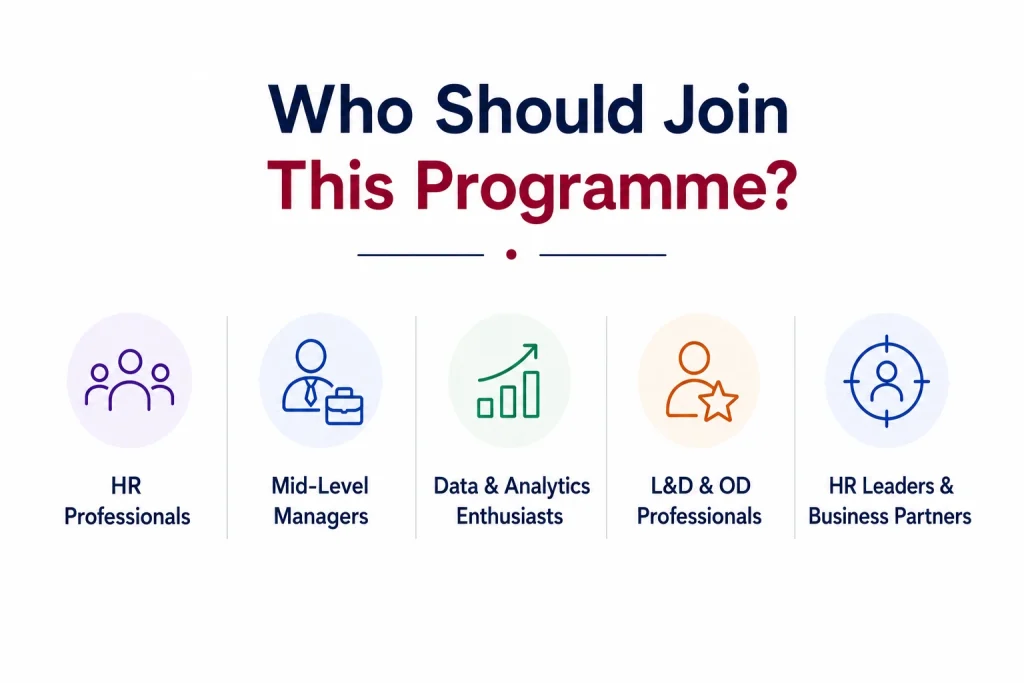
Who Should Join This Programme?
The XLRI Digital HR Transformation & AI Analytics Programme is designed for professionals who want to strengthen their understanding of modern workforce management and future-ready HR practices.
The programme may be particularly valuable for:
HR Professionals
Professionals working in talent acquisition, employee relations, compensation, learning and development, or HR operations can benefit from understanding analytics and digital transformation frameworks.
HR Business Partners
HRBPs increasingly participate in strategic decision-making and can leverage analytics to improve business outcomes.
Learning and Development Professionals
Technology is reshaping how organizations approach employee development, making digital learning and analytics increasingly important.
Talent Management Leaders
Professionals responsible for workforce planning, succession management, and employee engagement can benefit from stronger analytical capabilities.
Consultants and Transformation Professionals
Individuals involved in organizational change, workforce transformation, and business consulting may find the programme relevant to evolving market demands.
Future HR Leaders
Professionals aspiring to senior HR leadership positions can use the programme to develop competencies increasingly expected from modern HR executives.
How HR Analytics Supports Business Growth
One of the reasons HR analytics has gained so much attention is its ability to connect workforce decisions with business outcomes.
Organizations increasingly recognize that employee performance, engagement, and retention directly influence productivity, customer satisfaction, innovation, and profitability.
Through analytics, organizations can:
Identify high-performing talent
Reduce employee turnover
Improve recruitment quality
Optimize workforce planning
Measure training effectiveness
Enhance employee engagement
This ability to generate actionable insights elevates HR from a support function to a strategic business partner.
As businesses continue prioritizing workforce effectiveness, professionals who understand HR analytics are likely to play increasingly influential roles.
Is the XLRI Programme Worth It for Working Professionals?
For working professionals, executive education must deliver practical value that can be applied within current roles and future career opportunities.
The relevance of Digital HR Transformation and AI Analytics continues to grow as organizations modernize workforce management and increasingly rely on data-driven decision-making.
The XLRI programme addresses several areas that are expected to remain highly relevant over the coming decade, including analytics, digital transformation, workforce intelligence, employee experience, and AI-enabled HR practices.
Potential Benefits of the Programme
Professionals may benefit from:
Improved understanding of HR analytics
Exposure to AI applications in HR
Stronger workforce planning capabilities
Better data-driven decision-making skills
Enhanced strategic HR competencies
Greater readiness for future HR leadership roles
A Practical Perspective
The programme is unlikely to transform a career overnight. However, professionals who actively apply the concepts, develop analytical thinking, and embrace technology-driven workforce management may position themselves more effectively for future opportunities.
For HR professionals seeking to stay relevant in an increasingly digital business environment, the programme offers exposure to many of the competencies shaping the future of Human Resources.
Final Thoughts
Human Resources is evolving rapidly. Organizations increasingly expect HR professionals to combine people management expertise with analytics, technology awareness, and strategic business thinking.
As workforce management becomes more data-driven, professionals who understand digital transformation and AI-enabled decision-making are likely to play a critical role in shaping organizational success.
The XLRI Digital HR Transformation & AI Analytics Programme reflects this evolution by helping professionals develop capabilities that align with the future of HR leadership. Through its focus on workforce analytics, AI applications, digital transformation, and strategic decision-making, the programme addresses many of the challenges and opportunities facing modern HR teams.
For professionals looking to strengthen their analytical capabilities, prepare for future leadership roles, and understand the growing intersection of HR and technology, the programme offers a structured pathway to develop relevant skills and insights.
Frequently Asked Questions
Digital HR Transformation refers to the use of technology, analytics, automation, and digital tools to improve workforce management, employee experiences, and HR decision-making.
HR Analytics involves collecting, analyzing, and interpreting workforce data to support better business and people-related decisions.
AI helps organizations improve recruitment, employee engagement, workforce planning, learning and development, and decision-making through automation and intelligent insights.
The programme is suitable for HR professionals, HR Business Partners, talent management specialists, workforce planning professionals, consultants, and aspiring HR leaders.
Yes. Organizations increasingly rely on workforce data to improve productivity, employee retention, talent acquisition, and strategic planning, making HR analytics a high-demand skill area.
Yes. Professionals who develop analytical capabilities and understand workforce data can pursue roles in HR analytics, people analytics, workforce planning, and digital HR transformation.
Yes. The flexible learning structure allows professionals to balance work commitments while pursuing the degree.
Prerna Singh
Talent Acquisition Manager - India
Prerna Singh is a results-driven Talent Acquisition Manager with expertise in end-to-end HR management. She has a strong background in recruitment, employee engagement, and HR operations across IT domains. Skilled in ATS/HRIS platforms and vendor management, she is passionate about building productive workplaces. She is committed to aligning talent strategies with business growth.
Get Free Upskilling Guidance
Fill in the details for a free consultation
Related Courses
Explore our programs
Admission Closed
Executive Development Programme in Digital HR Transformation & AI-Driven HR Analytics
 HOME > BLOG > HR Management > XLRI Digital HR Transformation & AI Analytics Programme 2026: The HR Professional’s Definitive Guide
 July 8, 2026
 9 min read




 ChatGPT
 Perplexity
 Claude
 Grok
Grok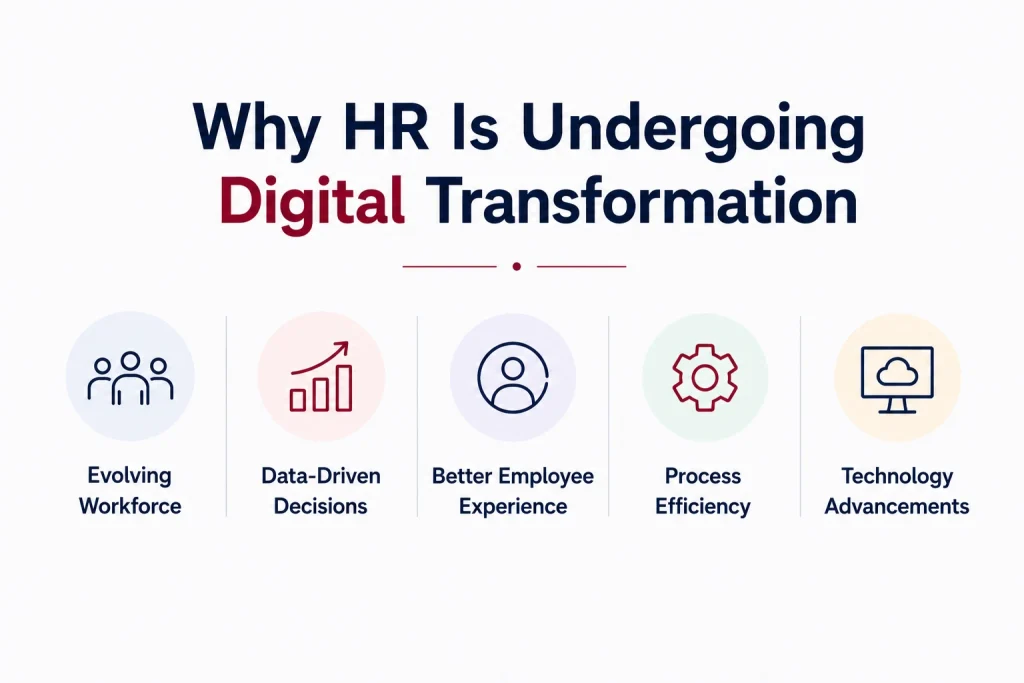




 Admission Closed
 Admission Closed
 Admission Closed
 ROI Calculator