
Executive Development Programme in HR Analytics
XLRI Jamshedpur

- Batch
09
- Course Duration
8-9 Months
- Mode
Live Lectures
(Hybrid Mode) - Commencement Date
9th-11th October, 2026
- Application Closure Date
15th September, 2026
- Session Timing
Saturday,
6.30 pm to 9.30 pm
Programme Overview
Admission Criteria

Eligibility Criteria
Qualifications:
- For Indian Participants – Graduates (10+2+3) or Diploma Holders (only 10+2+3) from a recognized university (UGC/AICTE/DEC/AIU/State Government) in any discipline.
- For International Participants – Graduation or equivalent degree from any recognized University or Institution in their respective country.
Experience:
- HR professionals with a minimum of 2 years of work experience in the field of HR.
- Non-HR professionals should have a minimum of 5 years of overall work experience.
About XLRI Jamshedpur
Established in 1949 by Fr Quinn Enright, S.J., XLRI (Xavier Labour Relations Institute) stands as one of India’s oldest and most esteemed management institutes. Nestled in the ‘steel city’ of Jamshedpur, XLRI has evolved into an internationally renowned business school over the past six decades. With a rich legacy, it is ranked 9th among Indian management schools by NIRF in 2024 and holds global recognition, securing the 84th position worldwide by CEOWORLD magazine. XLRI’s AACSB and AMBA accreditations, coupled with a 100% placement record, underscore its commitment to excellence in business education.
10th Rank In Management, NIRF Rankings 2025
77th Rank worldwide in the Financial Times Executive Open Rankings 2026
Pedagogical Methodology
Learning Outcomes
Admission Process
- 1
Eligibility of Applicant
- 2
Application Submission
- 3
Screening & Shortlisting
- 4
Admission & Fee Payment
- 5
Book your Seat
Unleash the benefits that await you with Jaro Value adds.
%
higher employee retention rate
%
increase in employee productivity
%
businesses achieved measurable growth
Companies that already trust us!





















Syllabus Breakdown
This module will help you understand the domain of HR analytics and the process of implementing HR analytics in context of evolving HR technologies. For example, how will you identify the concerns related to the scheduled meetings in your organization (duration, effectiveness, challenges, etc.) and make an evidence based decision through a people analytics process. This module will also help you to learn the basic steps involved in designing an appropriate HR analytics project for your experience and exposure.
- Evidence-based Approach
- HR Analytics Continuum
- HR Analytic Process: Designing a Project
Introductory Tool for HR Analytics Based on Excel (To Commence Your Analytical Journey)
This module focuses on the process of capturing relevant data for HR analytics. The focus will be on questions such as the existing and potential sources of relevant data, data cleaning processes, types of metrics, and the process of developing customized proprietary metrics for your organization during this module. For illustration, you will consider the availability of existing data pertaining to scheduled meetings in your organization and its reliability, segmentation of the available data and modification of the same for making business sense in your organizational context.
- Analytical Foundations of HR Measurement
- Data Capturing and Cleaning
- Types of HR Metrics
- Developing Proprietary Metrics for your organization/Issues faced
By utilizing basic analytical tools, in this module, you will learn to make predictions about the challenges and outcome of future scheduled meetings in your organization. This module will help you to make predictions such as the meetings that may not commence on time, relative contribution of current talent management practices to the delay in closing the meeting, types of meetings that are difficult to manage etc., based on different types of analysis. Learn qualitative analytical tools – Natural Language Processing- also during this module.
- Introduction to Predictive Analytics Tools
- Choosing Predictive Analytic Models for Quantitative Data
- Working with Qualitative Data
- Interpreting Predictive Analytic Results
Based on the available predictions, this module will help you to make improvements for the chosen HR analytics theme. The focus of the module is not only on optimization but also on customization of the solutions considering the contextual requirements and limitations associated with them. For illustration, what are the specific precautions you need to take to increase the effectiveness of the meetings in a conservative organization wherein predictive analytics indicate that middle level executives prefer to silently agree with all suggestions by top executives. Prescriptive analytics in this context will also focus on modifications required in associated HR initiatives to ensure:
(a) a free flow of value adding ideas
(b) high engagement levels irrespective of hierarchical levels and
(c) changes in the culture of the organization to a high performing professional one. Will discuss ONA – Organizational Network Analysis as a part of this module
- Responding to HR Challenges through Prescriptive Analytics
- Prescriptive Analytics as a Process to Influence Stakeholders
- Contextualized Prescriptions
- Optimization through Prescriptive Analytics
Illustrations of HR Analytics from Staffing, Training, Performance Management, Leadership, Organizational Culture, OD interventions, Organizational Structure, etc. are covered and discussed across four modules discussed above.
The program will help you to develop analytical capabilities for evidence-based choices by such as: Prioritizing various talent management initiatives for your organization, Identifying employees with high attrition risk, Comparing potential candidates in terms of their future predicted performance, Modifying steps in staffing by eliminating ineffective steps and introducing value adding initiatives, Relevance of forced distribution appraisal systems in your organizations, Compensation optimization by incorporating employee preferences, Culture fit and corrections across various units/departments of your organization, etc.
Sequencing of Modules: Depending on the comfort level and preference of the entire batch during initial modules, we may follow an integrated approach for module 3&4, wherein analytical processes are typically presented with increasing levels of complexities. Based on the data collected from participants, the time and exposure to various themes mentioned above may get modified to improve the value for the entire batch.
This program includes 6 days of on-campus immersion in two phases, the dates for which shall be informed to the participants well in advance. Attendance to the On-Campus module is MANDATORY for all participants. The on-campus modules are subjected to the conditions that prevail at the point in time. No recording of Project presentations due to its confidential nature.
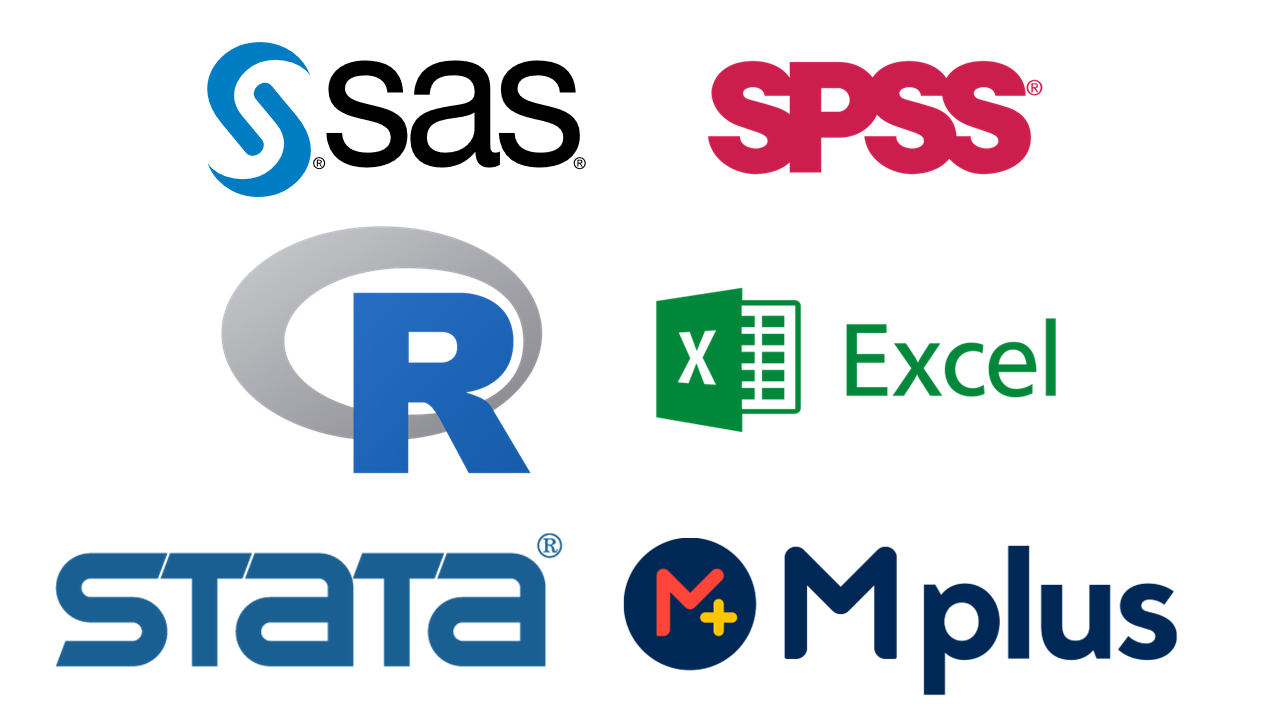
Tools Covered
Programme Fee Details

- All the amounts mentioned above are exclusive of GST.

- Flexible Financing Available through the Jaro Education platform and XLRI is not liable for it.
Application Fee
INR 2,500/- + GST(non-refundable)
Total Programme Fee
INR 2,00,000/- + GSTInstalment Pattern

Instalment 1
INR 70,000/- + GSTOn or before Registration Date 1*
Instalment 2
INR 70,000/- + GSTOn or before Programme Commencement
Instalment 3
INR 60,000/- + GSTAfter 3 Months of Programme Commencement
Know the Facilitators

The Jaro Advantage

Learning Support

Doubt Resolution

Networking
Unlock Your Path to Success
Unsure about which course to choose? We understand—selecting the right programme can feel overwhelming. That’s why our intuitive Course Finder is here to help you discover the perfect match based on your skills, goals, and interests. Let us guide you toward your next career milestone with confidence.
Find My Ideal Course Find My Ideal Course

Refer & Earn – Amazing Rewards Await!
Share the gift of education—refer your friends and colleagues now! Earn fantastic rewards for every successful referral and empower others to advance their careers while you benefit.
Start Referring Today! Start Referring Today!Frequently Asked Questions
HR analytics is a data-driven approach aimed at enhancing organizational performance. It involves analyzing HR metrics to evaluate and utilize relevant data, ultimately contributing to improved decision-making and revenue generation.
HR analytics encompasses four types: descriptive analytics, diagnostic analytics, predictive analytics, and prescriptive analytics. Pursuing an HR analytics course offers several advantages, including improved decision-making skills, understanding employee behavior, optimizing the recruitment process, and recognizing organizational patterns. They play a crucial role in identifying HR-related issues, aiding in policy development, analyzing and interpreting trends, reporting outcomes to senior managers, and recommending effective solutions.
