Product Roadmap 2026: Guide with Examples & Templates
J
By Nuthana Reddy
April 27, 20266 min read
Last updated on September 7, 2026
SHARE THIS ARTICLE
Table Of Content
Why Is a Product Roadmap Important?
Who Uses a Product Roadmap?
Who Is Responsible for Creating a Product Roadmap?
How to Create a Product Roadmap Step by Step
Key Insights
A product roadmap provides a clear picture of a product’s vision, goals, priorities, and initiatives, helping teams understand what needs to be done.
Creating a product roadmap involves defining goals, understanding customer needs, prioritising initiatives, organising the plan, and reviewing it regularly.
A well-planned roadmap improves coordination between product, development, marketing, and sales teams while keeping everyone focused on shared outcomes.
As customer needs and market conditions change, updating the roadmap helps teams adjust priorities and keep the product relevant.
A product roadmap is a visual plan that communicates a product’s direction, priorities, and upcoming initiatives. It helps teams understand what they need to focus on and how their work supports broader business goals.
Through effective roadmapping, organisations can connect customer needs with product planning, coordinate development efforts, and guide the product through different stages in product development.
A product roadmap plays a pivotal role in translating product objectives into structured and actionable initiatives:
Clarifies Product Vision: Establishes a clear understanding of the product’s purpose, goals, and intended outcomes.
Optimises Resource Allocation: Helps organisations allocate time, talent, and budgets effectively across product activities.
Enhances Decision-Making: Provides a structured framework for evaluating opportunities and making informed product decisions.
Enables Market Responsiveness: Allows teams to adapt product plans according to changing customer expectations, industry trends, and market conditions.
Facilitates Product Growth: Supports continuous enhancements and informed decisions throughout product life cycle management.
Who Uses a Product Roadmap?
A product roadmap brings multiple teams together by providing a shared view of product goals, planned activities, and expected outcomes.
Who Uses
Purpose
Product Managers
Define product strategy, establish objectives, and lead product planning throughout development.
Development & Design Teams
Understand upcoming requirements, plan technical execution, and create experiences aligned with product goals.
Marketing & Sales Teams
Coordinate launch campaigns, prepare sales strategies, and communicate upcoming features and product enhancements.
Senior Leadership & Support Teams
Evaluate strategic progress, allocate resources, and prepare support teams for upcoming product changes and customer requirements.
Who Is Responsible for Creating a Product Roadmap?
A product manager is typically responsible for creating and maintaining a product roadmap. They bring together customer insights, business requirements, market research, and product goals to determine what the product should achieve. They also work closely with relevant teams to ensure the roadmap reflects practical requirements and supports the organisation’s overall strategy.
However, creating a roadmap is not an isolated responsibility. Developers, designers, marketers, sales teams, customer support, and senior leaders can contribute valuable perspectives. While the product manager usually owns the final roadmap, input from these stakeholders helps create a realistic plan.
Regular collaboration also ensures that planned initiatives consider technical feasibility, customer expectations, available resources, and changing market conditions.
How to Create a Product Roadmap Step by Step
Creating a product roadmap becomes easier when you follow a structured approach. The steps below can help you turn your product vision into a practical plan while keeping customer needs and business goals in view.
1. Define Your Product Vision and Goals
Start by identifying what you want the product to achieve. Set specific goals that reflect customer needs and support your organisation’s broader business objectives. A clear vision gives your team a common understanding of the product’s purpose.
2. Gather Customer and Market Insights
Research your target audience to understand their expectations, challenges, and preferences. Review customer feedback, competitor activity, industry trends, and market data. These insights can help you make better decisions during product planning.
3. Identify and Prioritise Initiatives
List the features, improvements, and other activities required to achieve your goals. Evaluate each initiative based on factors such as customer value, business impact, effort, and available resources. Then determine which areas should receive attention first.
4. Organise Features and Initiatives
Group related activities into logical categories and arrange them according to their expected sequence. This gives teams a clearer view of how individual tasks contribute to the larger product journey and different stages in product development.
5. Choose a Product Roadmap Format
Select a format that suits your audience and product needs. You can use a timeline, Kanban-style view, Now-Next-Later framework, or another visual structure. Keep the format simple enough for stakeholders to understand quickly.
6. Share the Roadmap With Stakeholders
Present the roadmap to relevant teams and stakeholders. Explain the reasoning behind major decisions, expected outcomes, and dependencies. Their feedback can help identify gaps and ensure everyone has a consistent understanding of the plan.
7. Review and Update the Roadmap
A roadmap should evolve as your product and market change. Regularly review customer feedback, business performance, market conditions, and team progress. Updating it periodically supports effective product life cycle management and keeps the plan relevant.
Presenting a product roadmap effectively is about making the product strategy easy for everyone to understand. Start by explaining the product vision, key goals, and the reason behind major initiatives. Avoid overwhelming your audience with technical details or too many features. Instead, focus on the expected outcomes, timelines, and how planned work supports business and customer needs.
Use a clear visual format to make the roadmap easy to follow. Group related initiatives, highlight major milestones, and distinguish between completed, ongoing, and upcoming work.
Tailor the presentation to your audience and allow stakeholders to ask questions and provide feedback, helping ensure the roadmap remains realistic and relevant.
Product Roadmap Best Practices
Creating a useful product roadmap means balancing customer needs, business goals, and what your team can realistically deliver. Keep these practices in mind:
Align With Business Goals: Connect roadmap priorities with goals such as growth, revenue, and customer retention to strengthen product planning.
Focus on Product Outcomes: Highlight the results you want to achieve instead of simply listing features.
Build Around Customer Needs: Use customer feedback, reviews, and product data to guide roadmapping decisions.
Keep the Roadmap Clear: Use simple themes, priorities, and milestones so teams can quickly understand the plan.
Set Realistic Timeframes: Set clear time ranges for each initiative while keeping enough flexibility to adjust plans when needed.
Review and Refresh the Plan: Update priorities based on progress, feedback, and changing needs across different stages in product development.
Link It to the Product Life Cycle: Adapt the roadmap as the product develops through different stages using product life cycle management.
Use Data and Stay Flexible: Consider product usage, customer feedback, revenue, and market trends while leaving room for change.
Common Product Roadmap Mistakes to Avoid
Packing the roadmap with too many ideas: Trying to include every feature can make the roadmap confusing and take attention away from the work that matters most.
Building without listening to customers: Ignoring customer feedback can lead to features that look good on paper but do not solve real user problems.
Treating the roadmap like a fixed promise: Product plans can change as new information comes in, so avoid locking the team into strict dates or plans.
Forgetting to update the roadmap: An old roadmap may no longer match the product’s needs. Review it regularly and make changes as priorities shift.
How Jaro Education Can Help You Build Product Management Skills
If you want to build a career in product management, developing skills in product strategy, market research, prioritisation, and decision-making can help you manage products more effectively. These skills can also prepare you for roles that involve planning, execution, and product growth.
To strengthen your product management knowledge and gain practical insights, explore these programmes from Jaro Education:
The Mastering Product Management programme is a free course covering product strategy, product vision, planning, and decision-making. These programmes can help learners develop practical knowledge to prioritise opportunities, solve customer problems, and make informed product decisions.
A clear product roadmap brings structure to product development by connecting goals, customer needs, priorities, and execution. It helps teams stay focused on the work that can create the greatest value while giving stakeholders a clear view of the product’s direction.
However, a roadmap should never be treated as a fixed plan. As customer expectations, market conditions, and business needs change, priorities may need to shift. Regular reviews, data-driven decisions, and a flexible approach can help teams make better choices throughout the product life cycle.
For aspiring product managers, learning roadmapping, prioritisation, and product strategy can build the practical skills needed to manage products effectively from idea to growth.
Frequently Asked Questions
A product roadmap is a visual plan that outlines a product’s goals, priorities, key initiatives, and expected direction. It helps teams understand what they are working towards and how their work supports customer and business needs.
The main purpose of a product roadmap is to set clear priorities and communicate the product’s direction. It helps product teams plan work, coordinate with other teams, and keep everyone focused on common goals.
Start by defining the product vision and goals, gather customer and market insights, prioritise initiatives, organise them into a suitable format, share the roadmap with stakeholders, and review it regularly.
A product roadmap can include product goals, key initiatives, features or improvements, priorities, milestones, expected outcomes, and broad timeframes. The level of detail can vary based on the audience.
Common types include timeline-based, theme-based, feature-based, and Now-Next-Later roadmaps. Each format presents product priorities differently and can be selected based on the team’s needs.
The product manager usually leads roadmapping, but input from engineering, design, marketing, sales, customer support, and leadership teams can help create a more practical roadmap.
A product roadmap should be reviewed regularly and updated when customer needs, business goals, market conditions, or product priorities change. This keeps the plan relevant as the product develops.
Common mistakes include adding too many features, ignoring customer feedback, setting unrealistic deadlines, making the roadmap too detailed, and failing to update it as priorities change.
Creating a product roadmap requires skills in product planning, customer research, prioritisation, communication, data analysis, and product strategy. Understanding the stages in product development also helps product managers make better roadmap decisions.
Nuthana Reddy
Nuthana Reddy is a Senior Manager at Procter & Gamble, specializing in operations, digitization, and cross-functional leadership. She has driven multimillion-dollar impact through innovation, process optimization, and strategic execution across global markets.
Get Free Upskilling Guidance
Fill in the details for a free consultation
Related Courses
Explore our programs
Post Graduate Certificate Programme in Product & Brand Management

 April 27, 2026
 6 min read




 Key Insights
 ChatGPT
 Perplexity
 Claude
 Grok
Grok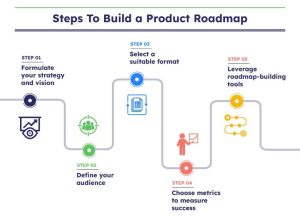









 ROI Calculator