IIT Bombay's IDC School of Design offers a wider range of specialisations, including Animation, Communication, Industrial, Interaction, and Mobility and Vehicle Design, while IIT Delhi focuses on Industrial Design at the postgraduate level.
Both IIT Bombay and IIT Delhi offer four-year B.Des programmes and accept UCEED scores for undergraduate admissions. Students from Science, Commerce, and Arts and Humanities streams can apply if they meet the eligibility criteria.
B.Des tuition at both institutes is ₹1 lakh per semester, amounting to approximately ₹8 lakh over four years. M.Des fees differ based on the institute and student category, while SC, ST, and PwD students receive tuition fee exemptions.
B.Des admissions are conducted through UCEED, while M.Des admissions require CEED scores followed by institute-specific selection rounds, which may include written tests, studio tests and interviews.
In this blog, you'll learn about IIT Delhi and IIT Bombay design courses, specialisations, eligibility criteria, fee structures, admission processes, career opportunities, and how to choose the right institute based on your interests and goals.
Design has become one of the most promising career paths in India, and the Indian Institutes of Technology (IITs) offer some of the most respected design programs in the country. Two names come up again and again when students and parents compare options: IIT Bombay, through its IDC School of Design, and IIT Delhi, through its Department of Design. Both are government institutions with strong faculty, active industry links, and highly competitive admissions. Yet they differ in age, size, specializations, and cost structure. This blog compares IIT Delhi and IIT Bombay on courses, eligibility, fees, and career scope, so you can make a well-informed decision.
Design is no longer limited to drawing or aesthetics. Today it covers user experience (UX), product design, mobility design, animation, and communication. Companies in technology, automotive, consumer goods, media, and consulting all hire designers to shape how products look, feel, and work.
IIT programs stand out because they combine design thinkingwith an engineering environment. Students work alongside peers in technology and science, learn to solve real problems, and graduate with a degree from an institution that employers trust.
Among the oldest design programs in the IIT system, established in 1969
Department of Design established in 2017
Undergraduate degree
B.Des (4 years)
B.Des (4 years)
Postgraduate degree
M.Des (2 years) in five streams
M.Des (2 years) in Industrial Design
Doctoral program
Yes
Yes
UG entrance exam
UCEED
UCEED
PG entrance exam
CEED, followed by a written test and interview
CEED, followed by a studio test and interview
Approx. B.Des seats
About 30 to 37 (varies by year)
About 20
Courses Offered
1. IIT Bombay: IDC School of Design
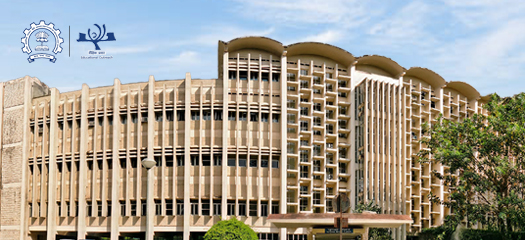
IIT Bombay’s IDC School of Design is known for its wide range of specializations. Its B.Des program is a four-year, eight-semester course that covers areas such as industrial design, communication design, animation design, interaction design, and mobility and vehicle design.
At the postgraduate level, the M.Des program is offered in five streams:
Animation Design
Communication Design
Industrial Design
Interaction Design
Mobility and Vehicle Design
For the 2026–27 session, IIT Bombay announced 68 seats for M.Des and 10 for M.Des by Research. The Mobility and Vehicle Design andAnimation Design streams are particularly distinctive, since few other IITs offer them.
IIT Delhi: Department of Design
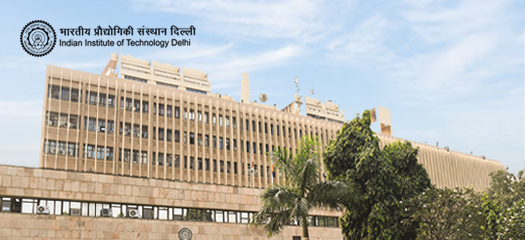
IIT Delhi’s Department of Design is younger and smaller, with a program that focuses on product design and visual design at the undergraduate level. Its B.Des is also a four-year program with a small intake, which makes classes intimate and faculty attention high.
At the postgraduate level, IIT Delhi offers a two-year M.Des in Industrial Design. A major advantage is the campus itself: students can collaborate with departments in engineering, textiles, and management, and the program benefits from IIT Delhi’s strong research culture.
Eligibility Criteria
B.Des Eligibility (UCEED)
For B.Des admission at both institutes, candidates must qualify in UCEED and then take part in the counseling process. Based on the UCEED 2027 criteria, the main requirements are:
Criterion
Requirement
Entrance exam
Valid UCEED score or rank
Class 12 status
Appeared for the first time in 2026 or 2027; those who first appeared in 2025 or earlier are not eligible
Stream
Science, Commerce, or Arts and Humanities are all accepted for IIT Bombay and IIT Delhi
Age limit (General, EWS, OBC-NCL)
Born on or after October 1, 2002
Age limit (SC, ST, PwD)
Born on or after October 1, 1997
Because both IIT Bombay and IIT Delhi accept students from all streams, Commerceand Arts students have the same chance as Science students. This is not true everywhere: IIT Guwahati and IIT Roorkee require Physics, Chemistry, and Mathematics in Class 12.
M.Des Eligibility (CEED)
Criterion
IIT Bombay
IIT Delhi
Entrance exam
Valid CEED score
Valid CEED score
Qualifying degree
Bachelor’s degree in a relevant field (stream-specific)
B.Tech, B.E., B.Des, or B.Arch
Minimum marks
55% (50% for SC, ST, PwD)
60% or equivalent CGPA (relaxation for reserved categories as per institute norms)
Further selection
Written test, portfolio or task review, and interview
Studio test and interview
CEED exemption
Available for B.Des, M.Des, or M.Arch graduates of IITs with a CGPA of at least 8.00
Not generally available
Fee Comparison
Fees at IITs are subsidized compared with private design schools, but undergraduatetuition at both institutes has risen. For the B.Des, the two institutes charge the same tuition.
Fee Component
IIT Bombay
IIT Delhi
B.Des tuition per semester
₹1,00,000
₹1,00,000
B.Des tuition (4 years)
About ₹8 lakh
About ₹8 lakh
B.Des total cost, including hostel, mess, and other charges
Roughly ₹11 to 12 lakh
Roughly ₹11 to 12 lakh
M.Des tuition per semester
₹18,000 (Group I); ₹60,000 (Group II)
₹17,500 per semester, about ₹70,000 for the course
SC, ST, PwD students
Exempt from tuition
Exempt from tuition
Free Courses
Free Business Statistics Course Online with Certificate
For B.Des (UCEED): UCEED has two parts, Part A and Part B, and candidates must clear both. Based on the published schedule for UCEED 2027, the exam is on January 17, 2027, and results are due on March 6, 2027. Counseling registration runs from March 15 to April 12, 2027, followed by five rounds of seat allotment between April and July. The counseling application fee is ₹4,000.
For M.Des (CEED): CEED 2027 is also scheduled for January 17, 2027, and registration for both UCEED and CEED 2027 closed in November 2026. There is no centralized counseling for M.Des. After the CEED result, candidates apply separately to each institute, then appear for the institute’s own test and interview. IIT Bombay’s 2026 cycle, for example, held its written test on May 8, interviews on May 9–10, and announced results on June 1.
If you plan to apply next year, keep your portfolio and preparation ready, since both stages reward creativity, observation, and problem-solving more than drawing skill alone.
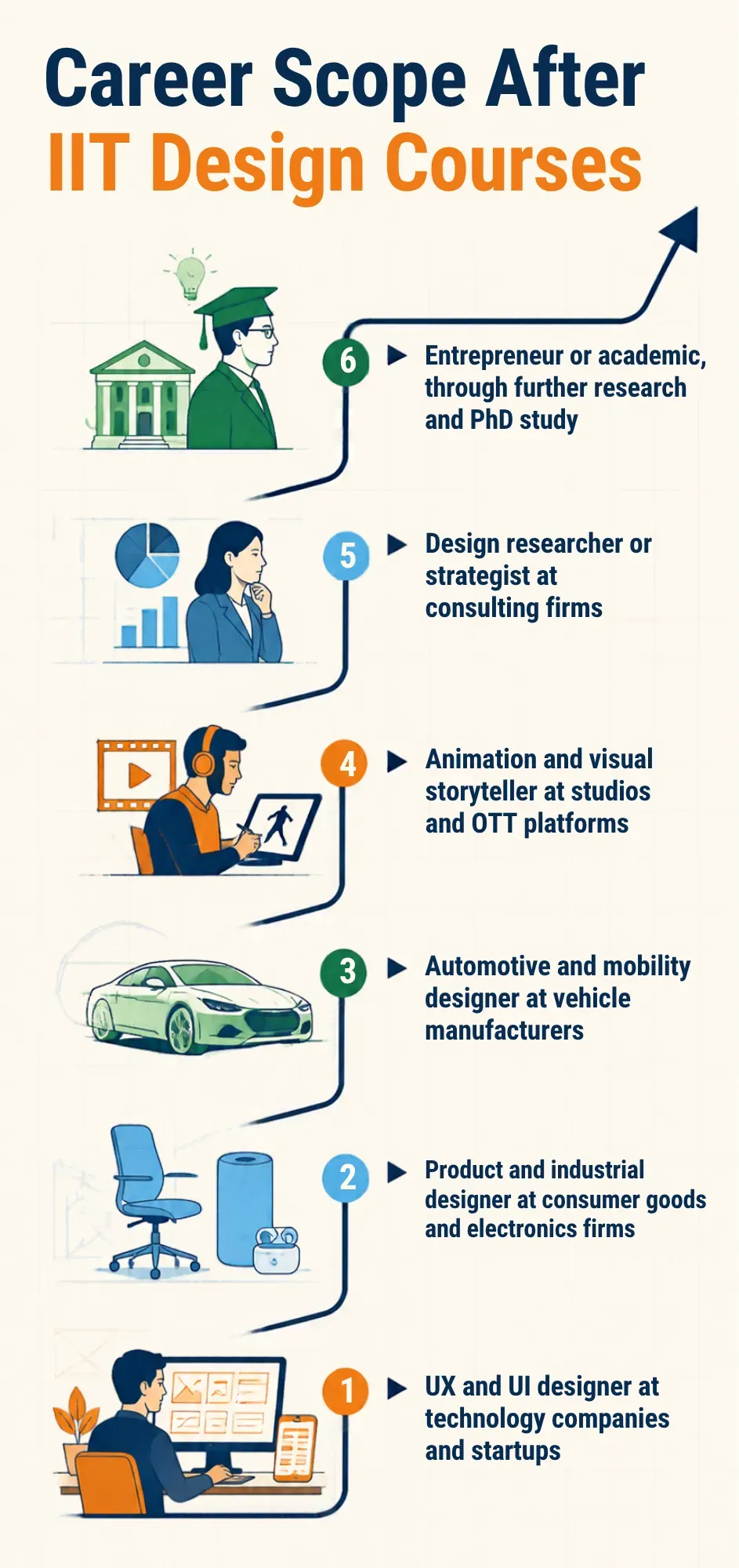
Career Scope After IIT Design Courses
Graduates of both institutes find work across industries. Common career paths include:
UX and UI designer at technology companies and startups
Product and industrial designer at consumer goods and electronics firms
Automotive and mobility designer at vehicle manufacturers
Animation and visual storyteller at studios and OTT platforms
Design researcher or strategist at consulting firms
Entrepreneur or academic, through further research and PhD study
IIT Delhi or IIT Bombay: Which Should You Choose?
The best choice depends on what you want from your program.
Choose IIT Bombay if you want a wider range of specializations, particularly animation or mobility and vehicle design, a longer-established design school, and a Mumbai location close to media and advertising industries.
Choose IIT Delhi if you prefer a smaller, closely knit department, an emphasis on product and visual design, and a campus that encourages collaboration with engineering and research groups in Delhi NCR.
Also consider seat availability, since IIT Bombay’s design school has historically been among the most selective in the UCEED process. It is sensible to list both institutes in your preferences and decide based on your rank, your interests, and your budget.
IIT Bombay and IIT Delhi both offer excellent design education with strong brand value, capable faculty, and promising career options. IIT Bombay stands out for its breadth and heritage, while IIT Delhi stands out for its focused, research-oriented approach. Compare the courses, check the eligibility rules, review the fees carefully, and verify every detail on the official websites before you apply. With the right preparation and a strong portfolio, either path can lead to a rewarding career in design.
Frequently Asked Questions
Neither is better for everyone. IIT Bombay offers more specializations and a longer legacy, while IIT Delhi offers a smaller department and a strong research environment. Your preferred specialization, rank, and location should guide the decision.
Yes. Both institutes accept students from Science, Commerce, and Arts and Humanities streams, provided they meet the UCEED eligibility rules, including the Class 12 attempt-year requirement and the age limit.
For most candidates, yes. Both institutes require a valid CEED score. IIT Bombay offers an exemption for B.Des, M.Des, or M.Arch graduates of IITs who hold a CGPA of at least 8.00, as stated in its 2026–27 notice.
Tuition at both institutes is ₹1,00,000 per semester, or about ₹8 lakh over four years. With hostel, mess, and other charges, the overall cost is roughly ₹11 to 12 lakh. SC, ST, and PwD students are exempt from tuition, and scholarships may reduce costs further.
Shubham Lal
Lead Software Developer
Shubham Lal joined Microsoft in 2017 and brings 8 years of experience across Windows, Office 365, and Teams. He has mentored 5,000+ students, supported 15+ ed-techs, delivered 60+ keynotes including TEDx, and founded AI Linc, transforming learning in colleges and companies.
Get Free Upskilling Guidance
Fill in the details for a free consultation
Related Courses
Explore our programs
Executive Certificate Programme in Managerial Decision Making and Analytics
 HOME > BLOG > Design Thinking > IIT Design Courses: IIT Delhi vs IIT Bombay – Compare Fees, Courses, Eligibility & Career Scope
 November 17, 2026
 6 min read




 Key Insights
 ChatGPT
 Perplexity
 Claude
 Grok






 ROI Calculator