HomeHOME > BLOG > AI and Machine Learning > IIT Delhi Autonomous Robotics & AI Programme 2026: The Future-Proofing Programme for Tech Leaders
AI and Machine Learning

IIT Delhi Autonomous Robotics & AI Programme 2026: The Future-Proofing Programme for Tech Leaders

J
By Manya Tohani
UpdatedJune 21, 2026Read time6 min read
Last updated on June 22, 2026
SHARE THIS ARTICLE
Jaro Education Facebook PageJaro Education Instagram PageJaro Education Twitter PageJaro Education Whatsapp Page Jaro Education Linkedin PageJaro Education Youtube Page
IIT Delhi autonomous robotics AI 2026
Table of Contents

Table Of Content

  • The Rise of Autonomous Robotics in 2026
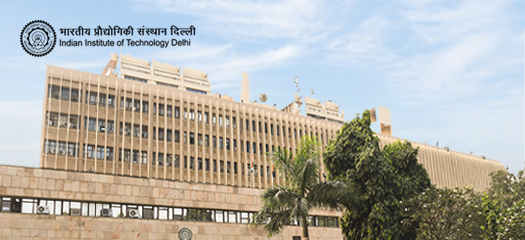
  • What is IIT Delhi’s Executive Programme in Autonomous Robotics & AI?
  • Programme Overview
  • Why This Programme Stands Out in the Robotics & AI Landscape

Artificial Intelligence is transforming the digital world, but robotics is taking that transformation into the physical world. Together, Autonomous Robotics and AI are redefining industries, reshaping businesses, and creating an entirely new generation of intelligent systems capable of making decisions, navigating environments, and interacting with humans without constant supervision. 

From self-driving vehicles and warehouse automation to industrial robotics, smart healthcare systems, defense technologies, and AI-powered drones, autonomous robotics is no longer a futuristic concept — it is becoming the foundation of next-generation innovation. 

As industries rapidly move toward intelligent automation, one challenge is becoming increasingly clear: There is a growing shortage of professionals who understand both AI and robotics integration at a system level.   

This is where the Executive Programme in Autonomous Robotics & AI by IIT Delhi stands out.  

Offered by the Continuing Education Programme (CEP) at IIT Delhi in collaboration with Jaro Education, this executive programme is designed to help working professionals and technology leaders build expertise in AI-driven robotics, autonomous systems, computer vision, reinforcement learning, robotics middleware, and intelligent automation. According to the programme details, the curriculum focuses on real-world deployment, system integration, and hands-on engineering applications rather than only theoretical concepts. 

But what makes this programme “future-proof” for technology professionals? Who should actually enroll? And how does it help leaders prepare for the next wave of AI transformation?

This detailed guide explores everything about IIT Delhi’s Autonomous Robotics & AI Programme 2026 — curriculum, learning outcomes, career impact, industry relevance, technologies covered, and why it could become one of India’s most valuable executive technology programmes.

The Rise of Autonomous Robotics in 2026

Automation is no longer limited to repetitive industrial tasks. 

Modern robotics systems are becoming: 

  • Intelligent
  • Adaptive
  • Autonomous
  • Data-driven
  • AI-powered

Today’s autonomous systems can: 

  • Understand environments
  • Detect obstacles
  • Learn behaviors
  • Make decisions
  • Collaborate with humans
  • Operate independently in dynamic environments

This transformation is happening across nearly every major industry. 

Manufacturing & Industry 4.0

Factories are increasingly deploying:

  • Smart robotic arms 
  • Collaborative robots (cobots)
  • AI-powered inspection systems
  • Autonomous mobile robots

Healthcare

Robotics applications now include:

  • Surgical robotics
  • Rehabilitation systems
  • Patient-assistance robots
  • Smart medical devices

Logistics & Warehousing

Companies are using:

  • Automated fulfillment robots
  • Drone-based delivery systems
  • AI-powered inventory automation

Defense & Aerospace

Autonomous surveillance systems and intelligent drones are becoming critical technologies. 

Smart Infrastructure

AI-enabled robotics is improving:

  • Traffic systems
  • Urban monitoring
  • Security management
  • Infrastructure maintenance

As the robotics ecosystem grows, organizations increasingly need leaders who understand both AI intelligence and robotic implementation.

Also Read:

What is IIT Delhi’s Executive Programme in Autonomous Robotics & AI?

The programme is a 10-month executive learning programme designed for working professionals and technical leaders interested in advanced robotics and intelligent automation.

Unlike generic AI certification programmes, IIT Delhi focuses on:

  • Autonomous robotics engineering
  • System-level AI integration
  • Robot perception
  • Edge intelligence
  • Motion planning
  • Human-robot interaction
  • Secure autonomous systems

The programme is offered through IIT Delhi’s Continuing Education Programme (CEP) and delivered in collaboration with Jaro Education. 

It combines:

  • Live online learning
  • Real-world case studies
  • Robotics simulations
  • Hands-on projects
  • Progressive capstone work
  • AI and robotics integration

This makes the programme highly relevant for professionals preparing for Industry 4.0 and next-generation automation leadership.

Free Courses

Online MBA Degree ProgrammeOnline MBA Degree Programme
SQL Essentials for Business Professionals
  • Duration Icon
    Duration : 15-18 Hours
  • Aplication Date Icon
    Application Closure Date :
Enquiry Now
Online MBA Degree ProgrammeOnline MBA Degree Programme
Python for Data Analysis
  • Duration Icon
    Duration : 11 - 15 Hours
  • Aplication Date Icon
    Application Closure Date :
Enquiry Now

Programme Overview

ParticularsDetails
Programme NameExecutive Programme in Autonomous Robotics & AI
InstitutionIIT Delhi (CEP)
Duration10 Months
Learning ModeLive Online Sessions
Session FrequencyOnce Weekly (Saturday or Sunday)
Start Date6 September 2026
Application Deadline31 July 2026

The flexible weekend format is specifically designed for working professionals and technology leaders.

Also Read:

Why This Programme Stands Out in the Robotics & AI Landscape

Technology leadership in 2026 is no longer about managing software alone.

Future-ready leaders need expertise in:

  • AI systems
  • Intelligent automation
  • Cyber-physical systems
  • Robotics integration
  • Machine perception
  • Edge computing
  • Autonomous decision-making

This programme helps professionals prepare for technologies that are expected to dominate the next decade.

Robotics & AI

1. AI + Robotics Integration

One of the biggest strengths of the programme is that it integrates:

Most courses teach these separately.

IIT Delhi focuses on how they work together in real autonomous systems.

2. Industry-Relevant Robotics Stack

Participants gain exposure to:

  • ROS2
  • OpenCV
  • Reinforcement Learning
  • SLAM
  • Sensor Fusion
  • Edge AI
  • Motion Planning

These technologies are already used in:

  • Robotics startups
  • Autonomous vehicle ecosystems
  • Manufacturing automation
  • AI labs
  • Defense robotics

3. Systems-Level Engineering

The programme emphasizes deployment-oriented engineering rather than isolated coding exercises.

Participants learn:

  • Hardware-software integration
  • Real-time robotics architecture
  • Robot communication frameworks
  • Secure autonomous systems
  • Multi-sensor intelligence

This systems-level thinking is crucial for senior technical roles.

4. Leadership Through Technical Understanding

Many senior professionals manage AI initiatives without understanding how autonomous systems actually function.

This programme bridges that gap by helping leaders understand:

  • Intelligent robotics pipelines
  • AI deployment challenges
  • Automation architecture
  • Robotics scalability
  • Real-world implementation constraints

Detailed Curriculum Breakdown

The curriculum is one of the strongest aspects of the programme.

It covers advanced robotics engineering and AI technologies that are highly relevant in 2026.

Module 1: Robotics Foundations & System Architecture 

  • Robotics ecosystem and introduction to cyber‑physical systems
  • System‑level architecture of robotic platforms
  • ROS2 fundamentals and programming (Python/C++)
  • Robot kinematics (forward and inverse), dynamics, and workspace analysis
  • Actuators, sensors, and mechatronic integration

Module 2: Sensor-rich perception systems 

  • Computer vision for robotics using OpenCV
  • Depth perception and multi‑view geometry
  • Sensor fusion using LiDAR, IMU, and cameras
  • State estimation using Kalman filters and particle filters
  • SLAM (Simultaneous Localization and Mapping)
  • Event‑based vision and neuromorphic sensing principles 

Module 3: Control Systems & Motion Planning 

  • Feedback control: PID, state‑space methods, and adaptive control
  • Trajectory generation and path optimization
  • Motion planning for mobile and articulated robots
  • Model Predictive Control (MPC) for autonomous navigation
  • Human–robot interaction and collaborative robotics 

Module 4: Robot Operating System 2 (ROS2) & System Inegration 

  • ROS2 architecture, middleware, and communication models
  • Building perception stacks in ROS2
  • Navigation, localization, and planning frameworks
  • Manipulation pipelines and control integration
  • Simulation, testing, and validation using modern robotics simulators 

Module 5: AI & Intelligence Integration 

  • Deep learning for robotics: CNNs, RNNs, and Transformers
  • Reinforcement learning: DQN, PPO, and Actor–Critic methods
  • Imitation learning and transfer learning for robotics
  • Vision–language models for robotic manipulation and task planning

Module 6: Hardware Security & Resilient Architectures

  • Hardware security fundamentals for cyber‑physical systems
  • Security vulnerabilities in robotic and autonomous systems
  • Secure boot, trusted execution, and encrypted communication
  • Resilient system design for fault tolerance and safety‑critical operation
  • Case studies from real‑world robotic deployments

Module 7: Deployment & Industry Applications 

1. End‑to‑end autonomous system design and deployment pipeline

 2. Transition from simulation to real‑world deployment

 3. Energy harvesting and power‑aware robotic systems

 4. Multi‑robot coordination and swarm robotics

 5. Domain‑specific applications:

  • Healthcare robotics and biomedical wearables
  • Defense and surveillance systems
  • Industrial automation and collaborative robots
  • Agricultural and space robotics
  • Indigenous technology development and deployment roadmap

Capstone Project 

Campus Immersion Module (Optional things that can be covered)

Day 1:  Hardware Integration Workshop – Industry Interaction & Valedictory

What Participants Will Actually Build

The programme goes beyond theory and includes practical project-based learning.

Participants may work on systems such as:

Autonomous Navigation Robots

Robots capable of:

  • Mapping environments
  • Detecting obstacles
  • Navigating dynamically
  • Localizing in real time

Computer Vision-Based Systems

Projects involving:

  • Object recognition
  • Visual tracking
  • AI inspection systems
  • Smart surveillance

Reinforcement Learning Robotics

AI systems that:

  • Learn from interactions
  • Optimize actions dynamically
  • Adapt to changing environments

Sensor Fusion Architectures

Integrating:

  • Cameras
  • LiDAR
  • IMUs
  • Environmental sensors

for reliable robotic intelligence.

Multi-Agent Robotics Systems

Participants may also explore:

  • Swarm robotics
  • Collaborative robotics
  • Multi-robot communication systems

This practical approach helps participants develop deployment-oriented engineering skills.

Who Should Apply?

The programme is ideal for professionals preparing for the next generation of intelligent automation and robotics leadership.

Software Engineers

Professionals transitioning toward robotics and AI systems.

AI/ML Engineers

Engineers wanting to apply machine learning in robotics environments.

Robotics Engineers

Professionals seeking advanced autonomous systems expertise.

Embedded Systems Engineers

Those interested in edge AI and intelligent automation.

Mechanical & Mechatronics Engineers

Professionals exploring robotics integration and smart manufacturing.

Technology Leaders & Product Managers

Decision-makers involved in Industry 4.0, AI deployment, and automation transformation.

Eligibility Criteria

Applicants typically require:

  • BE/B.Tech
  • M.Tech
  • MCA
  • MSc

in relevant technical fields such as:

  • Computer Science
  • Electronics
  • Mechanical Engineering
  • Electrical Engineering
  • Instrumentation
  • Mechatronics
  • Physics

Additionally:

  • Minimum 1 year of professional experience is preferred.

Tools & Technologies Covered

Participants gain exposure to:

  • Python
  • ROS2
  • OpenCV
  • Deep Learning Frameworks
  • Reinforcement Learning Models
  • Sensor Fusion Systems
  • SLAM Algorithms
  • Edge AI Architectures

These technologies are directly aligned with industry hiring requirements in robotics and AI.

Assessment & Learning Methodology

Unlike many online AI programmes that focus only on quizzes, IIT Delhi emphasizes:

  • Capstone projects
  • Technical implementation
  • Simulation-based learning
  • GitHub documentation
  • Engineering reports
  • Demonstration-based evaluation

This improves practical learning outcomes significantly.

Programme Fees

Application Fee

INR 1,000 + GST

Programme Fee

INR 1,60,000 + GST 

Installment options are available.

Considering the IIT Delhi brand, advanced curriculum, and industry relevance, the pricing is competitive compared to global executive robotics programmes.

Career Opportunities After Completion

Professionals completing the programme may pursue roles such as:

  • Autonomous Systems Engineer
  • Robotics Engineer
  • AI Robotics Specialist
  • Computer Vision Engineer
  • Robotics Software Engineer
  • Automation Architect
  • Edge AI Engineer
  • Robotics Research Associate

Industries hiring such talent include:

  • Manufacturing
  • Automotive
  • Aerospace
  • Logistics
  • Healthcare
  • Smart Infrastructure
  • Defense
  • Semiconductor Systems

Key Strengths of the Programme

1. IIT Delhi Brand Value

IIT Delhi remains one of India’s most prestigious engineering institutions.

2. Advanced Curriculum

The programme covers highly relevant robotics and AI technologies.

Industry-Oriented Learning

The focus is on deployable autonomous systems.

Future-Focused Technologies

ROS2, SLAM, reinforcement learning, and edge AI are critical future technologies.

Hands-On Learning

Project-based learning strengthens practical implementation skills.

Important Considerations Before Applying

While the programme is highly valuable, professionals should understand that:

  • The curriculum is technically intensive
  • Coding and mathematics are important
  • Robotics projects require commitment
  • Practical experimentation is essential

This is not a beginner-level AI certification programme.

It is designed for serious professionals interested in future-facing autonomous systems engineering.

Final Verdict

The IIT Delhi Autonomous Robotics & AI Programme 2026 stands out as one of India’s most advanced executive programmes for professionals preparing for the future of intelligent automation. 

Its biggest strengths include:

  • IIT Delhi credibility
  • AI + robotics integration
  • Systems-level engineering
  • Industry-focused curriculum
  • Practical implementation learning
  • Exposure to future-ready technologies

As industries increasingly move toward autonomous systems, robotics intelligence, and AI-driven infrastructure, professionals who understand both software intelligence and robotic deployment will become exceptionally valuable. 

For technology leaders, engineers, AI professionals, and innovation managers, this programme offers more than just certification — it provides long-term future-proofing in one of the world’s fastest-growing technology domains.

Frequently Asked Questions

Yes, the programme is highly valuable for professionals interested in robotics, AI, automation, and Industry 4.0 technologies. Its IIT Delhi certification and advanced hands-on curriculum make it a strong career-enhancement programme.

The programme covers ROS2, OpenCV, SLAM, reinforcement learning, computer vision, sensor fusion, edge AI, motion planning, and autonomous robotics systems.

The programme is ideal for software engineers, robotics engineers, AI/ML professionals, embedded systems engineers, mechatronics engineers, and technology leaders working in automation or intelligent systems.

Yes, the curriculum includes project-based learning involving autonomous navigation, computer vision systems, sensor fusion, reinforcement learning, and intelligent robotics deployment.

Professionals can explore roles such as Robotics Engineer, Autonomous Systems Engineer, AI Robotics Specialist, Computer Vision Engineer, Automation Architect, and Edge AI Engineer across industries like manufacturing, automotive, aerospace, healthcare, and logistics.
Manya Tohani

Manya Tohani

Personal Growth Mentor
Manya Tohani is a Personal Growth Mentor and content strategist, helping individuals build strong personal brands and accelerate career growth. With 8M+ impressions and experience mentoring students, she empowers others through actionable guidance, resilience, and real-world insights.

Get Free Upskilling Guidance

Fill in the details for a free consultation

*By clicking "Submit Inquiry", you authorize Jaro Education to call/email/SMS/WhatsApp you for your query.

Find a Program made just for YOU

We'll help you find the right fit for your solution. Let's get you connected with the perfect solution.

Confused which course is best for you?

Is Your Upskilling Effort worth it?

LeftAnchor ROI CalculatorRightAnchor
Confused which course is best for you?
Are Your Skills Meeting Job Demands?
LeftAnchor Try our Skill Gap toolRightAnchor
Confused which course is best for you?
Experience Lifelong Learning and Connect with Like-minded Professionals
LeftAnchor Explore Jaro ConnectRightAnchor
EllispeLeftEllispeRight
whatsapp Jaro Education