9 Online Training Platforms Worth Exploring in 2026
Online Learning vs Traditional Education: What’s Actually Changing?
ROI of Online Certifications: Are They Actually Worth It?
How to Choose the Best Online Training Platform
Learning is no longer what it used to be: Degrees aren’t the only ticket to progress anymore and skills cannot afford to wait for a three-year plan to materialize. If you’re an individual who wants to upskill, reskill, or simply move with the times, you should know that online training platforms have emerged as the strongest enablers of all.
The question, however, that one needs to ask is, with so many websites claiming to be the best, how does one find a site that is actually making a difference? The answer, of course, lies in breaking it down, practically, honestly, and without any of the associated hype.
9 Online Training Platforms Worth Exploring in 2026
The world of online training websites is a crowded one, to say the least, with some websites focusing on cost, some on flexibility, and some on prestige, while a handful of them, a tiny handful, focus on industry relevance and career outcomes.
Here are nine websites that are making a noise in 2026:
1. Jaro Education
If you’re not just “learning for fun” but learning for impact, like promotions, role shifts, and leadership transitions, this is where things get interesting.
Among online learning platforms in India, Jaro Education has carved a niche that feels distinctly career-focused. It doesn’t overwhelm you with random short courses. Instead, it builds structured pathways in collaboration with reputed universities and institutions.
Many online training platforms stop at content delivery. Jaro goes further; it connects you to academic credibility and real-world application.
And if you’re wondering, “Will this actually help my career?” that’s precisely the conversation their model is built around. Especially for working professionals who don’t have time for trial-and-error learning.
If you’re serious about structured upskilling, management, analytics, tech, and leadership, Jaro stands tall among the best online training platforms for professionals in India right now.
2. Simplilearn
Simplilearn is known for short-term certifications in tech and digital domains.
It’s good for:
Digital marketing
Cloud computing
Project management
Cybersecurity
It works well if your goal is skill acquisition and quick certification boosts. However, it leans heavily toward exam-focused formats. For learners seeking deeper academic collaboration, it may feel transactional.
Still, it remains a popular name among online training platforms for tech learners.
3. Great Learning
Great Learning has built credibility in data science and AI programs. They collaborate with institutions for PG programs and executive certifications.
Strong points:
Career support
Mentorship sessions
Tech-centric curriculum
But here’s the catch, most programs are niche to analytics and AI. If you’re exploring broader management or cross-functional growth, you might need a more diverse platform.
4. NIIT Digital
NIIT has long been associated with technical training in India. Their digital transformation into online formats has made them accessible nationwide.
They are particularly useful for:
IT skill upgrades
Corporate workforce training
Foundational tech programs
Among online learning platforms for students, NIIT works well for those entering the IT workforce. However, for executive-level structured programs, other platforms may offer stronger academic integration.
5. UpGrad
UpGrad markets heavily and for good reason. It collaborates with universities for management and tech programs.
What works:
Wide program variety
EMI options
Career transition support
However, some learners feel overwhelmed by scale. When platforms grow fast, personalization can take a hit. It’s still one of the more visible top online learning platforms, but experience varies based on program.
6. Skillshare
If your goal is exploration rather than career acceleration, Skillshare fits.
Perfect for:
Design
Photography
Writing
Illustration
It’s one of those free online learning platforms (with trial access) that encourage experimentation. However, it doesn’t focus on degrees, structured executive programs, or long-term career pathways.
Think of it as a visionary gym for your creative side.
7. Alison
Alison appeals to learners looking for affordability. It offers diploma and certificate programs across business, IT, and language skills.
Among free online learning platforms, it’s functional. But certifications here may not carry the same recognition as university-collaborated executive programs.
Good starting point. Not necessarily a premium career leap.
8. Eduonix
Eduonix delivers practical courses in coding, app development, and digital tools. It’s budget-friendly and often bundled.
Great for:
Beginners exploring tech
Self-paced learners
Cost-sensitive learners
But it lacks structured mentorship or career services, something professionals often see as a must when choosing any online training platforms.
9. Testbook Skill Academy
Primarily known for competitive exam prep, Testbook has expanded into skill training.
Strong in:
Government exam prep
Entry-level skill development
Among online learning platforms for students, it’s helpful if your path is exam-focused. But for corporate or leadership growth, you’ll need something more strategic.
Online Learning vs Traditional Education: What’s Actually Changing?
For decades, education has been a straightforward process: go to class, finish a semester, and then graduate. After that, enter the world. Simple. Straightforward. Organized.
But take a look around in 2026.
A career is no longer linear. Industries change faster than a school semester. New jobs are created before a textbook can be revised. And here we see the line between traditional education and online training platforms. It’s not a battle. It’s a shift.
There is depth to traditional education. There is exposure to peers and academics. But online platforms offer speed and relevance. This shift is not about replacing traditional education. It’s about changing the way education integrates into a modern career.
*eduww.net
Let’s take a look at what’s actually changing.
1. Speed vs Structure
Traditional institutions have a set calendar, semesters, credit points, academic years, etc. This structure, while imparting discipline, also means a lack of flexibility. Online learning platforms, however, have a different model. They launch new courses based on the needs of the industries. Want an AI certification or Blockchain certification? Emerging leadership courses? No problem.
If you’re looking for speed, online learning platforms are the way to go. If you’re a traditionalist who needs the structure of academic progress, then traditional institutions are where you need to be.
2. Curriculum Relevance
Syllabi change very slowly, sometimes even taking years for a change. Meanwhile, the industry changes every quarter. Many of the best online training platforms have direct involvement from industry experts.
Case studies are current, assignments are relevant, and tools are taught based on current market usage, not usage five years ago. This, by itself, is a huge change.
3. Accessibility & Flexibility
Traditional education requires a student to be present, a big ask for professionals. This is where online training platforms have really changed the game.
No more having to quit your job, attend classes, and balance everything else. Flexibility has become a necessity, not a desirable attribute.
4. Networking Models Are Evolving
Campus life was once the main topic of networking. Today, it’s the executive programs offered by the best online learning platforms. These programs provide cohorts of working professionals.
Your classmate might be a product manager in Bangalore or a consultant in Dubai. This network is geographically diverse and strategically strong. This is very different from the bonding of campus days. This might be even stronger.
5. Cost and ROI Transparency
Traditionally, pursuing a degree comes with a huge cost. With online learning, the costs differ. From free online learning platforms to executive certifications. What differs here is the clarity of ROI.
Students today look for programs with better career outcomes rather than brand reputation.
6. Credential Stacking Instead of One Big Degree
Traditionally, your degree defined your personality. Today, professionals have a stack of credentials. Your bachelor’s degree. Then a certification in data analytics. Then an executive certification in leadership from one of the better online learning platforms for students and professionals.
Learning today is no longer linear; it’s even more strategic.
7. The Hybrid Future
Here’s the real shift; it’s not either/or anymore.
Forward-thinking learners combine traditional education with structured online certifications. Universities are integrating digital components. Online platforms are collaborating with reputed institutions.
The lines are blurring. What’s changing isn’t education itself. It’s how, when, and why we learn.
ROI of Online Certifications: Are They Actually Worth It?
Let’s address the question most people hesitate to ask out loud: Is this certification going to pay off?
Because no one invests in online training platforms just for the joy of collecting PDFs.
Return on investment in online certifications isn’t always immediate, but it is measurable. The key is understanding what kind of return you’re expecting.
1. Financial ROI
In some cases, certifications directly impact salary. A structured program aligned with high-demand skills, like analytics, AI, product management, and digital strategy, can strengthen your case during appraisals or job switches. But not every certificate guarantees a salary jump. The ones that do usually come from credible, industry-aligned platforms.
2. Career Mobility
Sometimes the return isn’t a raise; it’s access. Access to interviews. Access to new roles. Access to leadership conversations. Many professionals use programs from the best online training platforms to pivot industries or step into managerial roles.
3. Credibility & Positioning
A well-recognized certification signals commitment. It tells employers you’re proactive. Especially when earned through structured online learning platforms in India with institutional partnerships, the credibility factor increases.
4. Skill Depth vs Surface Learning
Here’s where many learners go wrong. They choose short, inexpensive courses expecting long-term impact. Surface learning rarely creates transformative ROI. Depth does.
5. Network Value
Underestimated but powerful peer groups, alumni communities, and mentorship circles. Some top online learning platforms create ecosystems that open doors long after the course ends.
The real ROI question isn’t “Is this certificate expensive?” It’s “Will this strategically move me closer to my 3-year goal?” When chosen wisely, online certifications are not expenses. They’re leverage.
Before you commit to any of the countless online training platforms, pause. Not for long. Just long enough to think clearly.
*heightsplatform.com
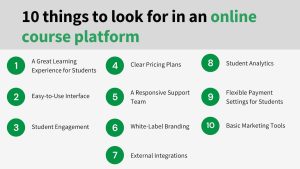
Run through this quick self-check:
Does this program align with the role I want next and not just the role I have now?
Is the certification recognized or backed by credible institutions?
Is the curriculum updated for current industry demands?
Are there live sessions, mentorship, or networking opportunities?
Can I realistically dedicate time each week without burning out?
What do alumni outcomes look like?
If you’re exploring online learning platforms for students, affordability and foundational strength might matter more.
If you’re a working professional comparing top online learning platforms, career support and credibility should weigh heavier.
Most enrollment mistakes happen due to urgency. Most smart decisions happen due to clarity. The platform doesn’t define success. Your alignment with it does.
Free Courses
Stakeholder Communication & Negotiation Skill Sets
The rise of online training platforms isn’t a trend; it’s a structural shift in how careers evolve. Whether you’re exploring online learning platforms for students or evaluating executive-level programs, the key lies in intentional choice. The platform you select should amplify your ambition, not dilute it. In 2026, access to learning is easy. Strategic learning is rare. Choose a platform that aligns with where you want to be, not just where you are today.
Frequently Asked Questions
They are digital ecosystems offering structured courses, certifications, or degree programs across industries.
It depends on your goal. Some focus on certifications, others on university-backed executive programs.
They’re useful for foundational exposure but may lack depth, mentorship, and industry recognition.
Check institutional partnerships, alumni outcomes, and industry collaborations.
Yes, especially when backed by reputed institutions or aligned with in-demand skills.
Platforms offering flexible schedules, mentorship, and career support are ideal.
Shubham Lal
Lead Software Developer
Shubham Lal joined Microsoft in 2017 and brings 8 years of experience across Windows, Office 365, and Teams. He has mentored 5,000+ students, supported 15+ ed-techs, delivered 60+ keynotes including TEDx, and founded AI Linc, transforming learning in colleges and companies.

 April 28, 2026
 8 min read




 ChatGPT
 Perplexity
 Claude
 Grok
Grok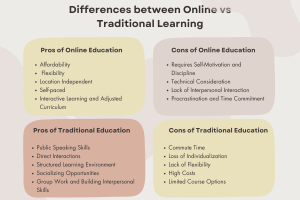





 Admission Open
 Admission Closed
 Admission Open
 Admission Open
 ROI Calculator