Today, communication has evolved far beyond simply exchanging information. It has become a key factor in how people collaborate, build stronger professional relationships, and ensure that companies run smoothly. Whether it is a small business owner pitching to investors or a team leader assigning tasks to team members, both rely on communication, as it determines how efficiently strategies are executed.
One of the main reasons strong business communication is important in global markets is that it helps organisations stay aligned, build trust with stakeholders, and respond quickly to challenges. Through effective and targeted communication, teams gain a clear understanding of their objectives.
As a result, customers receive the right messages, and leaders obtain the information they need to make informed decisions. Whether they are entrepreneurs, professionals, or business leaders, developing effective communication skills is more than just a soft skill; it is a significant competitive advantage. This blog explores the meaning of business communication, its types, and why it has become a key success factor for businesses today.
Business communication refers to the structured exchange of information, ideas, strategies, and feedback within and outside an organisation. Its primary purpose is to support decision-making, coordinate activities, and ensure that business objectives are achieved efficiently.
This type of communication can take place in writing form, verbal discussion, presentations, reports, visual data sharing, and digital communication. No matter the mode of communication, the key elements of good business communication are clearness, courtesy, and pertinence.
Within an organisation, communication helps departments collaborate and ensures employees understand their roles and responsibilities. It may be a sharing of project, launch spreads, group meetings, internal communications, or a manager, employee one-on-one conversational engagement for giving and receiving feedback.
On the other hand, business communication aims to build public relations with customers, suppliers, stakeholders, partners, and other brand ambassadors. Business marketing, tender presentations, investor reporting, and print releases to the media are all external communication channels.
Key Elements of Effective Business Communication
Strong communication does not happen by itself. It is a result of deliberate planning and action. Several elements contribute to effective communication within organisations.
Clarity and Precision
The most effective communications deliver their message without confusing or misleading the audience. It ensures the audience receives the message as intended, without confusion or misinterpretation.
Professionals should avoid jargon where possible and focus on delivering concise and well-structured information.
Consistency
Organisational communication should be in line with an organisation’s values, goals, and policies. Consistency ensures that employees, clients, and stakeholders receive the same message across channels. Keeping the messages consistent over time helps to establish the organisation’s trustworthiness and further its reputation.
Engagement and Feedback
Communication is not a one-way process. Encouraging dialogue, listening to feedback, and promoting open discussions help create a collaborative work culture.
Employees who feel heard and valued are more likely to contribute ideas and stay engaged in their roles.
Choosing the Right Communication Channel
Different situations require different communication methods. A quick update may be shared through email or messaging platforms, while complex discussions may require meetings or presentations.
Selecting the appropriate medium ensures that information is delivered efficiently and reaches the intended audience effectively.
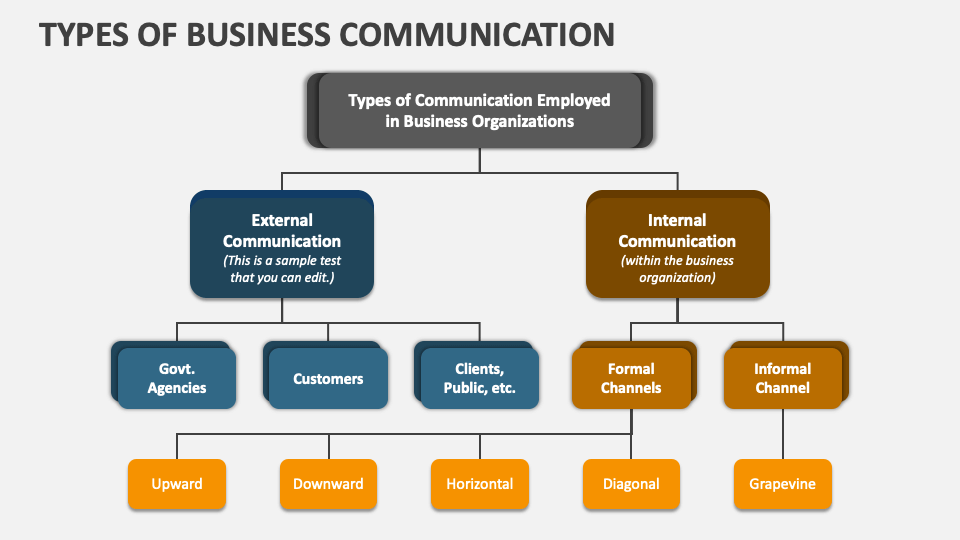
Business communications are typically categorised by how they take place and where they take place; therefore, understanding the forms of business communication is important to creating efficient processes for organisations.
Internal Communication
Internal Business Communication can be defined as the type of communication that occurs only within the organisation between employees, teams, departments or other parts of the organisation. The most successful businesses utilise internal communications to keep their employees in alignment with the organisation’s goals and encourage cooperation between departments, which will contribute to creating a healthy and productive workplace culture.
When you use transparent and regular internal communication with employees, they build a stronger connection to the organisation and its vision and are thus more capable of supporting the success of the organisation.
Examples of internal communication include:
Team meetings
Performance reviews
Internal newsletters
Meetings regarding project coordination
Training and updates.
External Communication
External communication involves interactions between the organisation and external stakeholders such as customers, suppliers, partners, investors, and the general public. It plays an important role in stakeholder management, strengthens brand reputation, and helps organisations build long-term relationships with stakeholders.
Companies that communicate transparently and professionally with clients are more likely to earn trust, improve customer loyalty, and enhance their market presence.
This type of communication includes activities such as:
Client presentations
Marketing campaigns
Investor relations
Public relations announcements
Supplier negotiations
Formal Communication
Formal communication follows predefined channels and official processes. It often includes written documentation and structured interactions. Formal communication is essential for maintaining professionalism and accountability in business operations.
Examples include:
Official reports
Business proposals
Company policies
Contracts and agreements
Corporate announcements
Informal Communication
Informal communication occurs naturally between employees and colleagues. It includes casual discussions, spontaneous conversations, and non-structured interactions. While informal communication may appear less structured, it plays an important role in building relationships and strengthening workplace culture.
Examples include:
Workplace conversations
Informal brainstorming sessions
Friendly discussions among colleagues
Digital Communication Channels
Technology has significantly transformed how organisations communicate. With the rise of remote and hybrid work environments, digital communication has become essential. These digital channels enable organisations to communicate across geographical boundaries, making it easier for global teams to collaborate and share information in real time.
When used effectively, digital communication tools improve efficiency, enable faster decision-making, and support innovation within organisations.
Effective communication is a key factor in how a company operates and grows. It influences how teams work, make decisions productively, and interact with stakeholders. But what is the importance of business communication? Well, here’s the answer.
Enhances Team Collaboration
Effective communication enables teams to collaborate more productively by ensuring the entire team has a clear understanding of each other’s roles and responsibilities.
On one hand, clear instructions and setting expectations help employees coordinate not only their own tasks but also the ones they need to work on together. As a consequence, collaboration between departments matures, and the number of workplace misunderstandings decreases. Moreover, open communication builds knowledge sharing, making problem-solving more dynamic and responsive.
Strengthens Client and Stakeholder Relationships
Trust is the foundation of successful business relationships. Transparent and consistent communication helps organisations build credibility with clients, partners, and investors.
When businesses communicate effectively, stakeholders feel confident in the organisation’s capabilities and intentions. This trust often leads to long-term partnerships, repeat business opportunities, and stronger professional networks.
Clear communication also helps manage expectations and ensures that all parties remain aligned with project goals and timelines.
Improves Leadership and Decision-Making
Strong communication skills are essential for effective leadership. Leaders must clearly communicate strategies, provide guidance to teams, and share important organisational updates.
When leaders communicate effectively, employees gain a better understanding of company goals and are more motivated to contribute to achieving them.
Communication also supports data-driven decision-making. When accurate information flows smoothly across departments, leaders can make informed decisions quickly and confidently.
Increases Productivity and Efficiency
Efficient communication is a fundamental skill when it comes to leadership. Leaders are required to convey their strategies effectively, lead the teams by example, and inform them about the major changes in the organisation.
When leaders are clear with their instructions, guidelines, suggestion, it becomes easier for employees to gain a better understanding of company goals and get motivated to contribute to achieving them.
Communication is a powerful tool in decision-making based on data. When departments have an accurate flow of information, leaders get the chance to make decisions confidently and without tardiness.
Minimises Miscommunication and Errors
Poor communication can lead to misunderstandings, mistakes, and delays. In many cases, unclear instructions or incomplete information can cause significant operational challenges.
By prioritising clear and structured communication, organisations reduce the likelihood of costly errors and ensure that employees remain aligned with business objectives.
Clear messaging helps teams stay focused on priorities and ensures that everyone is working toward the same goals.
Supports Organisational Change and Crisis Management
Change is inevitable in the business world. The importance of business communication is that it helps organisations to transform, such as through digital adoption, restructuring, or expansion into new markets.
Communication is key to a successful change. It keeps employees and stakeholders calm and confident.
By being open and honest about changes, an organisation can help everyone to understand what is going on, why it is happening, and what to expect.
Similarly, during crises or unexpected disruptions, timely communication helps organisations respond effectively and maintain trust among stakeholders.
Boosts Employee Engagement and Retention
Employees are more likely to remain committed to organisations where communication is open, transparent, and supportive.
When employees feel informed about company developments and have opportunities to share their ideas, they develop a stronger sense of belonging.
Effective communication also contributes to a positive workplace culture, which improves employee satisfaction and reduces turnover rates.
Organisations that prioritise communication often experience higher employee engagement and stronger team morale.
Want to know how interpersonal communication strengthens leadership and workplace relationships? This blog on Interpersonal Communication in Management is worth a read.
How Professional Courses Can Improve Business Communication Skills
Today’s corporate world requires professionals to take a proactive rather than reactive approach to learn and develop their ability to communicate effectively. Thus, professionals are investing time and money into structured educational programmes designed to enhance their communication skills.
In addition to the educational programme above, Jaro Education has other programmes available for professionals looking to improve their management and communication skills, such as:
The Essential Leadership Qualities of Effective Managers
The Benefits to Professionals of Continuing Executive Education
By taking part in these programmes and reading the accompanying material, professionals can develop their communication and decision-making capabilities and display stronger leadership characteristics within fast-paced work environments.
Free Courses
Stakeholder Communication & Negotiation Skill Sets
As technology advances rapidly and market competition strengthens, business communication is one of the most important skills both organisations and professionals need. Good communication is the key to the successful implementation of a strategy. It encourages leaders to get their teams working together, build working relationships with stakeholders, and make the organisation capable of dealing with change. Communication determines the success of the entire business cycle: from teamwork within the company to dealing with external stakeholders.
Those companies that adopt a policy of clear, well-structured communication are able to form united groups, help clients trust them, and grow sustainably. Strong communication skills are essential for professional development. Real-life experience and formal education, such as the executive education programs offered by Jaro Education, are a powerful combination that enables people to transform their potential into actualleadership skills.
So, by building strong communication corporate practices, organisations will be prepared to capitalise on changes and to develop profitably within the global environment to which they are becoming increasingly interconnected.
Frequently Asked Questions
The main types of business communication include internal communication, external communication, formal communication, informal communication, and digital communication channels such as emails, video conferencing, and collaboration platforms.
Business communication is important because it improves teamwork, strengthens client relationships, enhances decision-making, increases productivity, and reduces misunderstandings within organisations.
Key business communication skills include clarity, active listening, emotional intelligence, presentation skills, professional writing, and the ability to choose the appropriate communication channel.
Professionals can improve communication skills by practising structured communication, seeking feedback, participating in leadership training programs, and enrolling in executive education courses focused on management and communication.
Priya Sahu
Sales & Digital Marketing Strategist
Sales and Marketing professional with 6+ years of experience in B2B and B2C growth, specializing in business development and digital marketing. Skilled in CRM systems, paid campaigns, and AI-driven strategies to drive revenue, optimize performance, and build lasting client relationships.
Get Free Upskilling Guidance
Fill in the details for a free consultation
Find a Program made just for YOU
We'll help you find the right fit for your solution. Let's get you connected with the perfect solution.

 April 24, 2026
 8 min read





 ChatGPT
 Perplexity
 Claude
 Grok
Grok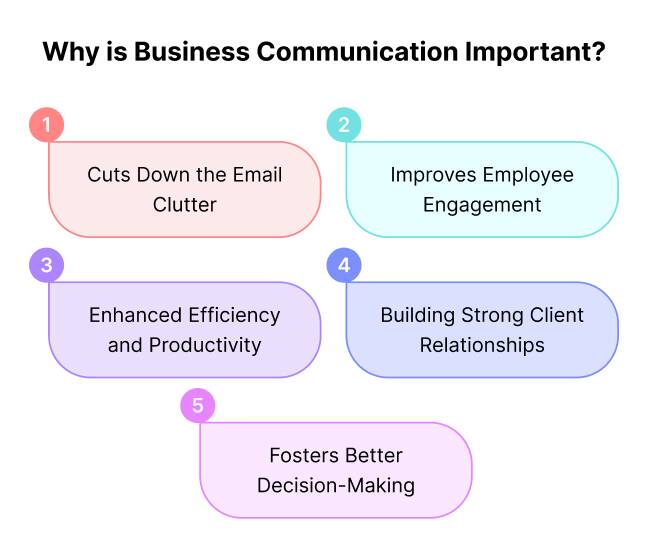






 ROI Calculator