An MBA in Strategic Management focuses on long-term business planning, competitive advantage, leadership, and strategic decision-making.
Eligibility requirements generally include a bachelor’s degree, while entrance exams and work experience requirements vary by institute and programme format.
Programme fees depend on the institute, study mode, and duration. Students should also consider additional costs, scholarships, instalment plans, and overall learning value.
Strategic management courses cover subjects such as corporate strategy, competitive advantage, mergers and acquisitions, business analytics, risk management, and strategic leadership.
Career opportunities include management consultant, strategy manager, business development manager, corporate planning manager, business analyst, and entrepreneur.
In this blog, you'll learn about MBA in Strategic Management eligibility, fees, subjects, skills, career opportunities, salary factors, and who should pursue the programme.
Every successful organization has one thing in common: a clear direction. Behind that direction are leaders who can read the market, understand competitors, and make decisions that keep a business growing for years, not just months. If you want to become that kind of professional, an MBA in Strategic Managementcan be a strong step forward.
This blog explains what the program covers, who can apply, what it may cost, which subjects you will study, and the career paths it opens. Read on to see whether it fits your goals.
An MBA in Strategic Management is a postgraduate management program that trains you to plan, shape, and execute long-term business strategy. While a general MBA gives you a broad view of finance,marketing, operations, and human resources, this specialization goes one level higher. It teaches you how all these functions work together to help an organization compete and grow.
In simple terms, a strategic management MBA focuses on questions such as:
Where should a company compete, and where should it not?
How can it build an advantage that competitors cannot copy easily?
When should it expand, merge, partner, or exit a market?
How can leaders turn a plan into real results?
Students learn through case studies, simulations, group projects, and live business problems, so the theory is always tied to practice.
Businesses today face fast-changing technology, global competition, and shifting customer expectations. Because of this, companies value people who can think beyond day-to-day tasks and see the bigger picture. Here are a few reasons why a strategic management MBA is worth considering:
High demand for strategic thinkers: Organizations in every sector need professionals who can guide decisions at the top level.
Leadership-focused learning: The program prepares you for roles where you influence direction, not just follow it.
Flexibility across industries: Strategy skills apply equally well in technology, banking, healthcare, manufacturing, consulting, and start-ups.
Faster career growth: Strong analytical and decision-making ability often helps professionals move into senior roles sooner.
Useful for entrepreneurs too: If you plan to run your own venture, strategy training helps you build a business model that lasts.
Eligibility criteria can vary slightly from one institute to another, but most programs follow a similar pattern. Here are the common requirements:
Educational qualification: A bachelor’s degree in any discipline from a recognized university, usually with a minimum of 50% marks (45% for reserved categories in many institutes).
Entrance exams: Many full-time programs ask for scores in CAT, XAT, GMAT, MAT, or CMAT. Some executive and online programsadmit candidates based on academic record and work experience instead.
Work experience: Full-time MBA programs may accept freshers, but executive and working-professional programs often prefer two or more years of experience.
Selection process: This may include a written test, group discussion, and personal interview, or a profile-based evaluation.
Since requirements differ, it is always wise to check the official admission page of the institute before you apply.
MBA in Strategic Management Fees
The fee for an MBA in strategic management depends on the type of institute, the mode of study, and the program duration. As a rough guide:
Government and top public institutes: Usually lower in cost, but admission is highly competitive.
Private universities and B-schools: Fees can range from a few lakhs to over twenty lakhs for the full program.
Executive and online programs: These are often priced between mid-range and premium levels, depending on the institute brand and the learning experience offered.
Besides tuition, remember to consider other costs such as study material, campus immersion visits, and examination fees. Many institutes offer installment plans, education loans, and scholarships. When you compare options, look at the overall value: faculty quality, alumni network, placement support, and learning flexibility, and not only the fee.
Strategic Management Courses and Subjects
The curriculum usually begins with core management subjects in the first year and moves to specialized strategic management courses later. While the exact syllabus differs by institute, you can expect topics like these:
Most programs also include a capstone project or live consulting assignment. Here, you work on a real business challenge, build a strategy, and present your recommendations, which gives you practical experience to talk about in interviews.
Skills You Build in an MBA in Business Strategy
An MBA in business strategy is not only about theory. It builds a set of skills that employers look for in senior roles:
Analytical thinking: Reading data, market trends, and financial reports to find insights.
Problem solving: Breaking complex business problems into clear, workable steps.
Decision-making: Choosing between options when information is limited and risks are high.
Leadership and communication: Guiding teams and presenting ideas clearly to senior stakeholders.
Adaptability: Responding quickly when markets, technology, or customer needs change.
Commercial awareness: Understanding how every department contributes to profit and growth.
These skills stay useful throughout your career, whichever industry or role you choose.
Career Scope After MBA in Strategic Management
Graduates of this program can work in many sectors, since every organization needs strategic direction. Some popular career options include:
Management Consultant: Advising companies on growth, cost, operations, and transformation.
Strategy Manager: Working inside a company to plan long-term goals and track progress.
Business Development Manager: Finding new markets, partnerships, and revenue opportunities.
Corporate Planning Manager: Aligning budgets, resources, and targets with the company’s vision.
Product or Portfolio Manager: Deciding which products or services deserve investment.
Business Analyst: Studying data to guide strategic choices.
Chief of Staff or Operations Head: Supporting senior leaders and driving execution.
Entrepreneur or Start-up Founder: Building and scaling a venture with a sound strategy.
Industries that hire strategy professionals include consulting, IT and technology, banking and financial services, e-commerce,healthcare, manufacturing, FMCG, and telecom.
Salary depends on your experience, the institute you study from, and the sector you join. Freshers may start in the mid-range of management salaries, while experienced professionals often move into senior packages within a few years, especially in consulting and leadership roles. The real advantage, however, is long-term growth: strategy roles often lead directly to director and CXO positions.
Take the Next Step in Your Strategy Career
If you are ready to build the skills needed to lead, plan, and grow organizations, the right program can make all the difference. Jaro Education offers guidance for the MBA (BPGP) program in association with IIM Mumbai, designed for ambitious professionals who want to strengthen their strategic thinking, learn from experienced faculty, and gain a respected credential while continuing their careers. With flexible learning and a strong focus on practical business skills, it is a smart way to move toward senior leadership roles.
Working professionals who want to move from execution to leadership.
Managers who wish to switch to consulting or corporate strategy roles.
Entrepreneurs and family business owners who want to plan growth with confidence.
Graduates who enjoy analyzing markets, solving problems, and thinking about the big picture.
If you like asking “why” and “what next in business, this program will probably feel like a natural fit.
Conclusion
An MBA in Strategic Management prepares you to look beyond daily tasks and guide an organization toward long-term success. The program builds sharp analytical thinking, confident decision-making, and leadership skills that employers value across industries. From consulting and corporate planning to entrepreneurship, the career paths are varied and rewarding. Before you apply, review the eligibility criteria, compare fees and curriculum, and choose an institute with strong faculty and alumni support. If you enjoy solving complex business problems and want to move into senior roles, this specialization can be a valuable investment in your future. With the right program and steady effort, strategic thinking can become your biggest career advantage.
Frequently Asked Questions
Yes, for most people who want leadership or consulting careers. As businesses deal with AI, global competition, and rapid change, the need for strategic decision-makers continues to grow. The value you get depends on the institute, the curriculum, and how well you apply what you learn.
Yes. Many institutes now offer executive, part-time, and online formats designed for working professionals. These programs usually have weekend or evening classes and let you apply lessons directly at your workplace.
A general MBA covers all major business functions at a broad level. An MBA in business strategy goes deeper into corporate planning, competitive positioning, leadership, and long-term decision-making, with more focus on how the whole organization works together.
Not always. Some full-time programs accept fresh graduates, but executive and online programs often prefer candidates with at least two years of experience, since classroom discussions benefit from real workplace examples.
Manya Tohani
Personal Growth Mentor
Manya Tohani is a Personal Growth Mentor and content strategist, helping individuals build strong personal brands and accelerate career growth. With 8M+ impressions and experience mentoring students, she empowers others through actionable guidance, resilience, and real-world insights.
Get Free Upskilling Guidance
Fill in the details for a free consultation
Related Courses
Explore our programs
Blended Post Graduate Program in Management MBA (MBA - BPGP)

 October 28, 2026
 6 min read





 Key Insights
 ChatGPT
 Perplexity
 Claude
 Grok










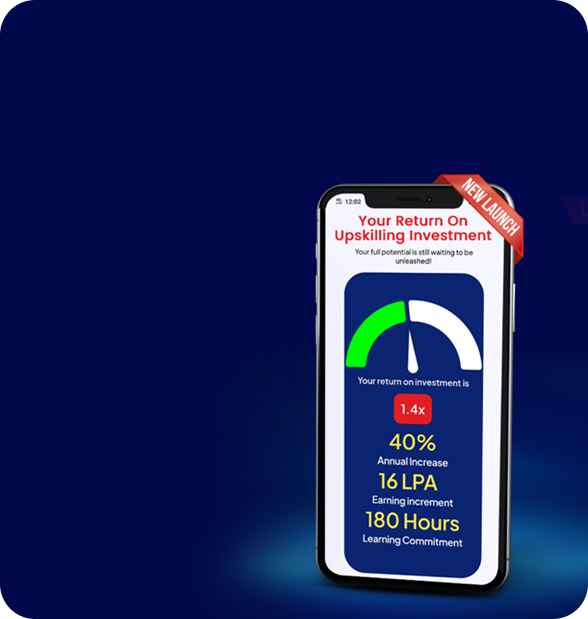
 ROI Calculator