Why Corporate Governance Has Become Critical in India in 2026
Why Finance Professionals Are Upskilling in Corporate Governance
Corporate Governance Skills in High Demand in 2026
The world of finance is no longer limited to balance sheets, profit margins, and tax calculations. In 2026, finance professionals are expected to understand ethics, transparency, sustainability, risk management, ESG reporting, regulatory frameworks, and board governance. This shift has pushed corporate governance from a niche compliance subject into one of the most in-demand business competencies in India.
Today, companies are under constant scrutiny from regulators, investors, shareholders, employees, and global markets. Financial scandals, ESG mandates, cyber risks, investor activism, and stricter SEBI regulations have transformed how organisations operate. As a result, professionals in finance, accounting, auditing, compliance, and risk management are rapidly upgrading their skills in corporate governance.
This growing demand is also driving interest in executive education programmes like theFinancial Reporting and Corporate Governance Programme by IIM Ahmedabad, which is specifically designed to help professionals understand financial reporting, fraud detection, governance mechanisms, and modern regulatory practices.
Corporate governance refers to the system of rules, practices, policies, and processes through which a company is directed and controlled. It defines how businesses balance the interests of stakeholders, including:
Why Corporate Governance Has Become Critical in India in 2026
India’s corporate ecosystem is undergoing a massive transformation. The rise of digital finance, IPO activity, ESG investing, and global investor participation has increased the importance of governance standards.
In recent years, SEBI has strengthened governance frameworks for listed companies, particularly around ESG disclosures, board accountability, and investor protection.
Several factors are driving this governance revolution.
1. Rising ESG and Sustainability Regulations
One of the biggest reasons finance professionals are learning corporate governance is the rapid rise of ESG (Environmental, Social, and Governance) reporting.
India has made ESG disclosures mandatory for the top 1000 listed companies through Business Responsibility and Sustainability Reporting (BRSR). This has significantly increased the need for professionals who understand governance frameworks and sustainability reporting.
In 2026, ESG is no longer optional.
Companies are now expected to report on:
Carbon emissions
Board diversity
Ethical business practices
Risk governance
Sustainability initiatives
Supply chain transparency
This shift has created strong demand for finance professionals who can combine accounting expertise with governance and ESG knowledge.
2. Investor Confidence Depends on Governance
Global investors increasingly prioritise companies with strong governance structures.
According to recent reports, India is becoming more attractive to ESG-focused investors because of its improving regulatory standards and governance ecosystem.
Investors today analyse factors like:
Independent board structure
Audit transparency
Executive compensation
Risk disclosures
Anti-fraud systems
Sustainability performance
Poor governance can lead to:
Loss of investor trust
Falling stock prices
Regulatory penalties
Reputation damage
As a result, organisations are actively hiring professionals with expertise in governance, compliance, and financial reporting.
3. The CFO Role Has Changed Completely
Traditionally, finance leaders focused mainly on budgeting and financial reporting. In 2026, the CFO has evolved into a strategic business leader.
Modern CFOs are now expected to handle:
Corporate governance
ESG compliance
Investor relations
Cyber risk oversight
Strategic planning
IPO readiness
Board communication
Industry discussions increasingly describe CFOs as “strategic co-pilots” of organisations rather than just finance managers.
This transformation explains why finance professionals are rushing to upskill in governance and risk management.
4. Increasing SEBI Compliance Requirements
SEBI continues to strengthen governance norms for Indian companies.
Recent governance reforms have focused on:
Transparency in disclosures
Independent director accountability
Risk governance
ESG integration
Shareholder protection
Alternative Investment Fund (AIF) governance
Experts believe governance today is about credibility and trust—not just legal compliance.
Professionals who understand these evolving regulations are becoming highly valuable across sectors including banking, consulting, fintech, insurance, and capital markets.
5. Corporate Fraud and Risk Management Concerns
Financial frauds and governance failures have shown how weak oversight can destroy even large organisations.
As businesses become more digital and interconnected, companies face growing risks related to:
Finance professionals are increasingly expected to identify governance gaps and strengthen internal control systems.
Programmes focusing on fraud detection, financial statement analysis, and governance mechanisms are therefore gaining popularity among working professionals.
Free Courses
Finance for All – Free Finance Certification Course
The demand is particularly strong in listed companies, multinational corporations, consulting firms, and investment firms.
Why Executive Education is Becoming Essential
The corporate world is changing faster than traditional degree programmes can adapt.
This is why many working professionals are enrolling in specialised executive programmes like the Financial Reporting and Corporate Governance Programme by IIM Ahmedabad. The programme focuses on financial accounting, financial statement analysis, fraud detection, and governance mechanisms for modern businesses.
Key Learning Areas Covered
Financial reporting framework
Corporate governance mechanisms
Board functioning and culture
Executive compensation
Fraud detection models
Financial statement analysis
Sustainability and ESG concepts
The programme is designed for working professionals seeking leadership and governance expertise.
How Corporate Governance Impacts Business Success
Strong governance directly affects business growth and long-term sustainability.
Companies with effective governance frameworks often experience:
Better investor trust
Higher market credibility
Reduced fraud risks
Stronger operational efficiency
Easier access to capital
Better global partnerships
In contrast, weak governance can lead to:
Financial losses
Legal penalties
Reputation damage
Shareholder disputes
Market instability
This is why governance is increasingly viewed as a strategic business function rather than a legal requirement.
Corporate Governance and the Future of Finance
The finance profession is moving toward a more strategic and ethical future.
Emerging trends shaping governance in 2026 include:
AI-Driven Governance Monitoring
Companies are using artificial intelligence to detect compliance risks, fraud patterns, and reporting inconsistencies.
Integrated ESG Reporting
Sustainability reporting is becoming integrated with financial reporting systems.
Greater Board Accountability
Boards are being held more accountable for ethical practices, cybersecurity, and ESG performance.
Global Governance Alignment
Indian companies are increasingly aligning with international governance standards to attract foreign investment.
Technology-Enabled Compliance
Automation and digital platforms are simplifying governance, reporting and audit systems.
Is Corporate Governance a Good Career Choice in 2026?
Absolutely.
Corporate governance is becoming one of the most future-proof career domains in India because every industry now depends on compliance, transparency, and sustainable growth.
The demand for professionals who understand finance, governance, risk, and ESG is expected to continue rising because:
SEBI regulations are expanding
ESG investing is increasing
Global investors expect transparency
IPO activity is growing
Sustainability reporting is becoming mandatory
Professionals with governance expertise are likely to enjoy:
Better leadership opportunities
Higher salary potential
Stronger industry relevance
Long-term career stability
Conclusion
Corporate governance in India has evolved far beyond traditional compliance practices. In 2026, it sits at the centre of financial leadership, ESG transformation, investor confidence, and business sustainability.
As organisations face increasing regulatory pressure and stakeholder scrutiny, finance professionals are realising that governance expertise is no longer optional—it is essential for career growth.
This explains why programmes like the Financial Reporting and Corporate Governance Programme by IIM Ahmedabad are witnessing growing demand among working professionals who want to stay relevant in the future of finance.
For professionals aiming to lead in modern finance, mastering corporate governance may become one of the smartest career decisions of this decade.
Frequently Asked Questions
Corporate governance is important because businesses are facing stricter regulations, growing ESG requirements, investor scrutiny, and higher expectations for transparency and ethical management. Strong governance helps companies build trust, reduce risks, and improve long-term sustainability.
Finance professionals develop skills in financial reporting, ESG compliance, fraud detection, risk management, board governance, regulatory compliance, and strategic decision-making, making them more valuable in modern organisations.
Yes, ESG (Environmental, Social, and Governance) is closely linked to corporate governance. Governance frameworks help companies manage sustainability practices, ethical operations, transparency, and stakeholder accountability effectively.
The Financial Reporting and Corporate Governance Programme by IIM Ahmedabad offers industry-relevant learning in governance, financial reporting, fraud detection, and ESG practices while providing the credibility and academic excellence associated with IIM Ahmedabad.
Professionals can explore roles such as Corporate Governance Analyst, ESG Consultant, Compliance Manager, Risk Management Specialist, Internal Auditor, Financial Reporting Analyst, and Sustainability Reporting Expert across industries.
Arif Siddiqui
Head of Accounting and Treasury
Arif Siddiqui is a finance leader specializing in accounting, treasury, and financial strategy. As Head of Finance at Generali Employee Benefits, he brings extensive experience in managing global financial operations. He is known for driving financial efficiency and governance across organizations. His leadership supports sustainable business growth and financial excellence.
Get Free Upskilling Guidance
Fill in the details for a free consultation
Related Courses
Explore our programs
Admission Open
Professional Certificate Programme in Strategic Management

 June 29, 2026
 6 min read





 ChatGPT
 Perplexity
 Claude
 Grok
Grok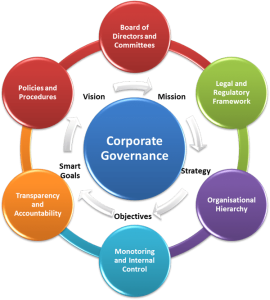






 Admission Open
 Admission Open
 Admission Open
 Admission Open
 ROI Calculator