India’s financial sector is evolving at a pace few industries can match — and the demand for skilled finance professionals has never been stronger. According to the National Skill Development Corporation, the BFSI sector alone is projected to require millions of trained professionals over the next decade. For students, graduates, and working professionals alike, finance courses have become less of an option and more of a strategic imperative.
Whether you’re exploringpathways into finance fundamentals or looking to sharpen advanced analytical skills, the Indian education landscape now offers an impressive range of programs suited to every career stage. From undergraduate degrees to specialized certifications, the choices are broad — and choosing the right one matters enormously.
The right finance qualification can be the difference between a stagnant career and a trajectory toward financial leadership. What follows is a carefully curated guide to the best programs available in India today — starting with a standout option that’s redefining professional finance education.
1. Jaro Education's Finance Course: A Leading Choice
When it comes to online finance courses that combine academic rigor with real-world applicability, Jaro Education stands out as a premier platform in India. Partnering with top-tier institutions — including IIMs and other leading universities — Jaro Education delivers finance programs designed to meet the evolving demands of India’s financial sector.
Why Jaro Education Leads the Pack:
Industry-aligned curriculum developed with academic and corporate inputs
Flexible learning formats suited for both working professionals and fresh graduates
Mentorship from seasoned faculty with deep domain expertise
Strong placement support connecting learners to finance roles across sectors
What sets these programs apart is their emphasis on practical application — from financial modeling to strategic decision-making — rather than purely theoretical content. Learners can explore everything from corporate finance fundamentals to advanced investment strategies. If you’re evaluating your options, thisoverview of leading finance programs offers useful context.
Structured learning from credible institutions isn’t just a credential — it’s a career accelerator in today’s competitive finance landscape.
For those targeting corporate finance specifically, Jaro’s specialized tracks are worth exploring through thisguide to corporate finance careers.
Take a look at some of the top finance courses facilitated by Jaro Education below:
Post Graduate Programme in Banking and Finance – IIM Tiruchirapalli
About the Program: This programme provides a comprehensive understanding of the banking and financial services sector, covering key areas such as financial markets, banking operations, risk management, and regulatory frameworks. Designed for working professionals, it combines theoretical concepts with real-world case studies to help learners build strong financial decision-making and analytical skills.
Who it’s for: Working professionals in banking, finance, consulting, and related domains looking to enhance their expertise or transition into the BFSI sector.
Post Graduate Certificate Programme in Financial Technologies (Fintech) – IIM Nagpur
About the Program: This programme is designed to equip professionals with in-depth knowledge of the rapidly evolving FinTech landscape. It covers key areas such as blockchain, cryptocurrencies, artificial intelligence, machine learning, digital payments, and financial innovation. The curriculum blends finance and technology, enabling learners to understand modern financial ecosystems and develop innovative financial solutions. The programme is delivered over 12 months in a flexible learning format with real-world projects and a campus immersion component.
Who it’s for: Working professionals in banking, finance, IT, NBFCs, and related sectors with at least a few years of experience who want to transition into or grow within the FinTech domain.
Professional Certificate Programme in Investment Banking, Risk & Capital Markets– IIM Kozhikode
About the Program: The Professional Certificate Programme in Investment Banking, Risk & Capital Markets by Indian Institute of Management Kozhikode is designed to provide a strong foundation in core investment banking concepts and practices. The programme covers key areas such as financial statement analysis, corporate finance, valuation techniques, mergers & acquisitions, capital markets, and risk management. With a practical, industry-oriented approach, learners gain exposure to real-world case studies, financial modelling tools, and deal-making strategies. Delivered through an interactive online format by experienced faculty, the programme also includes a campus immersion component to offer hands-on learning and networking opportunities.
Who it’s for: This programme is ideal for:
Junior to senior professionals from the BFSI and Investment Banking sectors
IT professionals working on finance, analytics, or IB-related projects
Entrepreneurs and founders operating in the finance domain
Academicians and researchers specialising in finance or capital markets
Professionals from PE, VC, and investment firms
Postgraduate students looking to build a career in finance
Among the best finance courses globally recognized in India, the CFA designation holds a reputation that few credentials can match. Offered by the CFA Institute, this program is widely regarded as the gold standard in investment management and financial analysis.
What the CFA Covers:
Three progressive levels — each testing deeper analytical and ethical competency
Core topics including portfolio management, equity analysis, fixed income, derivatives, and alternative investments
A strong emphasis on the Code of Ethics and Professional Standards
According to the CFA Institute, fewer than 20% of candidates pass all three levels on their first attempt — a statistic that underscores both the program’s difficulty and its prestige.
The CFA is best suited for professionals targeting roles in asset management, equity research, and institutional investing. However, it demands significant time — typically 300+ hours of study per level.
For those who want to complement analytical depth with data-driven decision-making, exploringfinance and analytics together can strengthen your overall career profile.
As impactful as the CFA is for investment professionals, risk management careers call for a different — equally rigorous — credential.
3. Financial Risk Manager (FRM)
For those drawn to the intersection of finance and risk analysis, the Financial Risk Manager (FRM) certification is among the most respected finance courses available globally — and increasingly sought after in India’s banking and financial services sectors.
Awarded by the Global Association of Risk Professionals (GARP), the FRM designation signals deep expertise in market risk, credit risk, operational risk, and risk management frameworks. As financial institutions face growing regulatory scrutiny, professionals who can identify and mitigate risk have become indispensable.
The program is structured across two rigorous exam levels:
Part I – Financial markets, quantitative analysis, and risk measurement tools
Part II – Advanced risk management applications, liquidity risk, and current market issues
According to finance course data from India, FRM-certified professionals command significantly higher compensation than non-certified peers in equivalent roles.
For students exploring finance courses after 12th, the FRM isn’t an immediate pathway — it typically suits graduates with some financial background. However, building foundational knowledge early throughstructured risk and finance programs makes the eventual FRM journey considerably smoother.
If risk management excites you, the FRM is compelling — though for those seeking a broader business and leadership credential, an MBA in Finance may be the natural next step.
Free Courses
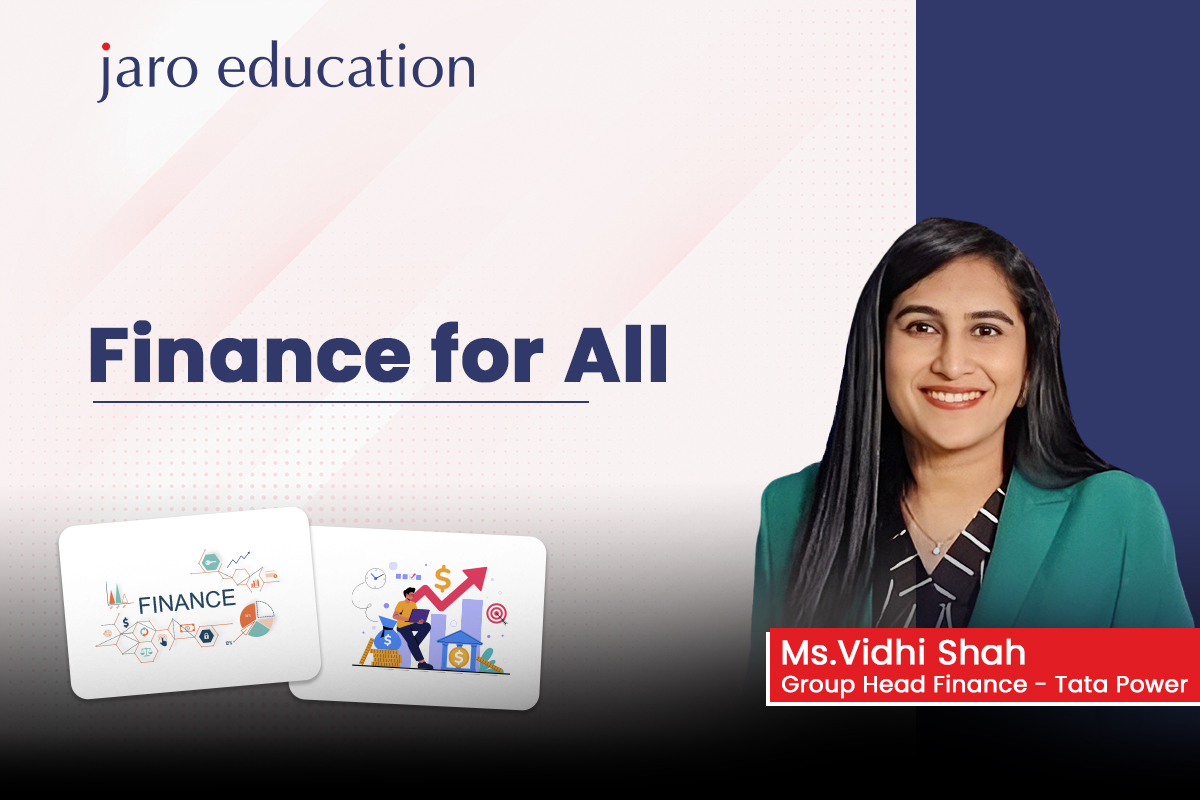
Finance for All – Free Finance Certification Course
An MBA in Finance remains one of the most sought-after postgraduate qualifications in India, and for good reason. It combines strategic business thinking with deep financial expertise — a pairing that opens doors across corporate finance, investment banking, consulting, and financial planning.
What sets the MBA in Finance apart from specialized certifications is its breadth. Students gain exposure to financial modeling, portfolio management, corporate valuation, and macroeconomic policy — all within a broader management framework. This makes graduates valuable not just as finance professionals but as business leaders.
In practice, recruiters actively seek MBA Finance graduates for senior roles in treasury, mergers and acquisitions, and financial strategy. According to Finance Courses in India, structured finance programs significantly improve candidates’ readiness for complex corporate environments.
An MBA in Finance is arguably the most versatile finance qualification available — balancing technical depth with leadership development. For those exploringcareer opportunities in banking and finance, this degree provides a strong foundation. You can also explore a flexible postgraduate finance specialization online to fit your schedule.
5. Certified Management Accountant (CMA)
Among the top finance courses in India, the Certified Management Accountant (CMA) credential stands out for professionals who want to bridge financial accounting with strategic management decision-making. Offered by the Institute of Management Accountants (IMA), this globally recognized certification is increasingly valued by Indian corporations and multinationals alike.
Unlike purely accounting-focused qualifications, the CMA emphasizes cost management, performance analysis, financial planning, and internal controls — skills that directly influence business strategy. It’s a compelling choice for finance professionals who want a seat at the leadership table.
What the CMA covers:
Financial reporting and planning
Strategic financial management
Risk management and internal controls
Investment decisions and corporate finance
The exam consists of two rigorous parts, typically completed within 12–18 months. For those seeking to complement this foundation with advanced analytical skills, exploringcorporate finance certification options can provide a well-rounded edge.
While the CMA is a strong professional credential, those starting their finance journey at the undergraduate level have equally valuable pathways to explore — beginning with foundational degrees.
6. Bachelor of Commerce (B.Com) in Finance
The B.Com in Finance is one of the most popular finance courses after 12th for students who want a structured, university-level foundation in financial concepts. It’s a three-year undergraduate program that covers accounting, taxation, business law, and core financial management principles.
What the Program Covers:
Financial accounting and auditing
Corporate finance and investment analysis
Business economics and statistics
Taxation and commercial law
This degree is particularly valuable as a stepping stone. Many B.Com graduates use it as a launchpad for advanced qualifications — including Chartered Accountancy (CA), one of India’s most prestigious and rigorous professional credentials. In practice, a B.Com curriculum aligns well with CA foundation modules, making the transition smoother.
For students looking to deepen their understanding beyond the undergraduate level, programs like IIM Ahmedabad’s finance curriculum offer an excellent bridge between academic theory and real-world financial strategy.
A B.Com in Finance doesn’t just teach numbers — it builds the analytical discipline that every advanced finance career demands.
On the other hand, it’s worth noting that a B.Com alone may not be sufficient for senior roles. Pairing it with professional certifications significantly enhances employability. Speaking of globally recognized credentials, the next course on our list — the Certified Public Accountant (CPA) — is precisely the kind of qualification that elevates a B.Com graduate’s career trajectory internationally.
The Certified Public Accountant (CPA) designation is one of the most globally recognized credentials for accounting and finance professionals. Awarded by the American Institute of Certified Public Accountants (AICPA), the CPA is highly valued in multinational corporations, Big Four accounting firms, and financial consulting roles across India and abroad.
Who it’s best for: Professionals targeting careers in auditing, taxation, financial reporting, and compliance — particularly those aiming for global opportunities.
What the CPA Covers
The CPA exam spans four core sections:
Financial Accounting and Reporting (FAR)
Auditing and Attestation (AUD)
Regulation (REG)
Business Analysis and Reporting (BAR)
In practice, CPA holders often work alongside professionals holding the CFA (Chartered Financial Analyst) credential, with CPAs focusing more on accounting standards while CFAs emphasize investment analysis.
Key Considerations
Duration: Typically 12–18 months of focused preparation
Eligibility: Requires 120–150 credit hours of education
Career scope: Strong demand in audit, risk management, and cross-border finance roles
However, candidates should note that the CPA is US-centric, so its value is highest in firms with international operations. According to Finance Courses in India: A Comprehensive Guide, globally aligned certifications like the CPA consistently rank among credentials that boost earning potential significantly.
A credential worth pursuing if global mobility is your goal — the CPA opens doors that few other qualifications can match. Understanding which credential fits your goals is precisely what separates strategic career planners from the rest — a pattern worth exploring next.
Common Patterns in Selecting Finance Courses
Choosing the right finance certification courses isn’t always straightforward. Across thousands of learners, a few clear patterns emerge that can help guide your decision-making process.
What typically shapes course selection:
Career stage matters most. Students fresh out of 12th grade gravitate toward foundational degrees like B.Com or BBA, while working professionals tend to prioritize certifications that deliver ROI quickly without career interruption.
Industry alignment drives choices. Aspiring investment bankers often pursue CFA or CPA credentials, while those targeting corporate roles lean toward MBA programs or executive certificates from IIMs.
Mode of learning is increasingly decisive. A common pattern is that learners weighing time and cost flexibility opt for online finance courses over traditional classroom formats – especially post-pandemic.
Salary benchmarks influence decisions. According to industry data, CFA charterholders in India earn significantly more than non-certified peers, making credential value a major filter.
One practical approach is mapping your target job description backward to identify which qualification hiring managers actually require.
Every course has trade-offs in cost, duration, and recognition — and understanding those limitations before enrolling is what separates informed choices from costly detours.
Limitations and Considerations When Choosing a Course
Even the best finance courses come with trade-offs. Understanding these limitations upfront can save you time, money, and frustration down the line.
Key considerations to keep in mind:
Time commitment vs. career stage: Intensive credentials like the FRM (Financial Risk Manager) demand significant preparation time — often 200+ hours per exam level. Pursuing such certifications while managing full-time work requires careful planning and realistic timelines.
Cost and ROI clarity: Premium certifications carry substantial fees. Before enrolling, evaluate whether the credential aligns with your target industry and salary expectations in the Indian job market.
Recognition varies by employer: Not every certification carries equal weight across sectors. A credential valued in banking may not impress a fintech startup, and vice versa.
Self-discipline with online formats: Online finance courses offer flexibility, but completion rates for self-paced programs are notoriously lower than structured classroom settings.
Prerequisite gaps: Some advanced programs assume foundational knowledge. Jumping ahead without the right base can lead to poor outcomes.
A balanced course decision weighs not just prestige but also practical fit with your career trajectory, learning style, and financial situation.
With these considerations in mind, the next step is distilling everything into clear, actionable takeaways.
Key Takeaways
Navigating the landscape of finance courses in India can feel overwhelming, but a few core principles consistently guide successful learners toward the right choice.
Here’s a quick summary of what matters most:
Match the course to your career stage. Whether you’re exploring finance courses after 12th or pivoting mid-career, timing determines which program delivers maximum ROI.
Credentials carry weight. Programs backed by IIMs, or globally recognized frameworks – including investment banking courses – signal credibility to recruiters and hiring managers alike.
Online flexibility is a genuine advantage. Online finance courses allow working professionals to upskill without sacrificing current income or job security.
Specialization beats generalization. Broad financial literacy is a starting point; a targeted skill set in analytics, corporate strategy, or capital markets is what opens doors.
Institution reputation matters as much as curriculum. The best finance courses combine strong faculty, industry-aligned content, and post-completion career support.
The right finance course doesn’t just teach concepts — it positions you for opportunities you couldn’t access before.
Frequently Asked Questions
For students exploring finance courses after 12th grade, a foundational program in commerce or a short certification in financial fundamentals is ideal. Programs covering the basics of accounting, investment analysis, and financial planning offer a strong starting point before committing to longer degrees.
Financial modelling is the process of building mathematical representations of a company’s financial performance – critical for roles in investment banking, equity research, and corporate finance. Most competitive finance roles expect at least a working knowledge of it.
Absolutely, especially when backed by reputed institutions. Employer-recognized certifications from IIM-affiliated programs carry significant weight in the Indian job market.
Duration varies widely. Short online finance courses may run 6–12 weeks, while postgraduate programs like an MBA in Finance span 1–2 years. Choose based on your current qualifications and career urgency.
Arif Siddiqui
Head of Accounting and Treasury
Arif Siddiqui is a finance leader specializing in accounting, treasury, and financial strategy. As Head of Finance at Generali Employee Benefits, he brings extensive experience in managing global financial operations. He is known for driving financial efficiency and governance across organizations. His leadership supports sustainable business growth and financial excellence.
Get Free Upskilling Guidance
Fill in the details for a free consultation
Related Courses
Explore our programs
Admission Closed
Executive Certificate Programme in Corporate & Strategic Finance

 April 14, 2026
 12 min read





 ChatGPT
 Perplexity
 Claude
 Grok
Grok




 Admission Closed
 Admission Open
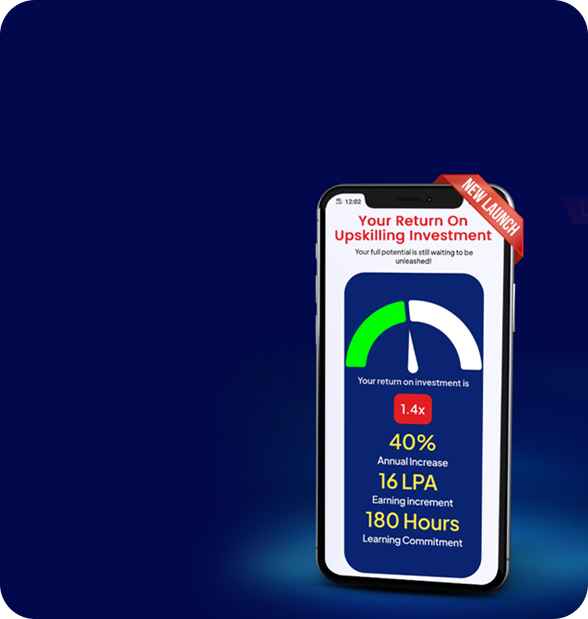
 ROI Calculator