Why Strategic Finance Skills Are Becoming Non-Negotiable
The Growing Skill Gap in Strategic Finance
Comparison: Strategic Finance Skills vs. Traditional Financial Skills
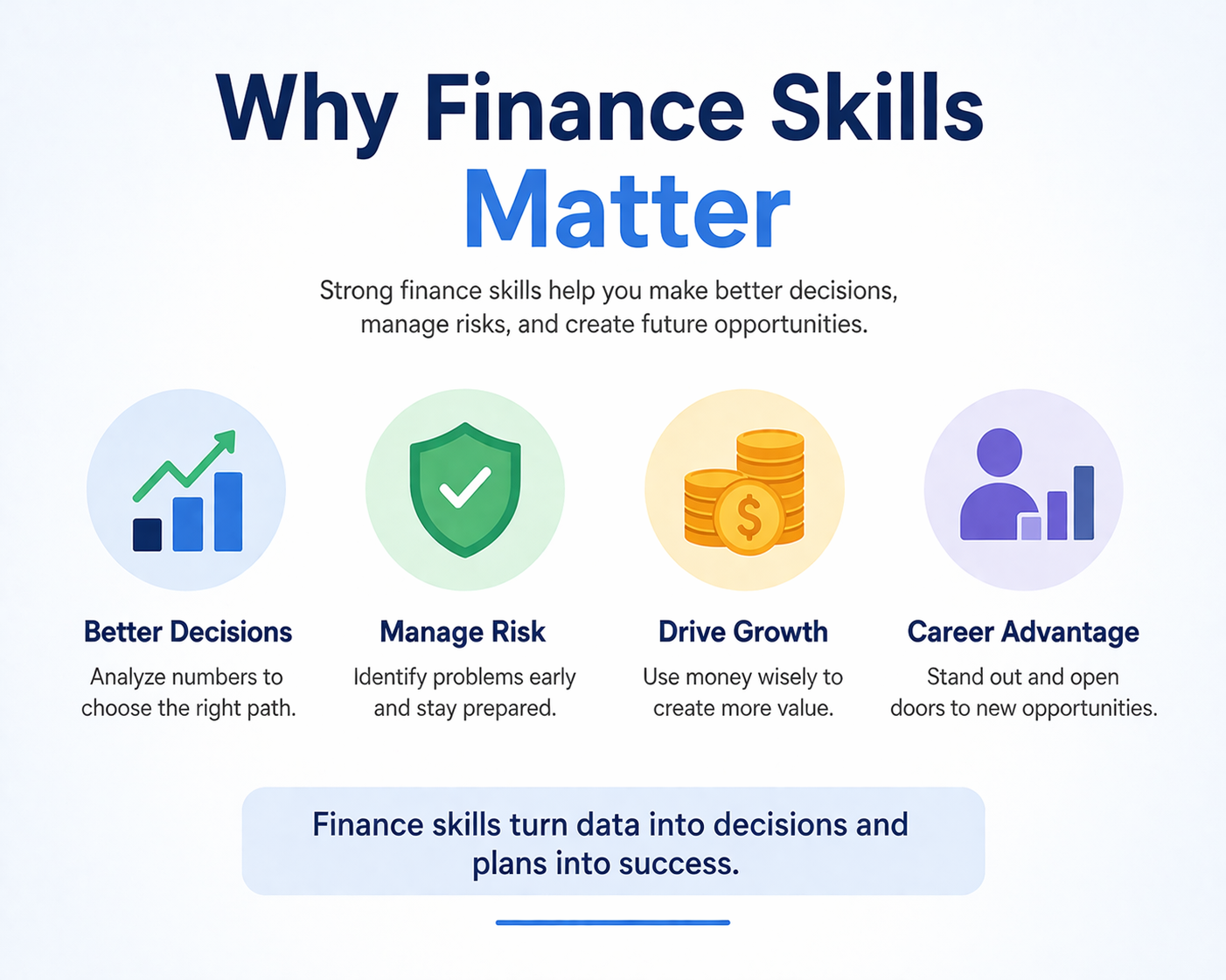
In today’s volatile, data-driven business environment, finance is no longer confined to balance sheets and compliance. It has evolved into a strategic function that directly influences business growth, risk management, and long-term value creation. As organizations increasingly rely on financial insights to make critical decisions, strategic finance skills are no longer optional—they are essential.
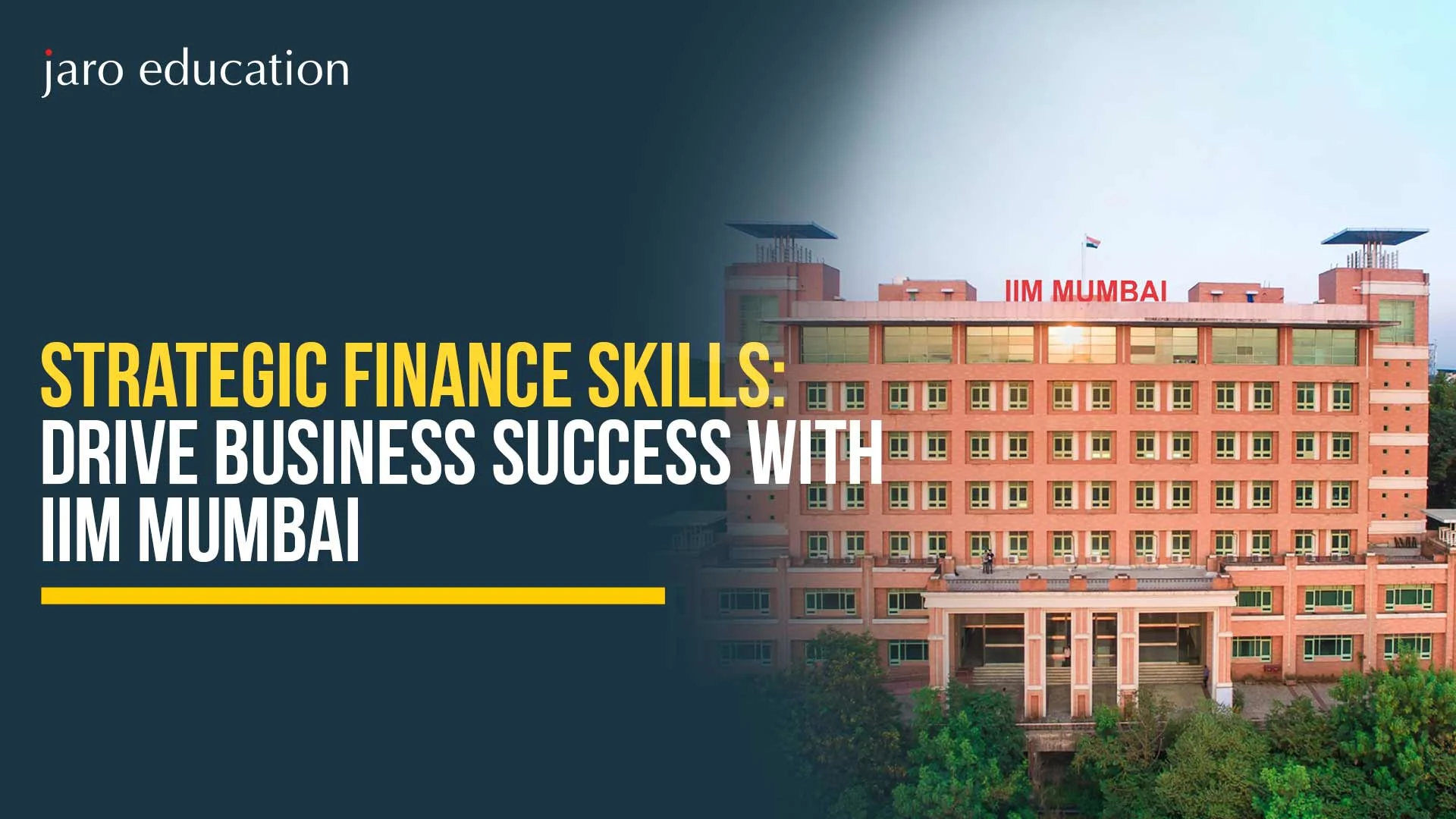
This shift has created a significant skill gap in the industry. To bridge this, premier institutions like IIM Mumbai are stepping forward with industry-aligned programs such as the Executive Certificate Programme in Corporate & Strategic Finance, offered in collaboration with Jaro Education.
Let’s explore why these skills are becoming indispensable and how this program is helping professionals stay ahead.
Traditional finance roles focused primarily on accounting, reporting, and compliance. Today, finance professionals are expected to:
Drive business strategy and decision-making
Use data analytics and forecasting tools
Manage financial risks in uncertain markets
Evaluate investment opportunities and capital allocation
With global economic shifts, digital transformation, and increasing competition, companies need finance leaders who can think strategically rather than just operationally.
Why Strategic Finance Skills Are Becoming Non-Negotiable
1. Data-Driven Decision Making
Modern organizations rely heavily on financial data to guide strategy. Professionals must interpret complex datasets and translate them into actionable insights.
2. Increasing Complexity of Financial Markets
With evolving financial instruments, global markets, and fintech innovations, professionals must understand:
This gap is primarily due to outdated curricula and lack of industry exposure in traditional education systems.
To stay competitive, professionals must continuously upskill through industry-relevant programs.
Comparison: Strategic Finance Skills vs. Traditional Financial Skills
The gap between traditional finance and strategic finance isn’t just about complexity — it’s about purpose. Traditional financial skills focus on accuracy and compliance: recording transactions, producing reports, managing budgets, and ensuring regulatory adherence. Strategic finance, by contrast, asks a fundamentally different question — so what does this mean for where we’re heading?
Traditional Finance
Strategic Finance
Backward-looking (reporting)
Forward-looking (forecasting)
Compliance-focused
Value creation-focused
Departmental scope
Enterprise-wide scope
Data recording
Data-driven decision-making
In practice, professionals who only master traditional skills often struggle to connect financial planning to business outcomes — the exact capability leadership increasingly demands. Strategic thinking transforms financial data into competitive advantage. That’s precisely why enrolling in an executive certificate program built around real-world application, like IIM Mumbai’s, closes this critical divide far more effectively than technical training alone. Of course, fully understanding this shift requires clearing some persistent misconceptions about what strategic finance actually involves.
After completion, professionals can explore roles such as:
Financial Analyst
Risk Analyst
Financial Consultant
FP&A Manager
Why Does This Program Stand Out?
The Executive Certificate Programme in Corporate & Strategic Finance by IIM Mumbai stands out due to its strong blend of academic excellence and real-world relevance. Designed for working professionals, the program offers a comprehensive curriculum that spans financial fundamentals to advanced strategic finance concepts, including valuation, risk management, portfolio management, and fintech innovations.
What truly differentiates this program is its experiential learning approach. Participants engage in case studies, simulations, and hands-on projects, enabling them to apply concepts to real business scenarios rather than just theoretical learning.
Additionally, the program is delivered by distinguished faculty from IIM Mumbai, ensuring high-quality insights backed by research and industry experience. The inclusion of guest lectures and peer learning further enhances exposure to diverse perspectives.
Another key highlight is its flexible learning format, combining live online sessions with campus immersion, making it ideal for professionals balancing work and education.
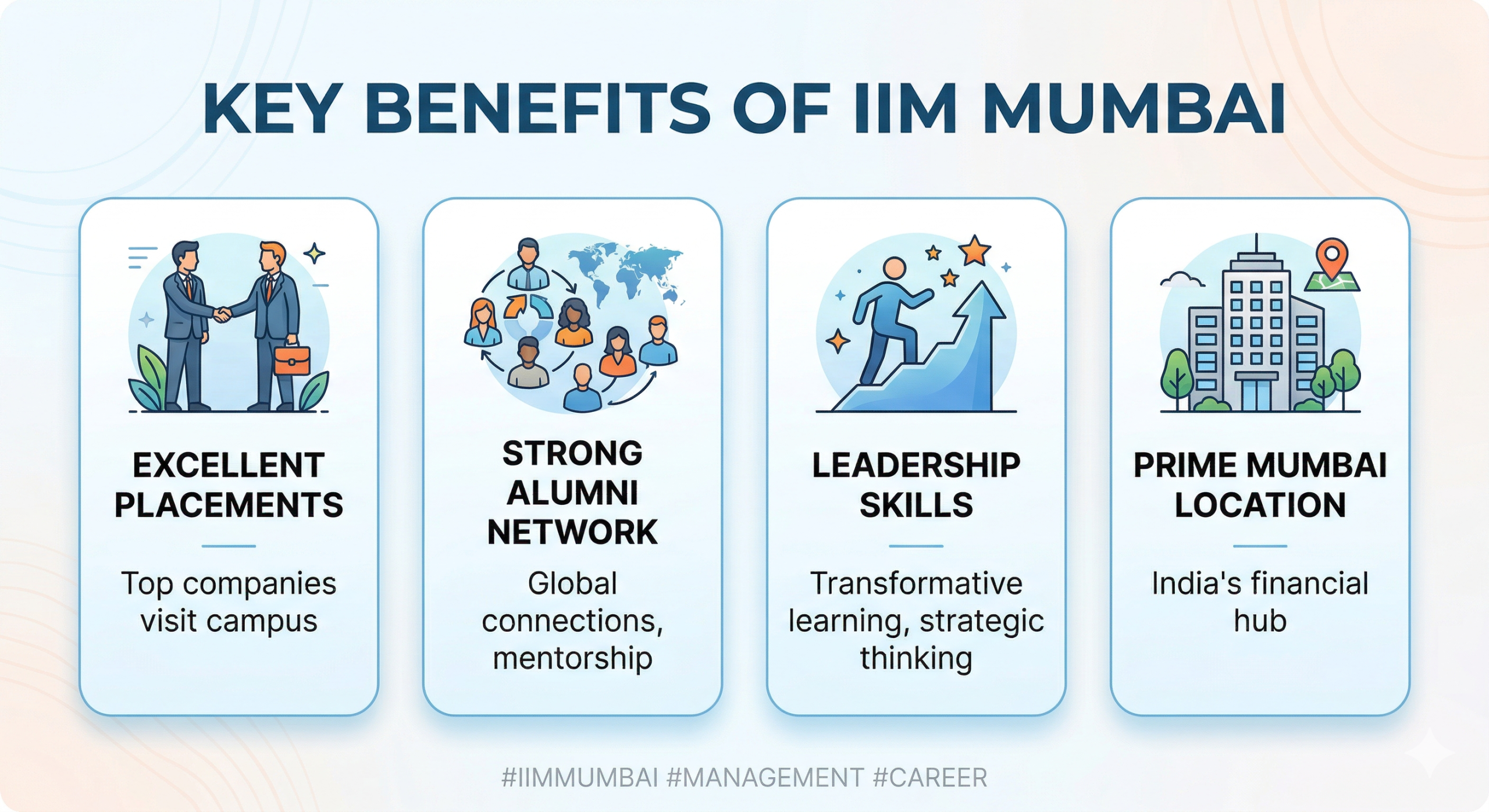
Finally, being offered by a top-ranked institution with strong industry connections, the program provides valuable networking opportunities and career advancement potential, making it a powerful stepping stone for future finance leaders.
The future of finance careers is being rapidly reshaped by technology, globalization, and evolving business needs. Traditional roles focused on accounting and reporting are giving way to more dynamic, strategy-oriented positions. Finance professionals are now expected to act as key decision-makers, contributing directly to business growth, risk management, and innovation.
Emerging technologies such as artificial intelligence, machine learning, and data analytics are transforming how financial data is analyzed and utilized. As a result, roles like financial analysts, risk managers, and investment strategists now require strong analytical and technical skills alongside financial expertise. Additionally, the rise of fintech is creating new career paths in areas like digital payments, blockchain, and financial automation.
Globalization has also expanded opportunities, requiring professionals to understand international markets, regulatory frameworks, and cross-border financial strategies. Soft skills such as strategic thinking, communication, and adaptability are becoming equally important.
In this evolving landscape, continuous learning and upskilling are crucial. Professionals who can combine financial knowledge with technological proficiency and strategic insight will be best positioned to succeed. The future of finance is not just about managing numbers—it’s about driving business value and shaping organizational success.
Conclusion
In an increasingly complex and fast-paced business environment, the role of finance professionals has evolved far beyond traditional responsibilities. Strategic finance skills are now essential for driving growth, managing risks, and enabling informed decision-making at the organizational level. As companies seek professionals who can combine financial expertise with strategic thinking and technological awareness, the need for continuous upskilling has never been greater.
The Executive Certificate Programme in Corporate & Strategic Finance by IIM Mumbai effectively addresses this growing demand by offering a well-rounded, industry-relevant curriculum tailored for modern professionals. With its focus on practical learning, real-world applications, and strategic insights, the program equips learners with the tools needed to navigate today’s financial challenges confidently.
For professionals aiming to stay competitive and future-ready, investing in such a program is not just an option—it is a strategic career move that can unlock new opportunities and accelerate long-term growth.
Frequently Asked Questions
Yes. The shift from transactional to advisory finance roles means that non-negotiable skills like business valuation, scenario modeling, and capital allocation are expected at every level — not just the C-suite. Professionals who lack these competencies increasingly find themselves passed over for leadership opportunities.
In practice, most participants begin applying frameworks immediately within their roles. Tangible outcomes — such as leading cross-functional planning discussions or contributing to investment decisions — often emerge within three to six months of program completion.
Absolutely. The Executive Certificate Program in Corporate Strategic Finance is designed to accommodate professionals from diverse backgrounds, including operations, marketing, and consulting, who need structured financial acumen to advance.
IIM Mumbai combines faculty expertise, peer learning, and real-world case application — elements that self-paced alternatives typically can’t replicate. The structured curriculum, institutional credibility, and networking access create a learning experience purpose-built for career transformation.
Shubham Lal
Lead Software Developer
Shubham Lal joined Microsoft in 2017 and brings 8 years of experience across Windows, Office 365, and Teams. He has mentored 5,000+ students, supported 15+ ed-techs, delivered 60+ keynotes including TEDx, and founded AI Linc, transforming learning in colleges and companies.

 April 8, 2026
 5 min read




 ChatGPT
 Perplexity
 Claude
 Grok
Grok



 Admission Closed
 Admission Closed
 Admission Open
 Admission Closed
 Admission Open

 ROI Calculator



