HOME > BLOG > Finance > Corporate Governance Failures in India: What They Teach Finance Professionals About Risk
Finance
Corporate Governance Failures in India: What They Teach Finance Professionals About Risk
J
By Arif Siddiqui
August 4, 20266 min read
Published on August 4, 2026
SHARE THIS ARTICLE
Table Of Content
Understanding Corporate Governance
Why Corporate Governance Matters for Finance Professionals
Major Corporate Governance Failures in India
Common Patterns Behind Governance Failures
Discover the biggest corporate governance failures in India and the valuable lessons they offer finance professionals. Learn how strong governance, ethical leadership, and effective risk management can help organizations prevent financial crises and build long-term resilience.
Corporate governance is the backbone of every successful business. It defines how companies are directed, controlled, and held accountable to stakeholders. Strong governance ensures transparency, ethical decision-making, financial discipline, and compliance with regulations. However, when governance mechanisms fail, the consequences can be severe—leading to financial losses, damaged investor confidence, regulatory scrutiny, and even the collapse of large organizations.
India has witnessed several high-profile corporate governance failures over the past few decades. From accounting frauds to conflicts of interest, insider trading, and inadequate board oversight, these incidents have exposed weaknesses inrisk managementsystems across industries. While such failures have affected investors, employees, lenders, and customers, they have also served as valuable learning opportunities for finance professionals.
Today's finance leaders are no longer expected to focus only on budgeting, taxation, and financial reporting. They are increasingly responsible for identifying governance risks, strengthening internal controls, ensuring regulatory compliance, and protecting stakeholder interests.
This article explores some of India's most significant corporate governance failures, analyzes the lessons they offer, and explains how finance professionals can build stronger risk management frameworks in today's rapidly evolving business environment.
Corporate governance refers to the system of rules, processes, and practices through which an organization is managed. It establishes accountability between management, the board of directors, shareholders, regulators, and other stakeholders.
Good governance reduces uncertainty, improves operational efficiency, attracts investors, and builds long-term business sustainability.
Poor governance, on the other hand, creates opportunities for fraud, financial manipulation, and strategic failures.
Why Corporate Governance Matters for Finance Professionals
Finance professionals sit at the center of organizational decision-making. They handle financial reporting, investment analysis, budgeting, treasury management, taxation, compliance, and strategic planning.
Because of this central role, they are often the first line of defense against governance failures.
Their responsibilities include:
Monitoring financial integrity
Detecting unusual transactions
Ensuring accurate disclosures
Evaluating financial risks
Supporting board-level decisions
Strengthening internal controls
Maintaining regulatory compliance
As organizations become increasingly data-driven, finance teams are expected to move beyond accounting and become strategic risk advisors.
Perhaps India’s biggest accounting fraud, the Satyam scandal shocked global investors.
Founder Ramalinga Raju admitted to manipulating financial statements by overstating profits, inflating cash balances, and falsifying assets for several years.
What went wrong?
Fabricated financial statements
Weak internal controls
Ineffective board oversight
Auditor failure
Lack of transparency
The fraud amounted to nearly ₹7,000 crore and severely impacted investor confidence in India’s IT sector.
Lessons for Finance Professionals
Never rely solely on reported financial figures.
Independent verification of assets is essential.
Internal audit functions must remain unbiased.
Ethical leadership is as important as technical expertise.
Financial controls should be continuously tested.
2. IL&FS Crisis (2018)
Infrastructure Leasing & Financial Services (IL&FS) was considered one of India’s most trusted infrastructure financing institutions.
However, hidden debt, poor governance, and excessive leverage eventually resulted in a major liquidity crisis.
The company defaulted on multiple debt obligations, creating systemic concerns across India’s financial sector.
Key governance failures
Poor risk assessment
Inadequate board monitoring
Excessive borrowing
Lack of transparency
Delayed financial disclosures
Risk Management Lessons
Finance professionals should:
Monitor debt sustainability regularly.
Perform scenario analysis for liquidity risks.
Strengthen cash flow forecasting.
Review leverage ratios continuously.
Avoid over-reliance on optimistic financial projections.
3. Yes Bank Governance Issues
Before its reconstruction in 2020, Yes Bank experienced rapid expansion driven by aggressive lending practices.
Governance concerns included:
Under-reporting of non-performing assets (NPAs)
Concentrated lending
Weak risk management
Excessive promoter influence
Eventually, mounting bad loans triggered regulatory intervention.
What Finance Teams Can Learn
Credit risk should never be underestimated.
Loan portfolios require continuous monitoring.
Independent risk committees are essential.
Transparency improves investor confidence.
Growth should never compromise governance.
4. Punjab National Bank (PNB) Fraud
The Nirav Modi fraud involving fraudulent Letters of Undertaking (LoUs) exposed significant weaknesses in banking controls.
Employees bypassed established banking systems, allowing unauthorized transactions worth thousands of crores.
Governance gaps
Weak operational controls
Poor segregation of duties
Lack of system integration
Insufficient audit mechanisms
Key Takeaways
Finance professionals should focus on:
Automation of financial controls
Strong authorization workflows
Real-time transaction monitoring
Fraud detection systems
Continuous internal audits
5. DHFL (Dewan Housing Finance Corporation)
DHFL became another example of governance failures in India’s financial servicessector.
Investigations highlighted:
Diversion of funds
Related-party transactions
Weak board oversight
Poor financial disclosures
The company eventually entered insolvency proceedings.
Learning Points
Finance leaders must:
Closely examine related-party transactions.
Strengthen disclosure standards.
Improve governance reporting.
Monitor fund utilization regularly.
Common Patterns Behind Governance Failures
Although each corporate scandal differs, several recurring themes emerge.
Weak Board Independence
Boards failed to challenge management decisions or identify financial irregularities.
Independent directors should actively question assumptions instead of merely approving proposals.
Ineffective Internal Controls
Poor documentation, weak approval systems, and outdated financial processes created opportunities for fraud.
Organizations require:
Automated controls
Regular reconciliations
Continuous monitoring
Independent internal audits
Lack of Transparency
Delayed disclosures often worsen crises.
Transparent reporting enables investors and regulators to make informed decisions before risks escalate.
Poor Risk Culture
Many organizations treated risk management as a compliance exercise instead of a strategic priority.
Modern businesses require an enterprise-wide risk culture where every employee understands accountability.
Ethical Leadership Failures
No governance framework can succeed without ethical leadership.
Integrity from senior management directly influences organizational culture.
Free Courses
Finance for All – Free Finance Certification Course
These competencies help finance leaders contribute to long-term organizational resilience.
How Organizations Can Prevent Future Governance Failures
Preventing governance failures requires continuous commitment rather than one-time policy implementation.
Organizations should:
Promote ethical leadership at every level.
Strengthen board independence and diversity.
Conduct regular internal and external audits.
Invest in digital governance technologies.
Encourage whistleblower protection.
Continuously review risk management frameworks.
Provide governance training to finance teams.
Monitor emerging regulatory changes proactively.
Companies that embed governance into their organizational culture are better positioned to manage uncertainty and sustain long-term growth.
The Future of Corporate Governance in India
As businesses become increasingly digital and interconnected, corporate governance will continue to evolve. Emerging risks such as artificial intelligence, cybersecurity threats, climate-related financial disclosures, ESG compliance, and data privacy will redefine governance priorities.
Finance professionals will play a more strategic role in balancing innovation with accountability. Investors are also placing greater emphasis on governance quality, often considering it alongside financial performance before making investment decisions. Companies that prioritize transparency, ethical conduct, and effective risk management are likely to enjoy stronger stakeholder trust, easier access to capital, and better long-term performance.
In the coming years, governance will no longer be viewed as merely a regulatory requirement—it will become a key competitive advantage for organizations operating in an increasingly complex business environment.
Conclusion
India’s major corporate governance failures have highlighted the devastating consequences of weak oversight, unethical leadership, and ineffective risk management. Incidents involving Satyam, IL&FS, Yes Bank, PNB, and DHFL demonstrate that financial misconduct often begins with small governance lapses that gradually escalate into large-scale crises.
For finance professionals, these cases offer valuable lessons that extend beyond technical accounting. Modern finance leaders must integrate governance, compliance, ethics, technology, and strategic risk management into everyday decision-making. Strong internal controls, transparent reporting, continuous monitoring, and a culture of accountability are no longer optional—they are essential for sustainable business success.
As regulations tighten and stakeholder expectations continue to rise, finance professionals who understand governance risks and proactively address them will be better equipped to safeguard organizational value and build resilient businesses.
Frequently Asked Questions
Corporate governance failures demonstrate how weak controls, unethical practices, and poor oversight can lead to financial losses, legal action, and reputational damage. Finance professionals can use these lessons to strengthen internal controls, improve compliance, and enhance risk management.
The Satyam Computer Services accounting fraud of 2009 is widely regarded as one of India’s most significant corporate governance failures due to its scale, impact on investors, and influence on regulatory reforms.
They can identify governance risks by monitoring financial anomalies, reviewing internal controls, conducting regular audits, analyzing related-party transactions, implementing data analytics, and ensuring timely regulatory compliance.
Technologies such as Artificial Intelligence, data analytics, ERP systems, blockchain, and continuous auditing tools help organizations detect fraud, automate compliance, improve transparency, and monitor financial risks in real time.
Key trends include ESG reporting, AI governance, cybersecurity risk management, enhanced regulatory disclosures, digital audit technologies, data privacy compliance, and enterprise-wide integrated risk management.
Arif Siddiqui
Head of Accounting and Treasury
Arif Siddiqui is a finance leader specializing in accounting, treasury, and financial strategy. As Head of Finance at Generali Employee Benefits, he brings extensive experience in managing global financial operations. He is known for driving financial efficiency and governance across organizations. His leadership supports sustainable business growth and financial excellence.

 August 4, 2026
 6 min read




 ChatGPT
 Perplexity
 Claude
 Grok
Grok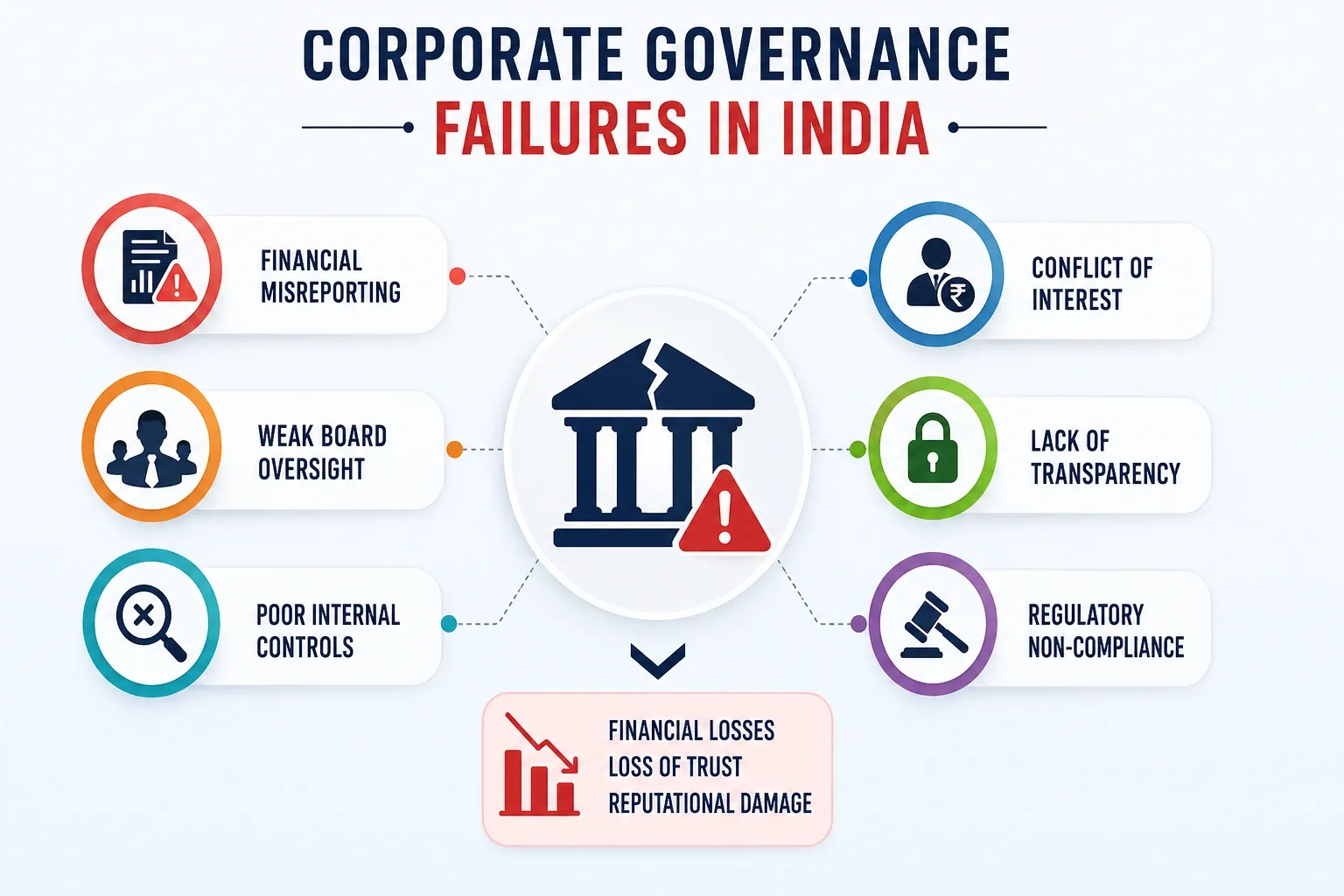









 ROI Calculator