CFA salary in India varies based on experience, job role, employer, location, skills, and professional performance rather than CFA level alone.
The CFA Program can support career opportunities in equity research, portfolio management, investment banking, risk management, wealth management, and financial analysis.
CFA Level I can help candidates pursue entry-level finance roles, but clearing the level does not guarantee a specific salary or career outcome.
Career growth can progress from entry-level analyst positions to senior analytical, investment, management, and leadership roles as professionals gain relevant experience and responsibilities.
In this blog, you'll learn about CFA salary in India, average pay by CFA level and experience, CFA Level 1 salary, popular job roles, factors affecting compensation, career growth, and how to become a Chartered Financial Analyst.
A career in finance can offer strong earning potential, but compensation often depends on specialization, experience, job role, employer, and professional qualifications. The Chartered Financial Analyst (CFA) Program is one of the credentials associated with investment management and finance careers, making cfa salary a popular topic among students and working professionals planning their next career move.
According to a 2026 CFA Institute impact assessment, the average annual compensation among CFA charterholders and candidates surveyed in India increased to ₹22.1 lakh in 2026. The study also found that more than 70% of charterholders with over eight years of experience typically earn more than ₹40 lakh annually.
However, there is no single fixed cfa salary in india. A Level I candidate entering an analyst role will generally earn differently from an experienced charterholder working as a portfolio manager, investment banker, or senior investment professional.
This guide explores the cfa average salary in india, salary by CFA level and experience, popular job roles, factors affecting compensation, and long-term career growth.
CFA stands for Chartered Financial Analyst. It is a professional credential designed around investment analysis, portfolio management, financial markets, ethics, economics, and related areas of finance.
The CFA Program can be relevant for professionals interested in areas such as investment management, equity research, portfolio management, wealth management, risk management, investment banking, and financial analysis.
The qualification is earned through the CFA Program’s three exam levels along with the required professional experience and membership requirements. Therefore, passing an individual exam level should not be viewed as equivalent to becoming a CFA charterholder.
For professionals researching how to become a chartered financial analyst, it is important to understand that the CFA journey involves more than simply completing an examination. Candidates need to progress through the program and meet the requirements for earning the charter.
CFA Salary in India: An Overview
The cfa salary in india can vary substantially depending on professional experience and the type of finance role.
The latest CFA Institute India impact assessment reports the following average annual compensation for candidates at different stages in 2026:
CFA Status
Average Annual Compensation
Level I Candidate
₹14.6 lakh
Level II Candidate
₹15.5 lakh
Level III Candidate
₹17.1 lakh
Level III Pass
₹19.4 lakh
CFA Candidates & Charterholders Overall
₹22.1 lakh
These figures represent surveyed compensation rather than guaranteed salaries for every CFA candidate.
It is also important to distinguish between salary and total compensation. Depending on the employer and role, compensation can include fixed pay, bonuses, incentives, and other components. Investment-related positions may have significant variable compensation.
CFA Average Salary in India by Experience
Experience is one of the most important factors influencing compensation in finance. The same CFA qualification can correspond to very different salaries at different career stages.
Entry-Level Professionals
Professionals at the beginning of their careers may work as juniorfinancial analysts, research associates, credit analysts, or investment analysts.
At this stage, employers typically evaluate candidates based on their educational background, financial knowledge, analytical ability, internships, technical skills, and relevant experience in addition to their CFA progress.
The CFA Institute’s 2026 survey reported average compensation of ₹14.6 lakh for Level I candidates in its sample.
Mid-Career Professionals
As professionals gain experience and progress through the CFA Program, they can take on more complex responsibilities.
Roles may include senior financial analyst, equity research analyst, investment analyst, risk analyst, portfolio analyst, or wealth management professional.
The CFA Institute reported average compensation of ₹15.5 lakh for Level II candidates and ₹17.1 lakh for Level III candidates in its 2026 survey.
However, experience remains crucial. A professional with several years of relevant investment experience can command substantially more than a fresher with the same CFA level.
Experienced CFA Charterholders
Experienced charterholders can move into senior analytical, investment, management, and leadership positions.
The 2026 CFA Institute India assessment found that more than 70% of CFA charterholders with over eight years of experience typically earn above ₹40 lakh annually.
This demonstrates why career progression is an important part of understanding cfa salary in india. The qualification can support career development, but compensation is ultimately influenced by the role, employer, experience, performance, and specialization.
The cfa level 1 salary in india is often discussed by students and early-career professionals because Level I is an initial milestone in the CFA journey.
However, passing Level I does not automatically guarantee a specific salary. A candidate who has cleared Level I may work in an entry-level financial role, but compensation depends on their existing education, skills, internship experience, employer, location, and job responsibilities.
Candidates should therefore avoid treating CFA Level I as a fixed salary qualification. Instead, it can be viewed as one component of a broader finance profile.
CFA Salary by Job Role
The job role often has a greater influence on compensation than the CFA level alone. Professionals working close to investment decisions may have different earning structures from those in general finance positions.
1. Equity Research Analyst
Equity research professionals study companies, industries, financial statements, and market trends. They prepare research reports and develop investment views.
CFA knowledge can be particularly relevant because the curriculum covers financial statement analysis, equity investments, valuation, economics, and portfolio concepts.
With experience, an equity research analyst can progress toward senior analyst and research leadership positions.
2. Portfolio Manager
Portfolio managers are responsible for managing investment portfolios and making decisions related to asset allocation and investments.
This is one of the career paths closely associated with the CFA credential. Compensation can increase significantly with experience, investment responsibility, assets under management, and performance.
Senior professionals may eventually progress into roles such as senior portfolio manager, head of investments, or chief investment officer.
3. Investment Banker
Investment banking professionals work on transactions such as mergers and acquisitions, capital raising, valuation, and financial advisory.
CFA knowledge can complement an investment banking career by strengthening understanding of valuation, financial analysis, and markets.
Compensation in investment banking can include significant variable pay, so total compensation may differ considerably from base salary.
4. Risk Analyst
Risk professionals identify, evaluate, and monitor financial risks. They may work with market risk, credit risk, investment risk, or other areas depending on the organization.
The CFA curriculum’s focus on quantitative methods, economics, financial instruments, and portfolio management can provide useful knowledge for these roles.
5. Wealth Manager
Wealth managers help clients manage investments and develop financial strategies based on their goals and risk profiles.
Professionals can progress from relationship and investment advisory roles to senior wealth management and private banking positions.
6. Financial Analyst
Financial analysts evaluate financial information, company performance, forecasts, and business trends to support decision-making.
This is a broad career path that can exist across banks, corporations, financial services companies, consulting firms, and investment organizations.
Free Courses
Finance for All – Free Finance Certification Course
There is no universal salary for a CFA professional. Several factors can influence compensation.
Experience
Experience is one of the strongest factors. Professionals with several years of relevant finance experience generally have access to more senior responsibilities and higher compensation.
Job Role
Investment banking, portfolio management, equity research, wealth management, risk management, and financial analysis can have different compensation structures.
Employer
Compensation can vary between domestic firms, multinational companies, asset managers, investment banks, consulting firms, and specialized financial organizations.
Location
The location of the employer can also influence compensation because financial services opportunities are concentrated in particular business centers. The nature of available roles and the local employment market can affect pay.
Skills
CFA certification alone does not determine career success. Employers may also value financial modeling, valuation, data analysis, communication, research, Excel, presentation, and other technical and professional skills.
Performance and Responsibilities
As professionals take ownership of larger portfolios, transactions, clients, teams, or investment decisions, compensation can increase accordingly.
Career Growth After CFA
The CFA qualification can support a career path that progresses from analytical roles to investment and leadership positions.
A simplified career progression could look like this:
The exact progression differs by organization and specialization.
For example, an equity research professional may move from research associate to analyst and eventually become a senior analyst or research head. A portfolio management professional could progress from portfolio analyst to portfolio manager and eventually take on broader investment leadership responsibilities.
The CFA Institute’s India impact assessment also indicates that the perceived impact of the CFA Program is particularly strong during early career stages, while experience combined with the credential contributes to longer-term career progression.
If you are exploring how to become a chartered financial analyst, it is useful to approach the journey systematically.
Step 1: Understand the CFA Program
Begin by understanding the program structure, eligibility requirements, curriculum, exam format, and professional requirements.
Step 2: Prepare for Level I
Level I introduces foundational concepts across areas such as ethics, quantitative methods, economics,financial reporting, corporate issuers, equity, fixed income, derivatives, alternative investments, and portfolio management.
Step 3: Progress Through Levels II and III
The subsequent levels build on the concepts introduced earlier and require deeper analytical and application-based understanding.
Step 4: Build Relevant Work Experience
Alongside the exams, gaining relevant professional experience can help candidates develop practical knowledge and strengthen their career profile.
Step 5: Earn the CFA Charter
After meeting the applicable examination, experience, and membership requirements, candidates can progress toward becoming CFA charterholders.
Is CFA Worth It for a Career in Finance?
The answer depends on your career goals.
For someone interested in investment research, portfolio management, asset management, risk, wealth management, or related areas, the CFA Program can provide structured knowledge and professional credibility.
However, the qualification should not be considered a guaranteed salary increase. The CFA Institute’s India research shows a relationship between the credential, career progression, and compensation, but individual outcomes vary.
The strongest career outcomes are likely to come from combining the CFA qualification with relevant experience, practical skills, networking, strong performance, and a clearly defined finance specialization.
Conclusion
The cfa salary in india depends on far more than simply passing the CFA examinations. Experience, job role, employer, location, skills, and professional performance all influence earning potential.
The latest CFA Institute India assessment reports average annual compensation of ₹22.1 lakh among surveyed CFA candidates and charterholders in 2026, while more than 70% of charterholders with over eight years of experience typically earn above ₹40 lakh annually.
For students and professionals considering how to become a chartered financial analyst, the CFA Program can be a valuable step toward careers in investment management and related finance fields. However, long-term growth comes from combining the qualification with relevant experience and continuously developing practical financial expertise.
Frequently Asked Questions
CFA stands for Chartered Financial Analyst. There is no fixed cfa full form salary because compensation depends on experience, job role, employer, location, skills, and CFA progress. CFA Institute’s 2026 India assessment reported average annual compensation of ₹22.1 lakh among surveyed candidates and charterholders.
The cfa level 1 salary in india varies based on the candidate’s education, experience, skills, employer, and job role. CFA Level I alone does not guarantee a specific salary. In the 2026 CFA Institute India survey, Level I candidates reported average annual compensation of ₹14.6 lakh.
The cfa average salary in india varies significantly based on experience and role. The CFA Institute reported that average annual compensation among surveyed CFA candidates and charterholders reached ₹22.1 lakh in 2026.
CFA professionals can pursue careers in areas such as equity research, portfolio management, investment banking, wealth management, risk management, financial analysis, and investment management.
No. CFA certification does not guarantee a particular salary. Compensation depends on factors such as experience, role, employer, location, skills, responsibilities, and professional performance. The qualification can strengthen a finance professional’s profile, but career progression requires relevant experience and practical expertise.
Arif Siddiqui
Head of Accounting and Treasury
Arif Siddiqui is a finance leader specializing in accounting, treasury, and financial strategy. As Head of Finance at Generali Employee Benefits, he brings extensive experience in managing global financial operations. He is known for driving financial efficiency and governance across organizations. His leadership supports sustainable business growth and financial excellence.

 September 1, 2026
 8 min read





 Key Insights
 ChatGPT
 Perplexity
 Claude
 Grok
Grok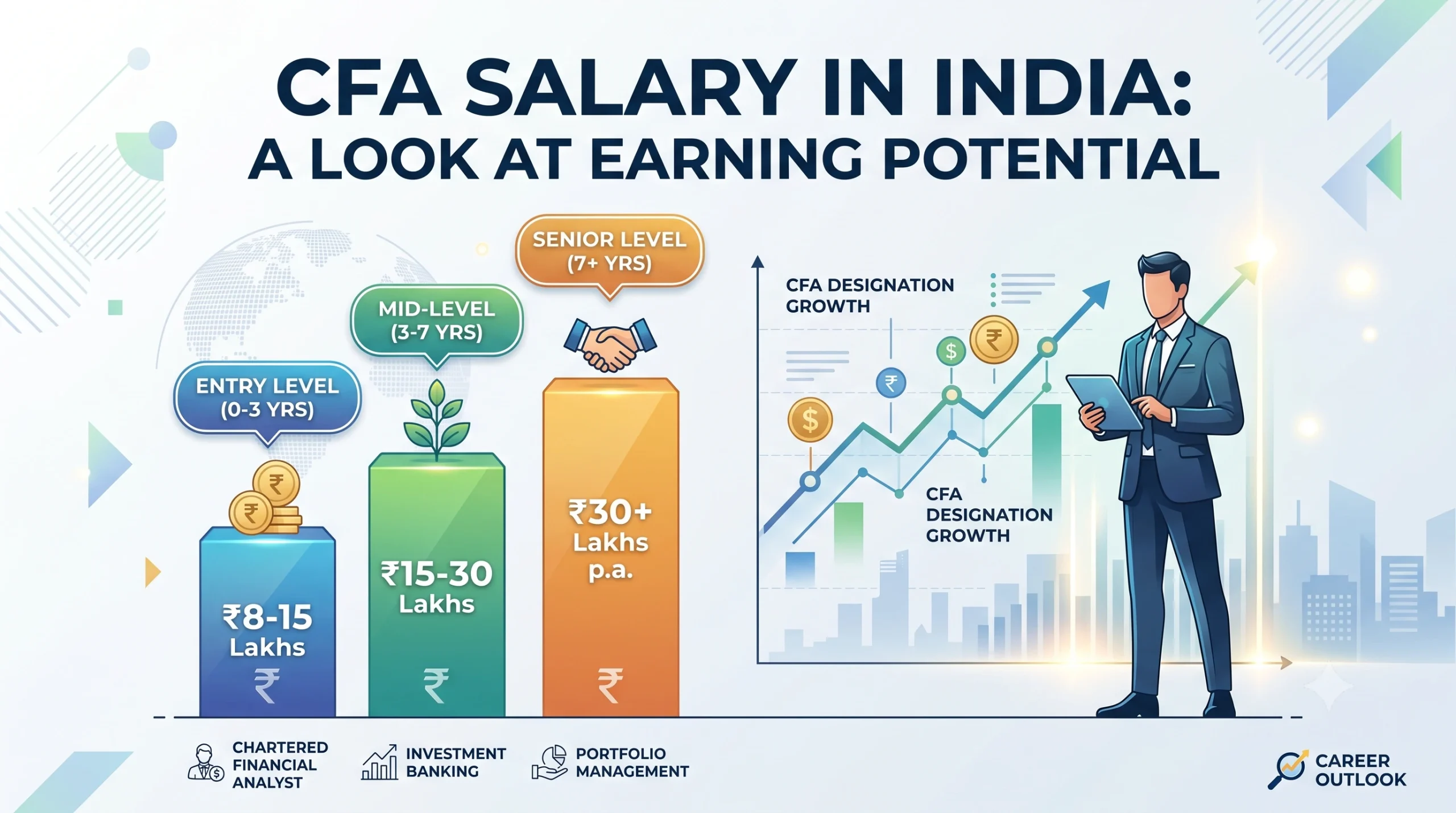











 ROI Calculator