HOME > BLOG > Online MBA > Why MBA after B.Com, sounds like a perfect plan?
Online MBA
Why MBA after B.Com, sounds like a perfect plan?
J
By Jaro Education
April 11, 20256 min read
Last updated on August 21, 2026
SHARE THIS ARTICLE
Table Of Content
Why Pursue an MBA after BCom?
Can we do MBA after BCom?
Why is an MBA after BCom a Smart Career Choice?
Best MBA Courses After BCom
A Bachelor of Commerce (BCom) gives students a solid understanding of accounting, finance, taxation, economics, and business fundamentals. However, as industries become more competitive, many graduates look for ways to strengthen their qualifications and improve their career prospects. This is where an MBA becomes a popular choice.
If you're wondering can we do MBA after BCom or can I do MBA after BCom, the answer is yes. In fact, BCom graduates are among the largest groups of students pursuing MBA programmes because their commerce background aligns well with management education.
Whether you want to work in finance, marketing, consulting, human resources, business analytics, or even start your own venture, an MBA can help you build the managerial, strategic, and leadership skills needed to grow professionally.
A BCom degree equips students with technical knowledge related to business and commerce. However, organisations today also expect professionals to have leadership, communication, strategic thinking, and decision-making skills.
An MBA complements your commerce education by helping you understand how businesses operate from a managerial perspective.
Some of the key benefits include:
Better career opportunities across industries
Higher salary potential
Leadership and managerial skill development
Industry-focused learning
Better networking opportunities
Flexibility to specialise in your area of interest
Instead of focusing only on financial concepts, an MBA prepares graduates to make strategic business decisions and manage teams effectively.
Many online and executive MBA programmes may offer admissions based on academic performance and professional experience instead of entrance test scores.
Why is an MBA after BCom a Smart Career Choice?
A BCom provides subject knowledge, while an MBA helps develop business leadership capabilities.
Strong business foundation
Since BCom graduates already understand accounting, finance, economics, and business laws, they often find it easier to understand MBA subjects related to management and business strategy.
Develop managerial skills
An MBA focuses on leadership, decision-making, communication, negotiation, project management, and organisational behaviour.
These skills become valuable as professionals move into supervisory and managerial roles.
Better career opportunities
Many management roles require candidates with both domain knowledge and leadership skills.
Completing an MBA can improve your eligibility for roles across banking, consulting, finance, FMCG, healthcare, manufacturing, IT, retail, and startups.
Career flexibility
One of the biggest advantages of an MBA is the ability to switch industries or job functions.
For example, a BCom graduate working in accounting may move into:
Financial consulting
Product management
Marketing
Business analytics
Corporate strategy
Global recognition
MBA programmes are recognised worldwide, making them useful for professionals seeking international career opportunities or higher studies abroad.
Best MBA Courses After BCom
Choosing the right specialisation is just as important as choosing the right institute. Here are some of the most popular MBA courses after BCom.
MBA in Finance
Ideal for students interested in banking, investment management, corporate finance, taxation, auditing, and financial planning. Popular careers include:
Financial Analyst
Investment Banker
Corporate Finance Manager
Equity Research Analyst
MBA in Marketing
Suitable for professionals who enjoy branding, advertising, digital marketing, consumer behaviour, and sales management. Career options include:
Business analytics is one of the fastest-growing management specialisations. Students learn to use data for business decision-making, forecasting, customer insights, and operational improvements.
MBA in Operations Management
Designed for professionals interested in manufacturing, logistics, supply chain management, and process optimisation.
MBA in International Business
Suitable for professionals looking to work with multinational organisations, exports, imports, and global business operations.
MBA in FinTech
Combines finance with emerging technologies such as blockchain, AI, digital payments, and financial analytics. It is ideal for professionals interested in the rapidly growing financial technology sector.
Free Courses
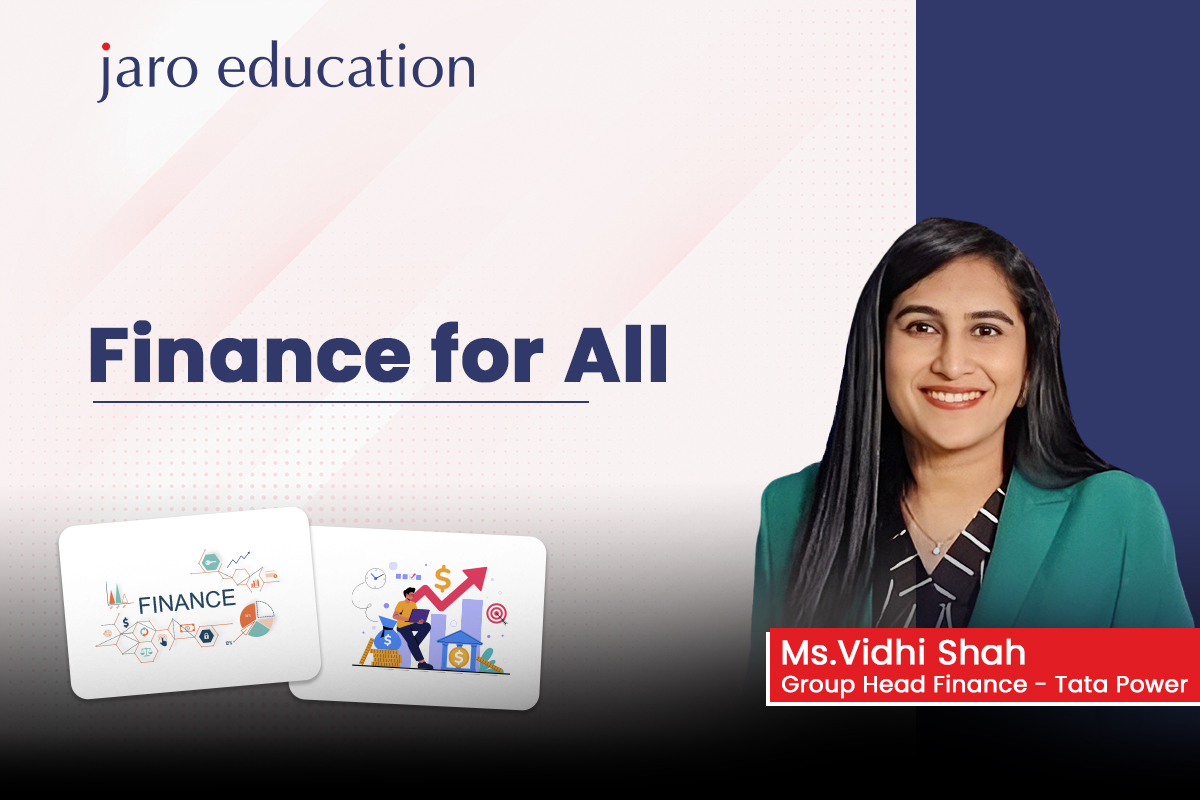
Finance for All – Free Finance Certification Course
One of the biggest reasons students pursue an MBA is the potential for career growth and higher salaries. The BCom MBA salary depends on several factors, including:
Institute reputation
MBA specialisation
Work experience
Industry
Location
Skills
Approximate annual salary ranges are:
Job Role
Average Salary (Approx.)
Financial Analyst
₹5–10 LPA
Marketing Manager
₹7–15 LPA
HR Manager
₹6–12 LPA
Business Consultant
₹8–18 LPA
Product Manager
₹12–25 LPA
Operations Manager
₹7–16 LPA
Graduates from leading business schools may receive significantly higher salary packages depending on the recruiter and role.
How to choose the right MBA programme after BCom
Before applying, consider the following factors:
Accreditation and reputation of the institution
Curriculum relevance
Faculty expertise
Industry exposure
Placement support
Alumni network
Learning format (online, blended, or regular)
Programme fees
Return on investment
Career support services
Choosing a programme aligned with your long-term career goals will help maximise the value of your MBA.
Build Future-Ready Management Skills with Jaro Education
The Accelerated General Management Programme (AGMP) by IIM Ahmedabad is a one-year blended learning programme designed for ambitious mid- to senior-level professionals looking to broaden their business perspective and prepare for larger leadership responsibilities.
The interdisciplinary curriculum covers key areas of general management, including strategy, finance, marketing, operations, leadership, innovation, and digital transformation. Built around IIMA’s case method pedagogy, the programme focuses on helping participants connect management frameworks with real workplace situations.
Its “learn today, apply tomorrow” approach enables professionals to translate classroom concepts into practical business decisions while developing cross-functional confidence and an enterprise-level perspective.
The IIM Ahmedabadblended learning format combines virtual classroom sessions with campus learning, allowing participants to balance professional commitments with meaningful academic and peer interaction.
Final thoughts
Pursuing an MBA after BCom is a natural progression for students who want to combine their commerce knowledge with managerial expertise. Whether your goal is to move into leadership roles, switch industries, specialise in finance, or increase your earning potential, an MBA can provide the knowledge, skills, and professional network needed to achieve those objectives.
If you’re asking can we do MBA after BCom or can I do MBA after BCom, the answer is a definite yes. The key is to choose an MBA programme that matches your career aspirations, learning preferences, and professional goals. With the right specialisation and institution, an MBA can become a valuable investment in your long-term career growth.
Frequently Asked Questions
Yes. Students who have completed a BCom degree from a recognised university are eligible to pursue an MBA, provided they meet the admission requirements of the chosen institution.
Popular options include Finance, Marketing, Business Analytics, Human Resources, Operations Management, International Business, and FinTech. The best specialisation depends on your career interests.
Not always. Most regular MBA programmes accept fresh graduates, while executive MBA programmes generally require prior work experience.
The average BCom MBA salary varies depending on the role, industry, institute, and experience. Entry-level salaries often range from ₹5 LPA to ₹10 LPA, while experienced professionals and graduates from top business schools may earn significantly more.
Yes. Many recognised universities offer online MBA programmes designed for students and working professionals who want flexible learning options without leaving their jobs.

 April 11, 2025
 6 min read





 ChatGPT
 Perplexity
 Claude
 Grok
Grok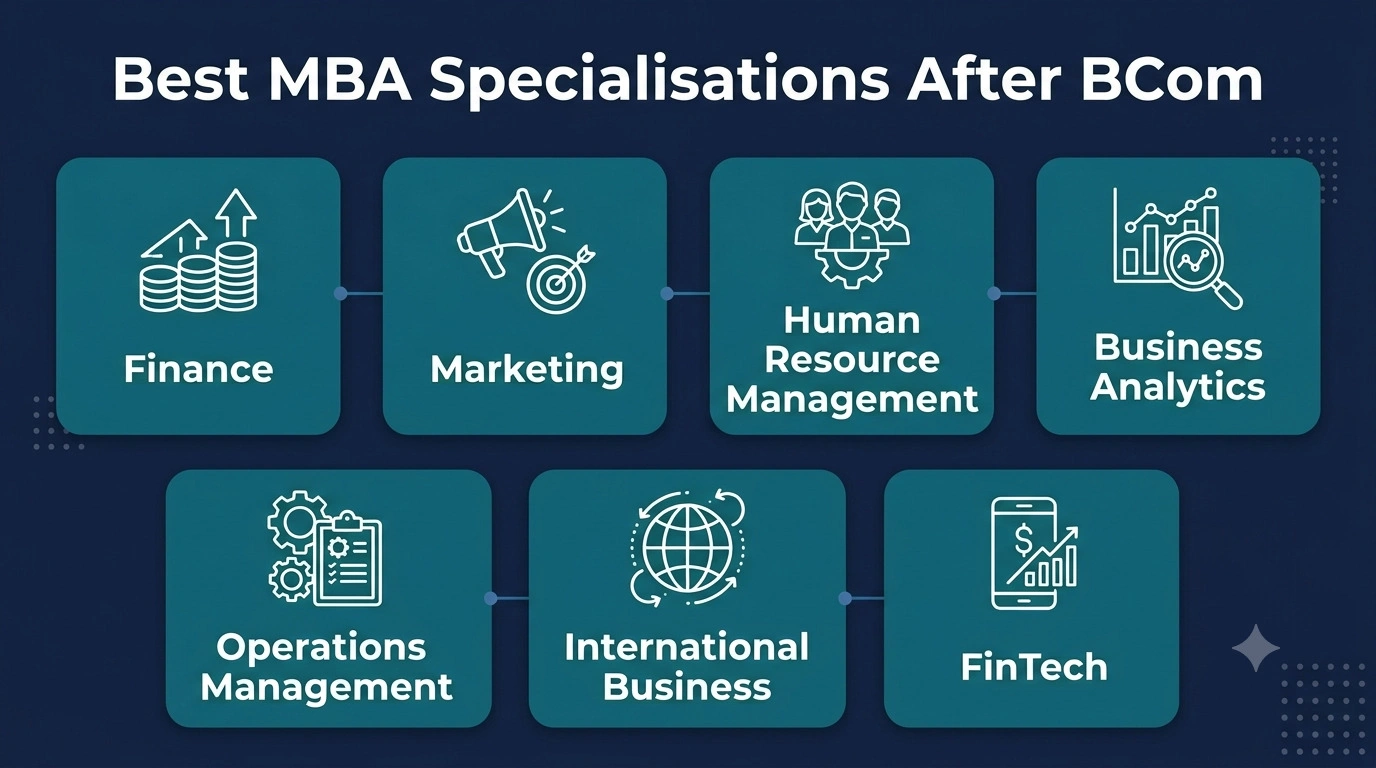







 ROI Calculator