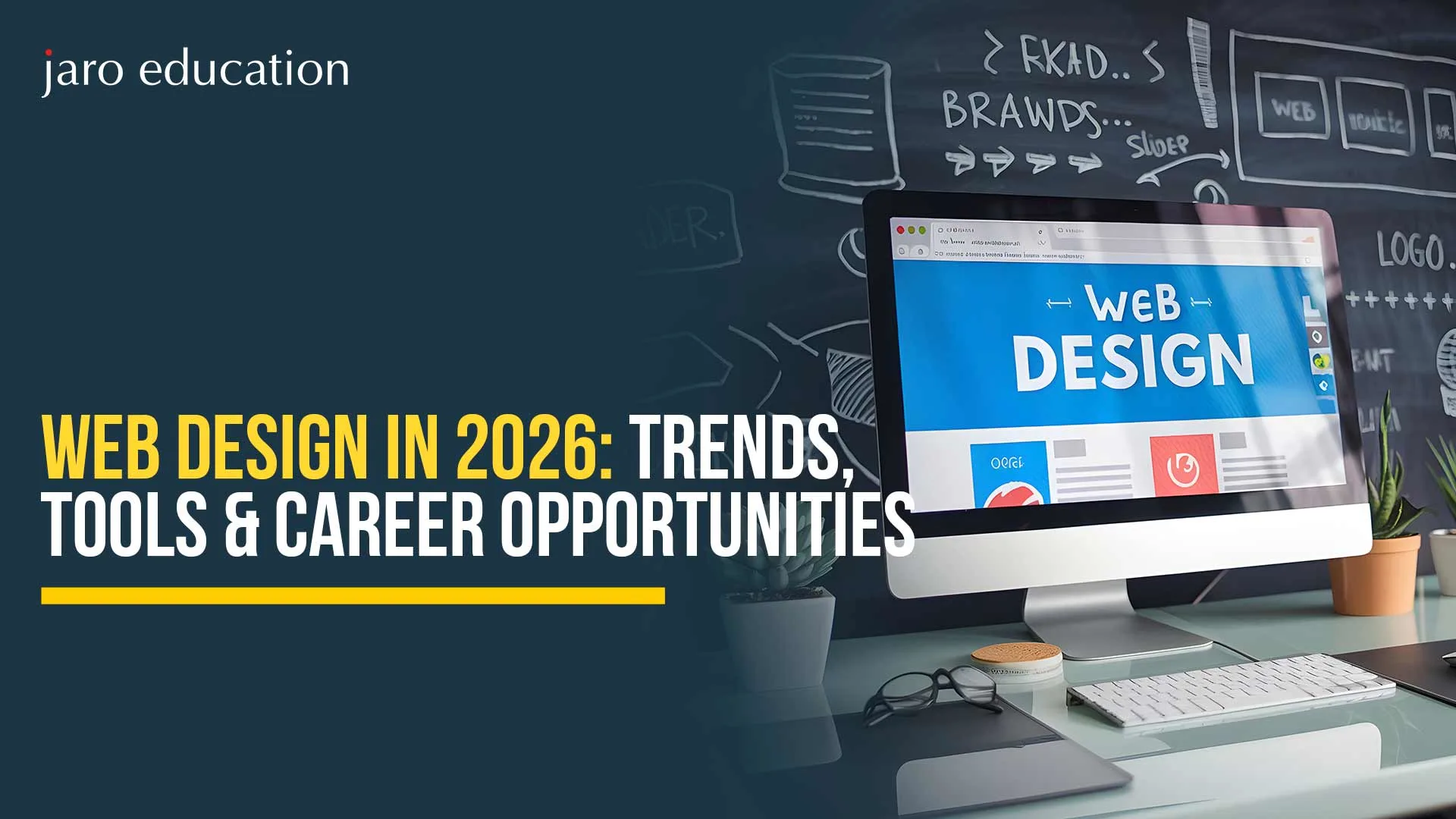
Web design has evolved from simple HTML pages to sophisticated digital experiences powered by artificial intelligence, immersive technologies, and user-centric methodologies. Today’s web designers craft interactive ecosystems that adapt to user behavior, respond to accessibility needs, and deliver seamless experiences across countless devices and screen sizes.
The fundamental question, ‘What is web design?’ now demands a multifaceted answer. Modern web design encompasses visual aesthetics, user experience architecture, motion design, accessibility compliance, performance optimization, and strategic business alignment. According to Coursera’s research on web design trends, contemporary designers must balance creative expression with data-driven decision-making, understanding that every color choice, typography selection, and interaction pattern influences conversion rates and user satisfaction.
Statistics from VWOreveal that 94% of first impressions relate to web design, while 75% of users judge a company’s credibility based on website aesthetics. These numbers underscore a critical reality: web design directly impacts business outcomes, brand perception, and digital success.
The landscape has shifted dramatically toward experience-first thinking. UX Collective’s analysis demonstrates that successful 2026 websites prioritize emotional resonance alongside functionality, creating memorable digital moments that transform casual visitors into engaged users. Designers now leverage emerging tools integrating AI-assisted layout generation, real-time collaboration features, and accessibility testing—capabilities that would have seemed futuristic just years ago.
What distinguishes exceptional web design in 2026 is its contextual awareness. Sites adapt to user preferences, environmental conditions, device capabilities, and behavioral patterns, delivering personalized experiences at scale while maintaining cohesive brand narratives across all touchpoints.
Key Web Design Trends to Expect in 2026
The landscape of web designing is undergoing a fundamental transformation as we enter 2026, driven by technological advancements and shifting user expectations. According to Coursera’s analysis, the convergence of artificial intelligence, immersive technologies, and sustainability concerns is reshaping how designers approach digital experiences.
AI-Powered Personalization and Automation
Artificial intelligence has moved beyond experimental features to become integral in modern web design workflows. Figma’s trend report highlights that 73% of design teams now incorporate AI tools for automated layout suggestions, content generation, and accessibility optimization. These systems analyze user behavior patterns to deliver personalized interfaces dynamically, adjusting everything from color schemes to navigation structures based on individual preferences and browsing history.
The practical application extends to automated design systems that can generate multiple layout variations instantaneously, allowing designers to focus on strategic decision-making rather than repetitive tasks. However, the human element remains crucial—AI serves as an enhancement tool, not a replacement for creative vision and user empathy.
Immersive 3D Experiences and Spatial Design
Three-dimensional elements are transitioning from novelty features to standard expectations.Wix’s 2026 analysis reveals that websites incorporating 3D product visualizations see conversion rates increase by up to 40% compared to traditional static imagery. This trend aligns with the growing sophistication of front-end development capabilities, which now support WebGL and advanced rendering without compromising page performance.
Designers are creating spatial interfaces that respond to cursor movements, scroll depth, and device orientation, blurring the boundaries between two-dimensional screens and immersive environments. This approach particularly resonates in e-commerce, where virtual product interactions bridge the gap between online browsing and physical retail experiences.
What is Web Designing?
Web designing represents the strategic process of planning, conceptualizing, and executing the visual and functional elements of digital experiences accessible through internet browsers. At its foundation, web designing encompasses the architecture of information, user interface development, color theory application, typography selection, and the orchestration of interactive elements that collectively shape how users perceive and navigate digital spaces.
Unlike web development—which focuses on the technical coding infrastructure—web designing prioritizes the user-facing aspects that determine engagement, comprehension, and conversion. The discipline integrates aesthetic principles with psychological understanding of user behavior, creating interfaces that balance beauty with functionality. According to industry research, 94% of first impressions relate to design, underscoring the critical nature of thoughtful visual strategy.
The scope of web designing extends beyond surface-level aesthetics to encompass web analyticsintegration, accessibility standards, responsive frameworks that adapt across devices, and performance optimization techniques. Designers must understand how visual hierarchies guide attention, how whitespace influences cognitive processing, and how interactive elements prompt specific user actions. Modern web design tools like Figma, Adobe XD, and Sketch have democratized the design process, enabling rapid prototyping and collaborative iteration across distributed teams.
The discipline demands a hybrid skill set combining artistic sensibility with technical literacy—designers must translate brand identity into digital expression while maintaining semantic HTML structure, considering SEO implications, and ensuring compliance with WCAG accessibility guidelines. This multifaceted nature positions web designing as both craft and science, requiring continuous learning as technologies, user expectations, and digital behaviors evolve. The convergence of AI-assisted design, motion graphics, and immersive experiences is expanding what web designing encompasses, transforming static pages into dynamic, personalized environments.
The foundation of any successful web design career rests on mastering the right technological toolkit. As digital ecosystems grow increasingly complex, professionals must navigate an expanding landscape of specialized applications that address everything from initial conceptualization to final deployment. The distinction between adequate and exceptional design work often traces back to tool selection and proficiency.
Visual Design and Prototyping Platforms
Modern design workflows center on collaborative platforms that bridge creative vision with technical execution. Figma continues to dominate the collaborative design space, offering cloud-based functionality that enables real-time teamwork across distributed teams. The platform’s component-based architecture allows designers to maintain design systems at scale, ensuring consistency across thousands of pages while accommodating rapid iteration cycles.
Adobe XD and Sketch remain viable alternatives, each offering distinct advantages for specific workflows. However, the trajectory points toward integrated ecosystems that combine prototyping, developer handoff, and version control within a single environment. What typically happens is that design teams standardize on platforms that minimize context-switching and streamlinecommunication channels between designers and developers.
Development and Code Editors
The implementation phase demands robust code editors optimized for web technologies. Visual Studio Code has emerged as the industry standard, supported by an extensive plugin ecosystem that customizes workflows for HTML, CSS, JavaScript, and modern frameworks. The editor’s IntelliSense features provide context-aware code completion, dramatically reducing syntax errors and accelerating development velocity.
WebStorm serves specialized needs for JavaScript-heavy projects, offering advanced refactoring capabilities and integrated debugging tools. One practical approach is maintaining proficiency across multiple editors, selecting tools that align with project requirements rather than forcing universal solutions. The integration of AI-powered code suggestions represents a significant shift, with tools like GitHub Copilot demonstrating how machine learning can augment human creativity rather than replace it.
Content Management and Deployment Systems
Implementation extends beyond code authoring to encompass content management and deployment infrastructure. WordPress remains the dominant CMS platform, powering approximately 43% of all websites globally, according to recent web design statistics. However, headless CMS architectures like Contentful and Strapi are gaining traction, offering API-first approaches that decouple content management from presentation layers.
For those exploring innovative approaches to portfolio creation, platforms like Webflow bridge the gap between visual design and code generation, enabling designers to create production-ready websites without extensive programming knowledge. The trade-off involves reduced flexibility compared to custom-coded solutions, making tool selection dependent on project scope and maintenance requirements.
How to Choose the Right Web Design Tools?
Selecting appropriate design technology represents one of the most consequential decisions for professionals entering web design jobs in 2026. The marketplace currently features over 200 specialized platforms, each promising transformative capabilities. However, optimal tool selection depends less on feature abundance and more on strategic alignment with specific project requirements, team workflows, and career trajectory goals.
Assess Your Design Workflow Requirements
Different web design contexts demand distinct technological approaches. Freelancers managing multiple client projects simultaneously require tools emphasizing rapid prototyping and seamless client collaboration features. In contrast, professionals within enterprise environments prioritize platforms offering robust version control, design system management, and team coordination capabilities. According to research from Coursera, 67% of design teams report that workflow incompatibility with their chosen tools creates significant project delays.
The prototyping stage typically benefits from visual design platforms, while development handoff requires tools with precise specification documentation. Projects involving extensive user testing demand integrated feedback collection mechanisms. Teams working across time zones need asynchronous collaboration features, whereas co-located groups often prefer real-time editing capabilities.
Evaluate Technical Integration Capabilities
Contemporary web design tools must function within broader development ecosystems rather than as isolated applications. Examine how potential platforms integrate with existing version control systems, content management platforms, and development frameworks already established within your workflow. Tools offering API access, plugin architectures, and webhook support provide superior flexibility for custom workflow automation.
Consider compatibility with SEO optimization requirements that increasingly influence design decisions from project inception. Platforms supporting structured data implementation, performance monitoring, and accessibility testing deliver compounding value throughout the development lifecycle. The most effective tools eliminate redundant manual transfers between design and development phases.
Consider scalability and whether the platform can accommodate your growth trajectory over the next three to five years.
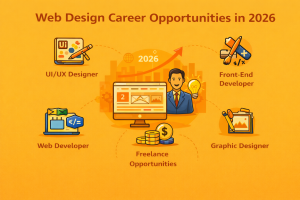
Web Design Career Opportunities in 2026
The professional landscape for web design has transformed dramatically, creating unprecedented pathways for specialists across multiple disciplines. Employment projections indicate substantial growth, with the Bureau of Labor Statistics forecasting a 16% increase in digital design positions through 2032—significantly outpacing average occupational growth rates. This expansion reflects businesses’ growing recognition that digital presence directly correlates with competitive advantage and revenue generation.
Specialized Career Paths
Contemporary web design jobs have evolved beyond traditional generalist roles into distinct specializations. UX architects command premium compensation by architecting comprehensive user journeys across complex digital ecosystems. UI specialists focus exclusively on interface aesthetics and interaction patterns, while motion designers create animated experiences that guide user attention and reinforce brand personality. Accessibility specialists ensure compliance with WCAG standards while expanding market reach to previously underserved populations.
Web design trends- 2026 increasingly emphasize interdisciplinary expertise. Professionals who combine design proficiency with complementary skills—such as content strategyor data analytics—position themselves advantageously in competitive markets. A common pattern involves designers developing technical literacy in front-end development, enabling more effective collaboration with engineering teams and reducing implementation friction.
Emerging Market Dynamics
Remote work arrangements have fundamentally restructured talent acquisition in web design. Organizations now source talent globally, creating opportunities for professionals in diverse geographic markets while simultaneously intensifying competition. Freelance platforms report 34% annual growth in web design career opportunities, with contract positions often offering flexibility that appeals to professionals prioritizing work-life integration. What typically happens in this environment is that specialists with documented portfolios and clear communication skills secure premium project rates regardless of physical location.
The employment landscape for web design professionals has expanded beyond traditional agency roles, creating diverse pathways that accommodate various skill levels and specialization preferences. Organizations across industries now recognize that digital presence directly impacts revenue generation, with 70% of companies reporting measurable business outcomes from strategic design investments.
Entry-Level Positions and Requirements
Junior designers typically enter the field through roles requiring foundational proficiency in visual hierarchy, typography, and responsive layout principles. What distinguishes successful candidates is demonstrating practical project experience through portfolio work rather than relying solely on academic credentials. A common pattern shows employers prioritizing candidates who exhibit understanding of user-centered design methodologies alongside technical competency in industry-standard software.
Specialized Design Roles
The future of web design manifests most clearly in emerging specialized positions. UX researchers focus exclusively on user behavior analysis, employing qualitative and quantitative methodologies to inform design decisions. Interaction designers concentrate on micro-interactions and motion design elements that enhance engagement metrics. Accessibility specialists ensure digital products comply with WCAG standards while maintaining aesthetic integrity—a role experiencing 34% annual growth according to recent employment data.
Remote and Freelance Opportunities
Geographic constraints no longer limit web design career advancement. Platforms connecting freelancers with clients enable professionals to build international portfolios while maintaining flexible schedules. What typically happens is that designers establish client relationships through contract work before transitioning to retainer arrangements or full-time remote positions. This model particularly benefits specialists in emerging design trendsrequiring niche expertise that local markets cannot always support effectively.
Navigating Challenges in the Web Design Industry
The evolution of modern web design presents practitioners with a complex landscape of technical, creative, and professional challenges that demand strategic navigation. While opportunities in the field continue expanding, designers must confront significant obstacles that affect project outcomes, client relationships, and career sustainability.
Technical Complexity and Tool Proliferation
The sheer volume of available design tools and technologies creates decision paralysis for many professionals. Research indicates that designers frequently struggle with choosing appropriate technologies for specific project requirements. The continuous emergence of new frameworks, libraries, and platforms demands constant learning investments that strain professional development resources.
Performance optimization represents a persistent challenge, particularly as design ambitions clash with technical constraints. A common pattern in practice involves balancing visual sophistication against loading speed requirements, where designers must reconcile creative vision with display advertising principlesand user experience mandates.
Client Communication and Expectation Management
Designers frequently encounter clients with unrealistic budget expectations or fundamental misunderstandings about project scope and timelines. The challenge intensifies when stakeholders lack technical literacy, requiring designers to translate complex concepts into accessible language without oversimplifying critical considerations.
Version control and feedback management create additional friction points. What typically happens is that multiple stakeholders provide conflicting direction, requiring diplomatic negotiation and clear process documentation to maintain project coherence.
Market Saturation and Competitive Pressure
The democratization of design tools has flooded the market with practitioners at varying skill levels, creating downward pressure on pricing and increasing competition for premium opportunities. This saturation particularly affects freelancers and small agencies competing against automated solutions and template-based platforms.
As the industry continues maturing, understanding these challenges becomes essential for sustainable career development and project success.
While the expanding field of web design offers substantial opportunities, practitioners must navigate inherent constraints and emerging challenges that shape project outcomes. Understanding these limitations enables designers to set realistic expectations, develop contingency strategies, and deliver sustainable solutions that align with client capabilities and market realities.
Technical Constraints and Performance Trade-offs
Modern web design frequently encounters tension between aesthetic ambition and technical feasibility. According toVWO research, 53% of mobile users abandon sites that take longer than three seconds to load, creating pressure to balance visual sophistication with performance optimization. The proliferation of interactive animations, high-resolution imagery, and dynamic content often conflicts with speed requirements, forcing designers to prioritize features based on measurable user engagement metrics.
Browser compatibility remains a persistent challenge despite standardization efforts. What renders perfectly in Chrome may display inconsistently in Safari or legacy browsers that users continue accessing, particularly in enterprise environments. This fragmentation necessitates extensive testing across platforms and sometimes compromises cutting-edge design implementations.
Budget Realities and Resource Allocation
Financial constraints fundamentally shape project scope and execution quality. Small businesses frequently lack resources for comprehensive web design projects that encompass extensive user research, multiple iteration cycles, and ongoing maintenance. The median cost for professionalwebsite development ranges from $12,000 to $150,000 depending on complexity, creating accessibility barriers for startups and solopreneurs.
Resource limitations extend beyond initial development. Maintaining contemporary design standards requires continuous updates, security patches, and content refreshes that demand ongoing budget allocation. Organizations often underestimate these recurring costs, leading to websites that quickly become outdated or vulnerable to security threats.
The Challenge of Evolving UX Design Trends
Staying current with UX design trends while maintaining usability creates inherent tension. A practical approach involves evaluating trend alignment with user needs rather than implementing novelties purely for aesthetic appeal. What appears innovative today may become a usability barrier tomorrow, particularly as certain design patterns gain widespread adoption and user expectations shift accordingly.
The rapid evolution of design conventions also creates knowledge obsolescence. Designers must continuously invest in learning new tools, frameworks, and methodologies while managing existing client relationships and project deliverables. This professional development requirement intensifies as the field incorporates artificial intelligence, voice interfaces, and augmented reality elements into standard practice.
Accessibility and Inclusive Design Requirements
Meeting comprehensive accessibility standards adds complexity and timeline requirements to projects. Website design standards mandate compliance with WCAG guidelines, which encompass color contrast ratios, keyboard navigation, screen reader compatibility, and alternative text for visual elements. These requirements sometimes conflict with brand aesthetic preferences or design simplicity goals.
However, overlooking accessibility creates legal exposure and excludes significant user populations. Balancing inclusive design principles with visual appeal requires intentional planning from project inception.
Understanding these limitations allows professionals entering web design careers to develop realistic project scopes, communicate effectively with stakeholders, and build sustainable practices that acknowledge both possibilities and constraints within the contemporary digital landscape.
Key Takeaways
For those pursuing a web design career, 2026 offers diverse pathways spanning specialized technical roles, strategic consulting positions, and creative leadership opportunities. The expansion of web design jobs across industries—from technology startups to healthcare organizations—underscores the universal importance of digital presence. Professionals who combine technical proficiency with business acumen and continuous learning mindsets position themselves for sustained career growth.
As the digital ecosystem continues evolving, successful web designers must embrace adaptability, prioritize user-centered thinking, and maintain awareness of emerging technologies. Whether you’re optimizing for search visibility or selecting development tools, the principles of thoughtful design remain constant. The organizations and individuals who recognize web design as strategic investment rather than aesthetic afterthought will define the digital experiences of tomorrow.
Frequently Asked Questions
Web design is the process of creating and organizing websites using layout, visuals, and user-friendly features. It involves various tools to build attractive and functional web pages. Understanding web design is important for anyone looking to start a career in the field.
To begin web design, start by learning basic concepts such as HTML, CSS, and responsive design. You can try out beginner-friendly tools and practice by making simple websites. Building a solid foundation will help you pursue jobs in web design and advance your career.
A web designer’s salary varies based on experience, skills, and location. Professionals with strong expertise in design tools and UI/UX typically earn more. Entry-level positions offer decent pay, while experienced designers can make significantly more. A growing career in web design offers good earning potential in the digital industry.
The seven steps in web design usually include planning, research, wireframing, design, development, testing, and launch. Each step uses different tools to create a seamless and user-friendly website. Following these steps can help you succeed in your web design career and increase your job opportunities.
Shubham Lal
Lead Software Developer
Shubham Lal joined Microsoft in 2017 and brings 8 years of experience across Windows, Office 365, and Teams. He has mentored 5,000+ students, supported 15+ ed-techs, delivered 60+ keynotes including TEDx, and founded AI Linc, transforming learning in colleges and companies.

 March 28, 2026
 14 min read




 ChatGPT
 Perplexity
 Claude
 Grok
Grok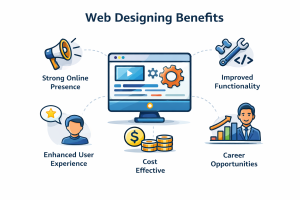




 Admission Open
 Admission Closed

 Admission Open
 Admission Closed
 ROI Calculator