HOME > BLOG > Career Development > Highest Paying Jobs After MBA in India 2026: Roles, Salaries & Which Specialisation to Choose
Career Development
Highest Paying Jobs After MBA in India 2026: Roles, Salaries & Which Specialisation to Choose
J
By Dr. Sanjay Kulkarni
June 21, 20268 min read
Last updated on June 22, 2026
SHARE THIS ARTICLE
Table Of Content
Why MBA Graduates Continue to Be in Demand in 2026
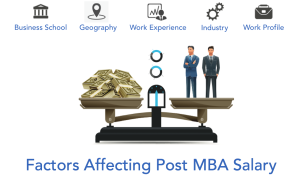
Factors That Influence MBA Salaries
Highest Paying Jobs After MBA in India 2026
MBA Salary Comparison Table 2026
An MBA continues to be one of the most valuable postgraduate qualifications for professionals seeking career advancement, leadership opportunities, and higher earning potential. While the degree itself opens doors to managerial and strategic roles, the real question many aspirants ask is, "Which jobs offer the highest salaries after an MBA in India?"
The answer depends on several factors, including your specialisation, industry, work experience, business skills, and ability to adapt to changing market demands. In 2026, the business landscape is evolving rapidly due to artificial intelligence, digital transformation, globalisation, and data-driven decision-making. As a result, organisations are actively looking for professionals who can combine management expertise with domain-specific knowledge.
Fields such as consulting, investment banking, product management, business analytics, supply chain management, and AI-enabled business strategy are witnessing strong hiring demand and competitive salary packages. Professionals with an MBA are increasingly being considered for leadership roles that require both strategic thinking and execution capabilities.
Whether you are planning to pursue an MBA or are already enrolled in one, understanding the highest paying jobs after MBA India can help you make informed decisions about your career path and specialisation.
Why MBA Graduates Continue to Be in Demand in 2026
Despite technological advancements and changing workforce dynamics, the demand for MBA graduates remains strong.
Modern organisations require leaders who can:
Drive business growth
Manage cross-functional teams
Make strategic decisions
Lead digital transformation initiatives
Interpret business data
Manage stakeholder relationships
An MBA develops a combination of technical, managerial, and leadership skills that are valuable across industries.
Additionally, businesses are increasingly seeking professionals who can bridge the gap between technology and management. This has created new opportunities for MBA graduates in emerging domains such as Artificial Intelligence, Business Analytics, FinTech, and Supply Chain Technology.
Factors That Influence MBA Salaries
*e-gmat
Before exploring specific job roles, it is important to understand what determines MBA compensation.
MBA Specialisation
Your specialisation often plays a major role in determining career opportunities and salary levels.
One of the newest and fastest-growing MBA career paths is AI Strategy Consulting.
These professionals help organisations identify opportunities to leverage Artificial Intelligence for business growth.
Average Salary
₹18–45 LPA+
Best MBA Specialisation
Business Analytics, Strategy
Skills Required
AI Fundamentals
Business Strategy
Data Analytics
Change Management
9. Operations Manager
Operations Managers ensure business processes run efficiently and effectively.
They play a key role in improving productivity and operational excellence.
Average Salary
₹10–25 LPA+
Best MBA Specialisation
Operations Management
Skills Required
Process Optimisation
Project Management
Resource Planning
Operational Strategy
10. Human Resources Director
HR leadership roles continue to offer strong compensation packages, particularly in large organisations.
HR Directors are responsible for:
Talent Strategy
Workforce Planning
Leadership Development
Organisational Culture
Average Salary
₹15–35 LPA+
Best MBA Specialisation
Human Resource Management
Skills Required
Talent Management
Leadership Development
HR Analytics
Workforce Planning
MBA Salary Comparison Table 2026
Job Role
Average Salary Range
Investment Banker
₹15–40 LPA+
Management Consultant
₹12–35 LPA+
Product Manager
₹15–45 LPA+
Business Analytics Manager
₹12–30 LPA+
Marketing Manager
₹10–25 LPA+
Financial Manager
₹12–30 LPA+
Supply Chain Manager
₹10–28 LPA+
AI Strategy Consultant
₹18–45 LPA+
Operations Manager
₹10–25 LPA+
Human Resources Director
₹15–35 LPA+
Emerging High-Paying MBA Careers in AI, Finance & SCM
The business world is evolving rapidly, creating new opportunities for MBA graduates beyond traditional management roles.
AI Product Manager
Combines product management expertise with artificial intelligence applications.
FinTech Manager
Leads innovation in digital banking, financial services, and payment technologies.
Supply Chain Analytics Manager
Uses advanced analytics to optimise logistics and operational efficiency.
Digital Transformation Consultant
Helps organisations implement technology-driven business transformation initiatives.
Revenue Strategy Manager
Focuses on improving profitability through data-driven pricing and growth strategies.
These roles are expected to experience significant growth over the next decade and often offer compensation packages comparable to traditional consulting and finance careers.
Free Courses
Finance for All – Free Finance Certification Course
Best MBA Specialisations for High Salaries in 2026
While an MBA degree can open doors to a wide range of career opportunities, choosing the right specialisation can significantly impact your earning potential and long-term career growth.
In 2026, employers are increasingly looking for professionals who possess both management expertise and specialised knowledge in high-growth domains. As a result, certain MBA specialisations are associated with stronger salary packages and better career prospects than others.
MBA in Finance
Finance continues to be one of the most prestigious and rewarding MBA specialisations.
Professionals with finance expertise often work in:
Investment Banking
Corporate Finance
Wealth Management
Equity Research
Financial Consulting
Risk Management
Average Salary Range
₹10–40 LPA+
Best For
Analytical thinkers
Numbers-oriented professionals
Candidates interested in financial markets
MBA in Business Analytics
Business Analytics has emerged as one of the fastest-growing MBA specialisations.
As organisations increasingly rely on data-driven decision-making, professionals who can interpret and leverage business data are in high demand.
Average Salary Range
₹12–35 LPA+
Best For
Data-driven professionals
Problem solvers
Technology enthusiasts
MBA in Marketing
Marketing remains one of the most versatile MBA specialisations.
The growth of digital platforms, e-commerce, and consumer analytics has expanded career opportunities for marketing professionals.
Average Salary Range
₹8–25 LPA+
Best For
Creative professionals
Brand enthusiasts
Customer-focused individuals
MBA in Operations & Supply Chain Management
Global supply chain disruptions and rapid e-commerce growth have significantly increased demand for supply chain professionals.
HR has evolved from an administrative function to a strategic business discipline.
Modern HR professionals increasingly work on:
Talent Analytics
Workforce Planning
Leadership Development
Employee Experience
Average Salary Range
₹8–25 LPA+
Best For
People-oriented professionals
Leadership-focused individuals
Talent management specialists
MBA Specialisation Comparison 2026
Specialisation
Salary Potential
Industry Demand
Future Growth
Best For
Finance
Very High
High
High
Investment & Corporate Finance
Business Analytics
Very High
Very High
Very High
Data-Driven Careers
Marketing
High
High
High
Brand & Digital Growth
Operations & SCM
High
Very High
Very High
Logistics & Operations
Human Resources
High
High
Moderate to High
People Management
Finance vs Business Analytics vs SCM vs Marketing: Which Is Better?
Many MBA aspirants struggle to choose between these popular specialisations.
The right choice depends on your interests, strengths, and career goals.
Choose Finance If:
You enjoy working with numbers
You are interested in investments and financial markets
You want to pursue careers in banking, consulting, or corporate finance
Choose Business Analytics If:
You enjoy analysing data
You are interested in AI and technology
You want future-ready career opportunities
Choose Supply Chain Management If:
You enjoy solving operational challenges
You are interested in logistics and global business operations
You want opportunities in manufacturing, e-commerce, or consulting
Choose Marketing If:
You enjoy creativity and communication
You are interested in consumer behaviour
You want careers in branding, advertising, or digital marketing
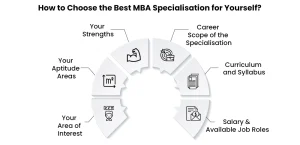
Which MBA Specialisation Should You Choose?
*collegevidya
Rather than focusing solely on salary, professionals should consider:
Career Interests
Choose a field that genuinely aligns with your strengths and long-term aspirations.
Industry Demand
Evaluate which industries are experiencing strong growth.
Future Relevance
Consider how emerging technologies such as AI and automation may impact your chosen field.
Skill Development
The most successful MBA graduates continuously upgrade their skills beyond formal education.
How to Maximise Your MBA Salary
An MBA degree alone does not guarantee a high salary.
Professionals who achieve the highest compensation packages often focus on developing a combination of technical expertise, leadership capabilities, and business acumen.
Build In-Demand Skills
Consider developing expertise in:
Business Analytics
AI Applications
Financial Modelling
Product Management
Digital Transformation
Supply Chain Analytics
Gain Relevant Experience
Employers value practical experience as much as academic qualifications.
Seek opportunities to:
Lead projects
Manage teams
Solve business problems
Drive measurable outcomes
Develop Leadership Capabilities
Strong leadership skills remain one of the biggest differentiators in senior management roles.
Focus on:
Strategic thinking
Communication
Stakeholder management
Decision-making
Stay Updated with Industry Trends
Business environments are evolving rapidly.
Continuous learning helps professionals remain competitive and relevant.
Several trends are expected to shape MBA careers over the next decade.
AI-Enabled Business Leadership
Leaders who understand both business strategy and artificial intelligence will be highly sought after.
Data-Driven Decision Making
Organisations increasingly rely on analytics to guide business decisions.
Digital Transformation Roles
Companies continue investing heavily in technology-led business transformation.
Sustainability and ESG Management
Environmental, Social, and Governance (ESG) initiatives are creating new leadership opportunities.
Global Supply Chain Leadership
Supply chain resilience remains a major business priority, driving demand for skilled professionals.
These trends indicate that MBA graduates who combine management expertise with specialised domain knowledge will continue to enjoy strong career prospects.
Why an Online MBA Can Support Career Growth
Modern Online MBA programs provide professionals with the flexibility to develop business and leadership skills while continuing their careers.
Benefits include:
Flexible learning schedules
Industry-relevant curriculum
Networking opportunities
Leadership development
Career advancement support
For working professionals looking to accelerate their careers without taking a break from work, Online MBA programs continue to be a valuable pathway.
The highest paying jobs after MBA India in 2026 span a wide range of industries, including finance, consulting, product management, business analytics, supply chain management, and emerging AI-focused roles.
While careers such as Investment Banker, Product Manager, Management Consultant, and AI Strategy Consultant offer some of the highest salary packages, long-term success ultimately depends on a combination of education, skills, experience, and continuous learning.
Choosing the right MBA specialisation is one of the most important career decisions you will make. Finance remains a strong option for aspiring investment professionals, Business Analytics continues to benefit from the rise of AI and data-driven decision-making, Supply Chain Management is gaining importance due to global business complexity, and Marketing continues to evolve with digital transformation.
Rather than pursuing a specialisation solely based on salary, focus on aligning your choice with your strengths, interests, and future career aspirations. When combined with practical experience and continuous skill development, an MBA can become a powerful catalyst for long-term professional growth and leadership success.
Frequently Asked Questions
Investment Banker, Product Manager, AI Strategy Consultant, and Management Consultant are among the highest-paying MBA careers in India in 2026.
Finance and Business Analytics are generally considered among the highest-paying MBA specialisations, although compensation depends on industry, experience, and employer.
Both specialisations offer excellent career opportunities. Finance is ideal for investment and corporate finance careers, while Business Analytics is suited for data-driven and technology-focused roles.
MBA salaries vary significantly depending on experience, specialisation, and industry. Compensation can range from ₹6 LPA for entry-level roles to ₹40 LPA+ for senior and specialised positions.
Business Analytics, AI-related management disciplines, Finance, and Supply Chain Management are expected to remain highly relevant due to evolving industry demands.
Yes. Roles such as AI Strategy Consultant, Digital Transformation Consultant, and Analytics Manager are experiencing strong growth as organisations adopt AI technologies.
Yes. An Online MBA can help professionals develop leadership, business, and strategic skills that may support career progression and salary growth over time.
Dr. Sanjay Kulkarni
Data & AI Transformation Leader
Dr. Sanjay Kulkarni is a Data & AI Transformation Leader with over 25 years of industry experience. He helps organizations adopt data-driven and responsible AI practices through strategic guidance and education. With experience across startups and global enterprises, he bridges the gap between theory and real-world application. His work empowers teams to innovate and thrive in AI-driven environments.
 HOME > BLOG > Career Development > Highest Paying Jobs After MBA in India 2026: Roles, Salaries & Which Specialisation to Choose
 June 21, 2026
 8 min read








 Admission Open
 Admission Open
 Admission Open
 Admission Open
 ROI Calculator