HOME > BLOG > Digital Marketing > How to Create a Digital Marketing Strategy for Beginners in 10 Steps
Digital Marketing
How to Create a Digital Marketing Strategy for Beginners in 10 Steps
J
By Priya Sahu
April 8, 20258 min read
Last updated on August 20, 2026
SHARE THIS ARTICLE
Table Of Content
What is a Digital Marketing Strategy?
How to Create a Digital Marketing Strategy for Beginners in 10 Steps
Common Mistakes Beginners Make While Creating a Digital Marketing Strategy
Advance Your Digital Marketing Career with Jaro Education
Key Insights
A strong digital marketing strategy provides a clear roadmap for reaching the right audience and achieving measurable business growth.
Every successful strategy begins with clear goals, audience insights, the right marketing channels, and consistent optimisation.
Small mistakes such as skipping SEO, ignoring analytics, or posting without a plan can reduce campaign effectiveness and ROI.
The right digital marketing course can help build practical skills in SEO, content marketing, social media, performance marketing, and analytics.
Executive programmes from leading institutions such as IIM Kozhikode and IIT Delhi offer professionals an opportunity to gain industry-relevant expertise.
Jaro Education connects learners with career-focused programmes designed to help them stay competitive in today's evolving digital marketing landscape.
A successful online presence doesn't happen by chance. It starts with a well-planned digital marketing strategy that aligns your business goals, the right digital channels, and customer needs. Whether you're a student, entrepreneur, or marketing professional, having a structured approach helps you make informed decisions instead of relying on guesswork.
In this guide, we'll walk you through the essential digital marketing steps beginners should follow, highlight common mistakes to avoid, and explain how developing the right skills through a digital marketing course can help you build a rewarding career.
A digital marketing strategy is a structured plan that outlines how a business will use digital channels to achieve specific marketing and business objectives. It serves as a roadmap for reaching the right audience, building brand awareness, generating leads, increasing customer engagement, and driving sales.
Unlike individual marketing activities, a strategy brings all digital efforts together under a unified plan. It defines who you want to reach, what you want to achieve, which platforms you’ll use, the type of content you’ll create, and how you’ll measure success.
A strong digital marketing strategy typically includes:
How to Create a Digital Marketing Strategy for Beginners in 10 Steps
Credit: pearlacademy.com
Creating an effective digital marketing strategy may seem overwhelming at first, but it becomes much easier when you follow a structured approach. Instead of trying every marketing tactic at once, focus on building a strategy that aligns with your business goals, audience needs, and available resources. These ten digital marketing steps provide a practical framework to help beginners create campaigns that drive meaningful and measurable results.
Step 1: Define Clear Marketing Goals
Every successful digital marketing strategy begins with a clear purpose. Before choosing marketing channels or creating content, identify what you want to achieve. Without defined goals, measuring success or making improvements becomes difficult.
Your objectives might include:
Increasing website traffic
Generating qualified leads
Growing online sales
Building brand awareness
Improving customer engagement
Increasing customer retention
A good practice is to use SMART goals, meaning your objectives should be Specific, Measurable, Achievable, Relevant, and Time-bound. For example, instead of aiming to “grow social media,” set a goal to increase Instagram followers by 20% within six months. Well-defined goals provide direction for every marketing decision you make.
Step 2: Understand Your Target Audience
Even the best campaigns fail when they reach the wrong people. Understanding your audience helps you create personalized experiences that address their interests, challenges, and buying behaviour.
Start by building buyer personas using information such as:
Age and gender
Location
Education and occupation
Income level
Interests and hobbies
Online behaviour
Preferred digital platforms
Pain points and purchasing motivations
You can gather these insights through customer surveys, website analytics, social media insights, and market research. The more you understand your audience, the easier it becomes to create relevant messaging, choose suitable platforms, and deliver content that encourages engagement and conversions.
Step 3: Research Your Competitors
A strong digital marketing strategy also involves understanding what your competitors are doing. Competitor analysis helps identify industry trends, discover opportunities, and avoid common mistakes.
Review competitors to understand:
Which digital platforms they actively use
The type of content they publish
Keywords they rank for
Paid advertising campaigns
Customer engagement levels
Strengths and areas where they fall short
The goal isn’t to copy competitors but to learn from them. If competitors receive high engagement from educational videos or detailed blog articles, consider how you can create even more valuable content that better serves your audience.
Step 4: Select the Right Digital Marketing Channels
One of the biggest beginner mistakes in digital marketing strategy is trying to establish a presence on every platform. A smarter approach is choosing channels where your audience is most active and where your business objectives can be achieved effectively.
Some of the most commonly used channels include:
Search Engine Optimisation (SEO): Improves organic visibility on search engines and drives long-term website traffic.
Content Marketing: Builds authority through blogs, guides, videos, case studies, and downloadable resources.
Social Media Marketing: Connects with audiences across platforms such as Instagram, LinkedIn, Facebook, X, and YouTube.
Pay-Per-Click (PPC): Generates immediate visibility through paid advertisements.
Influencer Marketing: Expands brand reach through trusted creators and industry experts.
Selecting the right combination of channels allows you to focus your time and budget where they’ll deliver the highest impact.
Step 5: Develop a Content Strategy
Content plays a central role in every digital marketing strategy because it supports every stage of the customer journey, from awareness to purchase and retention. Rather than publishing randomly, create content that answers customer questions, solves problems, and builds trust.
Your content mix can include:
Blog articles
Videos
Infographics
E-books
Case studies
Webinars
Podcasts
Social media posts
Email newsletters
A content calendar helps maintain consistency while ensuring every piece aligns with your business goals. Planning content in advance also makes it easier to maintain quality and publish regularly without last-minute pressure.
Step 6: Optimise Your Website
Your website often creates the first impression of your business. Even excellent marketing campaigns can struggle if visitors encounter a slow, confusing, or poorly designed website.
Focus on optimising key areas such as:
Mobile responsiveness
Fast page loading speed
Simple website navigation
Clear calls-to-action (CTAs)
SEO-friendly page structure
Secure HTTPS connection
Easy contact and enquiry options
An optimised website not only improves user experience but also supports higher search engine rankings, better engagement, and increased conversions.
Step 7: Allocate Your Budget and Resources
Every digital marketing strategy plan requires thoughtful budgeting. While beginners don’t need enormous budgets, they should allocate resources wisely based on priorities and expected returns.
If you’re working with a team, clearly assign responsibilities for content creation, campaign management, analytics, and customer communication. Well-planned resource allocation improves efficiency and keeps campaigns running smoothly.
Step 8: Launch Your Campaigns
Once your planning is complete, it’s time to put your digital marketing strategy into action. Successful campaign execution requires consistency across every customer touchpoint.
Maintain consistency in areas such as:
Brand messaging
Visual identity
Posting schedules
Advertising creatives
Customer communication
Landing page experience
Marketing automation platforms can simplify repetitive tasks such as email campaigns, lead nurturing, social media scheduling, and customer segmentation. This allows you to spend more time analysing results and improving performance.
Step 9: Monitor Performance
No digital marketing strategy is complete without measuring results. Tracking performance helps identify successful campaigns, uncover weaknesses, and optimise future activities.
Tools like Google Analytics, Google Search Console, Meta Business Suite, and other marketing dashboards provide valuable insights into customer behaviour and campaign performance. Reviewing these metrics regularly helps ensure your strategy stays aligned with business goals.
Step 10: Optimise and Improve Continuously
Digital marketing strategy isn’t a one-time activity. Consumer preferences, search engine algorithms, technology, and market trends continue to evolve, making continuous improvement essential for long-term success.
Regular optimisation may involve:
Updating outdated or underperforming content
Running A/B tests on ads and landing pages
Refining audience targeting
Improving website user experience
Exploring emerging marketing channels
Scaling campaigns that consistently deliver results
Businesses that regularly analyse performance and adapt their digital marketing strategy are better positioned to stay competitive, improve customer experiences, and maximise marketing ROI over time. Continuous learning, experimentation, and optimisation are what transform a good strategy into a sustainable growth engine.
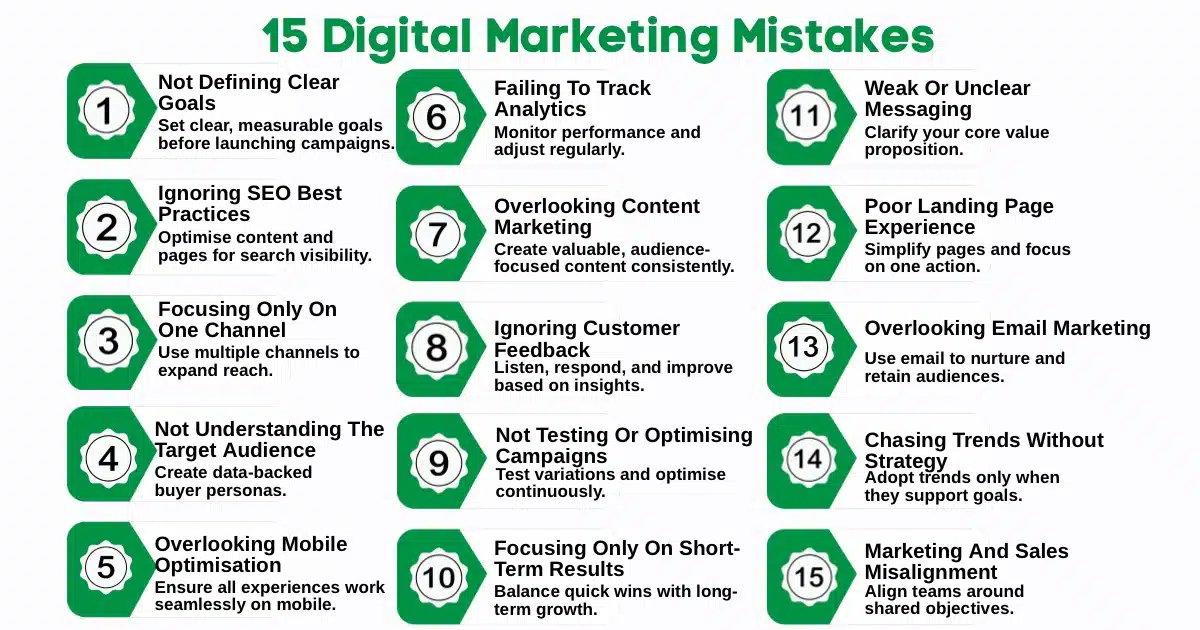
Common Mistakes Beginners Make While Creating a Digital Marketing Strategy
Many beginners overlook key aspects that determine the success of their campaigns. Avoiding these common mistakes can help you save time, optimise your marketing budget, and achieve better results.
Credit: wildcreekstudio.com
Lack of Clear Goals: Set measurable objectives like traffic, leads, or sales before launching campaigns.
Skipping Audience Research: Understand your target audience’s needs, behaviour, and preferred platforms.
Using Every Platform: Focus on channels that best match your audience and business goals.
Ignoring SEO: Optimise your website and content to build long-term organic visibility.
Posting Without a Plan: Use a content calendar to maintain consistency and align content with your strategy.
Not Tracking Performance: Monitor key metrics like traffic, conversions, CTR, and ROI to improve results.
Expecting Instant Success: Digital marketing takes time. Stay consistent and optimise based on data.
Advance Your Digital Marketing Career with Jaro Education
Through Jaro Education, professionals can explore industry-relevant digital marketing programmes offered in collaboration with leading institutions. These programmes are designed to bridge the gap between academic concepts and real-world business applications, making them suitable for students, entrepreneurs, marketing professionals, and career switchers alike.
Why Choose a Digital Marketing Programme through Jaro Education?
Industry-aligned curriculum covering the latest digital marketing tools, platforms, and trends.
Learn from experienced faculty and industry experts through interactive online sessions.
Hands-on learning with practical assignments, case studies, and real-world business scenarios.
Flexible learning formats that allow working professionals to upskill while managing their careers.
Networking opportunities with peers from diverse industries, fostering collaboration and knowledge sharing.
Career-focused learning that helps build skills relevant to roles in digital marketing, brand management, performance marketing, content strategy, and marketing analytics.
Whether you’re starting your career or looking to transition into a digital-first role, investing in a digital marketing course can help you develop in-demand skills and stay competitive in today’s rapidly evolving business environment.
Top Executive Digital Marketing Programmes to Advance Your Career in Digital Marketing Strategy
Graduates (10+2+3) from a recognised university in any discipline. Admission is based on IIT Delhi’s screening and selection process.
Choosing the right programme depends on your career goals, professional experience, and areas of interest. Whether you want to specialise in AI-driven digital marketing or strengthen your brand management expertise, both programmes offer valuable learning opportunities for career growth.
A successful digital marketing strategy is built on careful planning, audience insights, consistent execution, and continuous optimisation. By following the right digital marketing steps, beginners can create campaigns that not only increase visibility but also drive meaningful business results.
Complementing practical experience with a structured digital marketing course can further strengthen your capabilities, helping you stay ahead of industry trends and unlock new career opportunities. Through Jaro Education, you can access high-quality learning programmes that equip you with the skills needed to succeed in today’s competitive digital landscape.
FAQs
A digital marketing course is a structured training programme that teaches individuals how to promote products, services, or brands using online channels and digital technologies. It covers the strategies, tools, and techniques businesses use to attract, engage, and convert customers through the internet.
The essential digital marketing steps include setting clear goals, identifying your target audience, analysing competitors, selecting the right marketing channels, creating valuable content, optimising your website, allocating resources, launching campaigns, tracking performance, and continuously improving your strategy.
A digital marketing strategy helps businesses reach the right audience, improve brand visibility, optimise marketing budgets, generate qualified leads, and measure campaign performance effectively.
A digital marketing course is suitable for students, working professionals, entrepreneurs, business owners, freelancers, and anyone looking to build or enhance their digital marketing skills.
Yes. By following a structured approach, understanding customer needs, choosing the right marketing channels, and continuously monitoring performance, beginners can create an effective digital marketing strategy that delivers measurable results.
Priya Sahu
Sales & Digital Marketing Strategist
Sales and Marketing professional with 6+ years of experience in B2B and B2C growth, specializing in business development and digital marketing. Skilled in CRM systems, paid campaigns, and AI-driven strategies to drive revenue, optimize performance, and build lasting client relationships.
 HOME > BLOG > Digital Marketing > How to Create a Digital Marketing Strategy for Beginners in 10 Steps
 April 8, 2025
 8 min read




 Key Insights
 ChatGPT
 Perplexity
 Claude
 Grok
Grok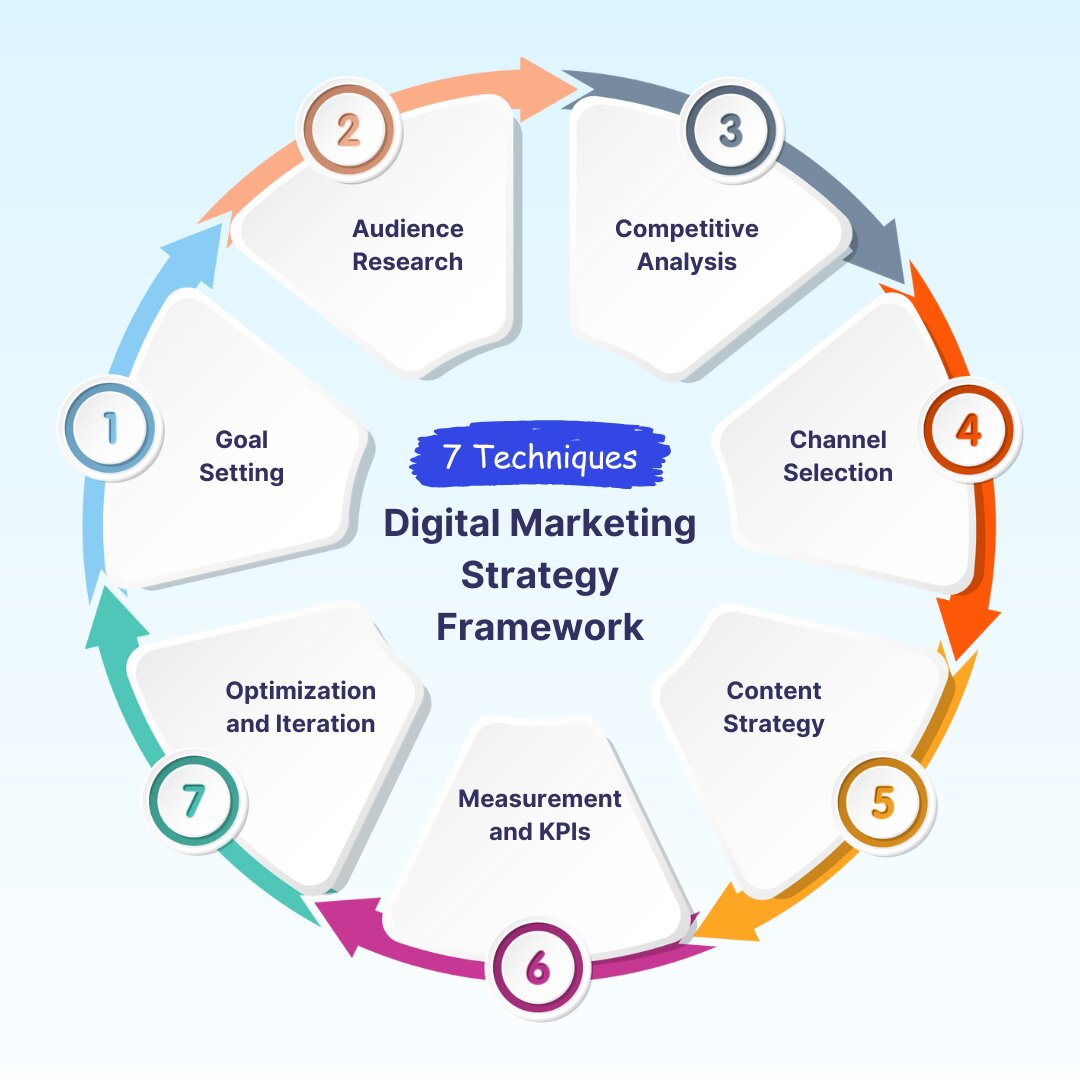









 ROI Calculator