7 Key Advantages of Digital Marketing You Must Know (2026 Guide)
J
By Priya Sahu
February 20, 20267 min read
Last updated on April 1, 2026
SHARE THIS ARTICLE
Table Of Content
What is Digital Marketing?
What Are the Advantages of Digital Marketing?
1. Global Reach and Market Expansion
2. Cost-Effective Marketing Compared to Traditional Channels
Consumers today discover brands, compare products, and make purchasing decisions online faster than ever before. Whether someone is searching for a product on Google, watching reviews on YouTube, or discovering a brand through social media, the digital ecosystem has become the primary space where businesses compete for attention.
This shift has made understanding the advantages of digital marketing essential for organisations of all sizes. Unlike traditional advertising methods, digital marketing enables businesses to reach targeted audiences, measure campaign performance in real time, personalise customer experiences, and optimise strategies based on data.
As companies increasingly prioritise digital channels in 2026, digital marketing is no longer just a marketing tactic—it is a core driver of business growth.
In this guide, we will explore:
What are the advantages of digital marketing
The 7 key advantages of digital marketing that businesses should understand
Real-world applications of digital marketing strategies
The advantages and disadvantages of digital marketing
Why digital marketing skills are increasingly valuable for professionals in 2026
By the end of this article, readers will gain a clear understanding of how digital marketing transforms the way businesses communicate, promote, and grow.
Digital marketing refers to the use of online platforms, digital technologies, and internet-based channels to promote products, services, and brands.
Instead of relying solely on traditional advertising mediums like newspapers, billboards, or television, businesses use digital platforms to reach customers more efficiently.
Common Digital Marketing Channels
Some of the most widely used digital marketing channels include:
The primary advantages of digital marketing come from its ability to combine reach, targeting, measurement, and adaptability.
Unlike traditional marketing campaigns, digital marketing strategies are:
Highly measurable
Scalable across markets
Customisable for different audience segments
Optimisable in real time
This combination of capabilities allows businesses to continuously improve marketing performance and maximise return on investment.
*Educba
Let us explore the seven most important advantages of digital marketing in detail.
1. Global Reach and Market Expansion
One of the biggest advantages of digital marketing is that it enables businesses to reach audiences beyond geographical boundaries.
Traditional marketing channels often restrict companies to local or regional markets. Digital platforms, however, allow businesses to communicate with customers worldwide.
Sell products globally through e-commerce platforms
Build international brand awareness through social media
Generate leads from multiple countries through search engines
Collaborate with global influencers and affiliates
For example, an Indian clothing brand can promote its products through social media advertising and attract customers from Europe or North America.
Benefits of Global Reach
Expanding into global markets allows businesses to:
Increase customer base
Diversify revenue streams
Reduce dependence on local markets
Build stronger brand recognition internationally
For startups and small businesses, digital marketing significantly lowers the barriers to entering international markets.
2. Cost-Effective Marketing Compared to Traditional Channels
Another major advantage of digital marketing is cost efficiency.
Traditional marketing campaigns—such as television commercials, newspaper ads, or billboard promotions—often require significant budgets. Digital marketing, in contrast, allows businesses to start campaigns with relatively small investments.
Cost Advantages of Digital Marketing
Digital campaigns typically offer:
Lower advertising costs
Flexible budgeting options
Higher return on investment (ROI)
Better resource allocation
For example:
Email marketing campaigns can reach thousands of subscribers at minimal cost.
Social media campaigns allow brands to run advertisements with controlled budgets.
SEO-driven content can generate traffic for months or years.
Long-Term Value of Digital Content
Content marketing is particularly valuable because a single article or video can continue generating leads long after it is published.
This long-term visibility makes digital marketing a sustainable strategy for businesses with limited budgets.
Readers exploring marketing fundamentals can also benefit from a free introductory course on Marketing in New Age Digital World, which provides practical insights into key channels such as SEO, analytics, and social media strategy.
3. Precise Audience Targeting
One of the most powerful advantages of digital marketing is the ability to target audiences with remarkable accuracy.
Traditional advertising often reaches broad audiences with little control over who sees the message. Digital platforms, however, provide advanced targeting tools that allow marketers to reach specific customer segments.
Key Targeting Options
Digital marketing platforms allow businesses to target users based on:
Demographics (age, gender, income)
Geographic location
Interests and hobbies
Online behaviour
Purchase history
Device usage
For instance, a fitness brand can target individuals who recently searched for “home workout equipment” or follow health-related pages on social media.
Benefits of Precise Targeting
Targeted campaigns help businesses:
Reach audiences most likely to convert
Reduce advertising waste
Increase engagement and click-through rates
Improve overall marketing efficiency
By delivering the right message to the right audience, digital marketing significantly increases campaign effectiveness.
Free Courses
Stakeholder Communication & Negotiation Skill Sets
4. Measurable Performance and Data-Driven Decisions
Another defining advantage of digital marketing is the ability to measure performance accurately.
Traditional marketing often relies on estimated audience reach or indirect feedback. Digital marketing campaigns, however, provide detailed performance metrics.
Common Digital Marketing Metrics
Marketers track several key indicators, including:
Website traffic
Conversion rates
Cost per acquisition (CPA)
Click-through rate (CTR)
Customer lifetime value (CLV)
Engagement metrics
These insights help marketers understand how audiences interact with campaigns.
Why Data Matters
Real-time data allows businesses to:
Identify high-performing campaigns
Adjust marketing strategies quickly
Optimise advertising budgets
Improve customer acquisition strategies
For example, if a particular advertisement generates higher conversions, marketers can increase its budget while pausing underperforming campaigns.
This data-driven approach significantly improves marketing efficiency.
5. Stronger Customer Engagement
Digital marketing allows brands to interact directly with their audiences.
Unlike traditional marketing, which is often one-directional, digital platforms enable two-way communication between brands and customers.
Engagement Opportunities
Businesses can engage customers through:
Social media interactions
Email newsletters
Live webinars and virtual events
Online communities and forums
Interactive content such as polls or quizzes
These interactions create stronger emotional connections between brands and customers.
Impact of Engagement
High engagement levels can lead to:
Increased brand loyalty
Higher customer retention
Positive word-of-mouth marketing
More repeat purchases
For example, brands that actively respond to customer comments on social media often build stronger communities and improve brand trust.
Modern consumers expect brands to understand their preferences and deliver personalised experiences.
Digital marketing enables businesses to tailor communication, recommendations, and offers to individual customers.
Examples of Personalisation
Personalisation can include:
Product recommendations based on browsing behaviour
Personalised email campaigns
Retargeting advertisements
Customised website experiences
For example, streaming platforms recommend content based on users’ previous viewing patterns.
Similarly, e-commerce websites display products related to items customers have previously searched for.
Benefits of Personalisation
Personalised marketing can lead to:
Higher conversion rates
Improved customer satisfaction
Increased customer loyalty
Greater revenue per customer
As artificial intelligence and marketing automation tools continue to evolve in 2026, personalisation capabilities are becoming even more sophisticated.
7. Continuous Optimisation and Strategic Flexibility
Digital marketing campaigns are highly flexible and can be optimised continuously.
Unlike traditional advertising campaigns that remain fixed for weeks or months, digital campaigns allow marketers to experiment and refine strategies in real time.
Optimisation Techniques
Marketers commonly use techniques such as:
A/B testing for advertisements and landing pages
Campaign performance analysis
Audience segmentation
Budget optimisation
For example:
If two versions of an advertisement are tested, marketers can quickly determine which performs better and allocate more budget to the successful version.
As businesses increasingly prioritise digital transformation, the demand for skilled digital marketing professionals in spaces such as marketing analytics continues to grow.
Companies require experts who can manage complex digital campaigns, analyse data, and optimise marketing strategies.
Key Digital Marketing Skills in Demand
Some of the most sought-after skills include:
Search engine optimisation (SEO)
Content strategy
Paid advertising and media buying
Social media management
Marketing analytics
Conversion rate optimisation
Professionals with these skills often work in roles such as:
Digital marketing manager
SEO specialist
Marketing strategist
Growth marketer
Marketing analyst
Learning these capabilities through structured programmes can significantly improve career opportunities in the digital economy.
Conclusion
Understanding the advantages of digital marketing is essential for businesses and professionals operating in today’s digital landscape.
Digital marketing provides powerful capabilities that traditional marketing methods cannot easily match. From global reach and cost efficiency to precise targeting and real-time analytics, digital channels enable organisations to build stronger connections with their audiences.
As consumer behaviour continues to shift online in 2026, businesses that invest in effective digital marketing strategies will gain a significant competitive advantage.
For professionals, developing digital marketing expertise can open doors to high-growth career opportunities across industries.
Exploring structured learning programmes, practical projects, and industry certifications can be a valuable step toward building these skills.
Frequently Asked Questions
The advantages of digital marketing include global reach, cost-effective campaigns, advanced audience targeting, measurable results, and higher customer engagement. Businesses can also personalise marketing strategies and optimise campaigns in real time based on performance data.
Digital marketing offers benefits such as scalability, data-driven insights, and improved customer targeting. However, it also requires ongoing content creation, specialised skills, and adaptation to algorithm changes on digital platforms.
Digital marketing is important because consumers increasingly research products and services online before making purchasing decisions. Businesses that invest in SEO, social media marketing, and digital advertising can reach wider audiences and generate measurable growth.
Yes. Digital marketing allows small businesses to compete with larger brands by targeting specific audiences and running cost-effective campaigns. Even with limited budgets, small businesses can build strong online visibility.
Important digital marketing skills include SEO, content marketing, data analytics, social media strategy, and paid advertising management. Professionals who develop these skills are highly valued in marketing and business roles.
Priya Sahu
Sales & Digital Marketing Strategist
Sales and Marketing professional with 6+ years of experience in B2B and B2C growth, specializing in business development and digital marketing. Skilled in CRM systems, paid campaigns, and AI-driven strategies to drive revenue, optimize performance, and build lasting client relationships.
Get Free Upskilling Guidance
Fill in the details for a free consultation
Find a Program made just for YOU
We'll help you find the right fit for your solution. Let's get you connected with the perfect solution.

 February 20, 2026
 7 min read




 ChatGPT
 Perplexity
 Claude
 Grok
Grok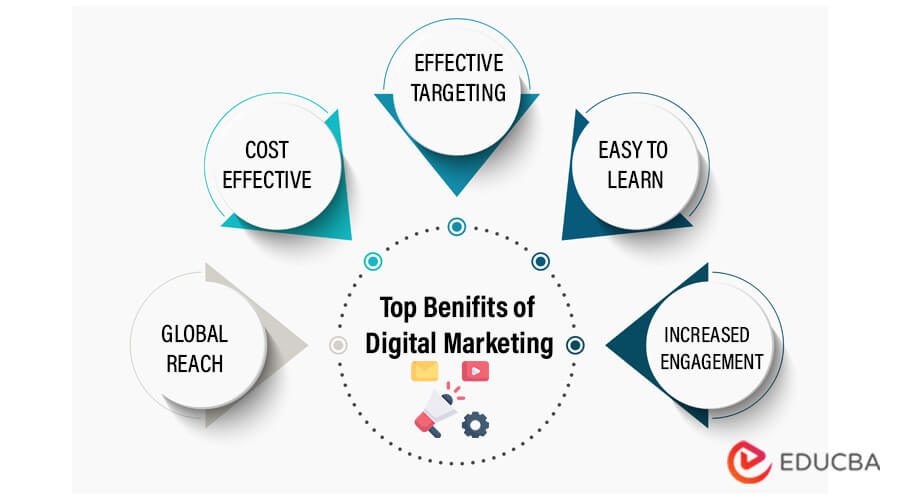






 ROI Calculator