Eligibility Criteria for MBA After 10 Years of Experience
Best MBA Programs for 10 Years Experience
Key Insights
An MBA after 10 years of work experience can help professionals move into senior leadership, switch industries, broaden their business knowledge, and explore entrepreneurship.
Experienced professionals can benefit from stronger strategic thinking, decision-making, people management skills, and networking opportunities.
Eligibility requirements typically include a bachelor's degree, relevant work experience, and supporting documents. Entrance tests such as GMAT or GRE may be waived by some executive MBA programmes.
Professionals can choose from Executive MBA, one year full time MBA, part time and online MBA, or global executive MBA programmes based on their career goals, schedule, and budget.
In this blog, you'll learn about the benefits and eligibility criteria of pursuing an MBA after 10 years of experience, the best programme formats, career opportunities, and how to choose the right MBA for your goals.
After a decade in the workforce, many professionals reach a crossroads. You have built solid expertise, managed teams or projects, and earned a respected position. Yet the next level of leadership often seems just out of reach. If this sounds familiar, you may be wondering whether an MBA after 10 years of experience is the right move.
The answer is yes for many mid-career professionals. Business schools around the world have designed programs specifically for experienced candidates who want to step into senior leadership, switch industries, or start their own ventures. In this blog, we explain the benefits, eligibility requirements, top program types, and career scope of pursuing an MBA with 10 years of experience.
Pursuing an MBA after 10 years of experience is a significant decision. It requires time, money, and energy, especially when you already have professional and personal commitments. However, the return can be substantial when the degree is aligned with a clear goal.
Early-career MBAs often focus on building fundamental skills. Mid-career professionals, on the other hand, bring real-world context to the classroom. You already know how organizations work, so you can apply concepts like strategy, finance, and operations directly to the challenges you have faced. This makes learning more meaningful and discussions richer for everyone in the cohort.
An MBA is particularly worthwhile if you want to move from a functional role into general management, pivot to a new industry, or gain the credibility needed for executive positions. It may be less useful if you are already on a clear promotion path and your employer values your experience more than a formal degree.
An MBA for 10 years experience offers advantages that are quite different from those a fresh graduate would receive. Here are the most important ones.
Faster move into senior leadership. Experienced professionals often use the MBA as a bridge to director, vice president, or C-suite roles. The program strengthens your strategic thinking, decision-making, andpeople-management skills, which are exactly what senior roles demand.
A broader business perspective. After a decade in one function, such as marketing, engineering, or operations, your view of the business may be narrow. An MBA exposes you to finance, analytics, leadership, and global business, helping you understand how every department connects.
A powerful professional network. Your classmates will be seasoned managers, entrepreneurs, and specialists from different industries. These relationships can lead to mentorship, partnerships, job referrals, and even business opportunities that are hard to find otherwise.
Career switching made easier. If you want to move from, say, IT to consulting or from banking tohealthcare management, an MBA gives you the structured knowledge and recruiter access to make that shift smoothly.
Higher earning potential. Many graduates see a notable salary increase after completing an MBA, particularly from well-ranked institutions. Mid-career graduates often move into roles with greater compensation, bonuses, and leadership responsibility.
Entrepreneurial confidence. If you plan to start a business, an MBA teaches you how to build a business plan, raise capital, manage risk, and scale operations, while giving you a network of potential co-founders and investors.
Eligibility Criteria for MBA After 10 Years of Experience
Eligibility depends on the type of program and the country, but most business schools follow a similar pattern for experienced candidates.
Educational qualification. You need a bachelor’s degree from a recognized university in any discipline. Most schools do not insist on a particular stream, so engineers, doctors, designers, and commerce graduates can all apply.
Work experience. Executive and senior-level programs usually require between 5 and 15 years of experience, with at least a few years in a managerial or team-leading role. A candidate with 10 years of experience is generally a strong fit.
Entrance tests. Many full-time programs ask for GMAT or GRE scores. However, executive MBA programs frequently waive these requirements or offer their own assessments. Some schools in India also accept CAT, XAT, or GMAT scores, while others conduct personal interviews instead.
Other requirements. Expect to submit a resume, statement of purpose, letters of recommendation, and your academic transcripts. English proficiency tests such as TOEFL or IELTS may be required for international programs.
Selection process. Admissions committees look beyond test scores. They want to see leadership potential, a clear career vision, and evidence of impact in your current role. A strong, honest story about why you want an MBA after 10 years of experience can make a real difference.
Best MBA Programs for 10 Years Experience
Choosing among the best MBA programs for 10 years experience depends on your goals, schedule, and budget. Here are the main formats to consider.
Executive MBA (EMBA). This is the most popular option for senior professionals. Classes are usually held on weekends or in short residential modules, so you can continue working. Reputed examples include programs at Wharton, Kellogg, INSEAD, London Business School, and Columbia Business School abroad, along with the IIMs, ISB, XLRI, and SPJIMR in India.
One-year full-time MBA. Several leading schools offer an accelerated one-year format designed for experienced candidates. ISB Hyderabad, IIM Ahmedabad’s PGPX, IIM Bangalore’s PGPEM, and INSEAD are well-known examples. This route suits those who can take a career break and want an immersive experience with strong placement support.
Part-time and online MBA. If flexibility is your priority, part-time and online programs from respected universities allow you to learn at your own pace. They are cost-effective and ideal if you cannot relocate.
Global executive MBA. Some programs combine study across multiple countries, giving you international exposure and a diverse peer group. These suit professionals aiming for global leadership roles.
When comparing thebest MBA programsfor 10 years experience, look at accreditation (AACSB, AMBA, or EQUIS), faculty quality, alumni strength, class profile, and career outcomes rather than rankings alone
Career Scope After an MBA After 10 Years of Experience
The career scope after an MBA after 10 years of experience is wide, because you enter the market with both a degree and a strong track record.
Senior management roles. Graduates commonly move into positions such as general manager, business head, director, or vice president within their organizations.
Consulting. Top consulting firms actively hire experienced MBAs for their domain knowledge. Your decade of industry expertise combined with structured problem-solving can make you a valuable consultant.
Finance and investment. Roles in private equity, venture capital, corporate finance, and investment banking are open to those who combine experience with strong financial training.
Technology and product leadership. Technology firms value MBAs who can lead product strategy, manage large teams, and connect technical work to business goals.
Entrepreneurship. Many mid-career graduates launch startups, buy into family businesses, or become advisors. The network, funding access, and business skills from an MBA can accelerate this path.
Public sector and social impact. Nonprofits, government bodies, and international organizations also hire experienced managers who can run complex programs efficiently.
In terms of pay,post-MBA salaries vary widely by school, region, and industry. Graduates from leading programs often report significant jumps in compensation, though the real value lies in long-term growth and leadership opportunities rather than a single raise.
Free Courses
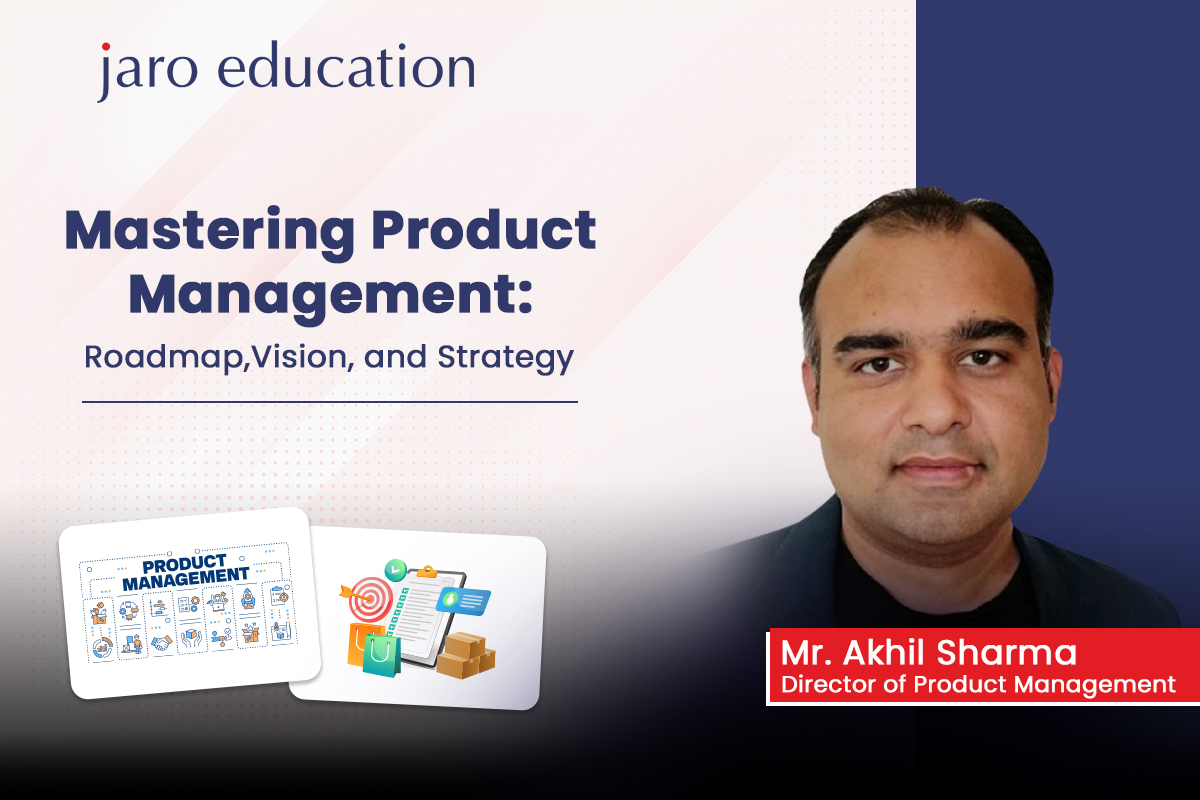
Free Product Management Course – Roadmap,Vision, and Strategy
Before you apply, spend time on honest self-assessment. Ask yourself what you want from the degree: a promotion, a career switch, a network, or entrepreneurial skills. Your answer will guide your choice.
Next, consider the format. If you cannot leave your job, an executive orpart-time MBAmakes more sense. If you want a complete reset, a one-year full-time program may fit better.
Compare costs and funding. Tuition can range from moderate to very high, so check for scholarships, employer sponsorship, and education loans. Finally, speak with alumni. Their real experiences will tell you far more than a brochure can.
Take the Next Step with the IIM Mumbai Blended MBA
If you are ready to move into senior leadership without pausing your career, the 2-Year Blended Post Graduate Program in Management (MBA-BPGP) from IIM Mumbai, offered in association with Jaro Education, is worth a close look. Designed for working professionals with at least three years of experience, the program combines live online classes with two mandatory one-week campus immersions. Its curriculum covers operations, supply chain, marketing, finance, data science, and human resources, with the option to specialize in the second year. Graduates are eligible for IIM Mumbai alumni status, and applications close on November 16, 2026.
Take the Next Step Towards Senior Leadership.
Call Now to Get Expert Guidance and Take Control of Your Career Growth.
An MBA after 10 years of experience can be a turning point when you pursue it with a clear purpose. Your professional background makes you a valuable contributor in class, and the degree adds the strategic skills, credibility, and connections needed for senior roles. By understanding the eligibility rules, comparing the best MBA programs for 10 years experience, and matching the program to your goals, you can make a confident, well-informed decision about the next chapter of your career.
Frequently Asked Questions
Not at all. Business schools welcome experienced professionals, and executive and one-year programs are built for them. Your experience adds value to class discussions and often strengthens your application.
It depends on your goals. An Executive MBA lets you keep working and suits those aiming for promotion within their field. A full-time one-year MBA is better if you want a career switch and strong placement support.
Not always. Many executive MBA programs waive the GMAT or GRE for candidates with extensive experience, or accept their own entrance tests and interviews. Always check the specific school’s requirements.
Yes, provided it comes from a well-accredited and reputed institution. Employers increasingly recognize online and hybrid MBAs, especially for working professionals who combine study with proven results.
Manya Tohani
Personal Growth Mentor
Manya Tohani is a Personal Growth Mentor and content strategist, helping individuals build strong personal brands and accelerate career growth. With 8M+ impressions and experience mentoring students, she empowers others through actionable guidance, resilience, and real-world insights.
Get Free Upskilling Guidance
Fill in the details for a free consultation
Related Courses
Explore our programs
Blended Post Graduate Program in Management MBA (MBA - BPGP)
 HOME > BLOG > Online MBA > MBA After 10 Years of Work Experience: Benefits, Eligibility & Career Scope
 October 29, 2026
 7 min read





 Key Insights
 ChatGPT
 Perplexity
 Claude
 Grok










 ROI Calculator