HOME > BLOG > Online MBA > Market Structure Explained: Types of Market Structure in Economics
Online MBA
Market Structure Explained: Types of Market Structure in Economics
J
By Shubham Lal
March 14, 20266 min read
Last updated on April 1, 2026
SHARE THIS ARTICLE
Table Of Content
What Is Market Structure?
Types of Market Structure Explained
Market Structure and Career Relevance
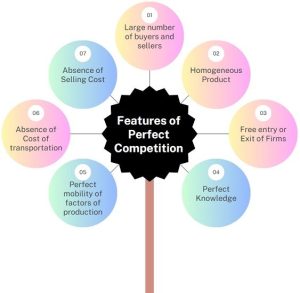
Comparative Overview of Market Structures
Why do some markets have hundreds of competing firms, while others are controlled by only a few dominant players? Why do prices fall rapidly in certain industries but remain relatively stable in others? The answers lie in market structure. It is a core concept in economics that explains how markets are organised, how firms compete, and how prices and output are determined.
For economics students and professionals in finance, marketing, consulting, analytics, or strategy, understanding market structure is essential. It helps explain why industries behave differently and why skill requirements and career paths vary across sectors.
Entry-level roles in economics, business analysis, and marketing typically offer salaries in the ₹5 to 8 LPA range, while professionals with strong analytical and strategic expertise often earn ₹15 to 25+ LPA. A clear understanding of market structure in economics enables professionals to move beyond theory and analyse real-world market behaviour with confidence.
Market structure, in economics, is the organisational and competitive nature of a market. It defines how firms will act, how prices will be set, and how resources will be allocated efficiently. The essential components of market structure are:
The number of buyers and sellers in the market.
The type of products, whether homogeneous or differentiated.
The degree of barriers to entry and exit.
The extent of pricing power that firms enjoy.
The level of competition in the market.
These factors help in understanding why firms follow different strategies in different industries and why the skills required by firms differ from one firm to another.
Understanding market structure is valuable across careers in business strategy, consulting, equity research, marketing analytics, and public policy.
Professionals working with the structure of the capital market, including equities, debt instruments, and derivatives, rely on these frameworks to evaluate competition, valuation, and regulatory impact.
Applying Market Structure Concepts in Digital Commerce
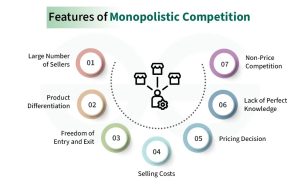
Monopolistic competition dominates the digital economy, particularly in e-commerce. Sellers compete using branding, advertising, and product positioning rather than price alone, which makes applied understanding essential for learners exploring business or marketing careers.
From Foundational Learning to Structured Upskilling
Free learning opportunities such as E-Commerce Marketing and Performance Marketing for Growth allow learners to apply theoretical concepts, identify skill gaps early, and make informed decisions about long-term education.
These programmes often act as stepping stones toward structured learning pathways.
Understanding Competition in Platform-Dominated Markets
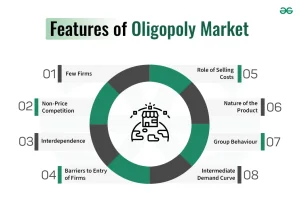
Many modern industries, particularly digital advertising, function as oligopolies. A few dominant platforms influence pricing, access, and competitive strategy, making applied knowledge critical for professionals working in growth and analytics roles.
Free Course Spotlight: Performance Marketing for Growth
Career switchers exploring analytics-driven marketing positions.
Learners interested in data-backed competitive decision-making.
How Jaro Education Helps You Move Forward
Jaro Education is a trusted online higher education and upskilling platform that partners with leading universities and institutions to deliver industry-aligned programmes.
Learning Mode: Blended learning with live online sessions and on-campus modules at IIM Ahmedabad
Curriculum Focus:
Strategic marketing leadership and decision-making
Brand management and brand strategy
Consumer insights and market analysis
Digital marketing and emerging technologies
Growth strategy and performance-driven marketing
Ideal For: Mid-level and senior-level marketing professionals seeking to strengthen strategic, leadership, and technology-driven marketing capabilities without pursuing a full-time degree programme.
Jaro’s Value Proposition
Jaro offers personalised counselling aligned with career goals.
Learners gain access to curated programmes based on market insights.
Value-added support is provided through Jaro Connect, including mentorship and networking.
Conclusion
Choosing the right career path in a competitive economy requires conceptual knowledge and hands-on experience. Knowledge about market structure and various market structure types helps professionals unlock industries, competition, and opportunities.
As the job market continues to evolve, the importance of guided education and upskilling continues to become increasingly relevant. With expert guidance, structured programming, and continuous support for students, Jaro Education helps working professionals leverage their knowledge of economics to make meaningful progress in their careers.
Frequently Asked Questions
Jaro Education offers personalised counselling, academic support, and access to value-added services such as mentorship and networking opportunities through Jaro Connect.
Yes, most programmes are designed with flexible online or live formats suitable for full-time professionals.
Programmes offered through Jaro are delivered in collaboration with reputed institutions and focus on structured curricula, faculty interaction, and long-term career relevance.
A deep understanding of market structure and capital market structure will definitely help you in transitioning into roles such as analytics, consulting, finance, and strategy, as it will help you develop strong analytical and decision-making capabilities.
No, a background in economics is not required. Most courses and free courses supported by Jaro Education are designed to help you progressively develop concepts, making it easy for learners from management, commerce, engineering, and other streams to understand.
Free courses help learners gain foundational exposure, assess interest areas, and understand industry applications. They often serve as a starting point before enrolling in structured certification or degree programmes aligned with long-term career goals.
Shubham Lal
Lead Software Developer
Shubham Lal joined Microsoft in 2017 and brings 8 years of experience across Windows, Office 365, and Teams. He has mentored 5,000+ students, supported 15+ ed-techs, delivered 60+ keynotes including TEDx, and founded AI Linc, transforming learning in colleges and companies.
Get Free Upskilling Guidance
Fill in the details for a free consultation
Related Courses
Explore our programs
Admission Closed
Digital Marketing: Business Models, Processes and Technologies

 March 14, 2026
 6 min read





 ChatGPT
 Perplexity
 Claude
 Grok
Grok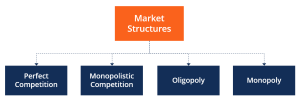
 *geeksforgeeks




 Admission Closed

 Admission Open
 Admission Open

 ROI Calculator




