Cloud computing has become the backbone of modern digital infrastructure. From streaming platforms and banking systems to e-commerce and healthcare applications, nearly every industry relies on cloud-based solutions to operate efficiently and scale rapidly. As organisations increasingly migrate to the cloud, the demand for skilled professionals continues to grow, making cloud computing one of the most promising career paths today.
For those wondering what is cloud computing and how to build a career in cloud computing, the answer lies in understanding both the technology and the structured pathway into the industry. Unlike traditional IT roles, cloud computing combines infrastructure, development, security, and data management into a unified ecosystem.
This blog provides a detailed and practical roadmap to help individuals build a successful career in cloud computing, covering skills, roles, certifications, salary benchmarks, and the best cloud computing courses to pursue.
Cloud computing refers to the delivery of computing services such as servers, storage, databases, networking, and software over the internet. Instead of relying on physical hardware or on-premise infrastructure, organisations can access scalable resources on demand through cloud providers.
Key Characteristics of Cloud Computing
Here are the key characteristics of cloud computing:
On-demand self-service: Resources such as virtual machines, storage, and databases can be provisioned instantly without requiring manual intervention from the provider. This enables faster deployment and greater operational efficiency.
Scalability: Cloud systems can scale resources up or down based on demand. This flexibility ensures optimal performance during peak usage while avoiding unnecessary costs during low demand.
Cost efficiency: Cloud computing follows a pay-as-you-go model, allowing organisations to pay only for the resources they use. This reduces upfront infrastructure costs and improves budget management.
Accessibility: Cloud services can be accessed from anywhere with an internet connection, enabling remote work, real-time collaboration, and seamless access across devices.
High availability: Cloud providers ensure redundancy by distributing data across multiple servers and locations, minimising downtime and ensuring continuous service availability.
Types of Cloud Services
Here are the types of cloud services:
Infrastructure as a Service (IaaS): Provides basic computing resources such as virtual machines, storage, and networking. Users have control over operating systems and applications.
Platform as a Service (PaaS): Offers a platform with tools and environments for developers to build, test, and deploy applications without managing underlying infrastructure.
Software as a Service (SaaS): Delivers ready-to-use software applications over the internet, eliminating the need for installation and maintenance.
Deployment Models
These are the deployment models you need to know:
Public Cloud
Private Cloud
Hybrid Cloud
Understanding these foundational concepts is essential for anyone planning a career in cloud computing.
Why Cloud Computing is a High-Demand Career
Cloud computing is not just a technological shift—it is a business transformation enabler.
Market Growth and Demand
The market growth for cloud computing is unparalleled:
The global cloud computing market is projected to exceed $1 trillion by 2030, driven by digital transformation initiatives
Enterprises are increasingly adopting multi-cloud and hybrid cloud strategies
Emerging technologies like AI, IoT, and big data rely heavily on cloud infrastructure
Why Choose a Career in Cloud Computing?
Here are the top reasons why you should choose a career in cloud computing:
Strong job demand: Consistent hiring across industries
High salary potential: Competitive pay even at entry level
Diverse roles: Opportunities in engineering, security, architecture, and data
Future-proof career: Cloud skills remain relevant across evolving technologies
Key Roles in Cloud Computing
A career in cloud computing offers multiple pathways depending on interests and skill sets.
1. Cloud Engineer
Responsible for deploying, managing, and maintaining cloud infrastructure. This is often the starting point for many professionals.
2. Cloud Architect
Designs scalable and cost-efficient cloud solutions. Requires deep technical expertise and strategic thinking.
3. DevOps Engineer
Focuses on automation, CI/CD pipelines, and integrating development with operations.
4. Cloud Security Engineer
Ensures data protection, compliance, and secure cloud environments.
5. Site Reliability Engineer (SRE)
Maintains system reliability, performance, and uptime.
6. Cloud Data Engineer
Builds and manages data pipelines and analytics systems on cloud platforms.
Each role offers a distinct career trajectory, but all are interconnected within the cloud ecosystem.
Skills Required for a Career in Cloud Computing
To succeed in cloud computing, one must develop a balanced combination of technical and soft skills.
*Edoxi
Technical Skills
Here are the technical skills you need:
1.Cloud Platforms
AWS, Microsoft Azure, or Google Cloud
Understanding services like compute, storage, and networking
2.Programming Skills
Python for automation
Java or JavaScript for development
3. Networking Fundamentals
TCP/IP, DNS, load balancing
Virtual private networks and firewalls
4. Operating Systems
Linux system administration
Shell scripting
5. DevOps Tools
CI/CD pipelines
Infrastructure as Code (Terraform, Ansible)
6. Containerisation and Orchestration
Docker
Kubernetes
Soft Skills
Here are the soft skills you need to know:
Problem-solving and analytical thinking
Communication and teamwork
Adaptability to rapid technological changes
How to Build a Career in Cloud Computing
Building a career in cloud computing requires a step-by-step approach.
Step 1: Build Strong Fundamentals
Start by understanding:
What is cloud computing
Basic networking and operating systems
Virtualisation concepts
This foundational knowledge is critical before moving into advanced topics.
Step 2: Choose a Cloud Platform
Focus on one platform initially:
AWS (widely adopted globally)
Azure (popular in enterprise environments)
GCP (strong in data and analytics)
Specialising early helps in gaining depth and confidence.
Step 3: Enrol in Cloud Computing Courses
Structured cloud computing courses provide guided learning and practical exposure.
Designing scalable and secure systems can be technically demanding.
3. Security and Compliance
Handling sensitive data requires strong knowledge of regulations and best practices.
4. Cost Management
Optimising cloud costs while maintaining performance is a key responsibility.
Conclusion
A career in cloud computing offers a powerful combination of growth, stability, and global opportunities. By understanding what is cloud computing, developing relevant skills, enrolling in high-quality cloud computing courses, and gaining hands-on experience, professionals can position themselves for long-term success.
With organisations continuing to invest heavily in cloud technologies, the demand for skilled professionals will only increase. For those willing to learn, adapt, and innovate, cloud computing presents one of the most rewarding career paths in today’s digital economy.
Frequently Asked Questions
Cloud computing is the delivery of computing services such as storage, servers, and software over the internet instead of local systems.
Start with fundamentals, choose a cloud platform, take cloud computing courses, build projects, earn certifications, and apply for entry-level roles.
They are highly beneficial as they provide structured learning, hands-on experience, and certification preparation.
Basic programming is helpful, especially for automation and DevOps roles.
Yes, it is one of the most stable and high-growth career paths due to increasing digital transformation.
Dr. Sanjay Kulkarni
Data & AI Transformation Leader
Dr. Sanjay Kulkarni is a Data & AI Transformation Leader with over 25 years of industry experience. He helps organizations adopt data-driven and responsible AI practices through strategic guidance and education. With experience across startups and global enterprises, he bridges the gap between theory and real-world application. His work empowers teams to innovate and thrive in AI-driven environments.
Get Free Upskilling Guidance
Fill in the details for a free consultation
Related Courses
Explore our programs
Admission Closed
Post Graduate Certification Programme in Business Analytics & Artificial Intelligence (AI) Applications

 March 24, 2026
 5 min read




 ChatGPT
 Perplexity
 Claude
 Grok
Grok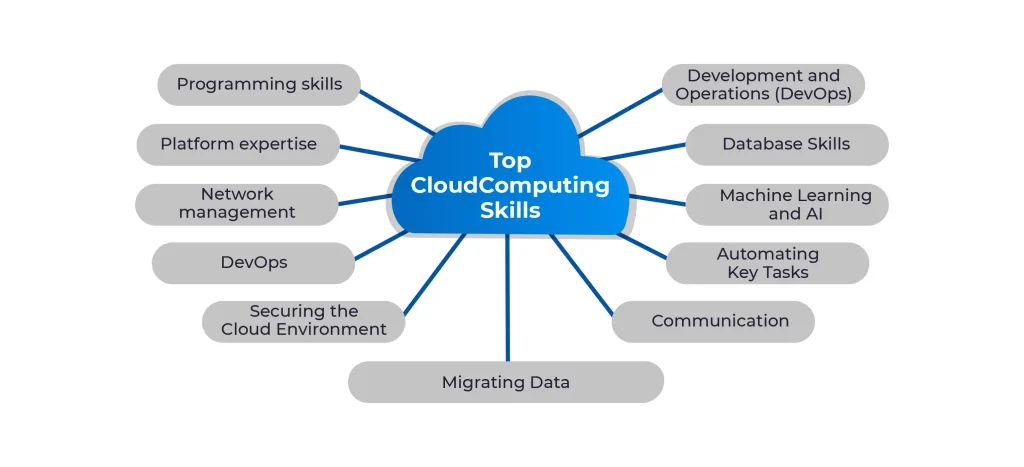




 Admission Closed
 Admission Closed
 Admission Closed
 Admission Open
 ROI Calculator