Can You Move Into Finance Without a Finance Degree?
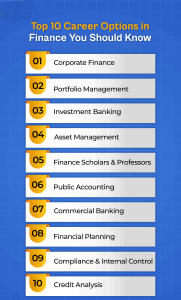
Popular Finance Career Paths in 2026
Step-by-Step Roadmap to Transition Into Finance
Career transitions have become increasingly common in today's dynamic professional landscape. As industries evolve and new opportunities emerge, professionals are no longer confined to the career paths they initially chose after graduation.
One of the most popular career shifts in recent years has been the move into finance.
In 2026, finance continues to attract professionals from diverse backgrounds, including engineering, information technology, sales, operations, marketing, human resources, and consulting. The reason is simple: finance sits at the centre of business decision-making. Every organisation relies on finance professionals to evaluate risks, allocate resources, manage investments, ensure compliance, and support strategic growth.
At the same time, the finance sector itself is changing. Artificial Intelligence, digital banking, corporate governance reforms, ESG reporting, and financial analytics are creating exciting new opportunities for professionals with the right skills.
The good news is that you do not necessarily need a traditional finance degree to build a successful career in finance. With the right learning pathway, practical knowledge, and strategic upskilling, professionals from non-finance backgrounds can successfully transition into various finance roles.
This guide provides a step-by-step roadmap for professionals considering a career change to finance India 2026. Whether you are looking to enter banking, corporate finance, financial reporting, governance, or investment management, this article will help you understand the opportunities, challenges, and educational pathways available.
Finance has evolved significantly over the last decade.
Traditionally, finance careers were primarily associated with accounting, bookkeeping, and auditing. Today, finance encompasses a much broader set of functions that influence nearly every aspect of business performance.
Several factors are driving interest in finance careers.
Growing Demand for Finance Professionals
Organisations increasingly rely on finance teams to:
Support strategic decision-making
Evaluate business opportunities
Manage financial risks
Drive profitability
Ensure regulatory compliance
As businesses become more data-driven and globally interconnected, demand for finance expertise continues to grow.
Rise of Strategic Finance Roles
Modern finance professionals are no longer limited to preparing reports and managing budgets.
This shift has made finance an attractive field for ambitious professionals seeking leadership opportunities.
Attractive Career Growth Opportunities
Finance offers diverse career pathways across industries such as:
Banking
Financial Services
Consulting
Technology
Manufacturing
Healthcare
E-commerce
This flexibility allows professionals to build careers aligned with their interests and strengths.
Strong Compensation Potential
Many finance roles offer competitive compensation packages, particularly for professionals who develop expertise in specialised areas such as governance, financial reporting, investment management, and corporate finance.
Financial Reporting and Corporate Governance (FRCG) – IIM Ahmedabad
For professionals with work experience who want to move toward finance leadership roles, Financial Reporting and Corporate Governance (FRCG) offers a specialised pathway.
As organisations place greater emphasis on governance, compliance, accountability, and strategic decision-making, expertise in these areas has become increasingly valuable.
Key Learning Areas
Financial Reporting
Corporate Governance
Regulatory Frameworks
Compliance
Risk Oversight
Strategic Finance
Financial Statement Analysis
Best Suited For
Mid-Career Professionals
Finance Managers
Business Leaders
Governance Professionals
Future CFO Aspirants
Professionals Transitioning into Strategic Finance
Why FRCG Stands Out
Many finance programs focus primarily on technical finance concepts.
FRCG takes a broader leadership perspective by examining how governance, reporting, accountability, and strategic decision-making influence organisational performance.
For professionals seeking long-term growth in finance leadership, this combination can be particularly valuable.
Choosing the right program depends on where you currently are in your career journey.
Choose the Banking & Finance PG Programme If:
You are completely new to finance
You want foundational banking and finance knowledge
You are exploring finance career options
You are interested in financial services and banking
Choose FRCG If:
You already have professional work experience
You want to move into strategic finance roles
You are interested in governance and compliance
You aspire to leadership positions
You want to build CFO-track capabilities
For many mid-career professionals, FRCG provides a more direct pathway toward finance leadership than general finance education alone.
Salary Expectations After Moving Into Finance
Compensation depends on experience, industry, and role.
However, finance continues to offer strong earning potential across multiple domains.
Finance Role
Average Salary Range
Financial Analyst
₹6–12 LPA
Business Finance Analyst
₹8–15 LPA
Banking Professional
₹6–18 LPA
Financial Reporting Specialist
₹10–20 LPA
Finance Manager
₹12–25 LPA
Governance & Compliance Manager
₹15–35 LPA
Corporate Controller
₹18–35 LPA
CFO Track Roles
₹30 LPA+
Professionals who combine financial expertise with governance, compliance, and strategic decision-making capabilities often command higher compensation as they progress into leadership positions.
Many professionals considering a career transition worry about the impact of automation and AI.
While technology is changing finance, it is not eliminating the need for finance professionals.
Instead, it is changing the skills that organisations value most.
AI Cannot Replace Strategic Judgment
Technology can process information, but human professionals are still required to:
Interpret results
Assess business implications
Make strategic decisions
Manage stakeholder expectations
Governance Is Becoming More Important
As businesses face increasing scrutiny from regulators, investors, and stakeholders, governance expertise is becoming a critical organisational capability.
Regulatory Complexity Continues to Increase
Organisations require professionals who understand:
Reporting standards
Compliance frameworks
Risk management practices
Corporate accountability
Finance Leadership Will Remain Essential
Every organisation needs leaders who can connect financial performance with business strategy.
This makes finance one of the most resilient and future-oriented career paths available.
Final Thoughts
A career change to finance India 2026 is not only possible—it is increasingly common.
Professionals from engineering, IT, operations, sales, marketing, and other backgrounds are successfully transitioning into finance by combining transferable skills with targeted learning and practical exposure.
The key is to approach the transition strategically.
Start by identifying your preferred finance career path, build foundational knowledge, strengthen analytical capabilities, and invest in learning opportunities that align with your long-term goals.
For professionals seeking a broad introduction to finance, programs such as the Banking & Finance PG Certificate Programme from IIM Trichy can provide valuable foundational knowledge.
For experienced professionals aiming for strategic finance, governance, compliance, and leadership responsibilities, the Financial Reporting and Corporate Governance (FRCG) programme from IIM Ahmedabad offers a focused pathway toward advanced finance leadership capabilities.
The future of finance belongs to professionals who can combine technical expertise, business understanding, and strategic thinking. With the right roadmap, your transition into finance can become a rewarding long-term career move.
Frequently Asked Questions
Yes. Many professionals successfully transition into finance from backgrounds such as engineering, IT, operations, sales, and marketing by acquiring relevant skills and industry knowledge.
Yes. Finance continues to offer strong career opportunities due to growing demand for expertise in financial analysis, governance, compliance, banking, and strategic decision-making.
The ideal course depends on your goals. Foundational banking and finance programs suit beginners, while specialised programs such as FRCG are valuable for professionals seeking finance leadership roles.
Yes. Professionals with business experience who want to develop expertise in financial reporting, governance, compliance, and strategic finance can benefit from the program.
Salary varies by role and experience. Finance professionals may earn anywhere from ₹6 LPA in entry-level positions to ₹30 LPA+ in senior leadership roles.
The timeline depends on your background, target role, and learning pathway. Many professionals begin transitioning within 6–18 months through structured upskilling and practical experience.
Corporate finance, financial reporting, governance, risk management, investment management, and FinTech continue to offer strong long-term growth opportunities.
Arif Siddiqui
Head of Accounting and Treasury
Arif Siddiqui is a finance leader specializing in accounting, treasury, and financial strategy. As Head of Finance at Generali Employee Benefits, he brings extensive experience in managing global financial operations. He is known for driving financial efficiency and governance across organizations. His leadership supports sustainable business growth and financial excellence.

 June 25, 2026
 8 min read





 ChatGPT
 Perplexity
 Claude
 Grok
Grok











 ROI Calculator