Free Course Section: Upskill for Business Planning
Transform Your Career with Jaro Education’s Learning Ecosystem
Conclusion
Have you ever had a promising idea but felt unsure about how to turn it into a structured, actionable venture? Many professionals today, whether fresh graduates, mid-career switchers, or aspiring entrepreneurs, face this exact dilemma. In a rapidly evolving job market, where industries are transforming and new roles are emerging, simply having an idea is no longer enough. What truly differentiates successful ventures from failed attempts is a well-crafted business plan.
In 2026, with the rise of digital-first businesses, AI-led innovations, and global competition, professionals are increasingly exploring entrepreneurship as a viable career path. According to industry insights, early-stage startup founders in India typically earn between ₹6–20 LPA, while successful founders can scale significantly higher depending on funding and growth. However, the journey begins with clarity, and that clarity comes from understanding what is a business plan and how to build one effectively.
This blog explores everything professionals need to know about creating a business plan startup, from foundational steps to actionable business plan ideas, along with guidance on how structured learning can support entrepreneurial ambitions.
A well-structured business plan is more than just a document. It acts as a strategic blueprint that guides decision-making, resource allocation, and long-term growth. For professionals exploring entrepreneurship, understanding the framework helps transform abstract ideas into actionable strategies. The following sections break down the essential elements and steps required to build an effective business plan startup.
1. What is a Business Plan?
*ideabuddy.com
At its core, a business plan is a structured document that outlines:
Business goals Clearly define the short-term and long-term objectives of the venture. These goals provide direction and help measure progress as the business plan evolves.
Target market Identify the specific audience the business aims to serve, including demographics, preferences, and behavior. Understanding the target market ensures that the business plan startup is aligned with real customer needs.
Revenue model Outline how the business will generate income through various streams such as product sales, subscriptions, or services. A well-defined revenue model strengthens the financial foundation of the business plan.
Operational strategy Detail how the business will function on a daily basis, including processes, resources, and logistics. A strong operational strategy ensures smooth execution of the business plan startup.
Financial projections Estimate future revenues, costs, and profitability over a defined period. Accurate financial projections make the business plan more credible and help in informed decision-making.
In simple terms, what is a business plan? It is a roadmap that defines how a business will start, operate, and grow.
Key Components of a Business Plan:
Component
Description
Executive Summary
Overview of the business concept
Market Analysis
Industry trends, target audience
Business Model
Revenue streams and pricing
Marketing Strategy
Customer acquisition plan
Operations Plan
Daily business activities
Financial Plan
Budget, projections, funding
A strong business plan startup ensures clarity, attracts investors, and minimizes risks.
2. Why is a Business Plan Important in 2026?
The modern business landscape is dynamic and competitive. A business plan serves multiple purposes:
Strategic Direction: Aligns short-term and long-term goals It provides a clear roadmap that guides decision-making and ensures all efforts are aligned with the overall vision of the business plan.
Investor Readiness: Helps secure funding A well-prepared business plan startup demonstrates credibility, making it easier to attract investors and justify funding requirements.
Risk Management: Identifies potential challenges It enables businesses to anticipate uncertainties and develop contingency strategies, reducing the chances of unexpected setbacks.
Performance Tracking: Measures growth and outcomes By setting measurable benchmarks, a business plan helps monitor progress and make data-driven improvements over time.
Professionals transitioning into entrepreneurship benefit greatly from structured business plan ideas that are backed by market research.
3. Types of Business Plans
*liveplan.com
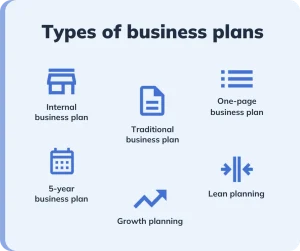
Understanding different types of business plan formats helps tailor your approach:
Type
Best For
Key Features
Startup Plan
New ventures
Detailed roadmap
Internal Plan
Teams & management
Operational focus
Strategic Plan
Long-term growth
Vision-driven
Feasibility Plan
Idea validation
Market analysis
Each business plan startup requires a different level of detail depending on the stage of the business.
4. Steps to Create a Business Plan
Creating a business plan involves a structured and methodical approach that ensures clarity, feasibility, and long-term sustainability. Rather than being a one-time task, it is an evolving process that requires careful planning, research, and validation at every stage.
1. Define Your Vision
The foundation of any successful business plan startup begins with a clear vision. This step focuses on identifying the core purpose of the business and the value it aims to deliver.
What specific problem does the business solve?
Who is the ideal target audience or customer segment?
What makes the idea unique or relevant in the current market?
A clearly defined vision helps align all future decisions and ensures that the business plan remains focused and goal-oriented.
2. Conduct Market Research
Thorough research is essential to validate your business plan ideas and understand the competitive landscape.
Analyse current industry trends and growth potential
Study competitors, their strengths, and gaps in their offerings
Identify customer needs, preferences, and pain points
This step reduces uncertainty and strengthens the credibility of the business plan.
3. Develop the Business Model
A strong business model outlines how the business will generate revenue and sustain itself.
Identify primary and secondary revenue streams
Define pricing strategies based on market positioning
Consider scalability and long-term profitability
An effective model ensures that the business plan startup is financially viable and adaptable.
4. Outline the Marketing Plan
A well-crafted marketing strategy is crucial for customer acquisition and brand visibility.
Select relevant digital channels such as social media, search engines, or email marketing
Develop a clear branding strategy including messaging and positioning
Plan customer engagement and retention strategies
This step ensures that the business plan includes a clear path to reach and grow the target audience.
5. Plan Operations
Operational planning focuses on how the business will function on a day-to-day basis.
Define the supply chain and logistics requirements
Identify necessary tools, platforms, and technology infrastructure
Establish workflows and team responsibilities
Efficient operations are key to executing the business plan startup effectively.
6. Prepare Financial Projections
Financial planning is a critical component of any business plan. It helps assess feasibility and attract potential investors.
Estimate initial costs, fixed and variable expenses
Project revenue and profitability over time
Conduct break-even analysis to determine when the business becomes sustainable
Accurate financial projections enhance trust and decision-making.
7. Review and Refine
A business plan should be continuously improved based on feedback and real-world insights.
Validate assumptions with data and expert opinions
Identify potential risks and mitigation strategies
Refine the plan to ensure practicality and clarity
Regular evaluation ensures that the business plan startup remains relevant in a dynamic market environment.
A well-defined and carefully executed business plan startup significantly increases the chances of sustainable growth, helping professionals turn their ideas into structured and scalable ventures.
5. Business Plan Ideas for 2026
The evolving economy opens up several innovative business plan ideas:
Trending Startup Ideas
AI-powered services Businesses leveraging artificial intelligence for automation, analytics, or personalization are gaining rapid traction. These business plan ideas align with the growing demand for efficiency and data-driven decision-making.
EdTech platforms Online education and upskilling platforms continue to grow as professionals seek flexible learning options. A strong business plan startup in this space can cater to diverse learners across industries.
Sustainable products Eco-friendly and sustainable solutions are becoming a priority for both consumers and businesses. These business plan ideas focus on long-term environmental impact while meeting evolving market expectations.
Health & wellness solutions From mental health apps to fitness services, this sector is expanding rapidly. A well-structured business plan can tap into increasing awareness around holistic well-being.
Freelance marketplaces Platforms connecting freelancers with businesses are thriving in the gig economy. These business plan startup models support flexible work trends and global talent access.
Industry-wise Opportunities
Industry
Opportunity
Average Salary/Revenue Potential
EdTech
Online learning platforms
₹8–25 LPA
FinTech
Digital payments & lending
₹10–30 LPA
HealthTech
Telemedicine services
₹7–20 LPA
E-commerce
Niche product stores
₹6–18 LPA
These business plan ideas align with current market demand and skill gaps.
6. Skills Required for Building a Business Plan
Creating a strong business plan requires a mix of skills:
Core Skills
Analytical thinking The ability to assess data, identify patterns, and make informed decisions is crucial when developing a business plan. It helps in evaluating opportunities and minimizing risks effectively.
Financial literacy Understanding budgets, cash flow, and financial projections ensures the sustainability of a business plan startup. This skill is essential for making sound investment and cost-related decisions.
Market research Gathering and interpreting market data helps validate business plan ideas and understand customer needs. It ensures that the business plan is grounded in real-world demand.
Strategic planning This involves setting priorities, defining goals, and outlining actionable steps to achieve them. Strong strategic planning strengthens the execution of a business plan startup.
Communication Clear and effective communication is key to presenting a business plan to stakeholders, investors, and team members. It ensures alignment and builds confidence in the business vision.
Skill Gap Analysis
Skill
Importance
Demand Level
Data Analysis
High
Growing
Financial Planning
Critical
High
Digital Marketing
Essential
Very High
Professionals often upskill to bridge these gaps before launching a business plan startup.
7. Common Mistakes to Avoid
Even the most promising business plan ideas can fail if common pitfalls are not addressed:
Lack of market research Skipping thorough research can lead to incorrect assumptions about demand and customer behavior. A strong business plan must be backed by reliable data and insights.
Unrealistic financial projections Overestimating revenue or underestimating costs can make a business plan startup unsustainable. Accurate and practical projections are essential for credibility and planning.
Ignoring competition Failing to analyse competitors can result in missed opportunities and weak positioning. A well-rounded business plan should clearly define how the business stands out in the market.
Weak execution strategy Even the best business plan ideas can fail without a clear implementation roadmap. Execution planning ensures that strategies are translated into actionable steps.
Overcomplicating the plan Adding unnecessary details can make the business plan difficult to understand and execute. Keeping it clear, concise, and focused improves usability and effectiveness. A practical and well-researched business plan is always more effective than an overly ambitious one.
Free Course Section: Upskill for Business Planning
Professionals looking to build a strong business plan startup can benefit from foundational knowledge in business strategy, analytics, and digital execution. Free courses offer an excellent starting point to understand what is a business plan and how to implement it effectively in real-world scenarios.
Overview: Learn how to interpret data, identify trends, and make informed decisions, skills that are essential when building a data-driven business plan. This course introduces key statistical concepts that help validate assumptions and improve planning accuracy.
Overview: Explore how artificial intelligence is transforming modern businesses. This course provides practical insights into AI applications such as automation, decision-making, and process optimization, valuable for innovative business plan ideas in 2026.
Overview: Understand digital marketing strategies including sponsored ads, product positioning, and online sales optimization. This course is particularly useful for professionals developing an e-commerce-focused business plan startup.
Why Start with Free Courses?
Build foundational knowledge before investing in advanced programs
Gain practical exposure to tools and concepts used in real businesses
Strengthen your ability to create and execute a successful business plan
These courses act as a stepping stone, helping professionals refine their business plan ideas and gain confidence before launching or scaling a venture.
8. Career Pathways in Entrepreneurship
Entrepreneurship is no longer a linear journey. A structured business plan opens multiple career avenues:
Role
Description
Salary Range
Startup Founder
Builds and scales business
₹6–20 LPA (early stage)
Business Consultant
Advises startups
₹8–25 LPA
Product Manager
Oversees product strategy
₹10–30 LPA
Each pathway benefits from strong business plan ideas and execution skills.
Transform Your Career with Jaro Education’s Learning Ecosystem
Building a successful business plan startup requires more than just theoretical knowledge, it requires guidance, mentorship, and industry exposure. Jaro Education, a leading online higher education and upskilling platform, plays a pivotal role in supporting professionals on this journey.
Programme Highlight:
MBA for Working Professionals Dr. D. Y. Patil Vidyapeeth, Pune (Deemed To Be University)
Feature
Details
Mode
Live Online
Duration
24 Months
Curriculum
21 Subjects + Project Work
Commencement
Currently Open
Application Deadline
Closing Soon
Programme Overview
With a legacy of over 40 years, 1000+ expert faculty, and 500+ global recruiters, Dr. D. Y. Patil Vidyapeeth, Pune (Deemed to be University), offers a UGC-entitled Online MBA designed specifically for working professionals. This programme blends core management principles with exposure to 25+ AI tools, preparing learners for leadership roles in a digital-first business environment.
The programme also provides global exposure through its collaboration with IFC Paris, offering dual certifications and insights from international faculty. An optional Paris campus immersion further enhances global learning opportunities. Designed for flexibility, this MBA enables professionals to balance career growth while building a future-ready business plan mindset.
Admission Criteria
Minimum Eligibility is graduation in any discipline from a recognized university
Minimum 50% aggregate marks (45% for reserved categories)
At least 3 years of work experience
Selection Process
Candidates who meet the eligibility criteria will undergo a Personal Interview
The interview assesses enthusiasm, aptitude, and leadership potential
This programme is ideal for professionals looking to strengthen their strategic thinking, develop scalable business plan ideas, and lead successful business plan startup initiatives in today’s competitive landscape.
Jaro’s Role in Your Journey
Jaro Education acts as a mentor and enabler by:
Offering personalized career counseling
Providing access to curated programs
Delivering value-added services through Jaro Connect
Professionals exploring what is a business plan and aiming to implement it effectively can benefit from structured learning pathways.
In a world where ideas are abundant but execution defines success, a well-structured business plan becomes the foundation of every successful venture. Understanding what is a business plan, identifying the right business plan ideas, and executing a strategic business plan startup can significantly enhance entrepreneurial outcomes.
As industries continue to evolve, professionals must equip themselves with the right blend of education and practical insights. Choosing structured learning pathways and expert guidance can make this journey more efficient and impactful.
Jaro Education supports this transformation by providing access to industry-relevant programs, expert mentorship, and personalized counseling, helping professionals take the next step with confidence.
Frequently Asked Questions
Jaro offers personalized counseling, academic guidance, and access to Jaro Connect, which provides career services, alumni networking, and industry insights.
Yes, most programs are designed with flexible schedules, making them suitable for professionals managing full-time jobs while preparing for sales manager jobs.
While no program guarantees outcomes, structured learning and industry exposure can significantly support career transitions when combined with practical application.
A business plan provides direction, helps secure funding, and ensures that the business operates with clarity and purpose.
Manya Tohani
Personal Growth Mentor
Manya Tohani is a Personal Growth Mentor and content strategist, helping individuals build strong personal brands and accelerate career growth. With 8M+ impressions and experience mentoring students, she empowers others through actionable guidance, resilience, and real-world insights.

 May 12, 2026
 10 min read




 ChatGPT
 Perplexity
 Claude
 Grok
Grok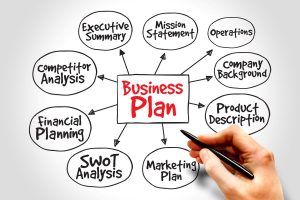


 Admission Open
 Admission Closed


 ROI Calculator