Why is Online Education Becoming Popular Among Professionals?
The importance of online education has increased greatly in the last ten years, especially among working professionals looking for flexible and career-focused learning options. Online learning has changed how professionals acquire new skills, update existing ones, and remain competitive in a fast-changing job market. What was once viewed as an alternative to traditional classroom education has now become a widely accepted and often preferred way to learn across various industries.
At its core, online learning means gaining knowledge through digital platforms via the internet, without the limits of physical classrooms. The definition of online learning goes beyond recorded videos; it includes live virtual classes, interactive assessments, discussion forums, and real-time support from instructors. This change emphasizes the benefits of digital education, where learning fits the learner’s schedule instead of the other way around.
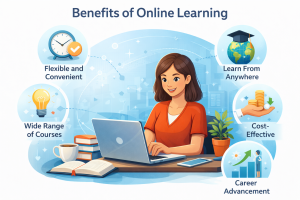
One significant reason professionals are turning to online classes is flexibility. Balancing full-time jobs, family duties, and personal growth can be tough. Online learning enables professionals to study at their own pace, revisit topics, and manage their time better. Among the ten benefits of online classes, flexibility, affordability, access to global instructors, job relevancy, and personalized learning paths stand out. These benefits make digital learning perfect for professionals aiming for promotions, career changes, or skill upgrades.
The shift from traditional classrooms to digital-first models has been quickened by technology, workplace digitization, and changing employer expectations. When we compare digital education to traditional education or online learning to traditional learning, digital platforms provide scalability, convenience, and current curricula that meet industry needs. However, this traditional and online education comparison also shows some downsides, such as less face-to-face interaction and the need for self-discipline.
It’s essential to understand the pros and cons of online learning. While the benefits of distance education include accessibility and cost savings, the downsides of distance learning and online classes include screen fatigue, limited peer interaction, and reliance on technology. Still, the overall impact of online education is positive, especially for professionals who value continuous learning.
The effects of online education can be seen across industries. Organizations now recognize online certifications, and professionals report increased productivity and confidence. The online teaching and learning experience has also improved, with virtual classrooms becoming more interactive through AI tools, simulations, and group projects. Writing about your experience with online teaching and learning often highlights autonomy, flexibility, and skills-based results.
In India, the growth of online education platforms has made high-quality education accessible to people across the country. Platforms offering MBAs, executive programs, and certifications enrich the learning experience with features like group discussion, live mentorship, and industry projects.
This guide looks at different learning models, benefits, challenges, platforms, and the overall pros and cons of e-learning, helping professionals make informed decisions in the changing digital education landscape.
How Does Online Learning Work?
“In 2026, the online education market is expected to reach $203.81 billion.”
Online learning has come a long way in becoming a systematic, engaging, and result-oriented form of education—not just a mere shadow of the classroom. Understanding how digital education works is essential for students, especially those with work commitments, to have the right expectations and make the most out of it. Essentially, online learning combines technology, design, and engagement between learners and educators to provide flexible yet quality education.
How Online Learning Works
Online learning essentially takes place on specialized digital platforms where students can access learning content, participate in online sessions, and interact with teachers and fellow students. The online learning process typically begins with the registration for online education services, followed by access to a customized dashboard. The dashboard essentially serves as the central point for learning sessions, assignments, calendars, and communication.
Online learning, unlike the traditional classroom setup, gives students the freedom to learn from anywhere, making it ideal for working professionals taking classes alongside their work commitments. Online classes are typically divided into modules or weeks, ensuring smooth progress and giving students the autonomy to manage their time as they wish. This balance of structure and flexibility, combined with accountability and accessibility, is what makes digital education so effective.
What is a Learning Management System (LMS) and How Does It Work?
Learning Management System (LMS) is the driving force behind online learning. It is an online platform that holds learning content, monitors your progress, conducts tests, and maintains communication channels. The latest LMS combines videos, PDFs, quizzes, discussion forums, and links to live classes in one single interface.
Using an LMS, learners can view deadlines, view feedback, and track their progress as they learn. For instructors, an LMS manages course creation, learning content, and learning analytics. It is a single interface that ensures consistency, accountability, and transparency in online learning. For working professionals, an LMS helps them easily access online courses by keeping everything organized.
What Are Live Classes, Recorded Sessions, and Online Assessments?
In today’s online education, you are given the best of both worlds: live classes and self-paced learning, with regular assessments. Live classes are conducted in virtual classrooms where you can interact with teachers, ask questions, and participate in discussions, just like in a physical classroom but with the convenience of technology.
Recorded classes allow you to revisit lessons, solidify concepts in your mind, and learn at your own pace. This is particularly useful for working professionals with busy schedules, different time zones to consider, and lots of responsibilities. By combining live and recorded lessons, learning becomes more in-depth and retention is enhanced.
Assessments take many different forms: quizzes, assignments, case studies, projects, and proctored exams. They are crafted to test not only what you know but also how you apply that knowledge. Regular assessments keep you engaged and allow you to monitor your progress throughout the course.
Online Classes: Structure, Expectations, and What It Takes
If you are taking online classes, understanding how they are structured and what is expected of you is essential for success. Most online courses follow a predictable schedule: learning objectives for each week, deadlines for turning in assignments, and guidelines for assessment. The major benefit of online education is its flexibility, but this requires personal responsibility and time management skills.
Engagement is also important. You will be expected to participate in online discussions, collaborate with classmates on group projects, and participate in group projects. Most online programs include additional elements such as peer review, mentor discussions, and online networking to enhance the learning experience.
Regarding expectations, you should feel confident in your ability to use technology, manage your own time, and control your learning process. With dedication and hard work, online education can provide a strong, career-oriented education that aligns with today’s technology-driven world
Why is Online Education Important in Today’s Workforce?
Online education has rapidly become one of the most popular options as the nature of work environments changes with technology, globalization, and the need for new skills. In a world that is always highly competitive, learning is no longer a choice—it’s a necessity. Online education is a unique and effective tool for staying relevant, flexible, and ready for the future without having to disrupt your work or personal life.
Why is Online Education Ideal for Busy Professionals?
For those professionals who are already working, the greatest benefits of online education are flexibility and convenience. Traditional education locks you into a set schedule and requires you to be physically present, which can be difficult to reconcile with full-time employment and family responsibilities. Online education shatters these limitations, allowing you to study at any time and from any location, making skill development possible.
Another great benefit of online education is that it is cost-effective. Online education courses and degrees are generally less expensive than traditional education and do not require expenses such as travel and accommodations. In addition, you have the ability to choose from a wide range of programs offered by institutions at the national and international levels, providing access to high-quality education that may not have been possible otherwise.
In addition, online education allows for a personalized experience. You can learn at your own pace, review difficult concepts, and tailor your education experience to meet your career objectives. This personalized experience makes online education a highly effective tool for professionals who have specific, targeted skill development needs rather than a general educational experience.
How Does Online Education Help in Upskilling, Reskilling, and Career Transition?
Online learning is a standout area that has driven upskilling, reskilling, and career transition in the current workforce. Technology has moved at a rapid pace, and as a result, new skills have emerged or become more prevalent in the workforce. These include data analytics, digital marketing, artificial intelligence, project management, and leadership. Online learning allows professionals to acquire these new skills in a cost-effective and time-efficient manner.
Online learning is also beneficial for individuals who want to reskill or change careers because it provides a structured approach to entering a new industry. You can acquire a certificate, diploma, or even a degree while still working, which reduces risk and makes it more manageable.
The benefit of online education can also be seen in its ability to reflect what is needed in the industry. Many online courses are designed with the input of industry professionals and focus on application, projects, and results that are relevant in the industry. This means that what you learn will actually help you perform better in your current role and advance your career.
How Does Online Education Solve Time and Location Constraints?
Time and location constraints are some of the largest problems that the modern workforce faces, and online education is an effective solution for both. Professionals working in different cities, countries, or even remote areas can now have access to the same quality of education as professionals in major cities. This is a testament to the importance of online education in providing equal opportunities.
Online education also provides flexibility in terms of time through recorded lectures, weekend classes, and self-paced learning modules. Professionals can now learn during their breaks, after work hours, or even on weekends without affecting their job commitments. This makes online education a perfect solution for shift workers, frequent travelers, and professionals with unpredictable schedules.
The importance of online education in the modern workforce cannot be emphasized enough. Online education has the ability to enable continuous learning, facilitate career changes, and overcome time and location constraints, making it possible for professionals to succeed in the rapidly changing world of employment.
The Role of Internet in Education
The internet has completely transformed education from scratch—teaching, searching, and the learning process itself. People are no longer bound to a particular location, a fixed schedule, or traditional learning walls. The list of the 10 advantages of the internet in education explains why online learning has become one of the essential foundations of contemporary education, particularly for students and working professionals seeking flexibility, practicality, and professional growth.
Here’s a free-flow, in-depth exploration of the ten advantages of internet-based education, emphasizing why it is one of the most effective learning tools in the internet age.
1. Easy Access to Global Learning Resources
The internet provides access to a global world of learning resources at your fingertips. Students can immerse themselves in e-books, research papers, online libraries, video lectures, and open courses from the best universities across the world. This open access provides a vast expansion of knowledge and an influx of global viewpoints that are difficult to attain in a classroom setting.
2. Flexibility in Learning Schedules
One of the most attractive features of internet-based education is flexibility in learning schedules. Online education allows individuals to learn at any time of the day that suits them—early morning, late night, or at any time in between. There are no fixed class timings, making learning more inclusive and flexible to suit different schedules.
3. Cost-Effective Education
Online education is cost-effective. Online courses, certifications, and degree programs are less expensive than their offline counterparts. Moreover, there are no costs associated with commuting, accommodation, and physical copies of study materials. This cost-effectiveness makes quality education more accessible to a wider section of society, irrespective of their economic background.
4. Learning from Anywhere
Another significant benefit of online education is the ability to learn from anywhere in the world. Students can attend classes, submit assignments, and interact with teachers from anywhere across the globe. This is a great boon for students living in far-off areas and working professionals who travel extensively across the world, making education location-independent and democratizing access to quality education.
5. Self-Paced Learning Opportunities
Self-paced learning is one of the most convenient and easy-to-use features of online education. Students can learn at their own pace, revisit difficult concepts, and skip sections that they already know. This customized approach to learning increases comprehension, reduces stress, and caters to different learning styles, making education more effective and engaging.
6. Improved Digital Literacy
As students engage with the internet, they learn important digital literacy skills in the process. Communication, collaboration, data management, and technology skills become second nature. Of the ten benefits of the internet in education, this increased digital literacy is one of the most important, as being digitally literate is now an essential requirement in almost every industry.
7. Availability of Industry-Ready Content
The internet enables educational content to be up-to-date with the latest industry developments. Online courses often include real-world examples, projects, and webinars. This benefit of internet-enabled education ensures that students learn practical, job-ready skills rather than outdated theories, making them more employable.
8. Better Time Management
Online education forces students to take control of their time and responsibilities. Managing deadlines, work, and personal life, as well as managing study time, all help improve time management skills. This benefit of internet-enabled education is particularly useful for working professionals who have to manage multiple tasks efficiently.
9. Support for Continuous Learning
The internet enables continuous learning by providing endless opportunities for skill development and certification. Students can take short courses, micro-credentials, and professional certifications to remain current throughout their working lives. Of the ten benefits of internet-enabled education, this focus on continuous learning helps keep professionals current and adaptable.
10. Support for Career Advancement
Perhaps the greatest benefit of the ten is that of career advancement. The internet enables students to upskill, reskill, and change careers without any career gaps. Certifications and online degrees enhance resumes, boost confidence, and provide opportunities for promotions, new jobs, and higher salaries.
Digital transformation has been a silent revolution in the way we learn, making education more accessible, flexible, and results-oriented. The positive side of digital education is that it combines technology and learning approaches in a way that engages and inspires learners. Digital education is a must in today’s rapidly changing industry scenario to make learners industry-ready.
Why is Digital Education Effective?
Flexibility is one of the key reasons why digital education is so effective. Students are not bound by fixed schedules and physical classrooms. They can access learning resources whenever and wherever they want and at their own pace. This flexibility increases learner engagement and satisfaction, which is a clear advantage over traditional education.
Another reason why digital education is effective is accessibility. Learners from all over the world, regardless of their profession and age, can access quality education through digital education platforms.
Technology-Driven Learning Experiences
Digital education is based on technology. Technologies such as Learning Management Systems, artificial intelligence, virtual classrooms, and data analytics define the way we learn. They enable interactive lectures, immediate feedback, automated tests, and easy tracking of progress. By leveraging technology-driven solutions, education becomes more structured, quantifiable, and engaging.
Digital education also excels in its multimedia capabilities, including videos, simulations, quizzes, and case studies. These features cater to various learning styles—visual, auditory, and kinesthetic—to provide a more inclusive and efficient learning platform.
Personalized and Interactive Learning Models
Personalization is a major strength of digital learning. Learners can customize their learning paths to suit their objectives, existing knowledge, and interests. Adaptive learning technologies assess the learning style of a person and provide recommendations on the most relevant content, thereby defining a personalized learning experience.
Interactive models increase engagement through forums, live meetings, peer collaboration, and project-based learning. This interactivity reduces the gap between learners and teachers, creating a vibrant learning environment that encourages critical thinking and application. Overall, digital education excels in providing flexible, technology-enabled, and personalized learning.
What are the Advantages & Disadvantages of Digital Learning?
With the advent of digital learning, there are some obvious advantages that come with it. Here are the advantages and disadvantages of digital learning that make it a standout in today’s tech-savvy world.
Advantages of Digital Learning
Disadvantages of Digital Learning
Flexible learning schedule and self-paced study
Requires strong self-discipline and time management
Accessible from anywhere with internet connectivity
Dependent on stable internet and digital devices
Wide variety of courses and global learning resources
Too many options can make course selection confusing
Cost-effective compared to traditional classroom education
Hidden costs like software subscriptions or devices
Recorded lectures enable revision and repeated learning
Limited real-time interaction in pre-recorded sessions
Opportunity to balance work, study, and personal life
Managing multiple responsibilities may cause burnout
Exposure to modern digital tools and technologies
Requires basic technical skills to navigate platforms
Comfortable home learning environment
Higher chances of distractions and reduced focus
Faster skill development through specialized courses
Lack of hands-on practical experience in some programs
Networking opportunities through online communities
Limited face-to-face social interaction
What is Distance Education and How Does It Work?
Distance education is becoming increasingly popular for a reason, and that reason is that it provides real, tangible benefits. Below are the most important benefits that make many students choose this form of education.
Flexibility for Distance Students
Flexibility is one of the most important benefits. There is no need to be in a classroom or follow a tight schedule. This is especially important for students who are geographically distant from campuses or have limited access to on-campus education. Students can follow their own schedule, choose convenient times for studying, and balance education with work and personal life.
For working individuals, this means continuing education without having to quit their jobs. They can enhance their skills, obtain certifications, or earn degrees while maintaining full-time employment.
Cost Savings and Accessibility
Another important benefit is cost savings. Distance education is significantly less expensive than traditional education. The cost savings come from not having to travel, move, or relocate. Additionally, there are no physical materials to purchase. Online materials eliminate additional costs, making education more accessible.
Accessibility is also a significant benefit. Students from different parts of the world, including rural or disadvantaged areas, can access quality education from elite institutions. This helps to create equal opportunities and enables inclusive education for diverse groups of people.
Suitability for Pros and Lifelong Learners
Distance education is a great fit for professionals and lifelong learners who are hungry for flexibility and hands-on learning. Many courses are designed with a career-minded path that focuses on real-world applications and skills. Professionals can pursue higher credentials, leadership tracks, or technical certificates that match their desired career path.
Lifelong learners appreciate that distance education breaks down age and geographical constraints to support continuous knowledge expansion. This flexibility makes distance education a great way for anyone committed to personal and professional growth.
What are the Pros and Cons of Online Learning?
Online learning has taken the world by storm, offering convenience and connectivity while also revealing some shortcomings. Take a look at the pros and cons of online learning below.
Pros of Online Learning
Cons of Online Learning
Flexible learning schedule allows students to study anytime
Requires strong self-discipline and time management
Accessible from anywhere with an internet connection
Limited face-to-face interaction with peers and instructors
Self-paced learning improves understanding
Lack of structured routine may reduce consistency
Access to global courses and expert instructors
Limited direct interaction compared to classroom learning
Cost-effective with lower travel and accommodation expenses
Hidden costs like devices, software, or high-speed internet
Recorded lectures help in revision and repeated learning
Less real-time engagement during pre-recorded sessions
Balance work, study, and personal responsibilities
Managing multiple commitments can become overwhelming
Comfortable home learning environment
Home distractions may reduce productivity and focus
Wide range of specialized courses and certifications
Difficulty choosing the right course due to too many options
Improves digital skills and tech familiarity
Requires basic technical knowledge to navigate platforms
Online Education: Its Effects on Careers and Society
Online education is not limited to the classroom or the individual student. It is quietly revolutionizing the way people develop their careers, the way organizations create learning opportunities, and the way the global workforce is developing. As technology and automation drive industries forward, online education is a major catalyst for employability, organizational development, and overall societal advancement.
Effects on Employability
One of the major effects of online education is the way people are employed. Employers today are as interested in skills, flexibility, and a lifelong learning attitude as they are in, or more than, traditional credentials. Online education provides people with access to skills such as data analytics, digital marketing, project management, cloud computing, and leadership in a shorter period than traditional education.
Certifications, diplomas, and degrees from online education help working professionals remain competitive in a crowded job market. People can develop new skills while continuing to work at their current jobs, thus reducing the time gap and financial burden. This directly affects employability, confidence, and career mobility.
Online education also provides opportunities for everyone. Students in far-off or underdeveloped areas can gain the same education and exposure as students in major cities.
Impact on Organizational Learning Culture
Online education is also transforming the way organizations learn. Increasingly, organizations are using online learning platforms to train, upskill, and reskill their employees. This leads to a culture of continuous learning, where employees are encouraged to keep their skills up-to-date in line with the changing needs of the business.
The impact is obvious: scalable, affordable training that can be standardized across the organization, regardless of location or time zones. This standardization leads to increased productivity, innovation, and performance. The impact of online education on the organizational learning culture is evident in increased employee engagement, improved retention, and improved leadership development.
Moreover, online learning enables self-directed learning and personal accountability. Employees take personal responsibility for their own development, linking their own growth to the business objectives. This approach leads to improved learning agility and positions the organization for success.
What Are the Teaching Methods Used in Online and Traditional Education?
One of the key aspects in the comparison between e-learning and traditional education is the method of teaching. In traditional education, teaching is done through direct interaction, where lecturers engage students in discussions and assessments. This method allows for the immediacy of interaction and the daily routine of teaching and learning.
E-learning, on the other hand, utilizes technology to deliver teaching. Some of the common teaching methods used in e-learning include video lectures, virtual classrooms, quizzes, discussion forums, simulations, and project-based assessments. Learning Management Systems (LMS) are used to organize content and track progress.
Traditional education allows for the immediacy of interaction and the daily routine of teaching and learning, while e-learning uses multimedia and technology to deliver teaching. The comparison reveals that e-learning caters to different learning styles through visual, auditory, and interactive learning, while traditional education takes a more standardized approach.
Which is Better: Flexible Online Learning or Structured Traditional Learning?
Flexibility is one of the most important points that differentiate e-learning from traditional learning. E-learning enables learners to study at any time and from any location, which is ideal for working professionals, online students, and anyone who has a busy schedule. You can access recorded lectures, pause learning, and learn at your own pace.
Traditional learning, on the other hand, follows a structured schedule with fixed class timings, attendance, and academic sessions. This organized system introduces routine, discipline, and boundaries, which can be very beneficial for learners who learn better through structured learning and physical monitoring.
When comparing e-learning with traditional learning, flexibility is an important factor that favors e-learning, while structure and organization favor traditional learning. The success of both systems depends entirely on the learner’s self-control, learning habits, and personal commitments.
Is Online Education More Affordable Than Traditional Education?
When you look at the bottom line, cost is a significant factor in the decision between e-learning and traditional learning. Online learning is less expensive overall—you may pay less in tuition, and you eliminate the costs of travel, accommodations, and materials. Additionally, many online courses are priced using modular pricing, which can make it easier to start and continue your education.
Traditional learning, on the other hand, is likely to be more expensive. You pay for the facilities and the infrastructure that supports the on-campus learning environment, but this can be a deterrent for those with limited budgets.
Therefore, when you compare the costs, e-learning clearly has the advantage over traditional learning.
How Accessible is Online Education Compared to Traditional Education?
Accessibility of education is an important consideration when comparing e-learning to traditional schooling. E-learning removes the geographical constraints that, in traditional schooling, restrict access to education by requiring one to be close to the school. E-learning enables students from distant areas to access quality education from prestigious institutions across the globe.
Traditional schooling requires one to be close to the institution of learning, which is a limitation to accessing education. For many people, including working professionals and international students, traveling to the institution of learning is a constraint.
Does Online Education Improve Career Outcomes?
If we compare e-learning to traditional learning, we can see the strengths of each. E-learning embraces applied education with a focus on skills and industries. The courses are regularly updated in real-time to meet the needs of the market, which increases employability and makes it easier to transition into a new career.
Traditional learning however excels at academic theory and research-based learning.
What is the Difference between Technology-Driven Learning and Classroom-Based Learning?
One of the most apparent differences between digital education and traditional education is the learning environment. Digital education is technology-driven, using online platforms, Learning Management Systems (LMS), virtual classrooms, multimedia, and interactive tools. Students can access lectures, assignments, and learning materials using digital devices, allowing for flexible and remote learning.
Traditional education, on the other hand, is classroom-based and involves offline lectures, textbooks, and physical interaction between teachers and students. This type of education focuses on offline communication, scheduled learning, and campus-based learning experiences.
When comparing digital education vs traditional education, technology-driven learning is more flexible and scalable, while classroom-based learning involves structured routines and direct interpersonal interactions. Technology-driven learning also allows for multiple learning styles using videos, simulations, and interactive assignments, while classroom-based learning involves standardized teaching practices.
Online Education Platforms in India
The rapid growth of online education platforms in India has changed how students and professionals learn, improve their skills, and advance their careers. With more internet access, flexible learning options, and digital tools, these platforms have become a vital part of modern education. Understanding the importance of online education, along with its benefits, limitations, and effects on learners, can help individuals choose the right platform and method for learning.
Before looking at the major platforms, it is helpful to know the meaning and definition of online learning. Online learning is the process of gaining knowledge and skills through digital platforms that use internet-based resources, live classes, recorded lectures, and interactive tools. From taking online classes at home to participating in global programs, the experience of online teaching and learning has changed into a vibrant educational ecosystem.
Online Learning Platforms in India
Government Platforms
Government-backed programs play an important role in promoting digital education and increasing access to learning opportunities across India. Platforms like SWAYAM, DIKSHA, and NPTEL offer structured courses for school students, college learners, and working professionals. They show the benefits of distance education by providing affordable or free courses with certification options. These platforms also encourage discussions through webinars, collaborative assignments, and online group sessions that help with peer learning.
Government platforms are especially helpful for students who want flexible schedules while managing work or personal commitments. They improve access to online education and allow learners from remote areas to reach quality education.
University-Based Platforms
Many Indian universities now offer online and hybrid courses through their dedicated portals. These programs combine academic rigor with practical applications and reflect the growing trend of digital education compared to traditional education. Universities often provide professional certifications, diploma programs, and degree courses tailored for working professionals.
University-based learning emphasizes structured coursework, similar to classroom learning, while keeping the benefits of digital learning, such as flexibility and recorded lectures. This approach shows how online learning and traditional learning can coexist, giving students both academic credibility and convenience.
Popular Online Education Platforms in India
Private EdTech Platforms
Private EdTech companies have greatly impacted the growth of online education platforms in India by providing specialized courses in business, technology, healthcare, marketing, and more. Platforms such as UpGrad, Byju’s, Simplilearn, Coursera (India partnerships), and Jaro Education offer industry-relevant programs. These programs come with mentorship, career guidance, and real-world projects.
These platforms demonstrate the ten benefits of online classes. They include flexible schedules, access to global instructors, self-paced learning, a variety of course options, cost efficiency, and personalized learning experiences. They also show how online education can improve job chances by helping learners develop practical skills that match industry needs.
However, it is important to consider both the pros and cons of online learning. While flexibility and accessibility are significant advantages, learners may encounter challenges. These include a lack of face-to-face interaction, distractions at home, and the necessity for strong self-discipline. These are often seen as drawbacks of online classes and distance learning, particularly for students who prefer traditional classroom settings.
About Jaro Education:
Jaro Education is one of India’s top edtech companies that specializes in executive education and online higher learning. Founded in 2009, the organization collaborates with leading Indian and global universities to provide programs that meet industry needs, helping professionals develop their skills and progress in their careers through flexible learning options. The company works with respected institutions like IITs, IIMs, and other well-known universities to offer tech-based learning, marketing support, and student services.
Over the years, Jaro Education has established a strong presence in the upskilling sector by providing a variety of certification programs, online degrees, and executive education courses for working professionals. With thousands of students enrolled each year and an expanding range of partnerships, the company aims to connect academic learning with industry demands while fostering career growth in a fast-changing job market.
Features and Use Cases
Modern online learning platforms in India offer interactive features like live sessions, recorded modules, quizzes, peer discussions, and career-focused workshops. Many platforms use AI-based recommendations and collaborative tools to improve the online teaching and learning experience.
Key use cases include professional upskilling, academic learning, certification courses, and corporate training programs. For example, working professionals often prefer online learning programs that let them keep their jobs while studying. Students preparing for competitive exams also benefit from flexible digital resources.
When comparing the pros and cons of e-learning, it’s important to consider factors such as course credibility, learning style, technical requirements, and engagement levels. While online learning provides great convenience, learners should be aware of potential drawbacks like screen fatigue and less hands-on practice.
Types of Online Education Programs for Professionals
The growing demand for flexible upskilling has led to many online education programs for professionals. Whether individuals want to advance in their current roles, switch careers, or develop leadership skills, online learning offers structured pathways tailored to different goals and experience levels. Knowing the various program formats helps professionals make smart and informed choices.
Online Degrees (MBA, MSc, Executive Programs)
Online degree programs are among the most thorough options for working professionals. Popular choices include Online MBA, MSc programs, and executive management courses from universities and global institutions. These programs provide in-depth academic knowledge with practical applications. Online degrees are perfect for those seeking career advancement, leadership positions, or industry specialization without leaving their jobs. Executive programs focus on strategic decision-making, leadership development, and industry trends, making them valuable for mid-to-senior-level professionals.
Certifications & Micro-Credentials
Short certification programs and micro-credentials aim to help professionals upgrade specific skills quickly. These programs cover topics like data analytics, digital marketing, project management, AI, and finance. Certifications are practical and career-focused, allowing learners to stay competitive in fast-changing industries. They also enable professionals to build a flexible learning portfolio, combining various courses to meet their career goals.
Corporate Training & Executive Education
Many organizations now invest in corporate training and executive education to improve employee performance and leadership skills. These programs are often customized to meet industry needs and focus on practical business challenges, innovation, and strategic thinking. Professionals benefit from real-world case studies, networking opportunities, and mentorship from industry experts. Corporate training supports both individual growth and organizational development.
Short-Term vs Long-Term Programs
Choosing between short-term and long-term programs depends on learning goals and available time. Short-term courses typically last a few weeks or months and are great for quickly gaining specific skills or certifications. Long-term programs, like online degrees or executive diplomas, offer deeper knowledge and complete career development. Professionals should consider their career stage, budget, and learning objectives before picking a program duration.
Self-Paced vs Cohort-Based Learning
Another key factor is the learning format. Self-paced programs let learners study at their own speed, making them suitable for busy professionals with unpredictable schedules. Cohort-based learning, however, follows a fixed schedule with peer interaction, group projects, and live sessions. This format boosts networking opportunities and accountability while providing a more structured learning experience.
Overall, understanding the different types of online education programs for professionals helps individuals choose the right path based on their career goals, learning preferences, and professional commitments.
How to Choose the Right Online Course or Degree
With the rapid growth of digital learning, students and professionals now have many options. However, knowing how to choose the right online course or degree is crucial to make the best use of your time, effort, and money. From accreditation and curriculum relevance to career outcomes, making an informed choice can greatly affect your learning experience and professional growth.
Accreditation and UGC Approval
One of the key steps in choosing the right online course or degree is checking accreditation and regulatory approvals. In India, learners should seek universities recognized by the UGC and accredited institutions that provide quality education and are accepted in the industry. Accreditation confirms the program’s credibility, boosts job prospects, and ensures that employers and academic institutions recognize your qualification. Selecting a program without proper approval may restrict your career options or opportunities for further education.
Course Curriculum Relevance
The course curriculum should reflect current industry trends and the job market. Before enrolling, review the syllabus to make sure it includes practical skills, real-world case studies, and updated tools or technologies. A relevant curriculum ensures that learners gain useful knowledge that improves job prospects. If you are changing careers or developing new skills, focus on programs that emphasize hands-on learning, projects, and industry-related modules to maximize your professional impact.
Tips for Succeeding in Online Learning as a Working Professional
Online learning offers flexibility and chances for career growth, but balancing work responsibilities with studies requires discipline and smart strategies. For working professionals, success in online education relies on effective planning, engagement, and a healthy learning routine.
Time Management Strategies
One of the biggest challenges professionals face is managing time between work, personal life, and studies. Start by creating a weekly learning schedule that fits your work commitments and peak productivity hours. Break down larger modules into smaller tasks and set deadlines to avoid last-minute stress. Using digital planners, reminders, and productivity apps can help you stay consistent. Consider the time-blocking method, which involves dedicating specific hours for learning activities like watching lectures, completing assignments, or reviewing content. Consistency is more important than long study sessions; even one focused hour daily can lead to significant results over time.
Setting Realistic Learning Goals
Clear and achievable goals keep you motivated and focused. Instead of trying to finish an entire course quickly, set short-term milestones like completing a module or mastering a specific skill. Connect your learning goals to your career objectives, such as getting a promotion, moving to a new field, or improving certain skills. Tracking your progress with checklists or progress dashboards helps hold you accountable. Celebrate small successes to build confidence and keep going, especially in longer programs.
Avoiding Burnout and Screen Fatigue
Working professionals often feel mentally drained from long hours in front of screens and busy schedules. To prevent burnout, use structured study intervals like the Pomodoro Technique: 25 minutes of focused work followed by a short break. Mix in offline learning methods such as taking notes, reading printed materials, or brainstorming away from your screen. Regular exercise, staying hydrated, and getting enough sleep also help boost mental clarity and productivity. It’s important to set boundaries between work, study, and personal time to stay motivated in the long run.
Staying Engaged in Virtual Classes
Active participation improves the online learning experience. Join live discussions, ask questions during sessions, and take part in quizzes or group exercises. Taking notes during lectures and reviewing recorded sessions helps with retention. Many virtual programs offer discussion boards or breakout rooms; using these features boosts interaction and keeps you responsible. Treat online classes as seriously as in-person sessions. Attend regularly and limit distractions during study time.
Building Peer Networks Online
Networking is a key part of professional learning. Connect with classmates through discussion forums, LinkedIn groups, or group projects. Joining peer study sessions encourages sharing knowledge and offers different views on industry topics. Building relationships with fellow learners can lead to mentorship opportunities, job referrals, and long-term career connections. Online communities also provide emotional support, helping professionals stay motivated throughout their learning journey.
By using these practical strategies, such as effective time management, realistic goal-setting, burnout prevention, active engagement, and strong peer networking, working professionals can get the most out of online learning while keeping balance in their personal and professional lives.
Online Learning Tools and Technologies Professionals Should Know
The success of online education depends greatly on digital tools and technologies that improve learning experiences, collaboration, and productivity. Professionals taking online courses should know the main platforms that support effective virtual education and skill development.
Learning Management Systems (LMS)
Learning Management Systems are essential for most online courses. Platforms like Moodle, Canvas, and Blackboard enable learners to access course materials, submit assignments, track progress, and connect with instructors. LMS platforms act as a central hub where students can manage their schedules, monitor their performance, and receive feedback. For professionals balancing many responsibilities, LMS dashboards help organize tasks and ensure deadlines are met.
Virtual Classroom Tools
Virtual classroom tools allow real-time interaction between instructors and learners. Platforms like Zoom, Microsoft Teams, and Google Meet support live lectures, webinars, and group discussions. Features like screen sharing, breakout rooms, polls, and chat functions create interactive learning experiences similar to in-person classrooms. Participants can engage with instructors, take part in group activities, and clarify complex topics during live sessions.
Collaboration Platforms
Online learning often includes teamwork and group projects. Collaboration tools like Slack, Trello, Notion, and Google Workspace help learners communicate effectively, share documents, and track project progress. These platforms boost teamwork and improve productivity by allowing smooth communication between classmates and instructors. Participants can use these tools to coordinate assignments, share ideas, and manage workflows in real time.
Assessment and Project Tools
Assessment platforms are essential for evaluating learning outcomes. Tools like Kahoot, Quizizz, and project management software enable interactive quizzes, assignments, and performance tracking. Many programs also incorporate coding environments, simulation software, or portfolio-building platforms for hands-on learning experiences. These tools allow professionals to use theoretical knowledge in real-world situations, strengthening practical skills and preparing them for the industry.
AI-Powered Learning Platforms
Artificial intelligence is changing digital education. AI-powered tools provide personalized course recommendations, adaptive learning paths, automated feedback, and performance analytics. Chatbots help learners with their questions, while intelligent tutoring systems offer customized practice exercises. For working professionals, AI-driven platforms improve efficiency by identifying skill gaps and suggesting targeted learning resources, making education more personalized and focused on outcomes.
Understanding and effectively using these tools, including LMS platforms, virtual classrooms, collaboration tools, assessment technologies, and AI-powered systems, helps professionals navigate online education confidently. Mastery of these technologies not only improves learning outcomes but also builds digital skills that are vital for modern workplaces.
Final Verdict: Online Learning, a Boon for Learners
Testimonials:
I chose SCDL after exploring many institutions, and it proved to be the best fit for my needs. SCDL offers all diploma options with facilities similar to a regular university. The PGDBA program enhanced my knowledge, which I apply daily in my professional life. During the lockdown, I could continue learning through online classes and both digital and printed materials. The program built my confidence and prepared me for workplace challenges. My employer appreciates the credibility of SCDL. I’m truly glad I chose this program—it supported me through every step, from classes to exams and projects.
– Neha Keshan, PGDBA
2.The PG Certificate in Cyber Security from SCDL provided me with essential knowledge of network security, ethical hacking, and data protection. The curriculum is aligned with current industry practices and helped me build a strong technical foundation. The online format was ideal for upskilling while I was working. This program is ideal for IT professionals and beginners looking to enter the rapidly growing field of cybersecurity with confidence.
– Ajinkya Sonawane
The growth of online learning has changed how professionals and students view education. It has made skill development more flexible, accessible, and focused on careers. From understanding the meaning of online learning to exploring online education platforms in India and various program types, learners now have many paths to reach their goals. The importance of online education is in its capacity to fill skill gaps, support career changes, and offer opportunities for lifelong learning.
While the advantages of digital learning and distance education, such as flexibility and accessibility, are significant, learners should also think about the pros and cons of online learning before they enroll. Comparing online learning to traditional learning or digital education to traditional education can help people make the right choice based on their preferences and career goals. By choosing the right course, using modern learning tools, and applying effective strategies for success, professionals can enhance the impact of online education on their careers.
Ultimately, with the right mindset and planning, taking online classes can lead to meaningful growth, better employability, and a skill set ready for the future in today’s fast-changing digital world.
Frequently Asked Questions
Online education is known as online learning, where students acquire skills through online platforms using the online learning definition and online learning meaning concept based on online classes, video lectures, and assignments. It emphasizes the importance of online education by facilitating flexible learning through online education platforms in India and worldwide. Contrary to digital education vs traditional education and online learning vs traditional learning, it provides accessible and technology-based learning experiences.
The 10 advantages of online classes include flexibility, cost-effectiveness, accessibility, and job-oriented skills, demonstrating the advantages of digital learning and advantage of digital education. Students benefit from increased productivity through taking online classes, group online education group discussion, and practical learning. But recognizing the pros and cons of online learning, pros and cons of e learning, and even disadvantages of online classes assists in developing a balanced learning approach.
Online learning platforms in India and international websites offer popular courses in data analytics, digital marketing, project management, and AI for a period of 6 months. Such courses prove the benefits of distance learning and the impact of online education as they facilitate rapid upskilling and job switching. While selecting, one should keep in mind the impact of online education, experience of online teaching and learning, and the traditional and online education comparison learning patterns.
These include self-paced courses, cohort-based courses, live online classes, blended learning, and certification-based digital courses offered through online education platforms in India. These influence the experience of online teaching and learning, ranging from autonomous courses to engaging online education group discussion sessions. Although these illustrate the benefits of digital education, one should also be aware of the drawbacks of distance learning, pros and cons of online learning, and the long-term impact of online education for career development.
Shubham Lal
Lead Software Developer
Shubham Lal joined Microsoft in 2017 and brings 8 years of experience across Windows, Office 365, and Teams. He has mentored 5,000+ students, supported 15+ ed-techs, delivered 60+ keynotes including TEDx, and founded AI Linc, transforming learning in colleges and companies.
Get Free Upskilling Guidance
Fill in the details for a free consultation
Related Courses
Explore our programs
Admission Open
Blended Post Graduate Program in Management MBA (MBA – BPGP)

 February 13, 2026
 34 min read





 ChatGPT
 Perplexity
 Claude
 Grok
Grok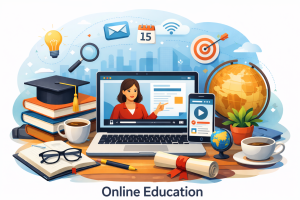



 Admission Open

 Admission Open
 Admission Open
 Admission Open

 ROI Calculator



