"I Am Financially Independent": What Does That Really Feel Like?
Steps to Build Financial Independence
Key Insights
Financial independence means having enough income, savings, and investments to cover living expenses without relying on others, giving you greater control over your financial decisions.
Creating a budget, tracking expenses, building an emergency fund, and repaying high-interest debt are essential steps toward achieving financial independence.
Increasing income through skill development, promotions, side hustles, and business opportunities can accelerate your progress, while regular investing helps build long-term wealth through compound growth.
Financial independence for women supports greater confidence and security, while the FIRE approach focuses on saving and investing aggressively to achieve early retirement, though it requires discipline and involves financial risks.
In this blog, you'll learn what financial independence means, why it matters, practical steps to achieve it, strategies for women, different FIRE approaches, and healthy money habits for building a secure future.
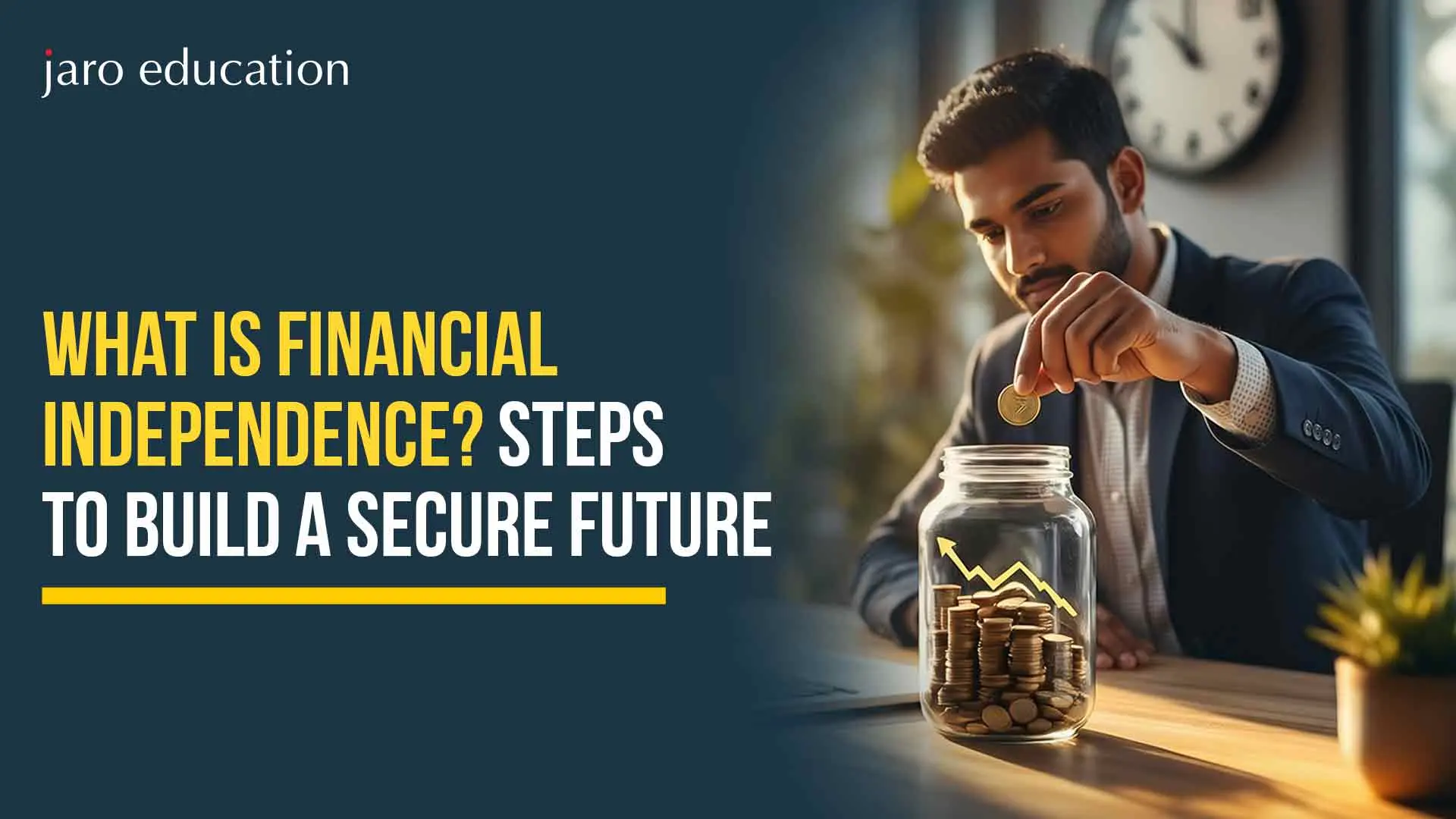
There is a special kind of peace that comes from knowing you can pay your bills, handle surprises, and make life choices without panicking about money. Some people call it freedom. Others call it security. Most simply call it financial independence.
The idea sounds big, but it is not reserved for millionaires or finance experts. It is something ordinary people build slowly, one decision at a time. In this blog, we will explain what financial independence really means, why it matters, the practical steps to reach it, and how it looks for different people, including women and those chasing the popular financial independence retire early (FIRE) dream. We will keep it simple, honest, and useful for you to understand easily.
Financial independence means having enough income, savings, and investments to cover your living expenses without depending on anyone else, such as a parent’s, partner’s, or employer’s next paycheck. At its deepest level, it means money no longer controls your choices.
There is no single number that fits everyone. For one person, it might mean earning enough to live comfortably and save regularly. For another, it means having investments that generate enough income to cover all expenses, so working becomes optional.
Think of it as a ladder with a few steps:
Financial stability: You pay your bills on time and are not drowning in debt.
Financial security: You have an emergency fund,insurance, and a steady savings habit.
Financial independence: Your assets can support your lifestyle, or you earn and save enough that you are free from money dependence.
Financial freedom: You have so much flexibility that you can choose how, where, and whether to work.
You do not need to reach the top to feel the benefits. Every step up makes life calmer.
Why should you care about all this? Because money touches almost everything in life.
It reduces stress. Money worries are among the top causes of anxiety. When your finances are under control, your mind has more room for family, health, and happiness.
It gives you choices. Want to switch careers, start a business, study again, or leave a toxic job? Financial independence gives you the cushion to say yes or no without fear.
It protects you in emergencies. Medical bills, job losses, and sudden repairs are part of life. A solid financial base helps you handle them without borrowing.
It builds confidence. Knowing you can take care of yourself is a powerful feeling that spills into every other part of life.
It secures your future. Whether you dream of retiring early or simply retiring comfortably, the work you do now decides how smooth that road will be.
"I Am Financially Independent": What Does That Really Feel Like?
When someone says, “I am financially independent,” they usually do not mean they are rich. They mean something more personal and powerful.
It means they can pay for their own needs without asking anyone. It means they have a safety net if things go wrong. It means they make big decisions based on what they want, not only on what they can afford this month. It also means they understand their own money, so they are not confused or fearful when bills, taxes, or investments come up.
For many people, the feeling is less about luxury and more about dignity. It is the quiet confidence of knowing, “I can handle this.” And the best part is that the journey can start today, wherever you are right now.
Free Courses
Finance for All – Free Finance Certification Course
Ready to begin? Here is a practical, step-by-step roadmap you can follow at your own pace.
Step 1: Define What Financial Independence Means to You
Before chasing a number, ask yourself some simple questions. What kind of life do I want? Where do I want to live? How much do I need each month? Do I want to retire at 40, 50, or 60, or just feel secure while working?
Write your answers down. A clear picture keeps you motivated, especially when saving feels hard.
Step 2: Know Where Your Money Goes
You cannot fix what you do not track. For one month, note down everything you spend, from rent and groceries to coffee and subscriptions. You may be surprised by how small leaks add up.
Use a notebook, a spreadsheet, or a budgetingapp. Whatever you choose, make it easy enough that you will actually stick to it.
Step 3: Create a Simple Budget
A budget is not a punishment. It is a plan that tells your money where to go. A popular beginner-friendly method is the 50-30-20 rule:
50% for needs: rent, food, transport, bills, and minimum loan payments.
30% for wants: eating out, shopping, hobbies, and entertainment.
20% for savings and debt repayment.
These numbers are only a starting point. If you earn less or your city is expensive, adjust them. The goal is to spend less than you earn and save consistently.
Step 4: Build an Emergency Fund
Life is unpredictable, so your first big goal should be an emergency fund. Aim to save enough to cover about three to six months of essential expenses. Keep it in a safe, easily accessible place such as a savings account.
This fund stops one bad event from pushing you into debt. If six months feels huge, start with one month and build up slowly.
Step 5: Tackle High-Interest Debt
Credit card balances and expensive personal loans can quietly eat your income. If you pay heavy interest every month, that money is not working for you. It is working for the lender.
Two popular repayment methods are:
Debt snowball: Pay off the smallest debt first for quick wins and motivation.
Debt avalanche: Pay off the highest-interest debt first to save more money overall.
Pick the one you can stick with. Consistency matters more than the method.
Step 6: Increase Your Income
Saving is powerful, but there is a limit to how much you can cut. Growing your income speeds everything up. You could:
Learn new skills and ask for raises or promotions.
Switch to better-paying roles when it makes sense.
Start a side hustle such as freelancing, tutoring, content creation, or selling products online.
Build a small business around something you are good at.
Even an extra bit of monthly income, if saved or invested, can make a big difference over the years.
Step 7: Start Investing Early
Saving alone rarely builds real wealth, because prices rise over time. Investing helps your money grow faster than inflation. Common options include mutual funds, index funds, stocks, bonds, retirement accounts, and, for some people, real estate or gold.
The magic ingredient here is compound growth, which means your earnings start earning their own earnings. The earlier you start, the longer compounding works for you, even if you invest small amounts.
Beginner tips:
Start with simple, diversified options instead of chasing hot tips.
Invest regularly through monthly plans rather than trying to time the market.
Understand the risks before putting money in anything.
Think long-term and avoid panic selling when markets dip.
Step 8: Get the Right Insurance
Insurance is the shield that protects your savings. Health insurance and term life insurance (if you have dependents) are usually the most important. One major medical bill can wipe out years of savings, so do not skip this step.
Step 9: Plan for Retirement and Long-Term Goals
It is easy to postpone retirement planning, but time is your biggest advantage. Contribute regularly to retirement accounts or pension schemes available in your country. Also set goals for other big milestones, like buying a home, funding education, or traveling.
Step 10: Review and Adjust Regularly
Your life will change, and so should your plan. Review your budget, goals, and investments at least once or twice a year. Celebrate progress, fix mistakes, and keep moving forward.
Financial Independence for Women: Why It Matters So Much
While everyone benefits from money confidence, financial independence for women deserves special attention. Historically, many women have had less access to savings, credit, property, and financial education. Even today, career breaks for caregiving, pay gaps, and cultural expectations can make it harder for women to build long-term wealth.
That is exactly why this topic matters. When a woman is financially independent, she has more say in her relationships, more freedom in her career, and more security for her family.
Challenges Women Often Face
Career breaks for children or elder care, which reduce income and retirement savings.
Longer life expectancy, which means savings need to last longer.
Social pressure to leave money decisions to a spouse or family member.
Lower confidence in investing, often due to lack of early exposure.
Practical Tips for Women Building Financial Independence
Have your own bank account and savings. Even if you share household finances, keep something in your own name.
Learn about money. Read, take free online courses, and follow trustworthy finance educators. Knowledge removes fear.
Stay involved in family finances. Know about your household’s loans, investments, insurance, and accounts. Never be in the dark about money that affects you.
Keep your career and skills alive. If you take a break, use the time to learn something new or do small freelance work so returning is easier.
Invest your own money. Start with small amounts. Confidence grows with experience.
Build your own emergency fund and insurance. Your security should not depend entirely on someone else.
Negotiate. Ask for fair pay, raises, and better terms. Many women underask, and the gap adds up over a career.
Financial independence for women is not about competing with anyone. It is about having the freedom to choose, whether you are single, married, a homemaker, a professional, or an entrepreneur.
Financial Independence Retire Early (FIRE): Is It for You?
You may have heard about financial independence retire early, often shortened to FIRE. It is a lifestyle movement where people save and invest aggressively, often 40 to 70 percent of their income, so they can stop working traditional jobs decades earlier than usual.
How FIRE Works
The basic idea is to build an investment pool large enough that its returns can cover your yearly expenses. A common rule of thumb is to aim for roughly 25 times your annual expenses, based on the idea that you could withdraw about 4 percent a year. This is only a guideline, not a guarantee, and results depend on markets, inflation, and your country.
Popular FIRE Styles
Lean FIRE: Living on a very modest budget to retire sooner.
Fat FIRE: Saving a larger amount to retire with a more comfortable lifestyle.
Barista FIRE: Leaving a demanding career but doing part-time or low-stress work to cover some expenses.
Coast FIRE: Saving enough early so that investments can grow on their own until retirement age, while you earn only enough to cover current expenses.
Pros and Cons of FIRE
The good: Early freedom, a strong savings habit, mindful spending, and more time for family, passions, and health.
The challenges: It needs high discipline, may involve major lifestyle sacrifices, and carries risks such as market downturns, rising healthcarecosts, or longer-than-expected lifespans. Many people also find they want to keep working at something meaningful even after reaching their number.
You do not need to retire at 40 to benefit from the FIRE mindset. Even borrowing a few ideas, like saving a higher percentage of income and avoiding wasteful spending, can speed up your journey toward financial independence.
Pay yourself first. Move money into savings as soon as your income arrives.
Automate. Set up automatic transfers for savings and investments.
Wait before buying. Use a 24-hour or 48-hour rule for non-essential purchases.
Keep learning. Read a finance book or follow a reliable podcast regularly.
Celebrate milestones. Reward yourself in small, affordable ways when you hit goals.
Stay patient. Wealth building is a marathon, not a sprint.
Final Thoughts
Financial independence is not about being rich. It is about being free: free from constant money stress, free to make your own choices, and free to build the life you want. You do not need a huge salary to begin. You need clarity, a plan, and the habit of taking small steps again and again.
Start with what you can do this week. Track your spending, open a savings account, set one small goal, or learn one new thing about investing. Whether you want financial independence for women in your family, a chance at financial independence to retire early, or simply the day you can proudly say, “I am financially independent,” the journey begins with a single decision. Make it today.
Frequently Asked Questions
There is no fixed number. It depends on your expenses, lifestyle, location, and goals. A common guideline is to save about 25 times your yearly expenses, but many people feel financially independent much earlier, once they have a stable income, an emergency fund, and growing investments.
Women can start by opening their own bank account, tracking expenses, building an emergency fund, and investing small amounts regularly. Learning about money, staying involved in household finances, and keeping skills updated during career breaks also make a big difference.
It can be realistic for people who earn well, spend carefully, and invest consistently for many years. However, it is not suitable for everyone and carries risks such as market ups and downs and rising costs. A flexible version, like Coast FIRE or partial early retirement, may work better for many people.
The first step is to understand your current situation. Track your income and spending, then create a simple budget and start an emergency fund. Once the basics are in place, you can reduce debt, increase income, and begin investing for the long term.
Priya Sahu
Sales & Digital Marketing Strategist
Sales and Marketing professional with 6+ years of experience in B2B and B2C growth, specializing in business development and digital marketing. Skilled in CRM systems, paid campaigns, and AI-driven strategies to drive revenue, optimize performance, and build lasting client relationships.
Get Free Upskilling Guidance
Fill in the details for a free consultation
Related Courses
Explore our programs
Post Graduate Certificate Programme in FinTech, AI in Finance, and Risk Management

 October 14, 2026
 10 min read




 Key Insights
 ChatGPT
 Perplexity
 Claude
 Grok
Grok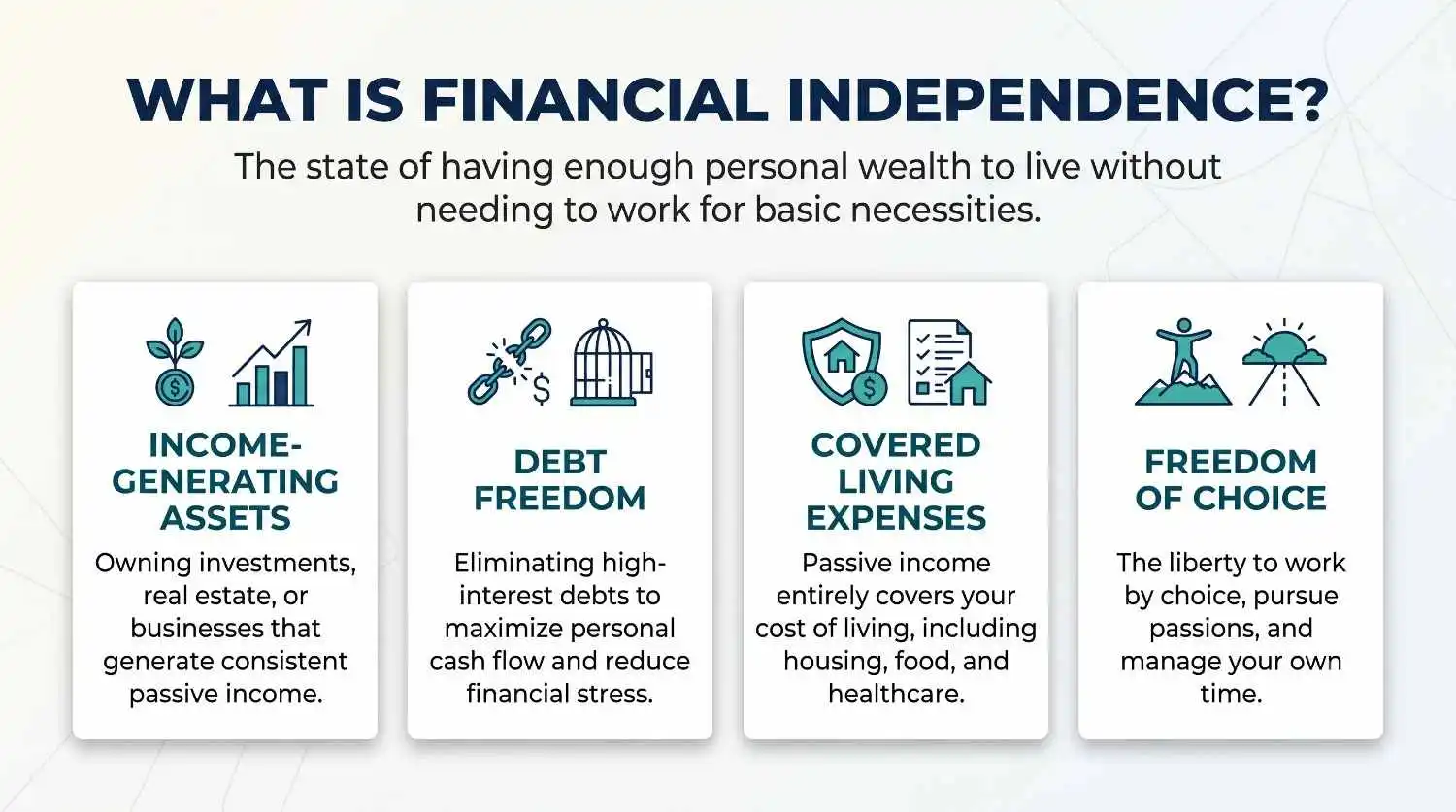











 ROI Calculator



