Supply Chain Manager Salary in India 2026: Market Overview
What Does a Supply Chain Manager Do?
Factors That Influence Supply Chain Salaries
Supply Chain Manager Salary by Experience Level
Supply Chain Management has evolved from being an operational support function to becoming one of the most strategic business domains in India. Companies today recognize that efficient supply chains directly influence profitability, customer satisfaction, operational resilience, and long-term business growth.
As organizations continue investing in digital transformation, Artificial Intelligence (AI), automation, predictive analytics, and smart manufacturing, the role of Supply Chain Managers has expanded significantly. Professionals are now expected not only to manage procurement and logistics but also to drive strategic planning, optimize operations, manage supplier relationships, and lead business transformation initiatives.
This shift has also influenced compensation trends.
Professionals with expertise in supply chain strategy, analytics, operations, and technology are seeing strong career growth opportunities across manufacturing, e-commerce, logistics, pharmaceuticals, retail, automotive, and technology sectors.
Whether you are beginning your career, planning your next promotion, or preparing for leadership positions, understanding current salary trends can help you make informed career decisions.
This guide explores Supply Chain Manager salaries in India in 2026, the factors influencing compensation, salary progression across experience levels, and the skills that can significantly improve long-term earning potential.
Supply Chain Manager Salary in India 2026: Market Overview
India’s supply chain ecosystem is undergoing rapid transformation.
Government initiatives supporting manufacturing, increasing foreign investments, expanding e-commerce, digital logistics networks, and Industry 4.0 adoption have created sustained demand for supply chain professionals.
Organizations are increasingly recruiting professionals who can:
Improve operational efficiency
Reduce logistics costs
Build resilient supplier networks
Optimize inventory planning
Lead digital transformation
Improve customer delivery performance
Manage global supply chains
Because supply chain functions now contribute directly to business performance, salaries have steadily improved over the past few years.
Professionals possessing expertise in analytics, ERP systems, AI-enabled planning, procurement strategy, and operations leadership generally command stronger compensation packages than those with only traditional operational experience.
While salaries vary depending on organization size, industry, city, and experience, the overall outlook for Supply Chain professionals remains positive.
What Does a Supply Chain Manager Do?
A Supply Chain Manager plays a critical role in ensuring that products and services move efficiently from suppliers to end customers. While the role traditionally focused on procurement and logistics, modern Supply Chain Managers are responsible for managing the entire supply chain ecosystem—from sourcing raw materials to delivering finished products while balancing cost, quality, speed, and customer satisfaction.
Their responsibilities extend across multiple business functions, requiring close collaboration with procurement teams, manufacturers, suppliers, logistics partners, distributors, and senior leadership.
Some of the key responsibilities include procurement planning, supplier relationship management, inventory optimization, production planning, warehouse management, logistics coordination, demand forecasting, distribution planning, risk management, cost optimization, performance monitoring, and cross-functional collaboration.
Beyond day-to-day operations, Supply Chain Managers also analyze market trends, anticipate supply disruptions, improve operational efficiency, and implement technology-driven solutions that enhance business performance. They are increasingly expected to leverage tools such as Artificial Intelligence (AI), predictive analytics, Enterprise Resource Planning (ERP) systems, and automation to make faster and more informed decisions.
At senior levels, the role becomes more strategic. Experienced Supply Chain leaders contribute to business planning, digital transformation initiatives, sustainability goals, global sourcing strategies, and business continuity planning. They work closely with executive leadership to improve supply chain resilience, strengthen supplier networks, optimize costs, and support long-term organizational growth.
As supply chains become more complex and technology-driven, Supply Chain Managers have evolved from operational coordinators into strategic business leaders. This broader scope of responsibility is one of the key reasons experienced professionals in this field often command highly competitive salaries and enjoy strong career progression opportunities.
There is no fixed salary for a Supply Chain Manager in India. Compensation varies based on several factors, including experience, industry, location, technical expertise, and leadership capabilities. While two professionals may hold the same job title, their salaries can differ significantly depending on the complexity of their responsibilities and the value they bring to an organization.
Experience
Experience remains one of the most significant factors influencing salary growth in Supply Chain Management. Early-career professionals typically focus on operational tasks such as inventory control, procurement coordination, and logistics management. As they gain experience, they begin managing larger teams, supplier relationships, strategic sourcing, and end-to-end supply chain operations.
Senior professionals are often responsible for business planning, cost optimization, digital transformation initiatives, and cross-functional decision-making. These additional responsibilities naturally lead to higher compensation.
Industry
The industry you work in has a direct impact on earning potential. Sectors with complex and large-scale supply chain networks generally offer more competitive salaries because they require specialized knowledge and strategic decision-making.
Industries that typically offer higher compensation include pharmaceuticals, automotive, manufacturing, e-commerce, FMCG, technology, and global logistics. Professionals handling international sourcing, large distribution networks, or technology-driven supply chains are often rewarded with better salary packages than those working in smaller regional operations.
Location
Geographic location also plays an important role in determining salary. Metropolitan cities such as Bengaluru, Mumbai, Delhi NCR, Hyderabad, Pune, and Chennai generally offer higher compensation due to the presence of multinational corporations, manufacturing hubs, and large logistics networks.
Higher salaries in these cities are also influenced by factors such as increased demand for skilled professionals, greater business complexity, and higher living costs. A detailed city-wise salary comparison is provided later in this guide.
Technical Skills
Modern supply chains are increasingly driven by technology, making technical expertise a major contributor to salary growth. Professionals who understand Enterprise Resource Planning (ERP) systems, Artificial Intelligence (AI), supply chain analytics, Internet of Things (IoT), warehouse automation, predictive forecasting, and digital supply chain technologies are often preferred for higher-paying roles.
Organizations are actively looking for professionals who can use technology to improve efficiency, reduce costs, and make data-driven decisions.
Leadership and Strategic Thinking
As professionals progress in their careers, technical knowledge alone is no longer enough. Employers place significant value on leadership capabilities, strategic planning, stakeholder management, negotiation skills, and the ability to lead cross-functional teams.
Supply Chain Managers who can drive organizational change, improve operational performance, and contribute to long-term business strategy are more likely to progress into senior management and executive leadership positions with significantly higher compensation.
Educational Background
Although practical experience remains the foundation of a successful supply chain career, continuous learning can strengthen a professional’s profile. Executive education from reputed institutions helps professionals develop advanced knowledge in supply chain strategy, analytics, digital transformation, and business leadership.
Programmes focused on emerging technologies, operations excellence, and strategic supply chain management can improve career readiness and support progression into higher-value leadership roles. When combined with relevant work experience, these qualifications can enhance long-term earning potential and open doors to more senior responsibilities.
Supply Chain Manager Salary by Experience Level
Salary growth in Supply Chain Management generally follows increasing responsibilities rather than simply years of service.
Below are indicative salary ranges across different career stages in India.
Experience Level
Typical Designation
Average Annual Salary
0–2 Years
Supply Chain Executive
₹4–7 LPA
3–5 Years
Supply Chain Analyst / Senior Executive
₹6–10 LPA
5–8 Years
Assistant Manager / Supply Chain Manager
₹10–18 LPA
8–12 Years
Senior Supply Chain Manager
₹18–28 LPA
12–18 Years
General Manager / Head of Supply Chain
₹28–45 LPA
18+ Years
Vice President – Supply Chain
₹50 LPA and above*
*Senior executive compensation varies significantly depending on organization size, industry, business scale, and leadership responsibilities.
The progression illustrates an important reality.
Salary increases become increasingly dependent on leadership, strategic decision-making, and business impact rather than operational execution alone.
Skills That Increase Salary
Technical expertise alone is no longer sufficient for high-paying Supply Chain roles.
Organizations increasingly reward professionals who combine operational excellence with strategic thinking and digital capabilities.
Supply Chain Analytics
Analytics enables professionals to make evidence-based decisions related to inventory, procurement, logistics, and forecasting.
Professionals capable of interpreting business data often create greater organizational value.
Artificial Intelligence
AI is transforming:
Demand forecasting
Inventory optimization
Route planning
Procurement
Warehouse automation
Predictive maintenance
Understanding AI applications within supply chains has become a significant competitive advantage.
ERP Systems
Experience with enterprise platforms helps professionals integrate procurement, inventory, finance, manufacturing, and logistics operations.
ERP expertise is highly valued across manufacturing and multinational organizations.
Leadership
As professionals move into management roles, leadership becomes equally important.
Managing cross-functional teams, resolving operational challenges, negotiating with suppliers, and driving organizational change often distinguish senior professionals from technical specialists.
Strategic Thinking
Businesses increasingly expect Supply Chain leaders to contribute to:
Strategic decision-making capabilities often influence salary growth more than operational experience alone.
Continuous Learning
Professionals who regularly upgrade their knowledge through executive education, industry certifications, and emerging technologies generally remain more competitive in a rapidly evolving business environment.
Executive programmes offered by leading institutions such as IIM Kozhikode and IIM Mumbaihelp professionals strengthen strategic supply chain capabilities while continuing their careers.
Supply Chain Manager Salary by City
Location plays a significant role in determining compensation for Supply Chain professionals. Cities with strong manufacturing ecosystems, logistics hubs, multinational corporations, and e-commerce operations generally offer higher salary packages than smaller markets.
While cost of living also influences salary levels, metropolitan cities typically provide greater opportunities for career progression and leadership roles.
Bengaluru
Bengaluru has evolved beyond being India’s technology hub. Today, many global organizations have established procurement, operations, supply chain analytics, and Global Capability Centers (GCCs) in the city.
Professionals working here often manage international operations supported by advanced technologies such as AI, cloud computing, and data analytics.
Average Salary Range
Early Career: ₹5–8 LPA
Mid-Level: ₹10–18 LPA
Senior Managers: ₹20–35 LPA
Leadership Roles: ₹40 LPA+
Mumbai
Mumbai remains one of India’s largest commercial centers, offering opportunities across manufacturing, pharmaceuticals, FMCG, retail, shipping, and financial services.
Supply Chain Managers here frequently work on procurement strategy, vendor management, imports, exports, and large-scale distribution networks.
Average Salary Range
Early Career: ₹5–8 LPA
Mid-Level: ₹10–18 LPA
Senior Managers: ₹18–32 LPA
Leadership Roles: ₹40 LPA+
Pune
Pune has become a major destination for automotive manufacturing, industrial production, engineering services, and technology companies.
Professionals managing production planning, procurement, supplier development, and manufacturing operations often find strong career opportunities here.
Average Salary Range
Early Career: ₹4.5–7 LPA
Mid-Level: ₹9–16 LPA
Senior Managers: ₹18–30 LPA
Hyderabad
Hyderabad’s growing pharmaceutical, biotechnology, healthcare, and technology sectors continue to generate demand for supply chain professionals.
Organizations increasingly seek managers capable of handling regulated supply chains, digital operations, and global sourcing.
Average Salary Range
Early Career: ₹5–8 LPA
Mid-Level: ₹10–18 LPA
Senior Managers: ₹20–32 LPA
Chennai
With its strong automotive and manufacturing ecosystem, Chennai offers numerous opportunities in procurement, production planning, logistics, and vendor management.
Large industrial operations often provide structured career progression for supply chain professionals.
Average Salary Range
Early Career: ₹4–7 LPA
Mid-Level: ₹9–16 LPA
Senior Managers: ₹18–30 LPA
Delhi NCR
Delhi NCR has a diverse mix of manufacturing companies, retail organizations, logistics providers, consulting firms, and multinational corporations.
Professionals working in procurement, warehousing, transportation, and supply chain consulting frequently build long-term careers here.
The industry you choose can have a significant impact on your earning potential as a Supply Chain Manager. Every sector has unique operational challenges, regulatory requirements, customer expectations, and levels of supply chain complexity. Industries with global operations, large distribution networks, or technology-driven supply chains generally offer more competitive compensation due to the strategic importance of these roles.
Manufacturing
Manufacturing remains one of the largest employers of supply chain professionals in India. Supply Chain Managers in this sector are responsible for coordinating procurement, production planning, inventory management, supplier relationships, quality control, and distribution. Their role is crucial in ensuring uninterrupted production while maintaining operational efficiency and controlling costs.
Indicative Salary:₹8–25 LPA
E-commerce
The rapid growth of online shopping has made supply chain management a critical business function for e-commerce companies. Managers oversee fulfillment centres, warehouse automation, inventory planning, transportation networks, and last-mile delivery to ensure fast and reliable customer service. Companies often invest heavily in experienced professionals who can optimize operations and improve delivery efficiency.
Indicative Salary:₹10–30 LPA
FMCG (Fast-Moving Consumer Goods)
FMCG companies operate some of the most complex supply chains in the country, managing high-volume products across extensive distribution networks. Supply Chain Managers are responsible for demand forecasting, inventory optimization, procurement, and nationwide product availability. Because even minor disruptions can significantly impact sales, experienced professionals are often rewarded with attractive compensation packages.
Indicative Salary:₹10–28 LPA
Pharmaceuticals
The pharmaceutical industry demands highly regulated and precision-driven supply chains. Managers oversee temperature-controlled logistics, regulatory compliance, procurement, quality assurance, and global sourcing to ensure medicines and healthcare products reach customers safely and on time. The technical complexity and compliance requirements contribute to strong salary potential in this sector.
Indicative Salary:₹10–30 LPA
Automotive
Automotive manufacturing relies on highly integrated supply chains involving thousands of suppliers, just-in-time production systems, and international procurement networks. Supply Chain Managers coordinate supplier performance, production scheduling, inventory planning, and logistics to maintain uninterrupted manufacturing operations. The scale and complexity of these responsibilities often result in competitive salaries.
Indicative Salary:₹10–30 LPA
Retail
Retail organizations require efficient supply chain operations to meet changing consumer demand and maintain product availability across stores and online platforms. Supply Chain Managers focus on inventory optimization, supplier coordination, warehouse operations, and distribution planning. Compensation typically increases with the size of the retail network and the complexity of operations.
Indicative Salary:₹8–22 LPA
Logistics and Transportation
India’s expanding logistics sector continues to generate strong demand for supply chain professionals. Third-party logistics providers, freight companies, shipping organizations, and transportation firms rely on experienced managers to optimize transportation routes, warehouse operations, fleet management, and customer deliveries. Professionals who improve operational efficiency and reduce logistics costs are highly valued.
Indicative Salary:₹8–24 LPA
Technology and Electronics
Technology and electronics companies manage complex global supply chains involving component sourcing, contract manufacturing, inventory planning, and international distribution. As businesses increasingly adopt digital supply chain solutions and advanced analytics, professionals with expertise in technology-driven operations are in high demand. This sector often offers some of the highest salary packages for experienced Supply Chain Managers.
Indicative Salary:₹12–35 LPA
Which Industry Offers the Best Salary?
While salary is an important consideration, professionals should also evaluate long-term career growth, learning opportunities, and industry stability. Technology, pharmaceuticals, automotive, e-commerce, and FMCG sectors generally offer higher compensation because of their complex supply chain operations and continuous investment in digital transformation. However, professionals who build expertise in analytics, automation, strategic sourcing, and leadership can achieve strong career growth and competitive salaries across almost every industry.
Salary by Company Type
Compensation also varies depending on the type of organization.
Startups
Startups often provide faster career progression and broader responsibilities.
Although fixed salaries may sometimes be lower than those offered by established corporations, professionals may receive performance bonuses, ESOPs, or rapid promotions.
Indian Enterprises
Large Indian organizations generally offer structured career paths, competitive salaries, and opportunities across procurement, manufacturing, logistics, and operations.
Multinational Corporations (MNCs)
Global organizations frequently offer the highest compensation because professionals manage international supplier networks, cross-border logistics, and strategic procurement initiatives.
MNCs also tend to invest heavily in analytics, automation, AI, and digital transformation, increasing demand for highly skilled supply chain leaders.
How Executive Education Can Increase Earning Potential
As Supply Chain roles become increasingly strategic, executive education is emerging as an important differentiator for career advancement.
While completing an executive programme does not automatically guarantee a salary increase, it can help professionals build capabilities that are valued in leadership positions.
These include:
Strategic Supply Chain Planning
Supply Chain Analytics
Digital Transformation
Artificial Intelligence Applications
Procurement Strategy
Global Supply Chain Management
Risk Management
Leadership and Decision-Making
Professionals who combine executive education with strong workplace performance are often better positioned for promotions and higher-value responsibilities.
Participants strengthen their understanding of inventory optimization, forecasting, logistics, business analytics, and operational strategy.
The programme is designed for professionals who want to develop stronger analytical capabilities while preparing for senior supply chain leadership roles.
Comparing the Two Programmes
Although both programmes support career development in Supply Chain Management, they address different learning objectives.
The IIM Kozhikode programme places greater emphasis on digital transformation, emerging technologies, and smart supply chains.
The IIM Mumbai programme focuses more on analytics, operational excellence, and data-driven decision-making.
Professionals should select the programme that aligns most closely with their current responsibilities and long-term career aspirations rather than assuming one programme is universally better than the other.
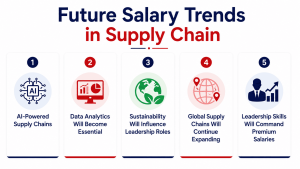
Future Salary Trends in Supply Chain
Supply Chain Management is expected to remain one of India’s fastest-growing career domains over the next decade. As organizations continue investing in digital transformation, automation, sustainability, and resilient supply networks, the responsibilities of Supply Chain professionals will continue to expand.
Instead of managing only procurement and logistics, future supply chain leaders will increasingly influence business strategy, profitability, customer experience, and organizational resilience.
Several trends are expected to shape salary growth in the coming years.
AI-Powered Supply Chains
Artificial Intelligence is becoming central to demand forecasting, inventory optimization, procurement planning, warehouse automation, and transportation management.
Professionals who understand AI-enabled supply chain technologies are likely to command higher salaries than those relying solely on traditional operational knowledge.
Data Analytics Will Become Essential
Organizations increasingly rely on real-time dashboards, predictive analytics, and business intelligence to make operational decisions.
Supply Chain Managers capable of interpreting complex business data and converting insights into actionable strategies will remain highly sought after.
Sustainability Will Influence Leadership Roles
Environmental, Social, and Governance (ESG) initiatives are changing procurement strategies, supplier selection, transportation planning, and manufacturing operations.
Professionals who understand sustainable supply chain practices may find growing opportunities as organizations pursue long-term environmental goals.
Global Supply Chains Will Continue Expanding
Indian businesses are increasingly participating in international manufacturing and sourcing networks.
Professionals experienced in international procurement, global logistics, customs regulations, and cross-border supplier management are expected to remain in strong demand.
Leadership Skills Will Command Premium Salaries
As professionals move into senior management positions, technical knowledge alone becomes insufficient.
Organizations increasingly reward leaders who can:
Build high-performing teams
Lead organizational transformation
Improve operational efficiency
Drive strategic decision-making
Manage business risks
Support long-term growth
These leadership capabilities often contribute significantly to salary progression.
While experience is important, professionals who consistently achieve higher salary growth usually develop capabilities beyond operational execution.
Build Strong Business Knowledge
Understanding finance, marketing, operations, procurement, and organizational strategy enables Supply Chain Managers to contribute more effectively to business decisions.
The broader your business understanding, the greater your potential for leadership roles.
Professionals who understand these technologies can help organizations modernize operations and improve decision-making.
Strengthen Analytical Skills
Supply Chain leaders regularly analyze:
Inventory performance
Procurement costs
Transportation efficiency
Supplier performance
Customer demand
Operational risks
Analytical thinking supports better strategic decisions and creates measurable business value.
Develop Leadership Capabilities
Senior professionals spend more time leading people than managing processes.
Important leadership skills include:
Communication
Stakeholder management
Conflict resolution
Negotiation
Strategic planning
Team development
Change management
Organizations increasingly promote professionals who can successfully lead both people and business transformation.
Continue Upskilling
Executive education, industry certifications, and continuous learning help professionals remain competitive as business environments evolve.
Learning should be viewed as an ongoing investment rather than a one-time qualification.
Common Career Mistakes That Limit Salary Growth
Many professionals spend years in Supply Chain Management without achieving the salary progression they expect.
Several common mistakes contribute to slower career growth.
Remaining Focused Only on Operations
Professionals who limit themselves to daily operational activities may miss opportunities to contribute to strategic business initiatives.
Leadership positions require broader business thinking.
Ignoring Technology
Supply chains are becoming increasingly digital.
Professionals who avoid learning analytics, AI, automation, or ERP platforms may find it more difficult to compete for senior positions.
Not Developing Leadership Skills
Technical expertise is valuable, but organizations increasingly promote professionals who can manage teams, influence stakeholders, and drive organizational change.
Avoiding Cross-Functional Exposure
Working only within procurement, logistics, or warehousing can limit long-term growth.
Professionals who understand finance, manufacturing, sales, planning, and customer operations often become stronger business leaders.
Delaying Professional Development
Waiting several years before investing in executive education or specialized learning can slow career progression.
Professionals who continuously upgrade their knowledge often remain better prepared for emerging opportunities.
Building a Long-Term Career in Supply Chain
Successful careers in Supply Chain Management are rarely built through technical expertise alone.
Professionals who consistently build these competencies are better positioned to move from execution-focused roles into leadership positions responsible for shaping organizational strategy.
The future of Supply Chain Management will increasingly reward professionals who can connect technology, operations, people, and business objectives.
Final Verdict
Supply Chain Management has evolved into one of the most influential business functions across industries. Organizations today recognize that efficient supply chains directly impact profitability, customer satisfaction, operational resilience, and long-term competitive advantage.
As digital transformation accelerates, the demand for professionals with expertise in analytics, automation, AI, procurement, logistics, and strategic operations is expected to remain strong. This continued demand is reflected in salary trends, particularly for professionals who combine technical knowledge with leadership and business acumen.
Salary growth in Supply Chain Management is influenced by several factors, including industry, location, experience, technical capabilities, and the ability to lead complex business initiatives. Professionals who invest in continuous learning and executive education are often better positioned to take on higher-value responsibilities and advance into senior leadership roles.
Ultimately, building a successful and well-compensated career in Supply Chain Management requires more than experience alone. Professionals who continuously adapt to changing technologies, embrace innovation, and develop leadership capabilities will be best positioned to succeed in India’s rapidly evolving supply chain ecosystem.
Frequently Asked Questions
The average salary varies depending on experience, industry, and location. Mid-level Supply Chain Managers typically earn between ₹10–18 LPA, while senior managers and leadership professionals can earn ₹20 LPA to ₹50 LPA or more, depending on their responsibilities.
Industries such as e-commerce, pharmaceuticals, automotive, manufacturing, FMCG, technology, and multinational logistics companies generally offer some of the most competitive salary packages.
Cities including Bengaluru, Mumbai, Delhi NCR, Hyderabad, Pune, and Chennai offer strong career opportunities due to their concentration of multinational corporations, manufacturing hubs, and logistics networks.
Professionals who develop expertise in Supply Chain Analytics, Artificial Intelligence, ERP systems, digital transformation, procurement strategy, leadership, and business analytics are often better positioned for higher-paying roles.
Executive programmes can strengthen strategic, analytical, and leadership capabilities, making professionals more competitive for senior roles. While they do not guarantee salary increases, they can support long-term career advancement when combined with practical experience.
Yes. Supply Chain Management offers strong career prospects across multiple industries and continues to grow as businesses invest in digital transformation, automation, global operations, and resilient supply networks.
Professionals should focus on gaining cross-functional experience, strengthening leadership skills, understanding digital technologies, building analytical capabilities, and continuously upgrading their knowledge through executive education and industry learning opportunities.
Nuthana Reddy
Nuthana Reddy is a Senior Manager at Procter & Gamble, specializing in operations, digitization, and cross-functional leadership. She has driven multimillion-dollar impact through innovation, process optimization, and strategic execution across global markets.
Get Free Upskilling Guidance
Fill in the details for a free consultation
Related Courses
Explore our programs
Admission Closed
Advanced Certificate Programme in Smart Supply Chain Management & Transformation
 HOME > BLOG > Supply Chain > Supply Chain Manager Salary in India 2026: From Executive to VP – With City & Sector Breakdown
 July 15, 2026
 16 min read




 ChatGPT
 Perplexity
 Claude
 Grok
Grok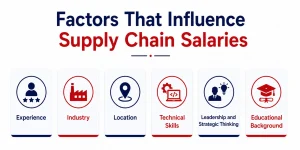




 Admission Closed
 Admission Closed
 Admission Open
 Admission Closed
 ROI Calculator