Free Course Section: Start Building Your Supply Chain Knowledge
How Jaro Education Helps You Build a Career in Supply Chain Management
Conclusion: Building a Future-Ready Career in Supply Chain Management
From quick online deliveries to large manufacturing setups, moving goods today has become more complex and important than ever. This entire process is managed by professionals working in supply chain management jobs, who make sure everything runs smoothly and reaches the right place on time.
As businesses grow and use more technology, many professionals are looking for careers that offer stability and long-term growth. This is why supply chain management jobs are gaining popularity, especially in India, where industries like logistics, retail, and manufacturing are expanding quickly.
Salary is also an important factor when choosing a career. In supply chain management jobs, freshers can typically start with ₹3 to 6 LPA. With a few years of experience, this can grow to ₹7 to 15 LPA, and senior roles can go beyond ₹18 to 40+ LPA depending on the industry and expertise.
Understanding how this field is structured, including the roles available and the skills required, can help in making informed career decisions. Here’s a closer look at what to expect from supply chain management jobs.
What Do Supply Chain Management Jobs Involve?
Supply chain management jobs focus on managing the movement of goods, services, and information across every stage, from sourcing raw materials to delivering the final product.
This includes activities such as procurement, production planning, inventory control, logistics, and distribution. Together, these functions ensure smooth operations, cost efficiency, and timely delivery across industries.
Top Career Roles in Supply Chain Management
One of the key advantages of pursuing supply chain management jobs is the wide range of roles available across different stages of operations. From planning and procurement to logistics and leadership, each role contributes to building an efficient and resilient supply chain.
1. Supply Chain Analyst (Entry to Mid-Level)
This role focuses on analysing data to improve supply chain performance and support business decisions. It is often an entry point into supply chain management jobs for those with strong analytical abilities.
Key Responsibilities: Demand forecasting, data analysis, performance tracking, and identifying inefficiencies.
Skills Required: Data analysis, Excel/SQL, problem-solving, and attention to detail.
2. Procurement Manager (Mid-Level)
Procurement managers ensure the timely sourcing of materials while maintaining cost efficiency and quality standards. They play a key role in vendor management and strategic sourcing.
Logistics managers oversee transportation and distribution to ensure goods reach their destination efficiently. This role is crucial in industries with high delivery volumes.
Skills Required: Logistics planning, coordination, problem-solving, time management.
4. Inventory Manager (Entry to Mid-Level)
Inventory managers are responsible for maintaining optimal stock levels to avoid shortages or excess inventory. Their work directly impacts operational efficiency and cost control.
Skills Required: Inventory systems, forecasting, attention to detail, and analytical thinking.
5. Operations Manager (Mid to Senior-Level)
Operations managers oversee end-to-end processes and ensure smooth coordination across departments. They focus on improving efficiency and reducing operational bottlenecks.
Key Responsibilities: Process optimization, team coordination, performance monitoring, workflow management.
Skills Required: Leadership, process improvement, decision-making, and communication.
6. Supply Chain Director (Senior-Level)
This leadership role involves setting long-term supply chain strategies aligned with business goals. It requires oversight of global operations and large teams.
Key Responsibilities: Strategic planning, global operations management, team leadership, and risk management.
Skills Required: Strategic thinking, leadership, industry knowledge, and decision-making.
7. Demand Planner (Entry to Mid-Level)
Demand planners analyse historical data and market trends to predict future product demand. Their insights help businesses plan production and inventory effectively.
Key Responsibilities: Demand forecasting, trend analysis, collaboration with sales teams, and planning accuracy.
Skills Required: Data analysis, forecasting tools, critical thinking, and communication.
8. Warehouse Manager (Mid-Level)
Warehouse managers oversee the storage, handling, and despatch of goods within a facility. They ensure smooth operations while maintaining safety and efficiency standards.
Skills Required: Team management, inventory systems, organization, and operational planning.
9. Distribution Manager (Mid-Level)
Distribution managers ensure that products are delivered efficiently from warehouses to end customers or retail outlets. They focus on minimizing delays and costs.
Key Responsibilities: Distribution planning, route management, coordination with logistics teams, and delivery performance.
Consultants analyse supply chain processes and recommend improvements to enhance efficiency and reduce costs. They often work across industries and projects.
Key Responsibilities: Process evaluation, strategy development, performance improvement, and client advisory.
Skills Required: Analytical thinking, consulting skills, industry knowledge, and communication.
These roles demonstrate the diversity within supply chain management jobs, offering opportunities for professionals with analytical, operational, and strategic expertise at different stages of their careers.
Salary Trends Across Key Industries
Compensation in supply chain management jobs varies based on industry complexity, scale of operations, and demand for specialized skills. Industries that rely heavily on speed, accuracy, and global coordination tend to offer higher salary brackets.
Based on aggregated insights from platforms such as Glassdoor, AmbitionBox, and industry reports, here is a more detailed breakdown:
Regulatory requirements, cold chain logistics, and global sourcing
Retail
4 – 12
Inventory Manager, Warehouse Manager, Distribution Manager
Inventory turnover, seasonal demand, and multi-location coordination
Industries like e-commerce and pharmaceuticals often offer higher compensation due to their reliance on speed, precision, and technology. These sectors require professionals who can manage complex networks and ensure minimal disruption, making supply chain management jobs more specialized.
Meanwhile, sectors such as manufacturing and retail provide stable career pathways with steady growth, especially for professionals starting in supply chain management jobs.
Overall, the earning potential in supply chain management jobs grows significantly with experience, domain expertise, and the ability to handle complex, large-scale operations.
Essential Skills You Need to Succeed
To succeed in supply chain management jobs, professionals need a mix of technical and soft skills:
Technical Skills:
Data analysis and forecasting Helps in predicting demand, identifying trends, and making informed decisions to avoid delays or shortages.
ERP tools (SAP, Oracle) Used to manage and track supply chain operations, from procurement to delivery, in a centralized system.
Inventory management systems Enable efficient tracking of stock levels, ensuring the right balance between supply and demand.
Logistics planning Involves organizing transportation, routes, and delivery schedules to ensure timely and cost-effective movement of goods.
Soft Skills:
Problem-solving Important for handling unexpected disruptions like delays, shortages, or operational issues.
Communication Helps in coordinating with suppliers, teams, and stakeholders to ensure smooth operations.
Strategic thinking Enables professionals to plan long-term, optimize processes, and align supply chain goals with business objectives.
Leadership Essential for managing teams, driving performance, and making critical decisions in complex situations. The growing integration of AI and automation also means digital skills are becoming increasingly important in supply chain management jobs.
Free Course Section: Start Building Your Supply Chain Knowledge
For those exploring supply chain management jobs, building foundational knowledge in adjacent domains such as product management and emerging technologies can provide a strong advantage. These skills often complement supply chain roles, especially in data-driven and tech-enabled environments.
1. Mastering Product Management: Roadmap, Vision, and Strategy
This free course is designed to help learners understand the fundamentals of product thinking, which plays a key role in modern supply chain management jobs, especially in areas like demand planning and customer-centric operations.
What You’ll Learn:
Product vision, planning, and roadmap development
Customer-centric and data-driven decision-making
Cross-functional collaboration and stakeholder management
Programme Highlights:
Free and accessible for learners from all backgrounds
Covers product strategy and roadmap development
Practical insights into cross-functional collaboration
Focus on customer-centric approaches
Industry-recognized certification
This course is suitable for both beginners and professionals looking to enhance their strategic thinking alongside supply chain management jobs.
2. Gen AI Tools and Applications
This free course acts as a digital transformation accelerator. AI is becoming increasingly relevant in supply chain management jobs, particularly in forecasting, automation, and process optimization. This course introduces learners to the practical applications of Generative AI.
What You’ll Learn:
Fundamentals of Artificial Intelligence
Applications such as text-to-text, text-to-image, and text-to-video
Hands-on use of tools like ChatGPT, Natural Reader, and Clipchamp
Strategies to apply AI for innovation and problem-solving
Programme Highlights:
Certificate of completion
Insights from industry experts
Exposure to the latest AI trends and tools
Practical learning with real-world applications
Networking opportunities with like-minded learners
This course helps learners stay relevant in a technology-driven landscape and complements skills required for evolving supply chain management jobs.
By combining foundational supply chain knowledge with skills in product strategy and AI, learners can build a well-rounded profile and better prepare for modern supply chain management jobs.
Career Scope and Long-Term Growth Opportunities
The scope of supply chain management jobs is expanding rapidly due to:
Growth in e-commerce and quick commerce
Government initiatives like Make in India
Increasing global trade
Digital transformation in logistics
Career progression typically follows this path:
Entry-level analyst → Manager → Senior Manager → Director
With experience and specialization, professionals in supply chain management jobs can also move into consulting or leadership roles.
Opportunities for Freshers Entering the Field
There is a rising demand for supply chain management jobs for freshers, especially in:
E-commerce startups
Logistics companies
Manufacturing units
Freshers with certifications, internships, or relevant coursework have a competitive edge in securing supply chain management jobs.
Logistics vs Supply Chain: Understanding the Difference
While often used interchangeably, there’s a distinction between logistics and supply chain.
Aspect
Logistics
Supply Chain
Scope
Transportation & storage
End-to-end operations
Focus
Movement of goods
Entire lifecycle
Roles
Logistics coordinator
Supply chain strategist
Both logistics and supply chain management jobs are interconnected, but supply chain roles offer broader strategic responsibilities.
Advantages and Challenges of Supply Chain Careers
Like any dynamic career path, supply chain management jobs come with a mix of opportunities and challenges. Understanding both aspects can help professionals set realistic expectations and prepare for long-term growth in this field.
Pros:
High demand across industries
Competitive salaries
Global career opportunities
Diverse roles
Challenges:
High-pressure deadlines
Complex coordination
Constant need for upskilling
Despite challenges, supply chain management jobs remain rewarding for those who thrive in dynamic environments.
How Jaro Education Helps You Build a Career in Supply Chain Management
Navigating the evolving landscape of supply chain management jobs requires the right guidance, education, and industry exposure. This is where Jaro Education plays a supportive role.
The programme goes beyond traditional supply chain concepts by focusing on transformation, sustainability, and technology-driven decision-making. It addresses emerging trends such as AI-led operations, global compliance requirements, and regenerative supply chains, key aspects shaping modern supply chain management jobs.
Participants gain exposure to tools, frameworks, and strategic insights required to manage complex supply chains while driving long-term business value.
Eligibility:
Graduation (minimum 3 years) from a recognized university
Minimum 3 years of professional experience
Suitable for mid- to senior-level professionals in supply chain or related roles
Assessment Criteria:
Class participation
In-class exercises
Group project
Who Should Attend?
This programme is ideal for professionals looking to advance or transition into supply chain management jobs, including:
Entrepreneurs scaling service or e-commerce ventures
Manufacturing and operations managers
Service industry professionals are driving process improvements
Conclusion: Building a Future-Ready Career in Supply Chain Management
As industries become more interconnected and customer expectations continue to rise, the importance of efficient supply chains has never been greater. This makes supply chain management jobs one of the most promising career paths in today’s job market. Whether at the entry level or in leadership roles, professionals equipped with the right skills and knowledge can unlock significant opportunities. However, choosing the right mix of education, practical exposure, and guidance is crucial.
For those looking to build or transition into supply chain management jobs, structured learning and expert mentorship can make a meaningful difference. With the right support from Jaro Education, professionals can take confident steps towards long-term career growth.
Frequently Asked Questions
Jaro offers personalized counseling, academic guidance, and access to Jaro Connect, which provides career services, alumni networking, and industry insights.
Yes, most programmes are designed with flexible online or live formats suitable for full-time professionals.
The programmes facilitated via Jaro Education’s platform are created in collaboration with India’s leading institutions. They include live sessions with faculty, real-world case studies, and a structured learning path—unlike many self-paced courses that lack depth or expert interaction.
While no programme guarantees a career switch, Jaro Education’s upskilling solutions are tailored to bridge industry gaps. With industry-relevant content and expert guidance, many learners have successfully transitioned into new roles.
Yes, there is increasing demand for supply chain management jobs for freshers, especially in logistics, e-commerce, and manufacturing sectors. Relevant skills and certifications can enhance employability.
Nuthana Reddy
Nuthana Reddy is a Senior Manager at Procter & Gamble, specializing in operations, digitization, and cross-functional leadership. She has driven multimillion-dollar impact through innovation, process optimization, and strategic execution across global markets.
Get Free Upskilling Guidance
Fill in the details for a free consultation
Related Courses
Explore our programs
Admission Open
AI-Driven Global Supply Chain Management & Transformation

 May 9, 2026
 9 min read




 ChatGPT
 Perplexity
 Claude
 Grok
Grok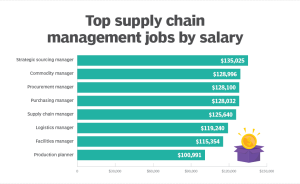


 Admission Open

 Admission Closed
 Admission Closed
 ROI Calculator