Types of Information Technology: The Building Blocks
Top New Technology Trends to Watch in 2027
Careers Riding the Wave of New Technology Trends
Conclusion
Key Insights
AI, 5G, blockchain, robotics, and other emerging technologies are transforming industries, businesses, and everyday experiences in 2027.
Hardware, software, networking, cloud, data, and cybersecurity form the foundation that supports the development and use of these technologies.
New technology trends are creating career opportunities across areas such as AI, data science, cybersecurity, cloud computing, healthcare, digital marketing, and renewable energy.
Building relevant technical and practical skills in a focused technology area can help professionals adapt to changing industry requirements and explore emerging career opportunities.
Every year brings a fresh wave of buzzwords, but 2027 feels different. Technologies that were experimental a few years ago - generative AI, 5G, edge computing have moved out of the lab and into everyday products, workplaces, and even government policy. Understanding new technologies isn't just for engineers anymore; it's becoming basic literacy for anyone who wants to make informed career and business decisions.
This guide breaks the landscape into two parts: first, the core types of information technologythat form the building blocks of everything digital, and second, the specific new technology trends of 2027 built on top of them. By the end, you'll have a simple mental map of where technology is headed and which skills might be worth learning next.
Types of Information Technology: The Building Blocks
Before diving into individual trends, it helps to understand the broader categories they fall under. Most new technology trends are really fresh combinations of a few core types of information technology:
Hardware systems – physical devices such as servers, sensors, wearables, and processors that capture and act on data.
Software and applications – the programs, platforms, and algorithms (including AI models) that turn raw data into useful outcomes.
Networking and connectivity – infrastructure like 5G and fibre that moves data between devices, often in real time.
Data, cloud, and storage systems – the databases, cloud platforms, and edge nodes that store and process information at scale.
Cybersecurity and governance – the tools and frameworks that keep all of the above safe, private, and compliant.
Nearly every trend below is really a new combination of these five categories. Connected vehicles, for instance, blend hardware (sensors), networking (5G), and cybersecurityinto a single new technology trend.
Here’s a practical look at the innovations shaping industries and daily life this year.
1. Artificial Intelligence
AI has quietly become the operating layer behind most of new technology 2027. It’s no longer confined to chatbots, AI now assists with medical diagnostics, drafts legal documents, powers self-driving systems, and automates routine business workflows through robotic process automation (RPA). What’s changed this year is reliability: AI systems are getting better at explaining their own reasoning, which is making enterprises more comfortable trusting them with higher-stakes decisions.
2. 5G Matures, 6G Research Begins
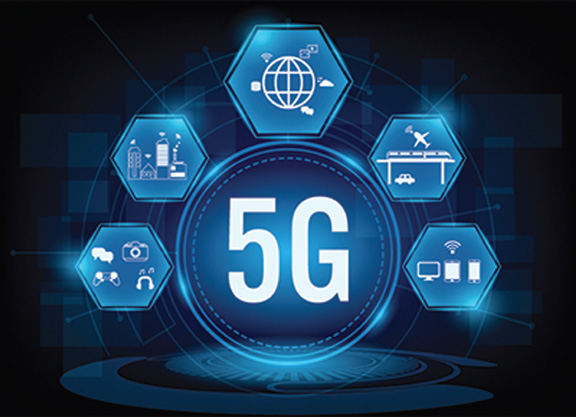
5G rollouts have expanded well beyond flagship cities, enabling low-latency experiences for AR/VR, connected vehicles, and industrial automation. Early 6G research is already underway, hinting at what the next decade of connectivity could look like. For businesses, network infrastructure remains a top investment priority among new technology trends.
3. Edge Computing for Real-Time Decisions
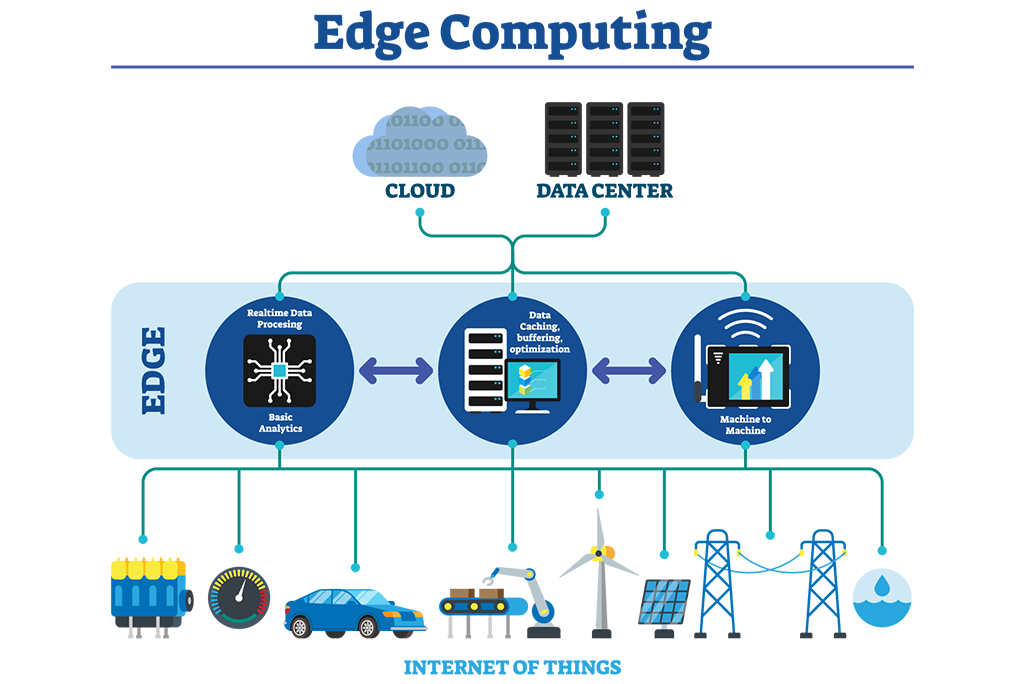
Rather than sending every byte of data to a distant cloud server, edge computing processes information closer to where it’s generated on a factory floor, inside a car, or on a hospital device. This cuts delay dramatically, which matters for anything safety-critical. Securing and managing thousands of distributed edge devices is a genuinely hard problem, and it’s one reason cybersecurity careers are booming.
4. Blockchain Beyond Cryptocurrency
Blockchain’s reputation is finally decoupling from crypto speculation. In 2027, its more interesting use cases involve transparent supply chains, verifiable academic and professional certificates, and central bank digital currencies (CBDCs) being piloted by several countries. Widespread adoption is still gradual energy use and transaction speed remain real constraints, but the trust-without-intermediaries idea keeps finding new applications.
5. Immersive Tech: AR, VR, and Mixed Reality
Augmented and virtual reality headsets are lighter, cheaper, and far more comfortable than they were even two years ago. Beyond gaming, immersive tech is reshaping employee training, remote collaboration, and product visualization for retail and real estate. The next hurdle is content – hardware has outpaced the volume of genuinely useful VR/AR experiencesavailable today.
6. Connected and Autonomous Vehicles
Cars are becoming rolling data centers, communicating with traffic infrastructure, other vehicles, and cloud platforms in real time. This is opening doors to smarter traffic management and safer roads, though full autonomy still depends on regulatory clarity and public trust arguably bigger obstacles than the underlying technology itself.
7. Digital Twins
A digital twin is a live, virtual replica of a physical system a factory, a city grid, even a human heart continuously updated with real-world data. Paired with AI simulation, digital twinslet organizations test changes virtually before touching anything physical, reducing cost and risk. Expect this to become standard practice across manufacturing, healthcare, and urban planning.
8. Robotics and Intelligent Automation
Improvements in sensors, computer vision, and machine learning are letting robots take on more delicate, judgment-heavy tasks think surgical assistance, warehouse picking, and elder care support. The conversation is shifting from “can robots do this?” to “how do we manage the workforce transition responsibly?”
9. Quantum Computing Gets Practical
Quantum computing is edging out of pure research and into early commercial pilots, particularly in materials science, drug discovery, and financial modeling. It won’t replace classical computers anytime soon, but for a narrow set of extremely complex problems, it’s starting to show real promise.
10. Human Augmentation
From brain-computer interfaces to powered exoskeletons, human augmentation technologies aim to extend physical and cognitive capability. Much of this remains in clinical or industrial pilot stages, but the underlying research is advancing quickly and raises genuinely new ethical questions worth following.
11. IoT and Smarter Cities
Internet of Things(IoT) sensors are increasingly woven into urban infrastructure monitoring traffic flow, optimizing energy grids, and improving public safety response times. As cities grow denser, this kind of connected infrastructure is less a luxury and more a necessity for keeping services efficient.
12. Green Energy Technology
Sustainability and technology are converging fast. Better photovoltaic cell design, wind turbines that perform at lower wind speeds, and biofuels made from non-food biomass are all pushing renewable energy costs down. This is one of the new technology trends with the clearest link to global climate goals.
13. Wearable Health Monitoring
Wearables now track blood pressure, heart rhythm, and even glucose levels continuously, feeding data into AI models that flag issues early. This shift toward preventive, personalized healthcare is one of the more tangible ways new technology 2027 is already improving everyday life.
New technology 2027 isn’t one single breakthrough – it’s the compounding effect of AI, connectivity, and smarter infrastructure reinforcing each other across every type of information technology. The organizations and professionals who benefit most won’t necessarily be the ones chasing every new technology trend, but the ones who understand the fundamentals well enough to know which trends actually apply to their goals.
If you’re planning to build a career around these shifts, focusing on one or two adjacent skill areas- say, AI plus cybersecurity, or cloud plus data science tends to be more valuable than trying to learn everything on this list at once.
Frequently Asked Questions
Some of the major new technology trends in 2027 include artificial intelligence, 5G and early 6G research, edge computing, blockchain, immersive technologies, digital twins, robotics, quantum computing, IoT, green energy technology, and wearable health monitoring.
The major types of information technology include hardware systems, software and applications, networking and connectivity, data and cloud systems, and cybersecurity and governance. These areas form the foundation for many emerging technologies.
Artificial intelligence is one of the most influential technologies in 2027, with applications across healthcare, finance, education, marketing, transportation, and other industries. Its development is also supporting advances in automation, data analysis, and digital services.
AI itself is not new, but its capabilities and applications continue to evolve rapidly. In 2027, generative AI, AI-powered automation, and intelligent systems are being integrated into a growing range of professional and consumer applications.
Useful skills vary by career path but can include programming, data analysis, cloud computing, cybersecurity, AI and machine learning, networking, problem-solving, and digital communication. Professionals can focus on the skills most relevant to their chosen technology area.
Emerging and evolving career opportunities include AI and machine learning specialist, data scientist, cybersecurity analyst, cloud computing engineer, digital marketing strategist, blockchain developer, health technology professional, renewable energy technician, and human-machine interaction designer.
Cloud computing processes and stores data in remote data centres, while edge computing processes data closer to where it is generated. Edge computing can reduce latency and is useful for applications that require fast, real-time responses.
Blockchain can be used for applications such as supply-chain tracking, digital credentials, secure record management, and other systems that require verifiable and tamper-resistant records. Its adoption varies depending on the use case and technical requirements.
As more devices, applications, and systems become connected, the amount of data and the number of potential security points also increase. Cybersecurity helps organisations protect systems, information, and users from security threats while supporting privacy and regulatory requirements.
Start by choosing one technology area that matches your interests and career goals. Build foundational knowledge, learn relevant tools, work on practical projects, and consider industry-recognised courses or certifications to develop job-ready skills.
Shubham Lal
Lead Software Developer
Shubham Lal joined Microsoft in 2017 and brings 8 years of experience across Windows, Office 365, and Teams. He has mentored 5,000+ students, supported 15+ ed-techs, delivered 60+ keynotes including TEDx, and founded AI Linc, transforming learning in colleges and companies.
Get Free Upskilling Guidance
Fill in the details for a free consultation
Related Courses
Explore our programs
Advanced Certificate Programme in Machine Learning, Gen AI & LLMs for Business Applications
 HOME > BLOG > Data and Technology > New Technologies 2027:Why New Technology Deserves Your Attention
 April 29, 2025
 5 min read




 Key Insights
 ChatGPT
 Perplexity
 Claude
 Grok
Grok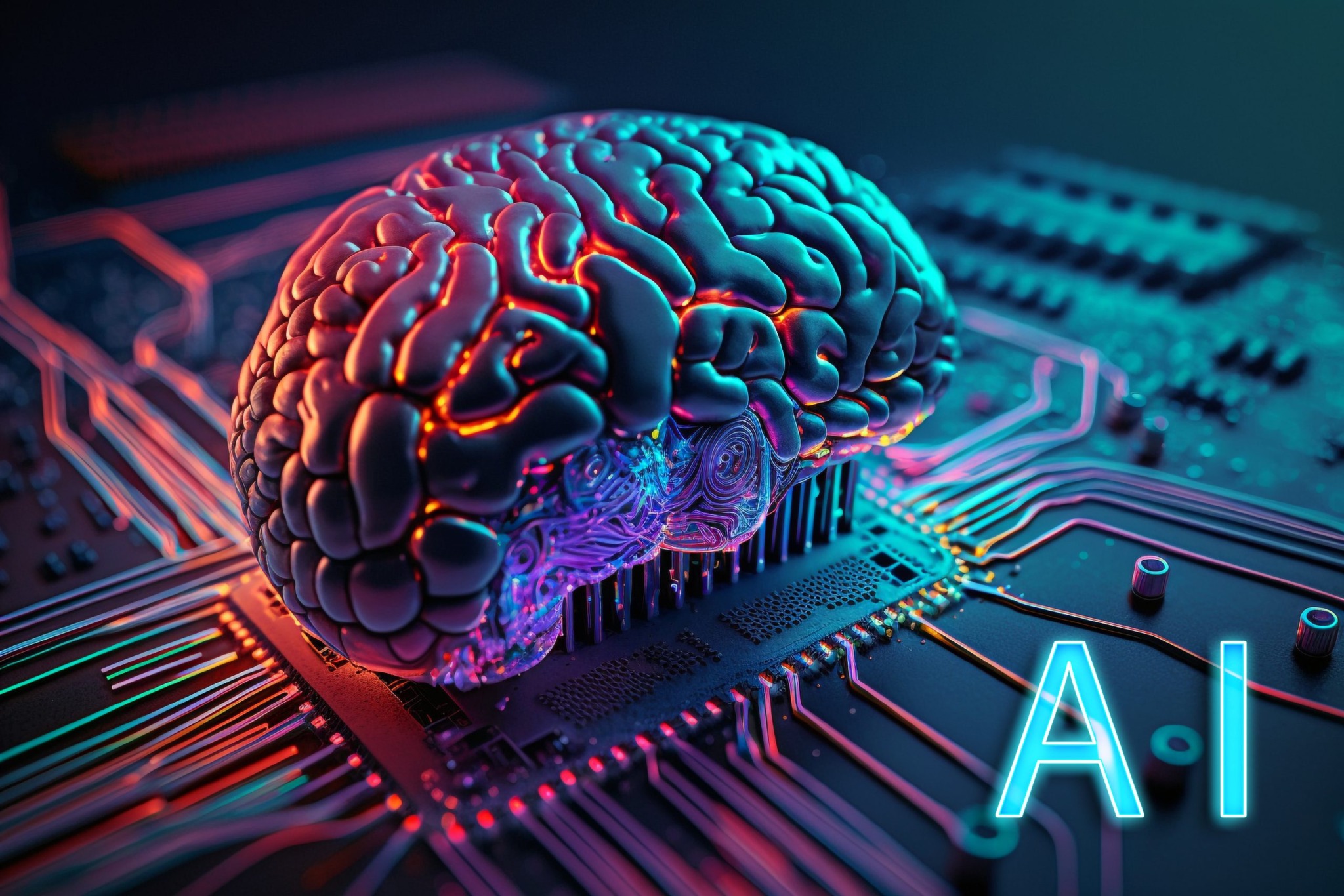












 ROI Calculator



