
The Must-Have Leadership Qualities for Managers
 October 27, 2025
 7 min read




Table Of Content
- What Is the Real Idea Behind Leadership Skills?
- What Are the Top 12 Leadership Qualities of a Good Manager?
- How to Develop Great Leadership Qualities as a manager?
- How Jaro Education Can Help You Enhance Leadership Skills?
 Key Insights
- Leadership is the ability to guide, influence, and inspire people toward shared goals while building trust, teamwork, accountability, and organisational success.
- Leadership qualities are the personal and professional traits that help managers guide teams, influence people, and achieve shared objectives.
- They include communication, empathy, accountability, adaptability, confidence, decision-making, integrity, delegation, problem-solving, and strategic thinking. Strengthen these qualities through continuous learning, constructive feedback, accountability, and real-world experience.
- Jaro Education helps you develop leadership qualities through its industry-focused courses and practical learning approach.
A manager’s role comes with more than a list of responsibilities. Every day brings different priorities, expectations, and situations that require them to balance what needs to get done with how the team gets there. Leadership qualities help managers navigate that balance, making management both demanding and rewarding.
This is what it means to be a manager as a leader - moving beyond simply managing work to inspiring people and creating meaningful results through effective leadership. In this blog, you’ll explore the leadership qualities that help managers solve problems effectively , make better decisions, and create a positive workplace.
 ChatGPT
 Perplexity
 Claude
 Grok
GrokWhat Is the Real Idea Behind Leadership Skills?
When we hear the word leadership, we often think about authority, decision-making, or being the person in charge. But is that really what leadership is about?
The real idea behind leadership skills is the ability to influence, guide, and support people while working toward a common goal. Leadership is not simply about telling people what to do; it involves knowing how to communicate effectively, think strategically, make informed decisions, and respond to changing situations.This is where strong leadership principles come into play. Effective leadership requires a combination of practical skills that help managers handle everyday challenges, work with their teams, and move an organization toward its goals.
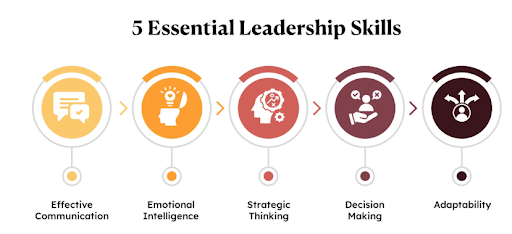
Some of the most important leadership skills include:
- Effective Communication: Sharing ideas, expectations, and feedback clearly.
- Emotional Intelligence: Understanding emotions and responding appropriately.
- Strategic Thinking: Looking ahead and focusing on long-term goals.
- Decision-Making: Considering options and making timely decisions.
- Adaptability: Adjusting to changes, challenges, and new situations.
Understanding these skills is also an important step toward understanding the qualities of a good leader, which shape how these skills are applied in real-world situations.
What Are the Top 12 Leadership Qualities of a Good Manager?
Here are 12 important leadership qualities (including scenarios) every effective manager should develop:
1. Integrity
Integrity means doing the right thing even when no one is watching. Managers who are honest, transparent, and consistent in their actions build trust within their teams. They communicate openly, keep their commitments, and make decisions based on what is right rather than what is convenient. This consistency encourages employees to respect their manager and follow the same standards.
2. Empathy
Empathy allows managers to understand situations from their employees’ perspectives. It helps them recognise different needs, concerns, and challenges and respond with understanding rather than making quick assumptions. An empathetic manager listens carefully, provides appropriate support, and creates an environment where employees feel comfortable sharing their ideas and concerns.
3. Accountability
Good managers take responsibility for their decisions, actions, and outcomes. They acknowledge mistakes instead of shifting blame and focus on understanding what went wrong and how it can be improved. By taking ownership of their responsibilities, managers set a positive example for their teams and encourage employees to be accountable for their own work.
4. Self-Awareness
A self-aware manager understands their own strengths, weaknesses, emotions, and behaviours. This awareness helps them recognise how their communication and decisions may affect others. It also allows them to identify areas for improvement, manage their reactions during challenging situations, and adapt their approach when necessary. Self-awareness is therefore one of the important leadership qualities for building stronger professional relationships.
5. Confidence
Confidence helps managers remain composed when facing uncertainty, pressure, or difficult decisions. A confident manager can communicate expectations clearly, make informed decisions, and provide direction when the team needs guidance. At the same time, confidence should not prevent managers from accepting feedback or considering different perspectives. A balanced approach allows them to lead decisively while remaining open to learning.
6. Humility
Great managers understand that they do not always have all the answers. They are willing to listen to their employees, learn from different perspectives, and admit when they have made a mistake. Humble managers also recognise the contributions of their teams and give credit where it is deserved. This approach creates a collaborative workplace where employees feel valued and encouraged to contribute.
7. Resilience
Leadership comes with setbacks, pressure, and unexpected challenges. Resilient managers maintain perspective during difficult situations and help their teams move forward rather than becoming overwhelmed by setbacks. They focus on solutions, learn from difficult experiences, and maintain a steady approach when circumstances become challenging. This quality helps teams remain motivated and adaptable during periods of change.
8. Patience
Not everyone learns, works, or responds in the same way. Patience helps managers understand individual differences and provide employees with the time and guidance they need to improve. Rather than expecting immediate results, patient managers offer constructive feedback, answer questions, and allow employees to develop their abilities at a reasonable pace. This creates a more supportive environment for learning and growth.
9. Courage
Managers often have to make difficult choices, address uncomfortable issues, or have challenging conversations. Courage enables them to face these situations directly instead of avoiding them. Whether it involves addressing poor performance, making an unpopular decision, or speaking up about an important issue, courageous managers prioritise what is best for their team and organisation while handling sensitive situations professionally.
10. Fairness
Fair managers treat employees consistently and make decisions based on facts, performance, and relevant circumstances rather than favouritism. They ensure that expectations, opportunities, and feedback are handled objectively. When employees believe they are being treated fairly, they are more likely to trust their manager and feel respected within the workplace. Fairness therefore plays an important role in creating a positive team culture.
11. Curiosity
Curious managers are willing to ask questions, explore new perspectives, and understand why things work the way they do. Instead of relying only on existing methods, they remain open to new ideas, technologies, and approaches. Their curiosity also encourages employees to share suggestions and look for better ways to solve problems. A learning-oriented mindset can help managers and their teams continue improving over time.
12. Vision
A manager with vision can look beyond immediate tasks and understand the bigger picture. They communicate where the team is heading and help employees understand how their individual responsibilities contribute to broader organisational goals. A clear vision gives teams a sense of direction, helps them prioritise their efforts, and keeps everyone aligned toward common objectives. Vision is one of the leadership qualities that can turn everyday tasks into meaningful contributions.



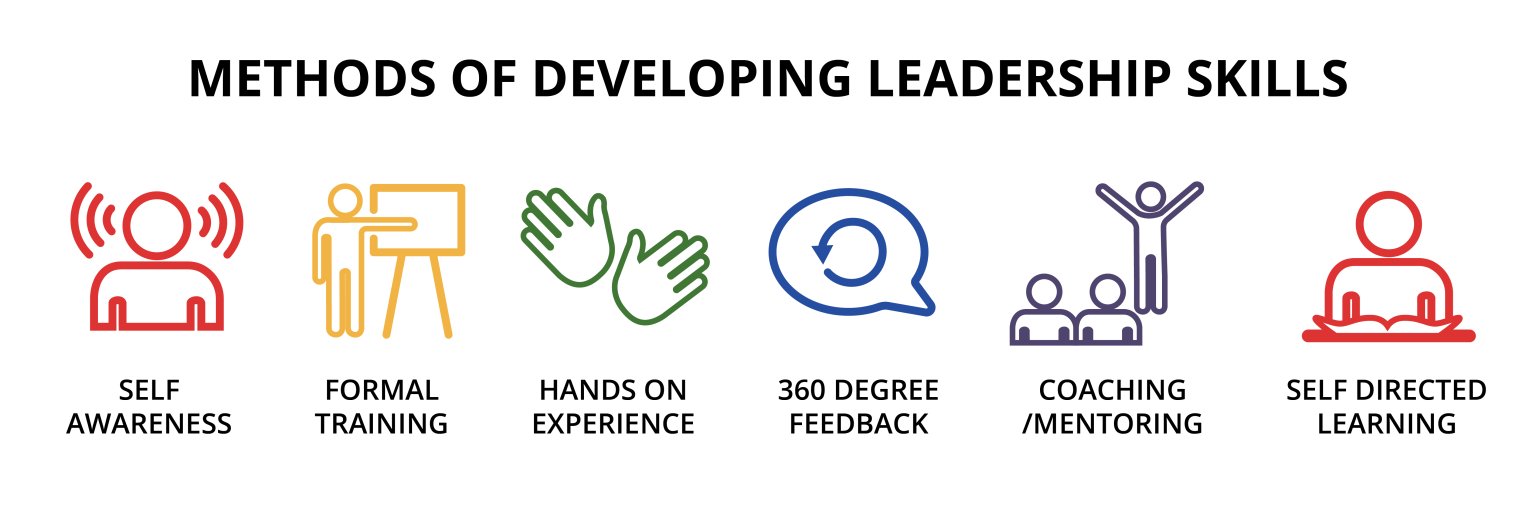
How to Develop Great Leadership Qualities as a manager?
How Jaro Education Can Help You Enhance Leadership Skills?
Ready to get serious about your leadership journey? That’s where Jaro Education comes in, not as a platform, but as your growth companion. If you’re an experienced manager or entering senior leadership, Jaro bridges you to India’s best institutions and real-world, career-defining programs.
Here are some of the best institutions to advance your leadership and management career:
- Post Graduate Certificate in Senior Management Programme by IIM Tiruchirappalli
This program gives you a holistic business foundation while refining your leadership advantage. With emphasis on strategy, innovation, and decision-making, it’s perfectly suited for managers who want to move into top-management roles.
- Professional Certificate Programme in New Age Management for Senior Professionals by IIM Kozhikode
Ideal for senior leaders, this program addresses today’s issues, future technologies, and the mindset change needed to head today’s nimble teams. It’s not about education; it’s about change.
Conclusion
So, what makes a manager a good leader? It’s not about having every quality or always knowing what to do. Leadership grows through everyday decisions, conversations, challenges, and even mistakes. As a manager, you’ll learn that listening, communicating clearly, adapting to change, and supporting your team often matter just as much as achieving results. The goal isn’t to become a perfect leader – it’s to become a better one with every experience.
Frequently Asked Questions

Related Courses
Explore our programs



Find a Program made just for YOU
We'll help you find the right fit for your solution. Let's get you connected with the perfect solution.
Is Your Upskilling Effort worth it?
 ROI Calculator

Are Your Skills Meeting Job Demands?
Try our Skill Gap tool
Experience Lifelong Learning and Connect with Like-minded Professionals
Explore Jaro Connect

