
Unlock Your Career with Data Science: A Comprehensive Guide
 April 24, 2025
 8 min read





Table Of Content
- What are the Components of Data Science?
- The Importance of Data Science in Businesses
- Careers in Data Science: Why do Companies Need Data Scientists?
- Careers in Data Science: Real-Life Business Situations
What are the Components of Data Science?
Data science is an umbrella term used to describe various working parts such as:
- Data collection and cleaning tools such as databases and DBMS.
- Data analysis applications such as Tableau dashboards, graphs and charts.
- Machine Learning algorithms that are continuously fine-tuned to pick out patterns from the cleaned data.
- Big data technologies like Spark and NoSQL databases that manage large volumes of data.

*javatpoint.com
The Importance of Data Science in Businesses
Data science adds a lot of value to any business, making the future of data science exciting with endless potential. Here are 5 reasons why [data science is important for businesses](https://www.jaroeducation.com/blog/data-science-trends-opportunities/):
1. Data-backed Decisions
Data science enables businesses to make informed, data-driven decisions. A career in data science would entail analyzing historical data and uncovering patterns and trends. With predictive analytics and a keen understanding of the market, companies can anticipate future demands, preparing them for competition and uncertainties.
2. Customer-Centric Operations
Data science understands the customer segment’s wants, needs, and spending capacity. This enables businesses to understand how customers interact with their products and services and provide what they want. A data science career would entail making companies more in tune with customer needs and creating personalized experiences.
3. Cost Efficiency
Data unveils what results a company’s [operational strategies](https://www.jaroeducation.com/blog/top-10-business-management-strategies-by-top-managers/) yield in every aspect of their business, especially whether their expenses are yielding the expected profits. This way, they can find areas where resources are misaligned, predict costs in advance, and automate repeated tasks, all of which reduces costs.
4. Market Advantage
Companies that seize the future of data science and use its scope are more likely to identify market gaps and fill them with the right data and a professional with a decorated career in data science. By leveraging data science, companies can refine their positioning in the market and sustain a competitive advantage over time.
5. Risk Management
Companies can use data to understand risky and fraudulent patterns ahead of time. This is important in sectors like finance and retail, where scams are imminent. They can plan to avoid losses due to risky business operations.
Careers in Data Science: Why do Companies Need Data Scientists?
1. The Future of Data Science and Businesses
Future-proofing businesses with airtight strategies are important. A professional with a career in data science can help businesses prepare for the future by studying information from the past and the present. Data science is the answer to [technological advancements](https://www.jaroeducation.com/blog/10-new-technology-trends-for-2024/), operational efficiency, and increasing market competition. The future of data science will evolve in tandem with how companies adapt to major changes. So, professionals in this field must possess the skills to not only address current challenges but also anticipate and navigate future disruptions.
2. Meeting Market Demands
Current markets are saturated with data and information about customers, competition, and everything else that affects a business’ operations. With a career in data science, professionals can take this saturated information and sculpt it to fit individual business needs. This makes them meet the demands of this data-driven era and extract valuable insights that can help with the long-term growth and sustainability of the organization.
3. Solving Business Challenges
Simply put, a professional with a data science career will help businesses solve complex challenges and understand the market segment better. Whether it’s optimizing supply chain logistics, predicting customer demands, or mitigating risks, you would be expected to bring a unique skill set that is invaluable to companies. This helps both the individual and the organization adapt, grow, and evolve with the market.

*iabac.org
Careers in Data Science: Real-Life Business Situations
The future of data science is filled with professionals with niche expertise in different industries. While data science in theory is using a set of tools, principles, and insights to draw conclusions, it varies in practice with the type of industry and the level of expertise.
Industry Roundup
Let’s take a look at the different industries and how they utilize data science in their business operations.
| Industry | Job Roles | Job Description |
|---|---|---|
| Healthcare | Clinical data analyst, Bioinformatics scientist, medical imaging data scientist | A healthcare career in data science entails patient diagnosis, illness prediction, and optimized treatment plans through electronic health records. |
| Business Intelligence | Business intelligence analyst, Operations Analyst, Risk analyst | Analyzing historical data to identify trends and providing actionable insights for business operations. Using customer segmentation and market research to maximize profits. |
| Finance and Banking | Financial analyst, Risk analyst, Investment analyst | Careers in financial data science include risk assessment, fraud and scam detection, and using market data to provide investment strategies to clients. |
| Retail and E-Commerce | Pricing analyst, Customer analyst, Fraud assessment analyst | Data science powers recommendation engines, analyzes customer behavior, and optimizes inventory. It enables personalized consumer services based on data highlighting what the customer needs. |
| Marketing and Advertising | Marketing analyst, social media analyst, Advertising data analyst | Marketing analysts build a career in data science by studying target demographics, measuring ad campaign metrics, and optimizing ad spends. Customer segmentation techniques are used to perfect marketing strategies and achieve higher sales and engagement rates. |
| Manufacturing | Demand forecasting analyst, supply chain analyst, Quality Control analyst, Inventory optimization analyst | The future of data science in the manufacturing and supply chain industry depends on optimizing production processes, predicting and preventing resource failures, and streamlining supply chain operations. The idea is to increase cost efficiency and manage inventory while forecasting future demand. |
| Logistics | Demand analyst, Cost analyst, Risk analyst | A career in transportation data science includes demand forecasting, optimized logistics planning, and route optimization. This could involve work in private or public transport of people or goods and services like FedEx. |
| Government Policy | Data analyst, Risk analyst, Policy analyst | A public sector career in data science involves efficient resource allocation to address societal challenges and make more data and customer-centric policy decisions that have a positive impact on society and what the citizens need. This comes in handy in areas like disaster response and urban planning. |
| Education | Education analyst, Policy analyst | In educational data science careers, you would use data to optimize resource allocation towards various subjects, improve curriculum development, and use AI-driven teaching tools, project creation apps, and so on. It removes redundant tasks like attendance tracking and information processing and leaves you free enough to focus on big-picture educational reforms. |
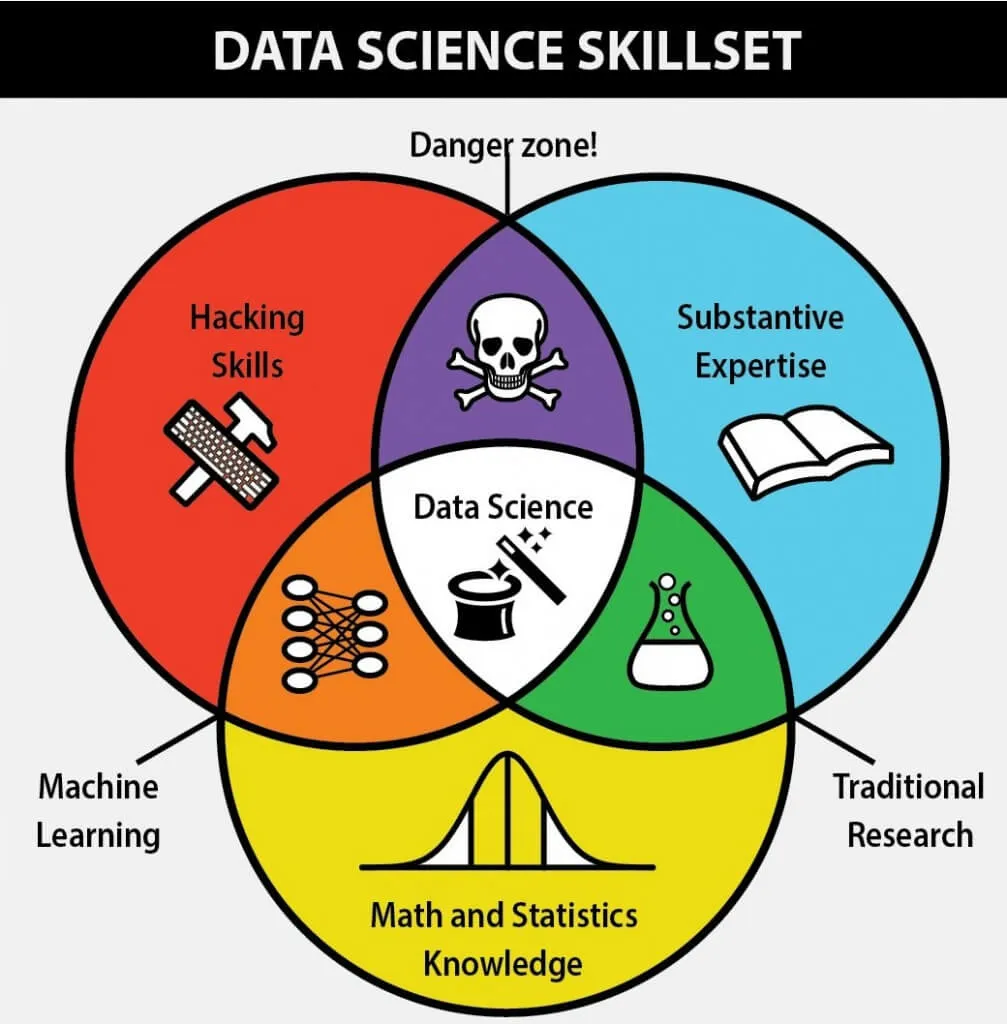
How to Incorporate Data Science into Your Professional Skill Set?
In the rapidly evolving job market, the demand for skilled data scientists presents an exceptional opportunity for career advancement. So, if you are a student with dreams to climb the data science career ladder or a professional with an ambition to uncover game-changing business insights, you should consider the following options to uncover your future in data science.
towardsdatascience.com
1. Make Relevant Educational Decisions
A bachelor’s degree in fields like computer science, statistics or mathematics sets you up for a career in data science. For more specialized knowledge, a master’s degree in data science or analytics, or an MBA can help. Consider a master’s degree because it always improves your chances of moving towards the future of data science with advanced career opportunities.
2. Utilize Free Online Resources
Never stop updating your data science knowledge. It is a constantly evolving field and staying relevant is a major part of creating a career in data science. YouTube and other applications provide a plethora of knowledge. Sometimes, something as simple as keeping up with tech-related news articles can help! If you want more structured learning, Jaro Education offers some free courses in data science. You can access it on our website.
3. Attend Workshops
Workshops, webinars and bootcamps form the foundations of a career in data science. You can gain valuable insights from industry peers of all ages and levels, as well as industry experts. Here’s why these spaces are important:
- They expand your practical knowledge
- They help you apply theoretical knowledge to real-world scenarios
- You learn qualitative abilities that support your data science career like leadership, adaptability, and communication
- You can meet and network with other professionals, improving your credibility.
4. Gain Work Experience
This one is a no-brainer! For an established career in the future of data science, accept internships and project-based roles. Apply your skills in the real-world and learn on the job. This is a critical part of data science. Build independent projects while also working your way up the organizational ladder.
5. Focus on Certification Courses
Jaro Education offers a wide variety of certificate courses for a boost in your resume. This increases your potential career in data science because you are committed to learning and adapting to newer business conditions. Our collaboration with the top tech schools in the country have yielded certifications in fintech, AI&ML and blockchain technologies.
University & Courses
| University | Courses |
|---|---|
| IITM Pravartak | Advanced Certificate Programme in Machine Learning, GenAI and LLMs for Business Applications |
| IIM Indore | Executive Program in Marktech and AI-Driven Marketing |
| IIM Kozhikode | Professional Certificate Programme in Data Science for Business Decisions |
| IIM Nagpur | Post Graduate Certificate Program in Supply Chain Operations & Analytics |
| IIM Visakhapatnam | Post Graduate Certification Programme in Blockchain Technologies and FinTech |
| IIM Nagpur | Post Graduate Certificate Programme in Cybersecurity Management and Data Science |
Make sure you map your career in data science right to grasp every opportunity that comes your way!
Final Thoughts
Data science is a comprehensive industry with limitless opportunities and potential for growth and success, both at the individual and organizational level. Understanding its importance in business decisions makes it easier to grasp the future of data science in the modern world.
Frequently Asked Questions
Find a Program made just for YOU
We'll help you find the right fit for your solution. Let's get you connected with the perfect solution.
Is Your Upskilling Effort worth it?
 ROI Calculator

Are Your Skills Meeting Job Demands?
Try our Skill Gap tool
Experience Lifelong Learning and Connect with Like-minded Professionals
Explore Jaro Connect

