“Life is fragile. We’re not guaranteed a tomorrow, so give it everything you’ve got.” – Tim Cook, CEO of Apple
Have you ever imagined leading a company, making strategic decisions, and guiding an organisation toward success? The position of a Chief Executive Officer (CEO) is one of the most prestigious roles in the corporate world. Many professionals dream of reaching this position because it represents leadership, influence, and the ability to shape the future of an organisation.
However, the journey of how to become a CEO is not simple. It requires dedication, strategic thinking, leadership skills, and years of professional experience. A CEO is responsible for guiding the organisation, making crucial decisions, and ensuring the company continues to grow in a competitive environment.
Many successful leaders like Warren Buffett, Marissa Mayer, and Tim Cook have demonstrated that becoming a CEO involves resilience, learning, and continuous improvement. Behind their success lies years of experience, strong decision-making abilities, and the capacity to inspire teams.
If you are wondering how to be a CEO, this blog will help you understand the skills, mindset, and career path required to reach the top leadership position.
Before exploring how to become a CEO, it is important to understand what the role actually involves. A CEO is the highest-ranking executive in a company and is responsible for overseeing the overall operations and strategic direction of the organisation.
The CEO acts as the primary decision-maker and ensures that the company achieves its long-term goals. From managing leadership teams to representing the organisation to investors and stakeholders, the CEO plays a vital role in shaping the company’s future.
In many ways, the CEO can be compared to the captain of a ship. They guide the organisation through challenges, navigate market changes, and ensure that the company continues moving toward its goals.
A CEO also plays an important role in defining company culture and inspiring employees to perform at their best. While the title may appear glamorous, it also comes with significant pressure and responsibility.
For anyone exploring how to be a CEO of the company, understanding these responsibilities is the first step toward preparing for this leadership role.
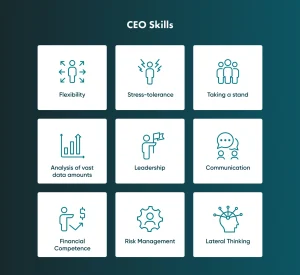
Becoming a CEO requires more than just professional experience. Leaders must develop a combination of technical knowledge, strategic thinking, and leadership abilities. Below are some of the most important skills that every aspiring CEO should develop.
1. Leadership
Leadership is the foundation of any successful CEO. When professionals search for how to become a CEO, leadership consistently appears as the most essential skill.
A great CEO inspires teams, communicates a clear vision, and motivates employees to work toward common organisational goals. Leadership involves guiding teams through challenges, making strategic decisions, and creating a culture that encourages innovation and collaboration.
Strong leaders understand how to build high-performing teams, empower employees, and create an environment where everyone feels valued. Effective leadership also requires emotional intelligence, the ability to listen, and the willingness to support team members when challenges arise.
2. Communication
Communication is another crucial skill for CEOs. Leaders must communicate effectively with different groups including employees, investors, customers, and stakeholders.
Clear communication ensures that everyone in the organisation understands the company’s mission, strategy, and goals. It also helps create transparency and trust within teams.
Effective communication allows CEOs to inspire employees, negotiate with partners, and present strategic plans to stakeholders. Whether addressing the media or leading internal meetings, strong communication skills help CEOs build confidence and credibility.
3. Problem-Solving
One of the key responsibilities of a CEO is solving complex business problems. From financial challenges to market disruptions, CEOs frequently face situations that require quick and strategic decision-making.
Successful leaders approach challenges with a strategic mindset. Instead of reacting impulsively, they analyse the situation, identify possible solutions, and choose the best course of action.
Problem-solving also involves anticipating potential risks and implementing strategies to prevent them. CEOs who can analyse data, identify patterns, and make informed decisions help organisations remain competitive and resilient.
4. Decisiveness
CEOs often need to make decisions that impact the entire organisation. These decisions may involve launching new products, entering new markets, or restructuring teams.
Being decisive allows leaders to move forward confidently even when information is limited. However, decisiveness should always be balanced with careful analysis and consultation with experts.
Successful CEOs gather insights, evaluate risks, and then make informed decisions that align with the organisation’s long-term vision.
In today’s rapidly evolving business environment, agility is one of the most important traits for leaders. Companies must constantly adapt to technological changes, economic shifts, and evolving customer expectations.
Modern CEOs must be agile enough to respond quickly to these changes while maintaining long-term strategic focus.
Developing Foresight
Foresight refers to the ability to anticipate changes and prepare for the future. Successful CEOs closely monitor industry trends, technological developments, and market behaviour.
By analysing data and staying informed about emerging trends, leaders can identify opportunities and potential risks early. This proactive approach allows organisations to stay ahead of competitors.
Commitment to Learning
Continuous learning is essential for leadership growth. CEOs who invest in professional development stay updated with new business strategies, technologies, and leadership practices.
Many leaders pursue executive education programmes, workshops, or certifications to enhance their knowledge and leadership abilities. Developing a habit of lifelong learning helps CEOs remain adaptable in a constantly changing business landscape.
Improving Adaptability
Adaptability is critical for navigating uncertainty. Markets change rapidly, and organisations must be able to adjust their strategies accordingly.
Adaptable leaders are open to new ideas and flexible in their approach. They understand that different situations require different leadership styles and are willing to evolve when necessary.
Fortifying Resilience
Resilience is another important quality for CEOs. Leadership positions come with setbacks, criticism, and pressure.
Resilient leaders maintain a positive outlook and focus on long-term solutions rather than short-term obstacles. They learn from failures and use those experiences to improve future strategies.
A resilient mindset also inspires employees to stay motivated during challenging times.
*ccl.org
How to Become a CEO
After understanding the required skills and mindset, the next step is exploring the career path of how to become a CEO.
1. Pursue Education
Education plays a significant role in preparing professionals for leadership roles. A degree in business administration, management, economics, or finance provides a strong foundation for understanding business operations.
Many aspiring leaders also pursue an MBA or executive management programme to gain deeper knowledge of strategy, finance, and leadership.
If you are planning to study for CEO, advanced business programmes and leadership courses can help you develop the strategic thinking and managerial skills required for executive positions.
2. Gain Relevant Experience
Professional experience is one of the most critical factors in becoming a CEO. Leaders often start their careers in managerial or operational roles and gradually move into senior leadership positions.
Whether you dream of running a startup or exploring chief executive officer jobs in large organisations, gaining hands-on experience in different departments helps you understand how businesses operate.
Some professionals even wonder how to become CEO of Google or other major global companies. Achieving such roles requires years of leadership experience, strong industry expertise, and a proven record of success.
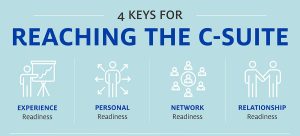
3. Network Strategically
Networking is an essential part of professional growth. Building relationships with mentors, industry leaders, and business professionals can open new opportunities and provide valuable guidance.
Attending industry conferences, joining professional associations, and participating in leadership events can help you build a strong professional network.
4. Take Feedback Positively
Feedback plays an important role in personal and professional development. Successful leaderscontinuously seek constructive feedback from mentors, colleagues, and managers.
Learning from feedback helps professionals refine their leadership style, improve communication, and develop stronger decision-making skills.
5. Prepare for Criticism
Leadership roles often come with criticism and pressure. CEOs must develop the confidence to handle challenging situations and make decisions even when opinions differ.
Being open to criticism while staying focused on long-term goals is a key trait of successful leaders.
Pursue Your Dream of Becoming a CEO With Jaro Education
If you aspire to become a successful CEO, developing strong leadership skills and gaining the right education can significantly accelerate your journey.
Jaro Education is a leading higher education and upskilling platform that collaborates with top universities and institutions to provide world-class executive education programmes.
Through these programmes, professionals can enhance their leadership abilities, strategic thinking, and business expertise.
Becoming a CEO is not just about reaching the highest position in an organisation. It is about developing leadership capabilities, inspiring teams, and driving meaningful change.
The journey involves continuous learning, gaining valuable experience, and building strong professional networks. Aspiring leaders must remain committed to personal growth and embrace challenges as opportunities to improve.
If you are determined to achieve your leadership ambitions, start preparing today. With the right mindset, education, and experience, your journey toward becoming a CEO can begin now.
Frequently Asked Questions
There is no fixed qualification required to become a CEO. However, most CEOs hold degrees in business, finance, economics, or management and have extensive leadership experience.
A CEO must possess strong leadership, communication, and strategic thinking skills. Knowledge of business operations, financial management, and market strategy is also essential.
MBA programmes with specialisations in General Management, Strategy, Finance, Marketing, or Operations are ideal for professionals who aspire to become CEOs.
The salary of a CEO varies widely depending on the organisation, industry, experience, and location. CEOs of large multinational companies often earn significantly higher compensation packages compared to smaller organisations.
Get Free Upskilling Guidance
Fill in the details for a free consultation
Related Courses
Explore our programs
Admission Closed
Executive Programme in Healthcare for Industry 5.0

 April 11, 2025
 7 min read




 ChatGPT
 Perplexity
 Claude
 Grok
Grok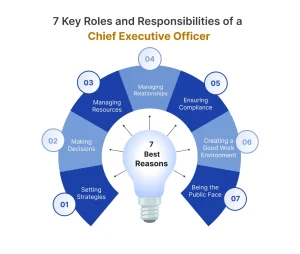

 Admission Closed

 Admission Closed
 Admission Closed
 ROI Calculator