Classic Money Management Books That Built the Foundation
Modern Financial Literacy Books for Everyday Life
Investing-Focused Finance Books Worth Your Time
Key Insights
Personal finance books help readers develop better money habits by understanding spending, saving, debt management, investing, and financial independence.
Classic money management books emphasise living below your means, paying yourself first, building assets, and developing financial discipline.
Modern financial literacy books highlight the role of behaviour, emotions, patience, and consistent habits in achieving financial success.
Choosing the right finance book depends on your financial goals, experience level, reading preferences, and country-specific financial rules. Applying lessons through note-taking, regular reviews, and practical action can make learning more effective.
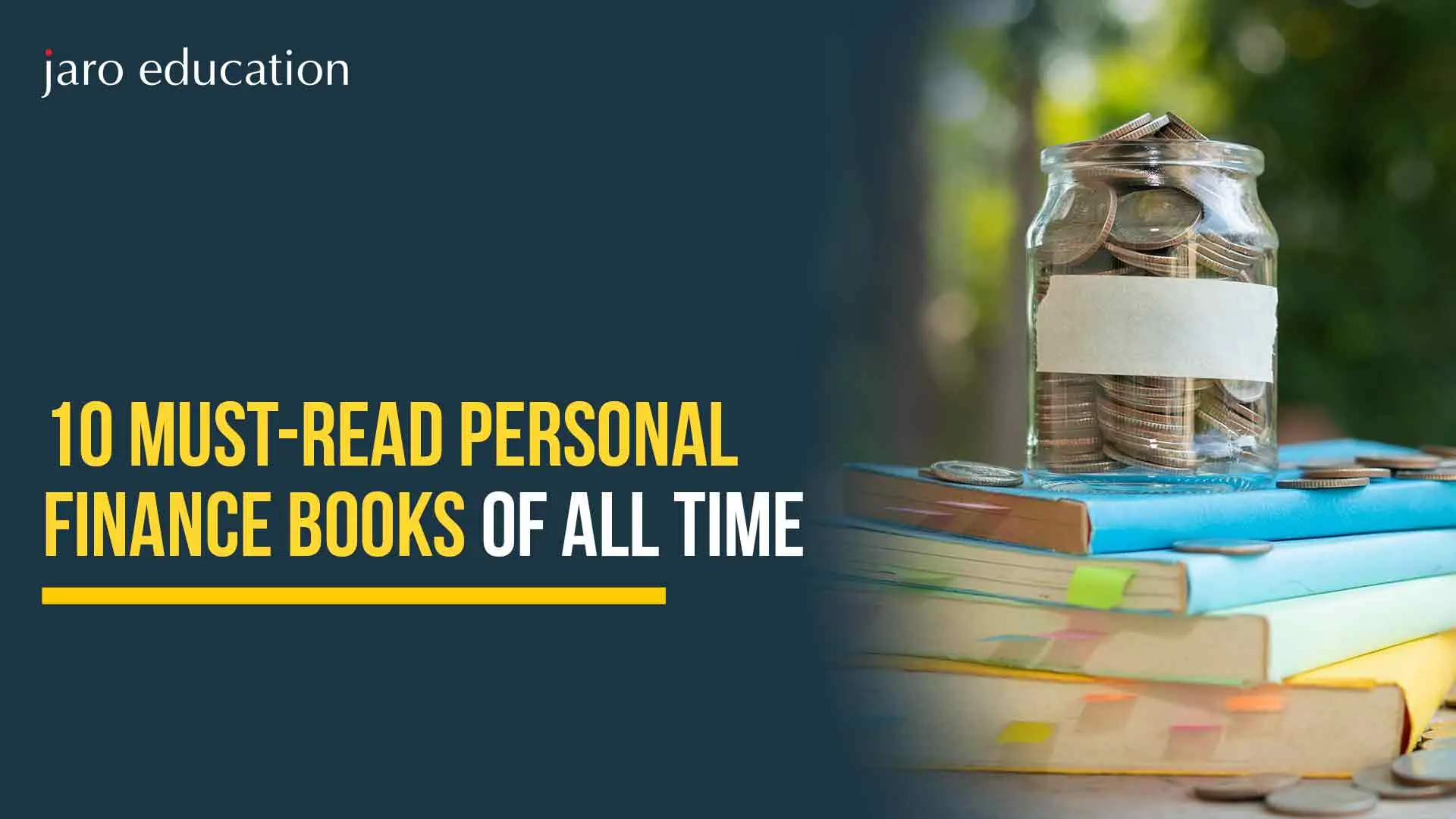
In this blog, you'll learn about 10 must-read personal finance books, their key lessons, how to choose the right book, and practical ways to apply financial knowledge to build a stronger financial future.
Most of us never learned how money really works in school. We learn to earn it, but not always how to save it, grow it, or protect it. The good news is that anyone can build these skills, and one of the easiest ways to start is by reading. The right personal finance books can change how you think about spending, saving, debt, and investing.
There are hundreds of titles to choose from, which can feel overwhelming. To make it easier, this blog shares 10 of the best finance books ever written. Some are decades old, and some are recent. Each has helped many readers become more confident with money, and each teaches a lesson that still applies today.
Online videos and social media offer quick tips, but they are often scattered and incomplete. A good book walks you through one idea at a time, with stories, examples, and a clear structure. That makes it easier to remember and apply what you learn.
These books also teach something that numbers alone cannot: behavior. Most money mistakes do not come from a lack of math skills. They come from emotions, habits, and pressure from others. Reading money management books helps you spot these patterns in yourself and change them over time.
Finally, the best finance books stay useful. Interest rates, markets, and products change, but the basics of spending less than you earn, avoiding bad debt, and investing patiently stay the same.
Classic Money Management Books That Built the Foundation
The Richest Man in Babylon by George S. Clason (1926): This short book teaches money lessons through simple parables set in ancient Babylon. Its core message is easy to remember: pay yourself first, live below your means, and make your savings work for you. Because it reads like a collection of stories, it is a gentle introduction for beginners. It is one of the most loved financial literacy books for new readers.
The Millionaire Next Door by Thomas J. Stanley and William D. Danko (1996): The authors studied wealthy Americans and found that many were not flashy at all. They lived modestly, saved steadily, and avoided showing off. The book challenges the idea that a high income equals wealth. It reminds readers that building real wealth is mostly about habits, patience, and discipline rather than looking rich.
Your Money or Your Life by Vicki Robin and Joe Dominguez (1992): This book asks a deeper question: how much of your life energy do you trade for money? It offers a step-by-step program to track spending, reduce waste, and move toward financial independence. Among money management books, it stands out for linking money to personal values and a meaningful life.
Rich Dad Poor Dad by Robert T. Kiyosaki (1997): This popular book contrasts two attitudes toward money and encourages readers to build assets rather than only earn a paycheck. It has inspired many people to start learning about finance. Some of its advice is general and debated by experts, so it works best as a mindset starter. Pair it with more detailed finance books for practical guidance.
Free Courses
Free Finance Courses with Certificate – Finance for All
The Psychology of Money by Morgan Housel (2020): Housel shares short, engaging stories showing that financial success depends more on behavior than on intelligence. Topics include luck, risk, greed, and the value of having “enough.” The writing is clear and calm, which makes it one of the most approachable financial literacy books today. It is a good pick if you want ideas rather than formulas.
I Will Teach You to Be Rich by Ramit Sethi (2009): Sethi offers a practical, six-week plan for beginners. It covers setting up bank accounts, handling credit cards, automating savings, and starting to invest. The tone is direct and encouraging, and the focus is on taking action rather than worrying about small details. Young professionals often find it a very useful first step into personal finance books.
The Total Money Makeover by Dave Ramsey (2003): Ramsey lays out a clear, step-by-step method for getting out of debt and building a savings cushion. His approach is simple and emotional as much as financial, which helps many readers stay motivated. Some experts debate parts of his strategy, but many readers value the structure. It is a strong choice if debt is your biggest worry.
Investing-Focused Finance Books Worth Your Time
The Intelligent Investor by Benjamin Graham (1949): Often called a cornerstone of value investing, this book teaches readers to think of stocks as ownership in real businesses. Graham stresses patience, a margin of safety, and emotional control. The language can be dense in places, but the lessons on avoiding speculation and managing risk remain very relevant. It is a serious read for those who want to go deeper.
The Little Book of Common Sense Investing by John C. Bogle (2007): Bogle, the founder of Vanguard, explains why low-cost index funds suit most long-term investors. His argument is simple: keep costs low, diversify widely, and stay invested. The book is short and easy to follow, making it one of the best finance books for anyone starting to invest.
The Simple Path to Wealth by JL Collins (2016): Collins turns investing advice into plain, conversational language. He explains why saving a high share of income, avoiding debt, and investing in broad index funds can lead to financial independence. It began as a series of letters to his daughter, and that warm, practical tone comes through on every page.
How to Choose the Right Money Management Books for You
Not every book fits every reader. A few simple questions can help you decide where to begin.
What is your goal? If you are in debt, start with a practical book such as The Total Money Makeover. If you want to invest, begin with Bogle or Collins.
What is your experience level? Beginners may prefer short, story-based titles like The Richest Man in Babylon. Experienced readers may enjoy The Intelligent Investor.
What is your reading style? Some readers like step-by-step plans, while others enjoy stories and ideas. Choose the style you will actually finish.
Where do you live? Many of these books are written with the US in mind. Tax rules, retirement accounts, and investment products differ by country, so use the principles and check local rules before acting.
Simple Ways to Get More from Your Finance Books
Reading is only the first step. To turn ideas into results, try these habits:
Take notes. Write down two or three ideas from each chapter that you can use.
Act quickly. Apply one lesson within a week, such as setting up automatic savings.
Review often. Revisit your goals and budget every month.
Mix your reading. Combine a mindset book with a practical one to get both motivation and method.
Stay patient. Real progress with money happens slowly, and that is normal.
Books are an excellent start, but real confidence with money comes when you combine reading with structured learning and hands-on practice. A good way to learn finance is to begin with the basics of budgeting and saving, then move step by step to investing, risk, and portfolio building, while practicing what you read. If you want a guided path, theInvestment Strategies and Portfolio Management in the Age of AIcertificate course from Educational Outreach, IIT Bombay, offered through Jaro Education, can help.
This 12-week live online program covers investment foundations, fundamental and technical analysis, portfolio construction, and how AI is used in modern investing. It also includes hands-on trading platform demonstrations and a simulation exercise where you build and track a portfolio, so you can apply theory in a practical setting. It is designed for early-career professionals, finance learners, and serious retail investors who want a disciplined, process-driven approach.
Good money habits are learned, not inherited. The ten books above offer different paths, from simple stories and behavior lessons to practical plans and long-term investing. You do not need to read all of them at once. Pick one that fits your current situation, apply what you learn, and move to the next when you are ready. Over time, these financial literacy books can help you make calmer, smarter choices and build a stronger financial future.
Frequently Asked Questions
Yes. Apps and videos are helpful for quick tips, but books explain ideas in depth and in a logical order. They also help you understand the thinking behind money decisions, which is hard to learn from short clips.
There is no fixed number. Reading one or two good books and applying their lessons often helps more than reading ten without taking action. Start with one, practice it, and then add more as your needs grow.
No. Most of the books on this list are written for general readers and avoid heavy jargon. A few, like The Intelligent Investor, can be dense, but you can read them slowly or start with an easier title first.
The Richest Man in Babylon, The Psychology of Money, and I Will Teach You to Be Rich are good starting points. They use simple language and focus on basic habits such as saving, budgeting, and avoiding unnecessary debt.
Arif Siddiqui
Head of Accounting and Treasury
Arif Siddiqui is a finance leader specializing in accounting, treasury, and financial strategy. As Head of Finance at Generali Employee Benefits, he brings extensive experience in managing global financial operations. He is known for driving financial efficiency and governance across organizations. His leadership supports sustainable business growth and financial excellence.
Get Free Upskilling Guidance
Fill in the details for a free consultation
Related Courses
Explore our programs
Executive Certificate Programme in Corporate & Strategic Finance

 November 29, 2026
 6 min read




 Key Insights
 ChatGPT
 Perplexity
 Claude
 Grok










 ROI Calculator