HOME > BLOG > IT/Software Development > IIT Roorkee Chief Technology & AI Officer Programme 2026: Is This the Top CTO Programme in India Right Now?
IT/Software Development
IIT Roorkee Chief Technology & AI Officer Programme 2026: Is This the Top CTO Programme in India Right Now?
J
By Shubham Lal
June 25, 20268 min read
Published on June 25, 2026
SHARE THIS ARTICLE
Table Of Content
Why CTO Roles Are Evolving Faster Than Ever
About the IIT Roorkee Chief Technology & AI Officer Programme 2026
Key Highlights of the Programme
Curriculum Breakdown: What Will You Learn?
The role of technology leadership has changed dramatically over the last few years. Today, companies no longer expect Chief Technology Officers (CTOs) to only manage IT systems or oversee software teams. Modern CTOs are strategic business leaders who drive digital transformation, lead AI adoption, build innovation ecosystems, and shape long-term business growth.
As Artificial Intelligence, Generative AI, cloud computing, cybersecurity, and automation continue to redefine industries, professionals aiming for leadership roles need far more than technical expertise. They require strategic vision, AI fluency, digital transformation capabilities, and executive leadership skills.
Designed for working professionals and emerging technology leaders, this programme is gaining attention as one of India’s most relevant executive technology leadership programmes. Offered through Jaro Education, the programme focuses on building next-generation CTOs capable of leading AI-driven organizations.
But does it truly stand out in India’s growing executive education landscape? Is it worth the investment for aspiring CTOs, digital leaders, and senior technology managers.
Let’s explore everything you need to know.
Why CTO Roles Are Evolving Faster Than Ever
Technology leadership in 2026 looks completely different from what it did even five years ago.
As a result, CTOs are no longer just technology enablers. They are now business transformation architects.
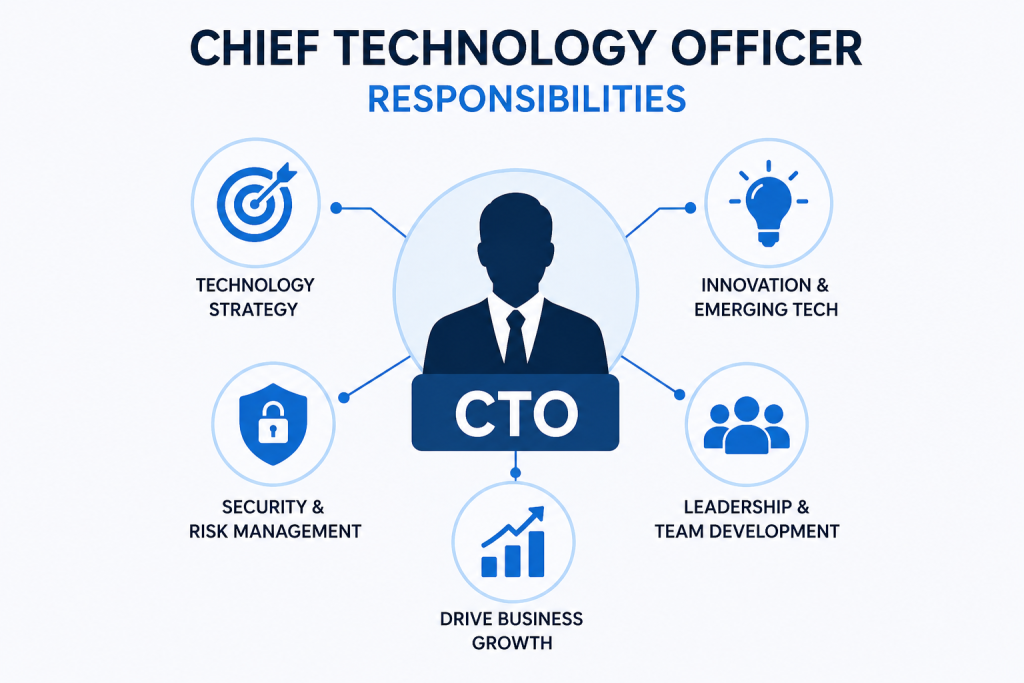
Modern CTOs are expected to:
Align technology with business strategy
Lead enterprise AI adoption
Drive innovation initiatives
Build scalable digital products
Manage cybersecurity and compliance
Lead cross-functional digital teams
Improve operational efficiency through automation
Create competitive technology roadmaps
This shift has created a growing demand for executive programmes that combine technology, AI, leadership, and business strategy into one comprehensive curriculum.
The IIT Roorkee Chief Technology & AI Officer Programme aims to address exactly this gap.
About the IIT Roorkee Chief Technology & AI Officer Programme 2026
The programme is designed specifically for experienced professionals who want to transition into senior technology leadership roles or strengthen their strategic capabilities as existing technology managers.
The curriculum focuses on:
Technology leadership
AI strategy
Digital transformation
Enterprise innovation
Product and platform thinking
Business-technology alignment
AI-powered decision making
Emerging technologies
The programme is delivered in an executive-friendly format, allowing working professionals to learn without taking a career break.
According to the programme details, the learning model includes live online sessions, industry-oriented pedagogy, case-based discussions, mentorship, and campus immersion opportunities.
Key Highlights of the Programme
1. IIT Roorkee Brand Value
One of the biggest advantages of the programme is the IIT Roorkee association.
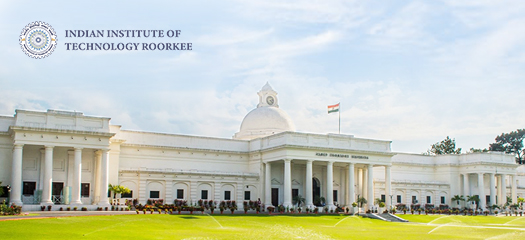
Indian Institute of Technology Roorkee is among India’s oldest and most respected engineering institutions. Its reputation adds significant credibility to executive certification programmes.
For professionals looking to strengthen their leadership profile, an IIT credential can enhance industry recognition and improve career positioning.
2. Strong Focus on AI Leadership
Many executive technology programmes still focus heavily on traditional IT management.
However, this programme recognizes that AI is now central to business transformation.
The curriculum emphasizes:
AI-driven organizations
Generative AI applications
Data-driven decision making
Intelligent automation
AI strategy implementation
Emerging technologies
This AI-centric approach makes the programme highly relevant for 2026 and beyond.
3. Designed for Working Professionals
The programme follows a flexible executive learning model.
Professionals can continue their jobs while attending live online sessions during weekends or scheduled learning hours. This makes it ideal for:
The programme covers a wide spectrum of modern technology leadership topics.
Module 1: The CTAO as a strategic partner
S1: CTO/CAIO mandate in the AI era; aligning technology, AI, and business strategy; stakeholder map
S2: Technology vision & roadmap: prioritization, value creation, and ESG considerations
S3: CTO–CIO–CDO–CISO collaboration; communication & influence with the C‑suite and board
Module 2: Strategic leadership for technology and AI
S4: Technology investment prioritization: portfolio thinking, business case evaluation, risk–return trade‑offs
S5: Business model innovation, market & competitive analysis; digital product and go‑to‑market alignment; Data monetization models
S6: Analytics for decision-making: dashboard and KPI design, interpretation pitfalls; Data governance: ownership, data sources, and data platform choices
Module 3: Machine learning for business
S7: Introduction to Machine Learning: demystification with use cases
S8: Types of learning and tasks, training vs inference, performance evaluation
While no programme guarantees placements, executive certifications from reputed institutions can strengthen leadership profiles and improve career mobility.
What Makes This Programme Relevant in 2026?
Technology leadership is no longer optional for businesses.
As these challenges grow, companies increasingly prefer leaders who can combine:
Technical expertise
AI understanding
Business strategy
Leadership capability
Innovation management
This programme directly addresses those evolving industry requirements.
Is the Programme Worth the Investment?
The answer depends on your career goals.
This programme may be valuable if you:
Want to transition into leadership roles
Plan to lead AI transformation initiatives
Need executive-level technology knowledge
Want IIT-backed executive certification
Aim to strengthen digital leadership capabilities
Want to understand AI from a strategic business perspective
However, professionals looking only for coding-heavy AI training or entry-level technical skills may find the programme more leadership-oriented than technical.
The programme appears best suited for professionals already working in technology or management roles.
Industry Perception and Professional Value
Online discussions around IIT executive programmes often highlight both opportunities and concerns.
Many professionals value:
IIT brand recognition
Executive networking
Structured learning
Industry-relevant curriculum
At the same time, learners often emphasize the importance of self-learning, practical implementation, and choosing programmes aligned with long-term career goals.
Like any executive programme, the actual value depends heavily on:
Final Verdict: Is This One of India’s Top CTO Programmes Right Now?
In many ways, yes.
The IIT Roorkee Chief Technology & AI Officer Programme 2026 positions itself strongly in the growing executive technology education market because it combines:
AI leadership
Technology strategy
Digital transformation
Innovation management
Executive learning flexibility
IIT credential value
Its biggest strength is its focus on modern technology leadership rather than traditional IT administration.
For experienced professionals aiming to become future-ready technology leaders, the programme offers a highly relevant blend of AI, business, innovation, and executive strategy.
While success ultimately depends on how participants apply the learning in real-world environments, the programme certainly reflects the direction modern CTO roles are heading in 2026.
For ambitious professionals seeking to lead AI-powered organizations, this could be one of the most relevant executive technology leadership programmes available in India today.
Frequently Asked Questions
This programme is ideal for experienced professionals such as technology managers, engineering leaders, IT consultants, product managers, and digital transformation specialists who want to transition into senior leadership roles like CTO, Head of Technology, or AI Strategy Lead.
The programme combines both areas effectively. It covers AI-driven business transformation, Generative AI, digital strategy, innovation management, and enterprise technology leadership, making it suitable for professionals aiming for strategic technology roles.
Yes, the programme is designed specifically for working professionals. It follows a flexible executive learning format with live online sessions, allowing participants to continue their jobs while upgrading their leadership and AI capabilities.
After completing the programme, professionals can target roles such as Chief Technology Officer (CTO), VP Technology, Head of Digital Transformation, AI Strategy Consultant, Product Innovation Leader, and Enterprise Technology Manager across industries like fintech, healthcare, SaaS, and consulting.
Shubham Lal
Lead Software Developer
Shubham Lal joined Microsoft in 2017 and brings 8 years of experience across Windows, Office 365, and Teams. He has mentored 5,000+ students, supported 15+ ed-techs, delivered 60+ keynotes including TEDx, and founded AI Linc, transforming learning in colleges and companies.
Get Free Upskilling Guidance
Fill in the details for a free consultation
Related Courses
Explore our programs
Admission Closed
Post Graduate Certificate Programme in Applied Data Science & AI
 HOME > BLOG > IT/Software Development > IIT Roorkee Chief Technology & AI Officer Programme 2026: Is This the Top CTO Programme in India Right Now?
 June 25, 2026
 8 min read






 Admission Closed

 Admission Open
 ROI Calculator