HOME > BLOG > Career Guidance > How to Choose the Career That’s Right for You: A Complete Guide
Career Guidance
How to Choose the Career That’s Right for You: A Complete Guide
J
By Manya Tohani
September 28, 20265 min read
Published on September 28, 2026
SHARE THIS ARTICLE
Table Of Content
Steps to Choose the Right Career for You
Popular Career Options Worth Exploring
Conclusion
Key Insights
Understand your skills, interests, values, and priorities to learn how to decide what career is right for you
Explore different industries, career options, and types of jobs that match your strengths
Gain practical exposure through courses, internships, job shadowing, and small projects
Compare salary, demand, growth, education, flexibility, and work-life balance before choosing your career path
Standing at a career crossroads is one of the most overwhelming feelings in adult life. Whether you're a student picking a major, a professional considering a switch, or someone re-entering the workforce, figuring out how to choose the career that's right for me is a question almost everyone asks at some point. The good news is that you don't need a crystal ball to make a smart decision. You need a clear process, honest self-reflection, and a willingness to explore your options before committing.
This guide explains how to decide what career is right for you, explorespopular career options, and helps you match your strengths to real opportunities. By the end, you'll have a simple framework for making career decisions.
Step 1: Get Clear on Your Skills, Interests, and Values
The first step in learning how to decide what career is right for you is understanding what you bring to the table. Your skills, interests, and personal values can help you identify career options that match your natural strengths and long-term priorities.
1. Identify Your Strengths
Start by listing the skills you already use confidently. These could includeproblem-solving, communication, creativity, analytical thinking, organisation, leadership, or technical abilities. Your strengths can give you an initial idea of the types of roles where you may perform well.
2. Explore Your Interests
Think about the subjects, activities, and topics that naturally keep you engaged. You may enjoy working with numbers, technology, people, ideas, designs, or practical tasks. Connecting your interests with potential careers can make it easier to stay motivated as you develop new skills.
3. Define Your Values
Your career should also fit the things you consider important in your working life. Salary, job stability, flexibility, career growth, creativity, work-life balance, and meaningful work can all influence your decision. Identifying your priorities helps you narrow down career options that fit both your professional and personal goals.
Step 2: Research Career Options Broadly Before Narrowing Down
Once you understand yourself, it’s time to look outward. Explore career options across several industries rather than fixating on one familiar job title. Many people limit themselves to the handful of careers they already know about, which means they miss roles that might suit them far better.
Useful ways to research include reading job descriptions on career sites, browsing government labor statistics for growth projections and average salaries, following professionals in fields that interest you on social media, and listening to career-focused podcasts or interviews.
Pay attention to daily responsibilities, required education, and long-term growth potential for each option you consider.
Step 3: Explore Different Types of Jobs
Understanding different types of job can help you identify roles that match your skills, interests, and preferred way of working.
People-Focused Jobs: Teaching, healthcare, sales,human resources, and customer service involve regular interaction with people.
Analytical Jobs: Finance, data analysis, business intelligence, and engineering involve working with data, numbers, research, and problem-solving.
Creative Jobs: Graphic design, writing, marketing, content creation, and UX/UI design involve ideas, communication, and creative thinking.
Technical and Hands-On Jobs: Construction, skilled trades, software development, and technical support involve building, operating, repairing, or maintaining systems and equipment.
Leadership and Strategy Jobs:Project management, operations, consulting, and business strategy focus on planning, decision-making, managing teams, and achieving business goals.
Exploring these categories can help you understand different career options and narrow down choices based on the type of work that suits you.
Step 4: Test the Career Before Committing
Reading about a career is useful, but experiencing the work can give you a clearer picture. Try these low-risk ways to explore a field before making a final decision:
Informational Interviews: Speak with professionals to understand their daily work and challenges.
Job Shadowing: Observe someone in the role to experience the work environment and responsibilities.
Volunteering or Freelancing: Work on small projects to build skills and see if you enjoy the work.
Online Courses or Certifications: Learn the basics through a short course before investing in a degree or long-term programme.
These small experiments are one of the most reliable ways to decide what career is right for you, because they replace assumptions with actual experience.
Step 5: Weigh the Practical Factors
Passion matters, but practicality keeps your decision grounded. As you narrow your list, consider:
Required education or training and its cost
Typical starting and long-term salary ranges
Job market demand and stability
Location flexibility and remote work options
Expected work-life balance
Balancing what excites you with what’s realistically sustainable is the core of learning how to pick the right career path that you can stick with for years, not just months.
Step 6: Make a Decision and Stay Flexible
At some point, you have to choose, even without perfect certainty. Pick the option that best matches your skills, interests, values, and practical needs today. Remember that careers are rarely linear, most people change direction several times, and that’s completely normal.
Choosing the right path now doesn’t lock you in forever; it simply gives you a strong, informed starting point.
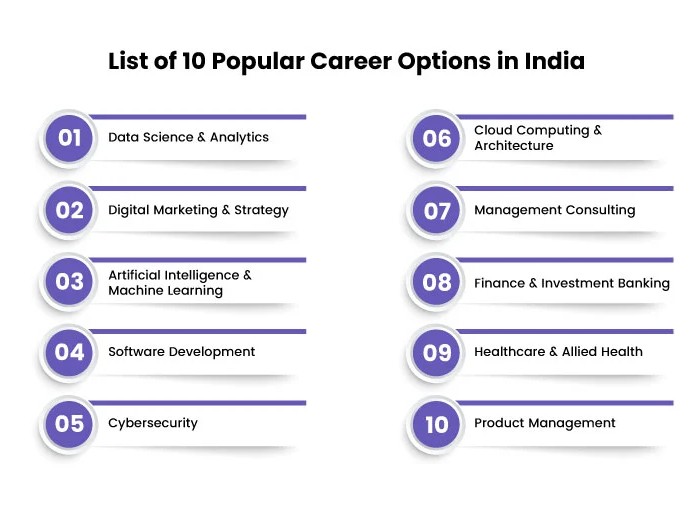
If you already have an idea of the kind of work you enjoy, the next step is to look at specific career paths. The table below highlights some popular career options, what professionals in these roles typically do, and indicative salary ranges in India.
Career Option
What the Career Involves
Indicative Salary Range in India
Data Scientist
Analyses complex data and builds models to support business decisions and predictions.
There is no single formula for deciding what career is right for you. Start by understanding yourself, explore different career options, test the ones that interest you, and compare their practical realities before making a decision.
Most importantly, give yourself room to learn and adjust. The career you choose today can be a starting point rather than a permanent decision. What matters is taking a thoughtful next step towards work that fits your skills, interests, values, and goals.
Frequently Asked Questions
You’ll usually know a career fits when your daily tasks match your natural strengths, the work aligns with your core values, and you feel motivated even on difficult days. Combining honest self-assessment with real-world experience, such as internships or informational interviews, is the most reliable way to confirm the fit.
The first step is self-assessment. Identify your skills, interests, and values before researching specific job titles, since a clear picture of yourself makes it much easier to evaluate whether a list of career options actually fits who you are.
Yes, career changes are common and increasingly normal. Many professionals switch industries or roles multiple times as their skills, interests, and circumstances evolve, so choosing a career today doesn’t mean you’re locked into it permanently.
Most career experts suggest researching three to five realistic options in depth rather than either fixating on one choice or trying to explore dozens. This range is usually enough to compare different types of jobs meaningfully without becoming overwhelmed.
The healthiest approach balances both. A career built purely on passion without financial stability can become stressful, while one chosen only for salary without genuine interest often leads to burnout, so aim for solid overlap between the two.
Manya Tohani
Personal Growth Mentor
Manya Tohani is a Personal Growth Mentor and content strategist, helping individuals build strong personal brands and accelerate career growth. With 8M+ impressions and experience mentoring students, she empowers others through actionable guidance, resilience, and real-world insights.
Get Free Upskilling Guidance
Fill in the details for a free consultation
Find a Program made just for YOU
We'll help you find the right fit for your solution. Let's get you connected with the perfect solution.

 September 28, 2026
 5 min read





 Key Insights
 ChatGPT
 Perplexity
 Claude
 Grok
Grok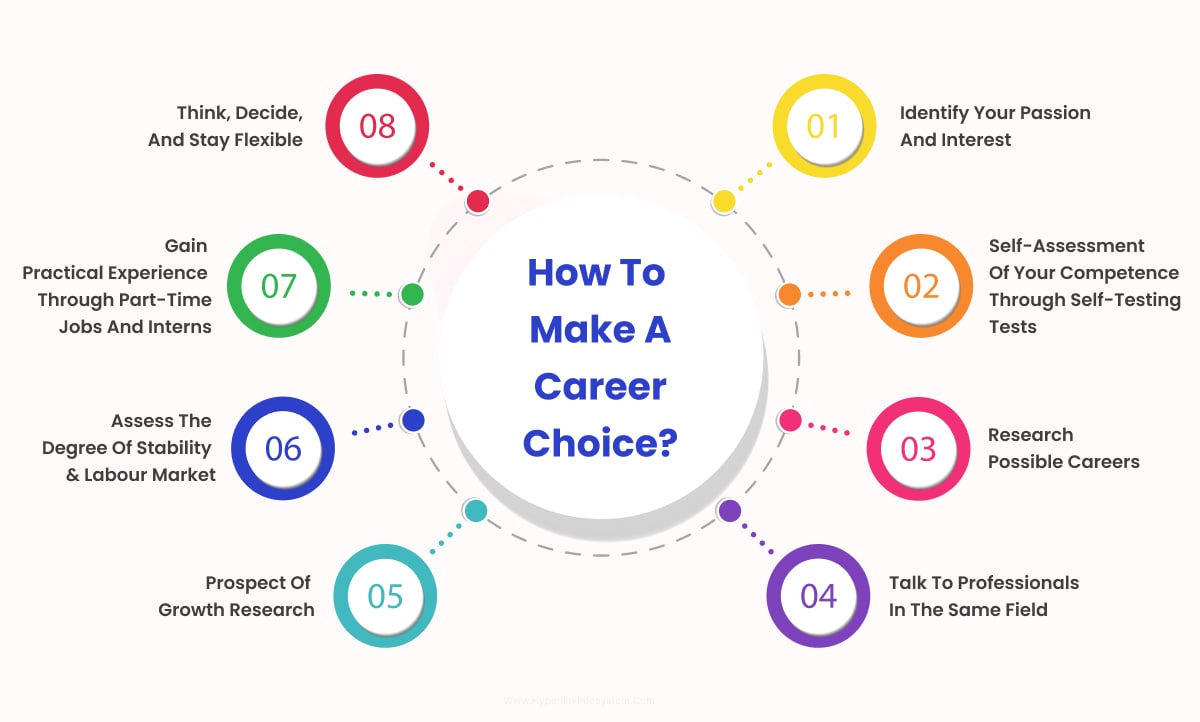





 ROI Calculator