How Professional Learning Supports Work-Life Balance
Even though working hard is important, focusing only on your job can take a toll on your health, peace of mind, and family life. That’s why maintaining a work-life balance truly matters.
Work-life balance means handling job tasks while still having time and energy for hobbies, loved ones, and your own health. It doesn't mean cutting back on goals or skipping tough efforts. Instead, it's about setting up a schedule where career progress and personal peace go hand in hand.
Studies from the World Health Organisation and Harvard Business Review show that employees with healthy work-life setups are more productive, bring better ideas to the table, and feel happier in their jobs. They also face less stress and have stronger physical health.
In this blog, you will know why work-life balance matters and how you can handle your professional and personal life in 22 simple yet effective ways.
Work-life balance means managing time, energy, and focus between job tasks and personal life. Personal activities can include time with loved ones, hobbies, staying physically fit, chatting with friends, or just taking a break.
A healthy routine helps keep work from taking over every part of daily life. People can do their jobs well while also taking care of their personal lives.
It’s important to realise that work-life balance varies from person to person. Some value flexible hours; others want evenings free for family or passions. The goal is to build a routine that works without causing stress or exhaustion. For now, this approach doesn’t mean every person will achieve the same results. And it’s not easy to maintain in busy environments.
Maintaining a balanced lifestyle has several benefits that extend beyond personal comfort. It affects professional productivity, emotional well-being, and long-term career success.
1. Reduces Stress and Burnout
Working continuously without adequate rest can lead to stress, fatigue, and emotional exhaustion. Over time, this may develop into burnout, a condition that reduces motivation and productivity.
When individuals maintain a work-life balance, they allow themselves time to relax and recover from daily responsibilities. This helps maintain mental clarity and emotional stability.
2. Improves Mental Health
People who allocate time for relaxation, hobbies, and social interaction often experience lower levels of anxiety and depression. Engaging in enjoyable activities helps the mind recover from professional pressure.
3. Enhances Productivity
Balanced individuals are often more productive at work. When employees feel refreshed and motivated, they are able to focus better on tasks and complete them efficiently.
4. Strengthens Personal Relationships
Work-life balance allows individuals to spend meaningful time with family and friends. These relationships provide emotional support and improve overall life satisfaction.
5. Supports Long-Term Career Growth
Maintaining balance prevents exhaustion and allows professionals to sustain their careers for longer periods. Individuals who manage stress effectively are more likely to perform consistently and grow professionally.
Best 22 Tips to Maintain Work-Life Balance
Achieving work-life balance requires intentional habits and effective time management. The following tips can help individuals build a healthier routine.
1. Set Clear Work Boundaries
One of the most effective ways to maintain balance is to establish clear boundaries between work and personal life. Define your working hours and communicate them clearly with colleagues or supervisors.
When work extends into personal time every day, it becomes difficult to relax or focus on family and personal interests. By setting clear limits, you create a structure that protects both your professional responsibilities and personal well-being.
2. Prioritise Your Tasks
Not all tasks have the same level of importance. Some responsibilities require immediate attention, while others can be scheduled later.
Prioritising tasks helps you focus on activities that have the greatest impact. Many professionals use techniques such as the Eisenhower Matrix, which categorises tasks into urgent, important, and non-essential categories. This approach reduces unnecessary stress and improves productivity.
3. Create a Structured Daily Routine
A well-planned daily routine can significantly improve work-life balance. Start your day with a clear schedule that includes work responsibilities, breaks, meals, and personal time.
Structured routines help individuals avoid confusion and maintain consistency throughout the day. They also reduce the risk of work tasks extending into personal time.
4. Learn to Say No
Many people struggle with declining additional responsibilities because they fear disappointing colleagues or managers. However, accepting too many commitments can lead to unnecessary stress.
Learning to say no politely is an important professional skill. It allows you to focus on your priorities and maintain a manageable workload.
5. Take Regular Breaks
Continuous work without breaks can reduce concentration and increase fatigue. Short breaks during the day allow your mind to recover and maintain focus.
Even simple activities such as stretching, walking, or stepping away from your desk for a few minutes can help restore energy levels.
6. Maintain a Healthy Lifestyle
Physical health plays a crucial role in maintaining work-life balance. Regular exercise improves energy levels, reduces stress, and enhances overall well-being.
Similarly, balanced nutrition and adequate sleep are essential for maintaining mental clarity and emotional stability. Healthy habits allow individuals to handle professional responsibilities more effectively.
7. Disconnect After Work
Modern technology makes it easy to remain connected to work at all times. Emails, messages, and work-related notifications can continue even after working hours.
To maintain balance, it is important to disconnect from work communication once the workday ends. This helps the mind transition from professional responsibilities to personal relaxation.
8. Spend Quality Time with Family
Family relationships provide emotional support and stability. Spending time with loved ones helps individuals relax and maintain a positive outlook on life.
Even simple activities such as sharing meals, watching movies, or having meaningful conversations can strengthen family bonds.
9. Develop Personal Hobbies
Hobbies provide an opportunity to relax and express creativity. Activities such as reading, gardening, music, sports, or photography help individuals focus on something enjoyable outside work. Engaging in hobbies also contributes to personal growth and satisfaction.
10. Practice Time Management
Effective time management allows individuals to complete tasks efficiently and avoid last-minute pressure.
Using tools such as digital calendars, task lists, or productivity apps can help organise responsibilities and track deadlines.
11. Avoid Multitasking
Multitasking may appear productive, but it often reduces efficiency. When the brain switches between multiple tasks, it becomes harder to maintain focus. Completing one task at a time improves accuracy and ensures higher-quality work.
12. Delegate Responsibilities
Delegation is an important skill, especially for professionals in leadership roles. Sharing responsibilities with team members allows individuals to focus on tasks that require their expertise. Delegation also encourages teamwork and professional development among colleagues.
13. Use Technology Wisely
Technology can improve efficiency when used appropriately. Digital tools help professionals organise tasks, schedule meetings, and manage communication.
However, excessive use of technology outside working hours can increase stress. Maintaining healthy boundaries with digital devices is essential.
14. Plan Vacations and Time Off
Taking regular breaks from work is essential for maintaining mental health. Vacations allow individuals to relax, travel, and spend time with family. Even short breaks from work can restore motivation and creativity.
15. Create a Comfortable Work Environment
Your workspace has a direct impact on productivity and concentration. A well-organised and comfortable workspace reduces distractions and supports efficient work. Ensure that your work area has proper lighting, comfortable seating, and minimal clutter.
16. Practice Mindfulness and Relaxation
Mindfulness practices such as meditation, breathing exercises, or yoga can reduce stress and improve emotional balance. Spending even ten minutes each day on relaxation techniques can help individuals manage pressure more effectively.
17. Set Realistic Goals
Setting unrealistic goals can create unnecessary pressure. Instead, establish achievable objectives and break large tasks into smaller steps. This approach improves motivation and allows individuals to track progress more effectively.
18. Build Strong Workplace Relationships
Positive relationships with colleagues create a supportive work environment. When team members communicate openly and respectfully, collaboration becomes easier. Supportive workplaces also reduce stress and improve overall job satisfaction.
19. Limit Overtime
Occasional overtime may be unavoidable, but consistently working long hours can affect health and productivity.
Maintaining reasonable working hours allows individuals to maintain balance and avoid exhaustion.
20. Focus on Personal Growth
Personal development is an important aspect of work-life balance. Learning new skills, reading books, or attending workshops can provide intellectual stimulation and motivation. Continuous learning also supports long-term career growth.
21. Reflect on Your Priorities
Taking time to reflect on your priorities helps ensure that your actions align with your goals and values. Regular self-reflection allows individuals to adjust their routines and maintain a balanced lifestyle.
22. Get Support When Needed
Sometimes professional or personal challenges can feel overwhelming. Seeking support from mentors, colleagues, or professional counsellors can provide valuable guidance. Discussing challenges openly often leads to practical solutions and emotional relief.
How Professional Learning Supports Work-Life Balance
Professional education programmes often help individuals develop skills such as time management, leadership, and communication. These abilities support both career growth and personal balance.
Jaro Education collaborates with leading universities to offer executive education programmes designed for working professionals. Our programmes allow learners to develop new skills while continuing their careers.
Participants benefit from case studies, industry interaction, and collaborative learning experiences that enhance both professional competence and interpersonal skills.
Maintaining a healthy work-life balance is essential for long-term personal and professional success. Individuals who manage their time effectively, prioritise well-being, and maintain meaningful relationships often experience greater satisfaction and productivity.
The 22 tips discussed in this blog provide practical strategies for creating a balanced lifestyle. While achieving balance may require changes in daily habits, even small improvements can lead to significant benefits.
By managing responsibilities thoughtfully and dedicating time to personal well-being, individuals can build careers that support both professional achievement and personal happiness.
Frequently Asked Questions
Work-life balance refers to the ability to manage professional responsibilities while maintaining time for personal life, health, family, and relaxation. It helps individuals maintain productivity without compromising their well-being.
Work-life balance helps reduce stress, improve mental health, and increase job satisfaction. It also supports better productivity and stronger relationships.
Common signs include fatigue, stress, lack of personal time, burnout, and difficulty separating work from personal life.
Yes, balanced routines help individuals stay focused, motivated, and more efficient at work.
Some of the best work-life balance countries include Denmark, Norway, the Netherlands, Finland, and Sweden.
Manya Tohani
Personal Growth Mentor
Manya Tohani is a Personal Growth Mentor and content strategist, helping individuals build strong personal brands and accelerate career growth. With 8M+ impressions and experience mentoring students, she empowers others through actionable guidance, resilience, and real-world insights.

 April 26, 2026
 7 min read




 ChatGPT
 Perplexity
 Claude
 Grok
Grok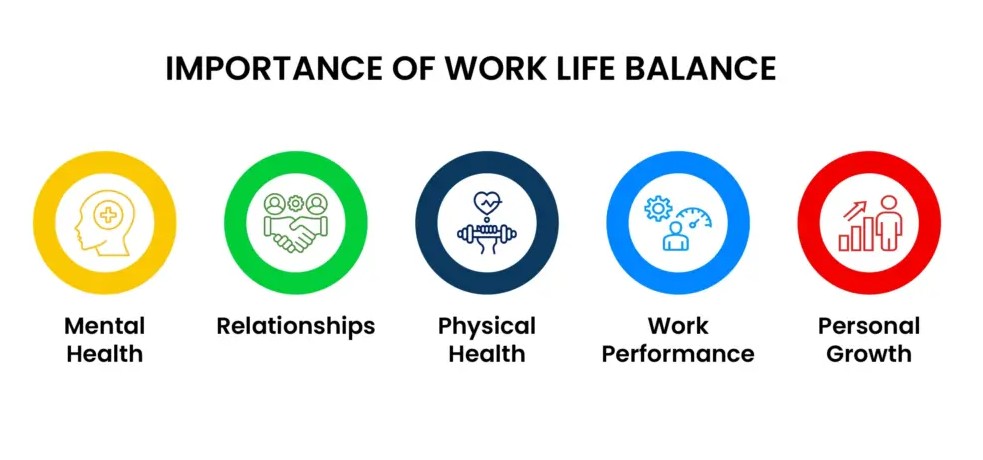


 Admission Open
 Admission Closed

 Admission Open
 Admission Open
 ROI Calculator