 HOME > BLOG > Career Development > How to Become a Branch Manager: Skills, Qualifications, and Growth Path
How to Become a Branch Manager: Skills, Qualifications, and Growth Path
 February 3, 2026
 9 min read





Table Of Content
- Responsibilities Of A Branch Manager
- Branch Manager Requirements and Qualifications
- Essential Steps to Branch Manager Success
- Branch Manager Career Path Timeline
Every organisation has different levels of management that oversee business operations and finances. One of those levels of management is branch managers. They are leadership professionals primarily responsible for overseeing branch-office or location operations. This role demands a unique set of skills and qualifications to manage teams and uphold organisational standards successfully.
If you want to leap into this leadership role, it is important to understand the qualifications and requirements of a branch manager. This also helps you to be prepared for this role and advance your career management. In this comprehensive guide, we will provide an overview of a branch manager's job duties, the necessary experience and qualifications, and how you can begin preparing for this career path.
 ChatGPT
 Perplexity
 Claude
 Grok
GrokResponsibilities Of A Branch Manager
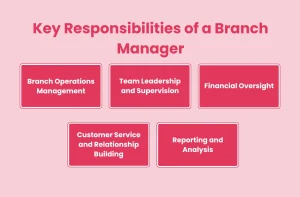
The branch manager’s duties and responsibilities are vast, ranging from managing activities and personnel to the achievements of a specific branch or location within an organisation. Let’s have a look at some of the major duties:
*iscalepro.com
Leadership:
A branch manager guides, supports, and motivates the branch team and always maintains a positive work environment that promotes teamwork and professional growth.
Financial management:
They create and manage budgets, oversee financial performance, and implement cost-control measures to increase profitability and reduce risk.
Operations management:
They ensure smooth and efficient branch functioning by handling day-to-day operations, implementing policies, and monitoring performance against set goals.
Sales and business development:
Work to enhance the branch growth by grabbing opportunities, meeting sales targets, and dealing with issues in the right way.
Customer service:
A branch manager ensures that their customers are highly satisfied, their concerns are resolved, and in the end, they have a strong relationship with their new and existing clients.
Staff management:
Responsible for recruiting the right team member, training new staff, evaluating performance, and working on their development. They do this to ensure the organisation has skilled and motivated employees.
Reporting:
Supervising and analysing branch performance metrics, providing regular reports to senior management and implementing corrective actions when necessary.
Collaboration:
A manager must collaborate with other departments to share best practices, information, and other resources. This improves the overall functionality of a branch.
Branch Manager Requirements and Qualifications
You can classify the qualifications and requirements for a branch manager into three categories, including:
Education
Educational qualifications are of utmost importance for a branch manager, as they enable them to build foundational knowledge and technical skills. The educational qualifications required are:
- Bachelor’s degree: Most branch manager roles require a bachelor’s degree in a relevant field such as business administration, management, finance, or marketing. This level of education equips candidates with a foundation in business principles, strategic planning and operational management.
- Master’s degree: Some organisations prefer candidates with a master’s degree, such as a Master of Business Administration (MBA). These advanced programmes provide deeper insights into building leadership, strategy and decision-making.
Certifications
Do you know how much online certification plays an important role in a branch manager’s career growth? Well, it’s a validation for skills and expertise, showing that you can meet industry standard practices. Having a certification from a recognised institution can improve your credibility and employability.
- General management certifications: Certifications such as the Executive Certificate Programme in Advanced Project Management and Analytics offered by IIM Mumbai through Jaro Education can emphasise a branch manager’s expertise in management principles and best practices.
- Leadership and soft skills certifications: Certifications which are focused mainly on building leadership capabilities, communication or emotional intelligence can make you more preferable for a branch manager role.
Essential Steps to Branch Manager Success
Success in branch management does not happen by chance. It develops through consistent effort, learning, and smart career decisions. The steps below explain how professionals gradually prepare themselves for leadership.
Step 1: Develop Essential Leadership Skills
Leadership development should begin long before a branch manager role becomes available. Learning how to guide people, make decisions, and communicate clearly lays the foundation for future success.
You can build leadership skills by attending training sessions, reading management books, and observing experienced managers.
Step 2: Gain Cross-Functional Experience
A strong branch manager understands how different departments work together. This knowledge usually develops over two to three years of cross-functional exposure.
You can gain this experience by working in sales, customer service, operations, or finance roles. Each department teaches you something different about how a business functions. Sales teaches revenue generation, customer service builds relationship skills, operations improve process understanding, and finance develops cost awareness.
Step 3: Build Strong Workplace Relationships
Leadership success depends heavily on relationships. A future branch manager must build trust with colleagues, supervisors, customers, and team members.
Taking time to understand people’s strengths, challenges, and goals helps create genuine connections. Regular conversations, active listening, and supportive behaviour strengthen teamwork. When employees feel respected, they are more willing to cooperate and perform well.
Strong relationships also make leadership transitions smoother, as people are more likely to support someone they trust and respect.
Step 4: Show Initiative and Problem-Solving Skills
One clear way to stand out is by solving problems before they grow bigger. Instead of waiting for instructions, proactive professionals identify issues and suggest solutions.
A branch manager must remain calm under pressure and approach challenges with a practical mindset. Encouraging problem-solving within the team builds confidence and improves overall performance. Successes should be recognised, while failures should be treated as learning opportunities.
Step 5: Take on Stretch Assignments
When looking for an opportunity to grow professionally, be sure to look for Stretch Assignments. They encourage you to step outside of your comfort zone and develop your capabilities more rapidly than in other assignments.
Stretch Assignments may be projects that you will lead, temporary management of a team, or assume responsibilities that are outside of your usual scope of work.
Step 6: Develop Strong Business Understanding
As a Branch Manager, it is important to understand how the business goals are achieved. This includes an understanding of market trends, performance indicators and customer behaviour.
Being able to read and understand reports, set and track targets, and analyse results helps you make better decisions. If you want to keep yourself up-to-date with industry trends, make sure to attend industry trends conferences and events.
Step 7: Share Your Career Goals Clearly
Many professionals hesitate to talk about leadership goals, but open communication is important. Discussing your ambitions with your manager helps them guide you better.
Share your achievements and ask for feedback. Managers can recommend training, assign new responsibilities, or suggest improvement areas. Clear communication ensures your efforts align with career progression.
Step 8: Commit to Continuous Learning
Leadership requires continuous growth. As society, industries, consumer behaviour, and management practices continue to develop over the years, leadership growth will continue through continuous learning.
You can develop your leadership skills through various forms of education, including workshops, online courses, certifications, and/or higher education. Learning should continue even after you have been established as a branch manager, and by supporting your team’s development, you create a culture of a growth mindset.
Step 9: Lead by Example
Leadership begins with behaviour. Even without a formal title, you can influence others by being reliable, ethical, and professional.
Showing dedication, maintaining discipline, and supporting colleagues sets a strong example. People naturally follow leaders who act responsibly and consistently.
Step 10: Prepare for the Transition
When you begin to transition to a branch manager, preparing yourself mentally will become very important. Becoming a leader will require you to make tough decisions, handle conflict resolution, and deal with high levels of accountability.
Take some time before moving into your branch manager role to reflect on your leadership style and identify areas where you can improve. Reach out to leaders who have transitioned into branch managers for guidance and support. Plan out your first few months as a branch manager to help alleviate any feelings of uncertainty and develop confidence.
Step 11: Build a Strong Support Network
Leadership can feel overwhelming at times. Having a strong support system makes a big difference.
Connecting with other managers, joining professional groups, and maintaining mentorship relationships provides guidance and reassurance. A reliable network offers advice during challenges and encouragement during success.
Step 12: Master Communication and Team Empowerment
Clear communication defines effective leadership. As a branch manager, sharing goals, expectations, and progress keeps everyone aligned.
Empowering your team means trusting them with responsibility, encouraging ideas, and supporting growth. Delegation improves efficiency and builds confidence among employees. When people feel valued, they perform better.





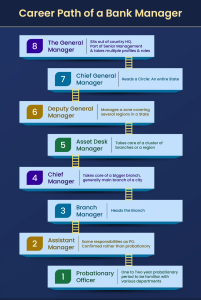
Branch Manager Career Path Timeline
If you want to set a realistic expectation and plan your career development strategically, it is essential to understand the branch manager’s career path timeline.
*shine.com
- For Years 1-2: Try to stay focused on developing your leadership abilities and getting the right managerial experience.
- For Years 3-4: Get involved in cross-functional assignments and build solid internal relationships.
- Years 5+: It’s time to position yourself for branch manager roles while continuing professional development.
Skills for Branch Managers
A branch manager must acquire a specific set of skills to achieve their administrative and leadership tasks within an organisation. Some of the most common skills that you must focus on developing are:
- Communication: This is one of the most important skills. As a branch manager, you may be required to communicate with clients or team members. Thus, string communication can help you to easily market your information and work on your goals to achieve the desired goals.
- Leadership: The branch manager is the leader of the branch or office and is responsible for guiding the branch and ensuring that all activities are performed in the most efficient manner possible. Having strong leadership skills will help motivate team members, manage team performance, and help them achieve the branch’s goals.
- Organisational Skills: Depending on the organisation’s size and structure, a branch manager may need to manage employee schedules, maintain a filing system, and track operational and financial information. Having strong organisational skills enables branch managers to carry out their administrative and clerical duties smoothly.
- Attention to Detail: A branch manager must maintain accurate records and other documentation. When creating reports for stakeholders or tracking key performance indicators, having a strong attention to detail will help ensure that the branch’s records are accurate, consistent, and reliable.
- Computer Proficiency: Branch managers regularly use a variety of computer applications in the performance of their job duties. Typical business applications include payroll and tax-related software and industry-specific software. For example, a sales branch manager may use specialised sales tracking software or customer relationship management (CRM) software.
Conclusion
If you’re considering becoming a bank manager, remember that the journey is filled with opportunities for growth and development. By focusing on what matters most, i.e, your skills, subject knowledge, and confidence, you can win this position. Also, as you consider this role and other opportunities in any organisation, Jaro Education emerges as a leading online higher education and upskilling company for honing your skills and knowledge. Consider enrolling in our project manageme[nt and other certification courses in Banking, Management, and Finance to start your journey toward becoming a branch manager.
Frequently Asked Questions
A branch manager oversees daily operations, manages staff, handles finances, meets sales targets, and ensures customer satisfaction.
An application to branch manager positions usually requires a bachelor’s degree, leadership experience, and often an MBA or certifications.

Related Courses
Explore our programs
 Admission Open
 Admission Open
 Admission Open
 Admission Open
Find a Program made just for YOU
We'll help you find the right fit for your solution. Let's get you connected with the perfect solution.

Is Your Upskilling Effort worth it?
 ROI Calculator

Are Your Skills Meeting Job Demands?
Try our Skill Gap tool
Experience Lifelong Learning and Connect with Like-minded Professionals
Explore Jaro Connect

