Core BCom Accounting and Finance Subjects Explained in Detail
Semester-Wise Breakdown of BCom Accounting and Finance Subjects
Difference Between BCom Accounting Subjects and BCom Finance Subjects
The decision of what degree to pursue after school can sometimes feel like making a lifelong commitment before having all the clarity. Among all the many choices in commerce, BCom Accounting and Finance subjects remain a favorite, because it is closely tied to how businesses operate in the real world.
But one of the most common queries students have before joining any course is, “What exactly will I learn?”
This blog delves into the subjects that are part of the Bcom accounting and finance subjects so that you can analyse which one suits your interests.
BCom Accounting and Finance is a specialized course for students who wish to develop a strong understanding of financial systems, accounting practices, and business decisions.
Unlike a conventional BCom course, this course provides a differentiated approach with a blend of:
Core BCom Accounting subjects that focus on the recording and reporting of financial information
Advanced BCom finance subjects that focus on the management, analysis, and growth of financial resources
In simpler words, accounting is about understanding what has happened financially, while finance is about deciding what should happen next. This is where the course gets practical and career-oriented.
Core BCom Accounting and Finance Subjects Explained in Detail
Instead of just listing subjects, let’s understand what each one involves and how it contributes to your overall learning.
1. Financial Accounting
Financial Accounting is usually the primary and basic subject among all the other subjects included in the BCom course. This subject introduces you to the basic principles of recording financial information and generating financial statements.
What you will learn:
How to prepare journal entries and ledger postings
How to prepare a trial balance
How to prepare profit and loss statements
How to prepare balance sheets
This subject may seem technical at the beginning as it requires precision and accuracy. However, as you move through the subject, you will start to understand the relevance of the information to the actual performance of the business.
Why it matters: Financial Accounting is the backbone for any organization, whether small or large.
2. Cost Accounting
Cost Accounting is one of the most applicable subjects for a BCom course in the field of Accounting, as it deals with the management of costs for businesses.
Concepts included:
Cost classification (fixed cost, variable cost, direct cost, and indirect cost)
Preparation and control of budgets
Methods for costing
Break-even point
Real-life application: Cost Accounting is a field where businesses can benefit from identifying areas where they are wasting money and improve their bottom line. This subject will change your thought process from merely dealing with numbers to analyzing them.
3. Corporate Accounting
Corporate Accounting is an extension of the knowledge of financial accounting.
Why it is important: As companies grow, their financial structures become increasingly complex. This subject equips you to deal with such complexities and understand the financial aspects of large organizations.
4. Financial Management
Financial Management is one of the most important BCom finance topics because it deals with decision-making related to money.
Topics included:
Time value of money
Capital budgeting techniques
Risk return analysis
Working capital management
Practical relevance: You learn how businesses decide:
Where to invest
How to raise funds
How to manage financial risks
It changes you from a mere recorder of financial information to a decision-maker.
5. Taxation
Taxation is an important part of the subjects included in the accounting and finance curriculum, and it can be applied in real life.
Why students find it useful: Taxation offers opportunities for consulting, freelancing, and employment in organizations. It is a subject with real-life applications, and not many subjects are as useful as taxation.
6. Business Economics
Business Economics enables you to understand external influences on business decisions.
Main topics:
Demand and supply analysis
Market structures
Pricing strategies
Economic forecasting
Reasons why this subject matters: This subject gives you context in which to place your financial knowledge, so you can understand the way businesses operate in a market environment.
7. Auditing
Auditing is all about verifying financial information and ensuring compliance.
Key areas covered:
Audit procedures and techniques
Internal and external auditing
Risk assessment
Fraud detection
Career Relevance: The subject is particularly relevant for students who want to pursue a career in auditing or want to do a chartered accountant.
8. Investment Analysis
Investment Analysis is one of the more engaging BCom Finance courses, especially for students who are interested in financial markets.
What you’ll learn:
The basics of stock markets
Portfolio diversification
Risk management techniques
Investment planning
What Makes It Stand Out: It helps you change your perspective from making money to growing it, making it particularly relevant for today’s financial environment.
9. Banking and Insurance
This subject introduces you to the functioning of banks and insurance companies.
Topics include:
Banking operations
Insurance principles
Risk coverage
Financial services
Industry relevance: It prepares students for careers in banking, insurance, and financial services sectors.
Free Courses
Finance for All – Free Finance Certification Course
Jaro Education works with leading universities to make higher education more accessible and aligned with current industry needs. Instead of a traditional, rigid setup, the focus is on flexible learning combined with practical exposure.
If you’re considering a structured yet flexible option, the Online BCom Programme by Manipal University Jaipur available through Jaro is worth exploring. What makes it stand out is not just the degree itself, but how the learning is delivered.
Here’s what makes this option worth considering:
The program is UGC-entitled, which means it holds the same value as a regular on-campus degree
It is offered by Manipal University Jaipur (NAAC A+ accredited), which adds academic credibility
The online format gives flexibility, especially helpful if you want to manage other commitments alongside your studies
The curriculum is designed to cover all key accounting and finance subjects, while keeping the content practical and relevant
BCom Accounting and Finance subjects already have strong career potential but the way you learn them can influence how confident and job-ready you feel at the end of it.
In the end, the goal is simple, not just to complete a degree, but to actually understand and apply what you learn. So, if you’re planning to pursue BCom Accounting and Finance, choosing the right platform such as Jaro Education can make the journey a lot more effective.
Get in touch with us today to learn more!
Conclusion
Understanding the BCom accounting and finance subjects is more than just knowing what you’ll study, it’s about recognizing how each subject contributes to your long-term career. From financial accounting and taxation to investment analysis and financial management, every subject builds a layer of expertise that prepares you for the real business world.
If approached with clarity and consistency, this course can open doors to diverse opportunities across accounting, finance, banking, and consulting. The key lies in choosing the right learning platform that not only teaches these subjects but also helps you apply them effectively in real-world scenarios.
Frequently Asked Questions
B.Com Accounting and Finance is a specialized degree that teaches you how to manage, analyze, and grow money within businesses. It blends core accounting with financial decision-making, making it highly practical and career-focused.
A B.Com graduate typically starts with ₹3–₹6 LPA, depending on skills, specialization, and internships. With experience or additional certifications, this can grow significantly into high-paying finance and management roles.
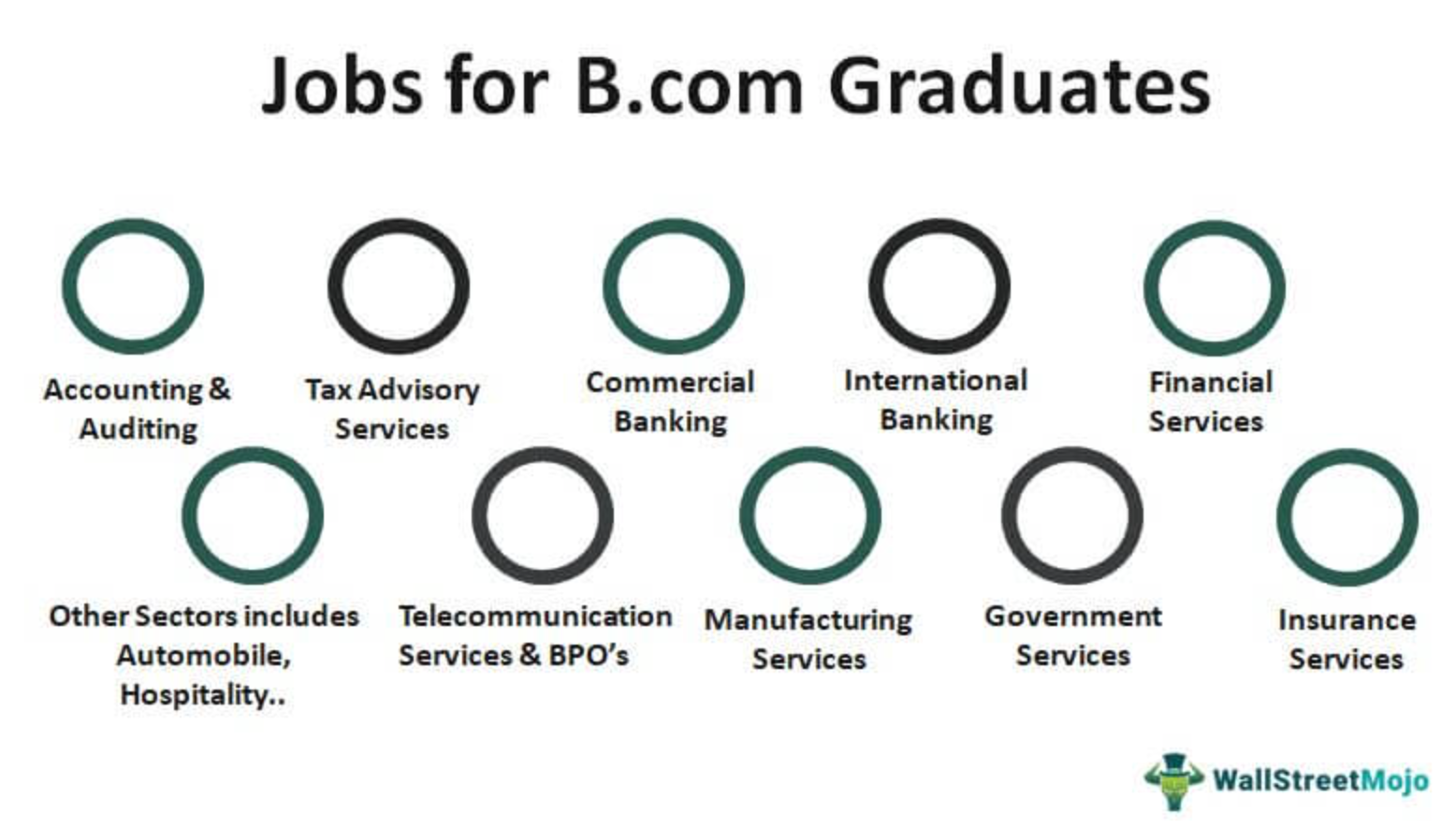
The scope is wide, with opportunities in accounting, banking, finance, taxation, and consulting across industries. With the right skills, it can lead to roles like financial analyst, auditor, or even investment professional.
Some of the most valued courses in finance are Chartered Accountant (CA), Chartered Financial Analyst (CFA), and MBA in Finance. These programs help you specialize and unlock higher-level career opportunities.
Manya Tohani
Personal Growth Mentor
Manya Tohani is a Personal Growth Mentor and content strategist, helping individuals build strong personal brands and accelerate career growth. With 8M+ impressions and experience mentoring students, she empowers others through actionable guidance, resilience, and real-world insights.

 December 24, 2024
 6 min read




 ChatGPT
 Perplexity
 Claude
 Grok
Grok






 Admission Open
 Admission Closed
 Admission Closed
 Admission Open

 ROI Calculator



