
YouTube SEO Tips to Boost Your Video Reach and Rankings
 January 26, 2026
 9 min read




Table Of Content
- What is YouTube SEO?
- YouTube SEO Optimisation Tips
- Wrapping Up
YouTube is no longer just a platform for creators; it has become a channel where people search for solutions, inspiration, entertainment, and learning.
Today, there are millions of new videos posted on YouTube every hour! That means there is tough competition to boost reach and rankings. Most of the time, even the best content struggles to gain traction just because it is not discoverable. That’s where YouTube SEO becomes essential.
If YouTube can't figure out what your content is about, no matter the quality standard, you'll never get to see it! Ultimately, the difference between growing channels and stagnant ones is not luck; it is due to the channel optimisation strategies used to ensure the channel's content aligns with search intent, metadata signals, and viewer retention patterns.
Are you curious to learn how it works and how you can optimise your videos to make them SEO-friendly? It's time to understand algorithms. This blog outlines tips for creating YouTube SEO strategies to improve your reach, increase video engagement, and establish long-term authority for your channel. But before that, let’s get an overview of what is SEO on YouTube, exactly.
 ChatGPT
 Perplexity
 Claude
 Grok
GrokWhat is YouTube SEO?
*fourthwall.com
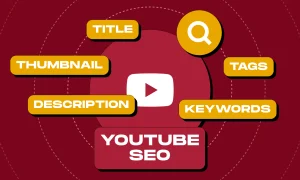
YouTube SEO is the process of optimising your channel and video content so YouTube and Google can easily identify, index and recommend your content to the appropriate audience.
The process also uses some of the same principles of traditional search engine optimisation (SEO), including keyword research, metadata, indexing and ranking, as well as YouTube-specific behavioural signals such as audience retention, CTRs, session time, engagement velocity, and content relevance.
Unlike social networks, where users browse through their feeds, YouTube operates on a pull-based discovery system: users search for videos they are interested in, and the algorithm scans the millions of videos on YouTube instantaneously to find and display the most relevant result to what the user is searching for.
However, the unique aspect of the algorithm is that it does not watch videos as a human would, instead, it reads text signals around your video to determine what it is about.
These text signals include:
- Video title
- Description
- Tags
- Hashtags
- Closed captions
- Subtitles (SRT files)
- Transcripts
- Thumbnail metadata
- Channel authority and consistency
- User interaction patterns
- Watch history relevance
- Session continuation probability
YouTube SEO is more than just being discovered on the platform: It is also about having the viewer choose your video from the results page. Two videos can rank for the same keyword, but the one that gets more clicks and longer watch time will win. That means creators must balance two key objectives simultaneously:
- Help the algorithm understand your content
- Provide viewers with an incentive to click on your video from the results list.
YouTube SEO Optimisation Tips
*blog.hubspot.com
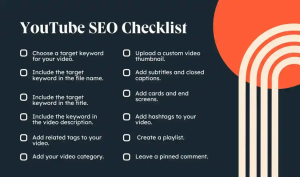
Good YouTube SEO starts at the point of content creation. To have videos that rank, you need to have a plan. As you begin creating more SEO-conscious content, use these YouTube SEO tips to get ahead:
1. Select the Right Video Type
Choosing the video format is an important strategy. This decision influences how users behave and how the platform categorises and ranks videos. YouTube analyses the performance of its different formats to show viewers the best-matched content based on their habits/behaviours. Therefore, the type of video you choose impacts your ranking in YouTube SEO.
It is an important factor to consider because when the content format matches the viewer’s intention to view, they are more likely to see it from beginning to end. Better completion rates and higher CTRs help to improve YouTube SEO performance.
How to approach it strategically:
- Landscape audit: Examine top-ranking videos in your niche to identify format trends.
- Gap-led ideation: Find what audiences are not getting i.e., depth, examples, pacing, or clarity.
- Format selection based on intent:
- How-to videos: ideal for process-driven searches
- Explainer videos: best for conceptual understanding
- Reviews/Comparisons: high intent, decision-driven queries
- Lists/Guides: structured learning, strong retention potential
- Edutainment hybrids: balanced engagement + information density
2. Optimise Video Length with Purpose
Video duration determines how long a platform session lasts. The longer a viewer watches a video on YouTube, the more relevant that video is in terms of YouTube’s Search Engine Optimization. Since video length gives creators the ability to clearly explain their subject matter to their audience without feeling rushed, it gives them more opportunity to share actual experiences, and establish themselves as credible sources of information , which viewers value.
How to execute it well:
- Allow value to determine duration, not arbitrary stretching.
- Reset viewer attention using:
- chapter shifts
- visual changes
- narrative hooks
- section previews
- Keep pacing tight and insight-led.
3. Increase Watch Time by Distributing Value
YouTube SEO will reward videos that keep their viewership engaged throughout the entire video. This practice considers audience psychology, which provides viewers with ongoing learning experiences and maintains their interest in the subject matter while providing rewards for watching the entire video without quitting prior.
Thus, higher levels of viewer retention will lead to increased potential for better YouTube SEO results.
Retention engineering without clickbait:
- Reveal insights progressively.
- Place mini-payoffs before major topic transitions.
- Introduce segment teasers like: “Next, we break down how tags influence indexing this alone can change your impression rate.”
4. Improve Accessibility to Increase Indexing and Completion
Adding subtitles or transcript files for videos allows users to consume videos in environments where they may not be able to hear or access audio. Video subtitles provide Google with additional content as well.
How to apply it properly:
- Upload accurate SRT caption files
- Avoid auto-generated captions for technical or educational content unless edited manually.
- Add on-screen text sparingly for emphasis:
- statistics
- key frameworks
- definitions
- exam patterns (as in your NEET and CAT blogs previously)
5. Use YouTube Tags as Classification Signals (Not Hashtag Clutter)
Tags helps YouTube to place videos into specific categories (Intent clusters). Tagging is useful for classifying videos; it is an indexing mechanism. The more accurately you tag your videos, the fewer irrelevant impressions will occur, therefore improving your CTR (Click Through Rate) and helping your YouTube SEO efforts.
How to tag for YouTube SEO effectively:
- Include:
- Primary topic tag (YouTube SEO)
- Long-tail intent variations
- Topic clusters
- Avoid celebrity names or unrelated trend tags
Example of strong tag cluster:
- YouTube SEO
- How to optimise YouTube videos
- YouTube ranking strategy
- YouTube metadata optimisation
- Video visibility growth
- Best YouTube SEO tools
6. Conduct Keyword Research Using YouTube SEO Tools and Native Platform Signals
Keywords define search clusters. By targeting the right keywords, you are ultimately able to provide the best search result for your customers. Matching your content to the words that users use when they search is the most natural way to rank videos on YouTube (SEO).
Core sources for YouTube SEO keyword discovery:
- YouTube autocomplete
- Competitor title scans
- Google Trends
- TubeBuddy keyword explorer
- VidIQ keyword analytics
- Ahrefs YouTube keyword tool
- Morningfame insights
- Keywords Everywhere browser plugin
- YouTube Analytics → referral keyword mining
7. Title Optimisation: Curiosity + Honesty + Search Intent Alignment
Titles influence both CTR and indexing. A title must invite clicks but deliver truth. It reduces ambiguity and increases trust. Trust increases completion, completion improves YouTube SEO.
Title checklist for YouTube SEO:
- Include keyword naturally
- Stay under 70 characters
- Reflect content honestly
- Avoid exaggeration
- Sound human, not templated
Example: YouTube SEO Tips 2026: How to Rank Videos Faster and Boost Organic Reach
8. Optimise the Video File Name Before Upload
The algorithm reads file names during indexing. It is a silent signal that improves topic relevance.
How to approach it:
Rename uploads from:
final_edit_03.mp4
to:
youtube-seo-tips-2026.mp4
9. Description Engineering for YouTube SEO (Readable, Structured, Under 5,000 Characters)
The description is your algorithmic briefing note. It should be written for users first, machines second. The structured description allows users to analyze the video, choose to watch another video, and move on. This also helps improve YouTube SEO.
Structure for YouTube SEO descriptions:
Above the fold (first 2 lines):
- Include keyword once
- Summarise value clearly
Below the fold:
- CTA
- Links to 2 related videos
- Timestamps or chapters
- social + website links
- 3–5 hashtags max
Example structure:
YouTube SEO Tips 2026 to help creators rank videos, improve visibility, and increase organic reach using data-led optimisation strategies and YouTube SEO tools.
Timestamps:
00:00 – Introduction
00:45 – Keyword research strategy
02:10 – Title + file name optimisation
04:30 – Tags and indexing clusters
06:50 – Retention and watch time signals
09:10 – Thumbnail psychology and CTR
12:00 – Playlist and channel authority
14:40 – Analytics refinement
16:00 – Final takeaway
More from this channel:
Video 1: How to Optimise YouTube Titles for CTR
Video 2: Best YouTube SEO Tools Compared
Connect with us:
- Website: organisation link
- LinkedIn: organisation link
- Instagram: organisation link
- Twitter: organisation link
- Facebook: organisation link
Hashtags:
#YouTubeSEO #VideoRanking #YouTubeAlgorithm
10. Thumbnail Design for CTR + Retention (A Core YouTube SEO Lever)
CTR begins with the thumbnail. A video that is not clicked cannot rank. Thus, Thumbnails set expectations. When expectations match reality, retention increases, which strengthens YouTube SEO.
Thumbnail rules for YouTube SEO:
- 1280 x 720 px
- High resolution
- Frame extracted from video
- Minimal bold text overlay
- Match title visually
11. Cards and End Screens for Session Continuation
By continuously keeping your viewers engaged in your content through these features, you’re also allowing them to seamlessly get relevant and complete information from you without needing to search for more. This drives higher viewer satisfaction and better SEO performance on YouTube.
Use the 1 Video | 1 Subscribe | 1 Link model:
- Video → Best for viewer
- Subscribe → auto-set
- Link → relevant blog/product/resource page
12. Channel Structure and Playlist Clustering for Authority
As you know, your YouTube channel is your video library. Creating playlists stimulates binge viewership, which increases overall watch times on YouTube and is an important factor when it comes to YouTube search engine optimization.
How to structure playlists for YouTube SEO:
- YouTube SEO for Beginners
- Best YouTube SEO Tools 2026
- YouTube Ranking Strategy & Algorithm Insights
- How to Optimise YouTube Videos for Organic Reach
13. Engagement Signals That Support YouTube SEO
Engagement validates relevance. Engagement such as liking, commenting, sharing, saving and completing/viewing to completion are strong signs to YouTube that your videos are valuable to the audience. This will lead YouTube to recommend them. Higher engagement rates correlate with improved rank and impressions, increased click-through rates (CTR), and enhanced authority on a specific topic.
Engagement includes:
- Likes
- Comments
- Shares
- Saves
- Subscriptions
- CTR
- Watch-through completion
How to encourage it without sounding forced:
- Ask segment-led questions
- Reply to early comments
- Pin helpful responses
14. Analytics Monitoring and Refinement Cycle
YouTube SEO is cyclical, not static. Regularly reviewing metrics like watch time, retention, CTR, traffic sources, audience behaviour, and keyword performance helps you identify gaps and optimise content strategy, titles, thumbnails, descriptions, and posting schedules for continuous growth and improved search visibility.
Metrics to track:
- CTR
- average view duration
- retention graphs
- traffic sources
- referral keywords
- subscriber growth per video



Wrapping Up
SEO on YouTube is not just recommended, it is also a vital component to a channel’s growth for as long as the creator is in business. As creators upload thousands of videos per day, your content will only get discovered if it meets both the YouTube algorithm and audience needs. From using keyword research to analysing thumbnail images, tags, retention, and AI citations, every signal feeds into the cycle of analyse, refine, optimise , and repeat.
If you want to learn these marketing tactics the right way, without guesswork, Jaro Education can be your roadmap. Our online courses focus on real-world applications using proven modern strategies, practical training, and insights into market-leading tools, including YouTube SEO tools, AI-based search patterns, and audience engagement techniques.
With Jaro, you learn not only how to market, but also how to measure your efforts and grow as an online creator; thus, giving smart creators the ability to become unstoppable.
Frequently Asked Questions
AI is now a major part of YouTube’s ranking system. It studies viewer behaviour, understands video content, and can even show your videos as sources in Google’s AI Overviews. So, tracking not just rankings but also AI citations is important, and tools like BrightEdge can help monitor this over time.

Related Courses
Explore our programs
 Admission Open
 Admission Open
 Admission Open
 Admission Open
Find a Program made just for YOU
We'll help you find the right fit for your solution. Let's get you connected with the perfect solution.
Is Your Upskilling Effort worth it?
 ROI Calculator

Are Your Skills Meeting Job Demands?
Try our Skill Gap tool
Experience Lifelong Learning and Connect with Like-minded Professionals
Explore Jaro Connect

