
What is Value Chain Management & its Vital Benefits
 April 10, 2025
 5 min read




Table Of Content
- Define Value Chain Management
- Key Components of Value Chain Management
- Value Chain in Supply Chain Management
- Benefits of Value Chain Management
Value Chain Management (VCM) is a crucial process companies employ to regulate and enhance their operational activities effectively. Implementing Value Chain Management offers numerous advantages, including increased efficiency and cost reduction. The value chain is the backbone of any business, acting as the essential component ensuring smooth functioning. Therefore, companies must distinguish between favourable and unfavourable value chains.
 ChatGPT
 Perplexity
 Claude
 Grok
GrokDefine Value Chain Management
Key Components of Value Chain Management
- Ensuring that products meet the company’s set standards is an important aspect of quality control during the evaluation process.
- The transfer of goods from the manufacturer to the buyer is referred to as the distribution process.
- Production involves the transformation of raw materials into finished goods.
- Determining the cost of manufacturing to establish the pricing of the final products.
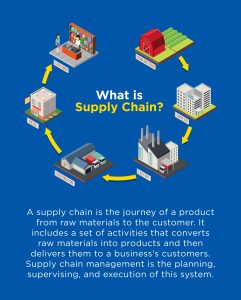
Value Chain in Supply Chain Management
*Pack & Send
Benefits of Value Chain Management
1. Enhanced Efficiency and Cost Reduction
Value chain management enables companies to streamline operations, identify inefficiencies, and eliminate unnecessary costs. By mapping out the entire value chain, businesses gain a comprehensive understanding of each process and can identify areas for improvement. This leads to enhanced efficiency, reduced waste, and cost savings.
2. Improved Collaboration and Communication
Collaboration and communication are fostered by value chain management among different departments and stakeholders within a company. By breaking down silos and encouraging cross-functional teamwork, organisations can improve information sharing, decision-making, and problem-solving. This collaborative approach helps to align everyone towards common goals and ensures a smooth flow of activities throughout the value chain.
3. Enhanced Quality Control
Maintaining consistent quality is crucial for customer satisfaction and loyalty. Value chain management enables companies to implement robust quality control measures at every value chain stage. By closely monitoring and managing each process, businesses can identify potential quality issues early on and take corrective actions. This ensures that the final product or service meets or exceeds customer expectations.
4. Increased Flexibility and Responsiveness
In today’s dynamic business environment, companies must be agile and responsive to changing market demands. Value chain management provides the necessary flexibility to adapt quickly and effectively. By having a clear understanding of the value chain, businesses can identify bottlenecks, adjust processes, and reallocate resources as needed. This allows companies to respond swiftly to market changes, stay ahead of competitors, and capitalise on emerging opportunities.
5. Enhanced Customer Satisfaction
Value chain management focuses on delivering value to customers by meeting their needs and expectations. By optimising the value chain, companies can improve product quality, reduce lead times, and enhance customer service. This leads to increased customer satisfaction, loyalty, and positive word-of-mouth conversions, crucial for long-term business success.
*Zendesk
6. Effective Risk Management
Every business faces various risks, including supply chain disruptions, market volatility, and regulatory changes. Value chain management allows companies to proactively identify and mitigate these risks. By having a comprehensive view of the value chain, businesses can develop contingency plans, diversify suppliers, and implement robust risk management strategies. This minimises the impact of potential disruptions and ensures continuity of operations.
7. Increased Competitive Advantage
When seeking a significant competitive advantage for companies, value chain management helps embrace it. By optimising processes, reducing costs, improving quality, and enhancing customer satisfaction, businesses can differentiate themselves from competitors. A well-managed value chain enables companies to offer better products or services at competitive prices, which helps to attract and retain customers in a cut-throat marketplace.
8. Increased Innovation and Creativity
Value chain management encourages a culture of innovation and continuous improvement within organisations. By analysing each process in the value chain, companies can identify areas for innovation and develop creative solutions. This mindset fosters a culture of learning, experimentation, and adaptability, which drives business growth and helps companies stay ahead in today’s rapidly evolving marketplace.
9. Strengthened Supplier and Partner Relationships
Successful value chain management relies on strong relationships with suppliers, partners, and other stakeholders. By collaborating closely with key partners, businesses can create mutually beneficial arrangements, like strategic alliances or long-term contracts. These partnerships enable companies to accelerate the entire value chain, from procurement to distribution, and create a competitive edge through shared resources and expertise.
Long-Term Sustainability and Social Responsibility
Final Thoughts
Value Chain Management is a strategic approach that enables organisations to reform their operations, enhance efficiency, and achieve a competitive advantage. By effectively managing their value creation and delivery processes, organisations can improve productivity, reduce costs, and deliver superior customer value.
Gain a comprehensive understanding of Value Chain Management by enrolling in the IMT Ghaziabad- Executive Program in Business Management in association with Jaro Education. This business management course provides practical sessions conducted by industry experts, allowing you to acquire valuable skills in the field. Indulge in peer networking across sectors and develop effective leadership skills with this prestigious program.
Frequently Asked Questions
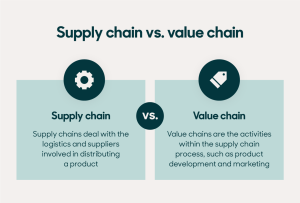
Value chain management refers to managing activities that add value to a product or service. It, therefore, becomes an indispensable part of enhancing efficiency in the value chain regarding the management of the supply chain. Value chain management in supply chain focuses on process optimization, cost reduction, and customer satisfaction improvement along the whole value chain.
Find a Program made just for YOU
We'll help you find the right fit for your solution. Let's get you connected with the perfect solution.
Is Your Upskilling Effort worth it?
 ROI Calculator

Are Your Skills Meeting Job Demands?
Try our Skill Gap tool
Experience Lifelong Learning and Connect with Like-minded Professionals
Explore Jaro Connect

