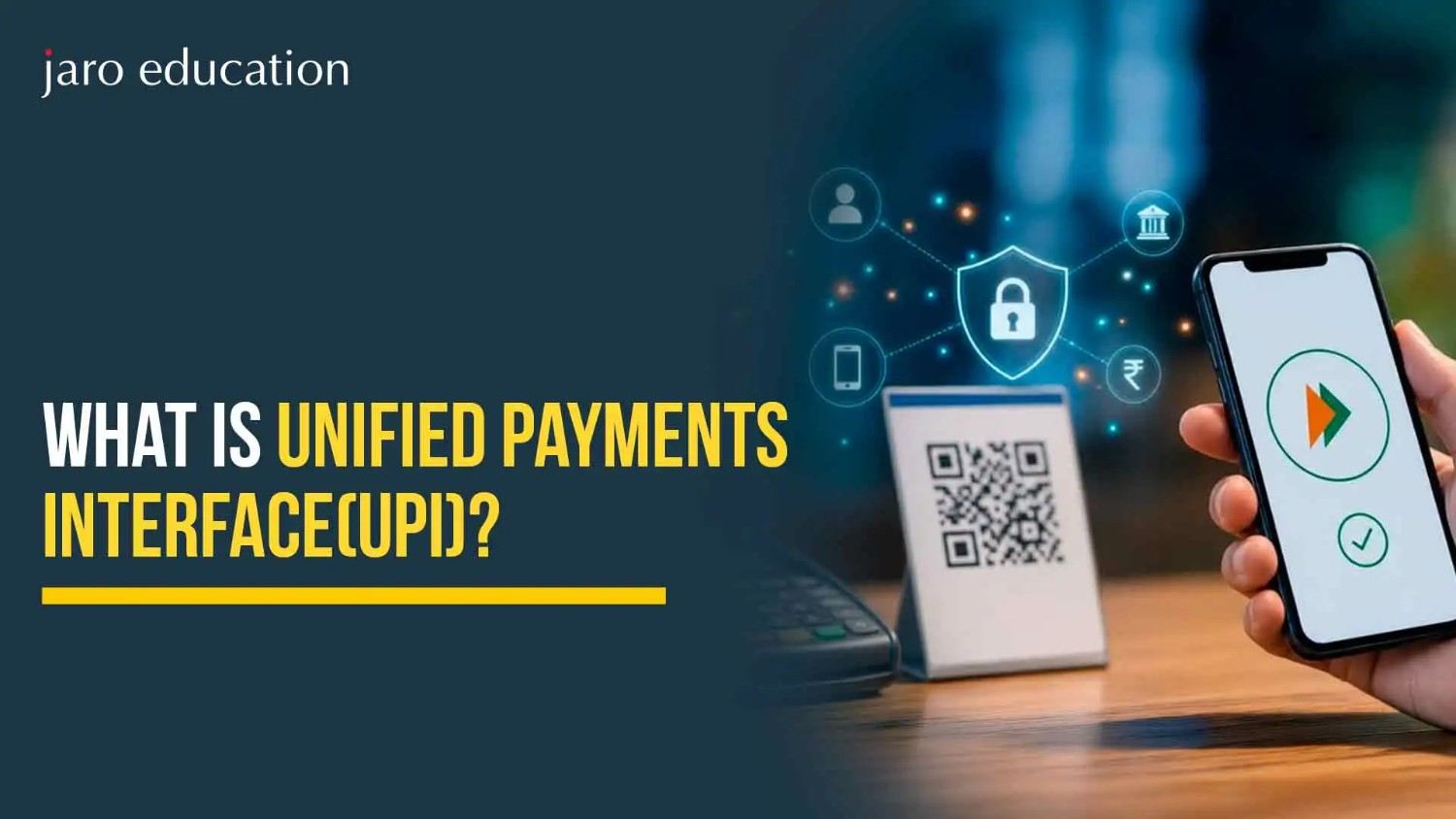
UPI (Unified Payments Interface) is a real-time payment system built by NPCI that lets you move money between bank accounts instantly using a mobile app, a UPI ID or a QR code.
The standard UPI limit is ₹1 lakh per transaction, and person-to-person transfers are capped at ₹1 lakh per day. Verified merchants in categories such as insurance, capital markets and travel can accept up to ₹5 lakh per transaction.
Only RuPay credit cards can be linked to UPI, and only for payments to merchants. Visa, Mastercard and Amex cards cannot be linked, and person-to-person transfers are not allowed.
A UPI payment receipt is available in your payment app's history and carries the transaction ID or UTR, which you need for refunds, disputes and records.
Most UPI problems, such as failed payments or wrong limits, have simple fixes, and never sharing your UPI PIN prevents most fraud.
In this blog, you'll learn how UPI works, current limits, how to use a credit card on UPI, how to find a receipt, safety tips and career scope in payments.
A decade ago, paying a friend meant cash, a cheque or a long bank transfer form. Today, most people in India scan a QR code, enter a PIN and the money moves in seconds. That shift is powered by UPI, which has become the default way to pay for everything from tea to tax.
This guide explains what UPI payment is, how UPI payments work and what the current UPI payment limit is. It also shows how to use a credit card for UPI payment, how to get a UPI payment receipt and how to stay safe.
UPI is an instant, real-time payment system developed by the National Payments Corporation of India (NPCI) and regulated within the framework set by the Reserve Bank of India. It lets you send and receive money directly between bank accounts using a smartphone, without entering the receiver’s account number and IFSC code each time.
If you are asking “what is UPI payment” in simple terms: it is a way to pay using a UPI ID (such as name@bank), a mobile number, a QR code or a payment link, with the money moving from your bank account to the receiver’s account within seconds. Payments run 24 hours a day, every day, including holidays. UPI is also a key part of India’s fintech story, which our guides on what fintech is and the impact of fintech in India explain in more depth.
Download a UPI-enabled app, such as BHIM, Google Pay, PhonePe, Paytm or your bank’s own app. Register with the mobile number linked to your bank account. Select your bank and link your account. Create a UPI ID, which the app often generates for you. Set a UPI PIN using your debit card details or Aadhaar-based verification, as your bank allows.
Making a Payment
Choose how to pay: scan a QR code, enter a UPI ID or mobile number, or select a contact. Enter the amount, check the receiver’s name shown on screen, and confirm with your UPI PIN. Your PIN is the key to your money, so never share it with anyone.
Behind the scenes, your app sends the request through NPCI’s system to your bank, which debits your account, and to the receiver’s bank, which credits it. The confirmation appears on both phones. To see how this fits into the wider system, read about the Indian banking system.
Types of UPI Payments
Person-to-person (P2P): sending money to friends and family. Person-to-merchant (P2M): paying shops, apps and online merchants. QR code payments: scanning a static or dynamic merchant QR code. UPI AutoPay: recurring payments such as subscriptions and bill payments. UPI Lite: a simpler way to make small-value payments. UPI on feature phones: services that let basic phones use UPI. UPI on RuPay credit cards: merchant payments from a credit limit, explained below.
India’s digital rupee pilot sits alongside UPI as a different kind of digital money, which our article on the digital rupee covers.
Free Courses
Stakeholder Communication & Negotiation Skill Sets
The UPI payment limit is one of the most searched questions, and it has changed recently. The core rule is that the standard limit is ₹1 lakh per transaction. NPCI raised limits for certain categories from 15 September 2025, as reported by All India Radio.
Type of payment
Per transaction
Daily limit
Person-to-person (P2P)
Up to ₹1 lakh
₹1 lakh
Capital markets and insurance (verified merchants)
Up to ₹5 lakh
₹10 lakh
Travel, Government e-Marketplace and collections
Up to ₹5 lakh
₹10 lakh
Credit card bill payments
Up to ₹5 lakh
₹6 lakh
Other P2M payments
Usually up to ₹1 lakh
Depends on your bank and app
Keep these points in mind:
The higher limits apply only to verified merchants in the specified categories.
Your bank and UPI app can set lower limits than NPCI’s, and limits may be lower for new users or newly set-up accounts.
Limits can change, so check the NPCI circular or your bank before planning a large payment.
If a payment is declined for exceeding the limit, split it across days, use another method such as NEFT or RTGS, or check whether the merchant is eligible for the higher limit. Regulatory changes affect payments often, so our guide to recent RBI rules is worth following.
How to Use a Credit Card for UPI Payment
Many people want to use a credit card for UPI payment to earn rewards or defer payment. Here is what is currently possible.
Only RuPay credit cards work. According to the NPCI FAQ on RuPay credit cards on UPI, only payments to merchants are allowed from a credit card linked to UPI. SBI Card’s FAQ also confirms that only RuPay credit cards can be linked, so Visa, Mastercard and Amex cards cannot.
Steps to Link a RuPay Credit Card to UPI
Open a UPI app that supports credit cards. Choose the option to add a RuPay credit card. Select your card issuer, and the app finds cards linked to your mobile number. Enter the card details requested, such as the last digits and expiry date. Verify with the OTP and set a UPI PIN for the card, ideally different from other PINs.
Paying with Your Linked Card
Scan a merchant’s UPI QR code or choose UPI at an online checkout, select your credit card as the payment source and enter your card’s UPI PIN. Remember:
You cannot send money to individuals or withdraw cash with a credit card on UPI. The merchant must accept RuPay credit card payments on UPI. Your issuer may limit certain categories. Check your available limit and bill due date, since this is credit you must repay.
UPI Payment Receipt: How to Get and Use It
A UPI payment receipt is proof that a payment was made. You may need it for expense claims, refunds, disputes or tax records.
Where to Find It
In your UPI app: open the payment history, select the transaction and look for options such as share receipt, download or screenshot. In your bank’s SMS or app: your bank usually sends a debit alert and lists the transaction in your statement. From the merchant: online merchants typically send an order confirmation or invoice by email.
What It Usually Contains
Amount paid and the date and time Status, such as successful, pending or failed Payer and payee names or UPI IDs Transaction ID, UPI reference number or UTR number The bank account used
Layouts differ across apps, but the transaction ID or UTR number is the most important detail. Save it if you need to raise a complaint or ask for a refund. Keeping clear records of payments also supports good money habits, which our guides on personal finance explore.
Benefits of UPI
Instant and always available: payments settle in seconds at any hour.
Convenient: one app can link several bank accounts.
Low friction: no need to carry cash or enter lengthy account details.
Wide acceptance: from street vendors to large online platforms.
Better records: every payment is logged for budgeting.
It usually reverses automatically. If not, raise a complaint with your UPI app and bank with the transaction ID
Payment pending
Wait and check your history. Do not pay again until it shows failed or successful
Limit exceeded
Wait for the daily limit to reset, or use another method
Wrong UPI ID entered
Contact your bank immediately, though recovery depends on the receiver
Cannot link card
Check that it is a RuPay credit card and that your mobile number matches the issuer’s records
Career Scope in UPI and Digital Payments
Digital payments are one of the fastest-growing areas of finance and technology, and they come with regulatory questions covered in our guide to fintech regulatory challenges and opportunities.
UPI has made payments instant, simple and nearly universal. Know your limits, use a RuPay credit card only for merchant payments, save the transaction ID for every important payment and guard your PIN. Rules and limits evolve, so check NPCI or your bank for the latest.
If you want to understand the technology and strategy behind payments, the IIM Nagpur Post Graduate Certificate Programme in FinTech, AI in Finance and Risk Management is a one-year programme for graduates with at least three years of experience. Its curriculum includes UPI architecture and digital payment infrastructure, along with AI in finance, fintech regulation and risk management. Check the programme page for current batch details.
Frequently Asked Questions
UPI payment is an instant bank-to-bank transfer made through a mobile app using a UPI ID, mobile number or QR code, built by NPCI and available 24×7.
The standard limit is ₹1 lakh per transaction, and person-to-person transfers are capped at ₹1 lakh per day. Some verified merchant categories allow up to ₹5 lakh per transaction and ₹10 lakh per day. Banks and apps may set lower limits.
Yes, but only a RuPay credit card, and only for merchant payments. Visa, Mastercard and Amex cards cannot be linked, and you cannot send money to individuals.
Open a supporting UPI app, choose to add a RuPay credit card, select your issuer, enter the card details, verify with the OTP and set a UPI PIN for the card.
Open the transaction in your UPI app’s payment history and use the share or download option. You can also check your bank’s SMS alert, statement or the merchant’s confirmation.
The UTR, or unique transaction reference, is the reference number that identifies a payment. You need it when raising a complaint or requesting a refund.
UPI is secure when used correctly. Never share your PIN or OTP, verify the receiver’s name, use official apps and report fraud immediately.
Wait for the automatic reversal. If it does not arrive, raise a complaint with your UPI app and bank using the transaction ID and attach the receipt.
Arif Siddiqui
Head of Accounting and Treasury
Arif Siddiqui is a finance leader specializing in accounting, treasury, and financial strategy. As Head of Finance at Generali Employee Benefits, he brings extensive experience in managing global financial operations. He is known for driving financial efficiency and governance across organizations. His leadership supports sustainable business growth and financial excellence.
Get Free Upskilling Guidance
Fill in the details for a free consultation
Related Courses
Explore our programs
Post Graduate Certificate Programme in FinTech, AI in Finance, and Risk Management

 October 23, 2026
 7 min read




 Key Insights
 ChatGPT
 Perplexity
 Claude
 Grok











 ROI Calculator