Do you know who makes sure that the apps you love don't crash, or that the online purchases you make go through without a hitch? It’s the software testing profession that makes every bug-free, seamless experience possible. Software testers are the quality protectors of ours and everybody's digital life and they want to make sure just one more time that every line of code functions properly.
If you're technologically inclined and a problem-solving, then a software testing career may be a perfect fit for you! Whether you're a student exploring careers, or a professional eager to change fields to tech, the first step towards a new and in-demand career as a software tester is knowing how to become a software tester.
In this guide, we will cover everything you need (and more), from the essential skills, courses, and career paths you can achieve to the steps to become a professional software tester.
The responsibilities of a software tester extend beyond identifying bugs. They are expected to check that each software application functions as it was designed and developed with no errors, security holes or performance problems. Before a product is delivered, they are tasked with ensuring the software is of quality, usability, and stability.What is their goal? To ensure a good experience for end-users and for companies to avoid expensive post-release fixes and damage to reputation due to software bugs.
Software testers work closely with software developers, designers, and project managers during the software development life cycle. They do not test features arbitrarily; every action is driven by a test plan, established objectives and performance measures.
Here is what their daily job responsibilities typically involve:
1. Identifying Bugs and Defects
Testers have the responsibility of thoroughly examining the software to identify bugs, crashes, and logical errors. Each bug is documented in detail so that developers can understand and address the issue.
2. Functional Testing
Using test cases and test scripts, testers navigate through all of the features in the software to ensure the functions perform as described in the requirements document. Testers are involved in both manual testing (testing executed by hand) and automation testing (testing executed using tools and scripts).
3. Software Reliability Testing
Testers will conduct a variety of tests under varied situations to validate the reliability, performance, and availability of the software. Testers will provide input and reports to developers that will help developers optimize and tune the system.
4. Additional Duties
Testers are responsible for developing and maintaining test documentation, including but not limited to test plans, test scenarios, and test scripts.
Establishing realistic test environments that emulate how a user will use the product.
Collaborating with developers, product owners, and analysts to clarify requirements.
Summarizing and/or providing reports on results in a format that non-technical stakeholders can easily consume.
Learning about the latest tools and industry approaches to testing.
Software Testing Essential Skills
*qltech.com.au
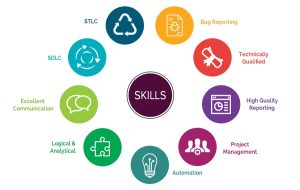
To succeed in this field, you will have to do more than just understanding technology. The most effective testers use a combination of logic, creativity, and communication to review complex systems and articulate their observations.
Below are the vital skills of all software testers:
1. Attention to Detail
Testing is something that requires focus and although a small based error, like a misplaced decimal or broken link, it may have a huge impact. Keen observers can help discovering these small errors as early as possible.
2. Analytical Thinking
You will have to think logically and identify the “why” of every issue. You will need strong analytical skills to understand root causes and propose potential issues.
3. Communication Skills
Whether the report of a bug to the technical development teams or you are presenting test results to non-technical teams, communication should always be evident. Strong communication skills show as a medium between the development team and business teams.
4. Test Planning and Preparation
Organising and creating thoroughly covered and planned tests saves time and allows for coverage on every single feature. Test planning can improve efficiency and ensure complete coverage of the application.
5. Problem Solving Capabilities
Testing requires not only identifying the issues, but also recommending remedial actions, or ways of avoiding the problem.
6. Tool and Technique Knowledge
Today’s testing requires knowledge of all sorts of tools and frameworks, including:
Manual Testing tools (for basic UI/UX testing)
Automation tools (like Selenium, TestNG, or Appium)
Bug Tracking tools (like JIRA or Bugzilla)
CI/CD Integration tools (like Jenkins or GitHub Actions)
Testers must find a balance on when and how to use effective tools in order to make testing as precise as possible.
7. Reporting and Documenting a Bug
Having documentation to present to the developers or other stakeholders is an important part of software testing. Including the steps to reproduce the bug, screenshots of the bug and logs that contain output that contributed to the resolution (in order to reproduce and/or verify the fix) is ideal.
8. Project and Time Management
Software testing can also be time sensitive. Properly managing everything while providing effective and thorough results is considered the next hard/soft skill in software testing.
9. Flexibility and a Willingness to Learn
With how fast technology evolves, possessing the readiness to learn new frameworks, automation tools, and methodologies (Agile, DevOps) gives testers the chance to learn ahead while having a relevant tool set.
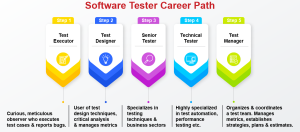
Once you gain knowledge and experience, you can either specialise or move up the professional ladder into various types of work.
The following are the most promising software tester job for fresher and experienced professionals:
1. Junior Software Tester
This is where most freshers begin. You will work with more experienced testers to execute test cases, logging defects and maintaining documentation. This is the best position to understand the fundamentals and get some practical experience.
2. Infrastructure Vulnerability Lead
In this position, you will be looking to identify and manage vulnerabilities in IT systems. You will work on the cybersecurity side of things such as identifying threats, managing risk, and developing prevention plans.
3. Performance Tester
Performance testers generally test how an application will behave with different workloads. This includes working with speed, response time, and scaling. You will conduct load tests, stress tests, and endurance tests to confirm reliability under pressure.
4. Senior Software Development Engineer in Test (SDET)
SDETs combine both software development and testing. They are responsible for developing automation frameworks and building automation tools. They also work to bridge the gap between developers and testing teams, to make testing much faster and easier.
5. QA Architect
At the top of the testing career ladder, QA Architects design large-scale quality assurance strategies for organizations. They define standards, tools, and processes to ensure consistent product quality across teams.
Each of these roles offers steady growth, technical depth, and rewarding salaries, especially as you move into automation and architectural domains.
Why Choose a Career in Software Testing?
If you’re still not sure, allow us to explain why becoming a software tester is one of the best career choices in tech.
1. Reliable Job Stability and Demand
Software testing is not a dead skill; it is a growing demand. The U.S. Bureau of Labor Statistics remains optimistic for QA and testing jobs with a projected increase of 17% between 2023-2033. As industries continue to increase reliance on software systems and processes, the demand for software testers will only grow.
2. Work-from-Anywhere Dependability
One of the best benefits to this career is dependability. Many companies now offer remote or hybrid work environments, meaning testers can work from anywhere while working with teams online from all over the world!
The opportunities for remote roles as a manual tester, QA engineer, or automation specialist are easy to find. All you need is a laptop and internet connection!
3. Help Contribute to Product Success of Others
Testers are the last line of defense that helps to ensure software is ready to be used by the end user. These gatekeepers play the most significant role in ensuring user satisfaction, brand reputation, and even company revenue. Put simply, they help protect the user and the business.
4. Attractive and Competitive Salaries
A Software tester salary is impressive, especially as you gain expertise.
Experience Level
Average Annual Salary (India)
Global Average
Fresher / Entry Level
₹3–₹5 LPA
$60,000–$75,000
Mid-Level Tester
₹6–₹10 LPA
$90,000–$110,000
Automation Engineer
₹10–₹15 LPA
$120,000+
QA Architect / Lead
₹18–₹25 LPA
$140,000+
5. Clear and Varied Career Paths
From entry-level testing to senior QA and more advanced management positions, career progression is clear and attainable. You can even flow into a business analysis, development or project management role, all because you possess an understanding of the software systems.
So, what is the best way to get started? Let’s review the practical steps to get on the path to become a software tester.
Step 1: Learn the Basics
Start with an overview of the basics of testing. No need to have a background in technology, just the desire to learn and commitment.
Topics to Learn:
Manual vs. Automation Testing Regression,
Integration and Performance
Testing Bug Life Cycle and Test Case
Design Testing Tools: Selenium, JIRA, and TestRail
There are online courses and certification programmes to start with. Use what you learn and practice because this is the most effective way to remember information.
Step 2: Get a Certification
Certifications help what you can do and add credibility to your abilities. They also hone your knowledge of testing foundations. Following a certification, you are more likely to be considered for an interview. Add to your resume and earning potential. It will help keep you updated on guidelines and industry standards.
Step 3: Search for Employment
Now that you have established foundational skills and have received a certification, it is time to start searching for work.
Job Search Tips:
Put together a software tester resume that highlights what skills you have learned, the certifications that you have earned, and any projects you have done in software testing.
Make sure to mention any internships, personal projects, or contributions you’ve made using open source software.
Join QA communities on LinkedIn or Reddit, where you can connect with other professionals and learn more!
Prepare for interviews by practicing common QA questions and questions that apply to real-world scenarios.
Step 4: Get Some Hands-on Experience
If you are a fresher, consider doing an internship or beginning as a software tester that is full-time. You can also participate in beta testing programs, contribute to an open source software project, or volunteer to work on a small project.
The more you are exposed to actual testing situations, the more effective you will be at patterns and determining how to solve a problem.
Step 5: Continue to Learn and Upskill
Testing is evolving very quickly, and continuing to overcome the gap with your upskilling will keep you relevant!
Things to consider learning:
Basic programming languages (Python, Java, and JavaScript) for starting with automation
Different automation frameworks (e.g., Selenium, Cypress, Appium)
Agile and DevOps principles
AI-based testing tools and continuous testing
Conclusion
Software testing has shifted from “support role” to one of the most essential roles in the technology ecosystem today. Testers not only find bugs; they also influence the quality, security, and performance of digital products that millions of people use.
The demand for testers to keep pace with the increasing complexity of software and optimizing businesses’ rapid development life cycle continues to grow. Embracing automation, testing, AI-driven testing, and new frameworks isn’t just advantageous, it’s essential if organizations want to be competitive.
Whether you are starting out or looking to advance in your QA career, there is no better time to get into the field. Develop skills, pursue certifications, and stay curious, the future of software quality depends on professionals like you.
To shorten your learning process, check out the Software Testing and Software Engineering online programs from Jaro Education. You will gain hands-on experience through expert mentorship and real-life projects; and eventually work to help you obtain one of the most sought-after titles in QA and development.
Take the first step toward becoming a certified software tester and build a career where precision, innovation, and curiosity all collide together to create the digital future.
Frequently Asked Questions
Though many organizations look for applicants with a bachelor’s degree in computer science, information technology or similar , many people enter software testing after completing certification or courses on Jaro Education. Analytical skills are important, and being able to apply basic programming concepts is very useful.
While it’s not a essential for manual testers to be advanced in a coding language, knowing even short bits of coding in languages such as Java, Python, or C# are helpful, especially in automation testing. This understanding will help testers create scripts more easily, have a better understanding of the tester’s logic, and better communicate with developers.
Software testers can advance from a junior QA role to a senior test engineer, then to test lead or QA manager, or even QA architect. As automation and DevOps become more common, this role also opens up options for the tester to work as an automation engineer, performance tester, or test consultant.
Software tester salary vary greatly in India, based on years of experience and skill sets. Freshers can earn ₹ 3–5 LPA, mid-level testers can earn ₹ 6–12 LPA, and testers with years of experience as automation testers or QA leads can earn ₹ 15 LPA or more, depending on their level of expertise and the company.
Shubham Lal
Lead Software Developer
Shubham Lal joined Microsoft in 2017 and brings 8 years of experience across Windows, Office 365, and Teams. He has mentored 5,000+ students, supported 15+ ed-techs, delivered 60+ keynotes including TEDx, and founded AI Linc, transforming learning in colleges and companies.
Get Free Upskilling Guidance
Fill in the details for a free consultation
Related Courses
Explore our programs
Advanced Professional Certification Programme in Data Science & Machine Learning
 HOME > BLOG > IT/Software Development > How to Become a Software Tester: Skills, Courses, and Career Path
 December 14, 2025
 10 min read





 ChatGPT
 Perplexity
 Claude
 Grok
Grok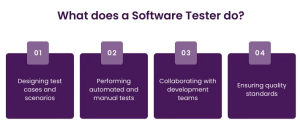 *theknowledgeacademy.com
 *qltech.com.au


 *credosystemz.com







 ROI Calculator