 HOME > BLOG > Data Science and BI Analytics > How is this Executive Program in Business Analytics different from the other programs of similar kind?
How is this Executive Program in Business Analytics different from the other programs of similar kind?
 April 11, 2025
 7 min read




Table Of Content
- What Should You Look for in a Business Analytics Course?
- How Is the Executive Programme in Business Analytics Different?
- Who Should Consider This Business Analytics Program?
- Final Takeaway
Choosing a business analytics course today is not simply about finding a programme that teaches Python, statistics or data visualisation. With multiple formats, certifications and specialisations available, professionals need to look beyond the syllabus and evaluate how effectively a programme connects technical learning with real business applications.
The Executive Programme in Business Analytics by Adani Institute of Digital Technology Management (AIDTM), offered through Jaro Education, takes an executive-learning approach to this requirement. The one-year programme combines live online learning, practical assignments, projects, industry expertise and a virtual capstone while being structured for working professionals.
But what actually makes it different from other business analytics programs available today? Find it out below!
 ChatGPT
 Perplexity
 Claude
 Grok
GrokWhat Should You Look for in a Business Analytics Course?
Before comparing programmes, it helps to understand what makes an analytics programme valuable for a professional.
A good business analytics course should ideally go beyond explaining analytical concepts. It should help learners understand how data can be interpreted, how analytical tools can be applied and, most importantly, how insights can support business decisions.
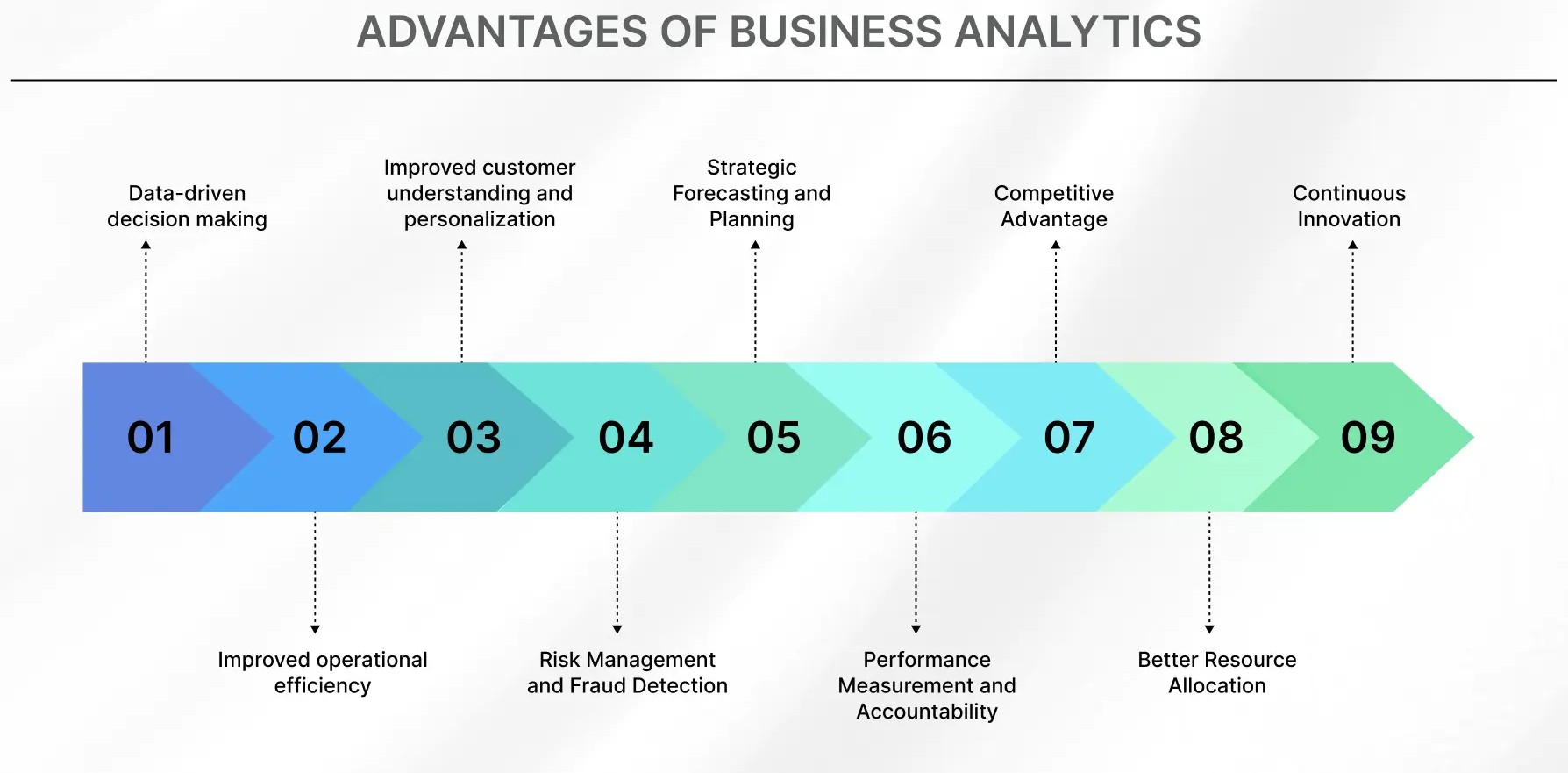
Here are some factors worth considering when evaluating different programmes:
- Practical exposure: Does the programme include assignments and projects rather than only lectures?
- Industry relevance: Are learners exposed to real business problems and industry perspectives?
- Technical breadth: Does the curriculum cover relevant analytics tools and technologies?
- Business application: Can learners connect analytical outputs with business decisions?
- Flexibility: Is the learning format manageable alongside a full-time job?
- Capstone experience: Is there an opportunity to apply multiple concepts to a larger project?
- Certification: Does the programme provide a formal certificate after successful completion?
Credit- analytixlabs.co.in
These criteria can help professionals distinguish between a short-term skills course and a more structured business analytics program designed around professional development.
How Is the Executive Programme in Business Analytics Different?
Here’s how this programme is particularly relevant for professionals who want a structured business analytics online course without stepping away from their current employment.
1. It Goes Beyond Classroom-Based Analytics Learning
One of the clearest differentiators is the emphasis on learning through application. The programme includes 150 hours of real-life assignments and projects, in addition to live learning. It also features a six-week virtual capstone project that can be undertaken with a participant’s current organisation or using synthetic data.
This distinction matters because analytics skills are built through practice. Knowing what a particular analytical technique does is different from knowing when to use it, how to interpret the output and how to translate the result into a business recommendation.
For professionals comparing business analytics certification courses, the project component can therefore be an important consideration. It adds an application layer to the learning experience instead of keeping the programme entirely lecture-oriented.
2. Designed Around the Needs of Working Professionals
Not every learner looking for a business analytics course is a full-time student. Many are already working and want to build analytics capabilities without putting their careers on hold.
This programme follows a one-year executive format with online live sessions. The scheduled Sunday sessions can make it easier for employed professionals to plan their learning alongside their work commitments.
The eligibility criteria also reflect its professional orientation. Applicants need a bachelor’s or master’s degree in engineering, technology, statistics, commerce, mathematics, science or an equivalent discipline, along with at least three years of work experience and current employment. Importantly, prior programming skills are not mandatory.
That last point can be particularly relevant for professionals moving towards analytics from business, commerce, operations or other functions.
3. A Curriculum That Connects Technical Skills With Business Problems
A common mistake when evaluating the best business analytics courses in India is to compare programmes only by the number of tools listed in their syllabus. Tools matter, but the broader learning framework matters too.
The AIDTM programme covers a combination of statistics, programming, visualisation, forecasting, big data, machine learning and business-oriented subjects. Its syllabus includes:
- Introduction to Business Analytics
- Statistics and Probability
- R Programming
- Python
- Power BI
- Business World Implementation Plan for Power BI
- Design Thinking
- Time Series Models in Business Forecasting and Spreadsheet
- Big Data Analytics
- Machine Learning
- Cybersecurity
- Virtual Capstone Project and Career Counselling Sessions
This combination gives learners exposure to different stages of an analytics workflow, from working with data and analytical tools to interpreting results and considering their business implications.
The programme’s stated learning outcomes also focus on developing data-driven skills, solving complex business problems using analytics and translating analytical outcomes into valuable courses of action.
For someone comparing a certificate program in business analytics with a broader executive programme, this distinction is worth examining. The question is not just whether a certificate is awarded, but what learners actually do during the programme.
4. Multiple Learning Modes Add Flexibility
Another factor that differentiates the programme is its combination of learning formats. Alongside 130+ hours of live online sessions, the programme provides 70 hours of optional campus classes at an additional cost or self-paced recorded videos. It also includes 10 hours of doubt-solving sessions.
This can be useful for professionals with different learning preferences. Some may benefit from live interaction, while others may need recorded material to revisit a topic after work. For learners specifically searching for a business analytics online course, this structure provides online access while retaining additional learning options.
The objective is not simply to make the programme available online. It is to create a learning structure that can accommodate professionals who may have different schedules and learning requirements.
5. Industry Experts Are Part of the Learning Experience
The value of an executive business analytics program also depends on who brings the concepts into the classroom. The programme is designed and delivered by industry and academic experts, with Subject Matter Experts from Adani Group and other industries included among its programme highlights.
The listed facilitators include faculty members from AIDTM as well as visiting faculty and professionals with industry and entrepreneurial experience. For professionals, exposure to different perspectives can make analytical concepts easier to connect with practical business situations. It can also add context to subjects that might otherwise feel heavily technical.
This is an important aspect to evaluate when comparing business analytics certification courses, especially if the goal is professional upskilling rather than simply completing a short online module.
6. The Six-Week Capstone Brings the Learning Together
A capstone can serve a different purpose from individual assignments. While individual exercises help learners understand specific concepts, a capstone gives them an opportunity to bring multiple skills together around a larger problem.
The AIDTM programme includes a six-week virtual capstone project, which can be completed with the participant’s current organisation or through synthetic data. This makes the capstone one of the more practical elements to consider when comparing a business analytics course with other programmes.
The objective is not simply to finish another academic project. It is to work through a business analytics problem and consider how the resulting insights can contribute to practical decision-making.
For a working professional, that application-oriented experience can be particularly relevant when evaluating how a business analytics online course fits into a broader career development plan.



Who Should Consider This Business Analytics Program?
The Executive Programme in Business Analytics can be relevant for professionals who want to develop stronger data-driven decision-making capabilities while continuing their employment.
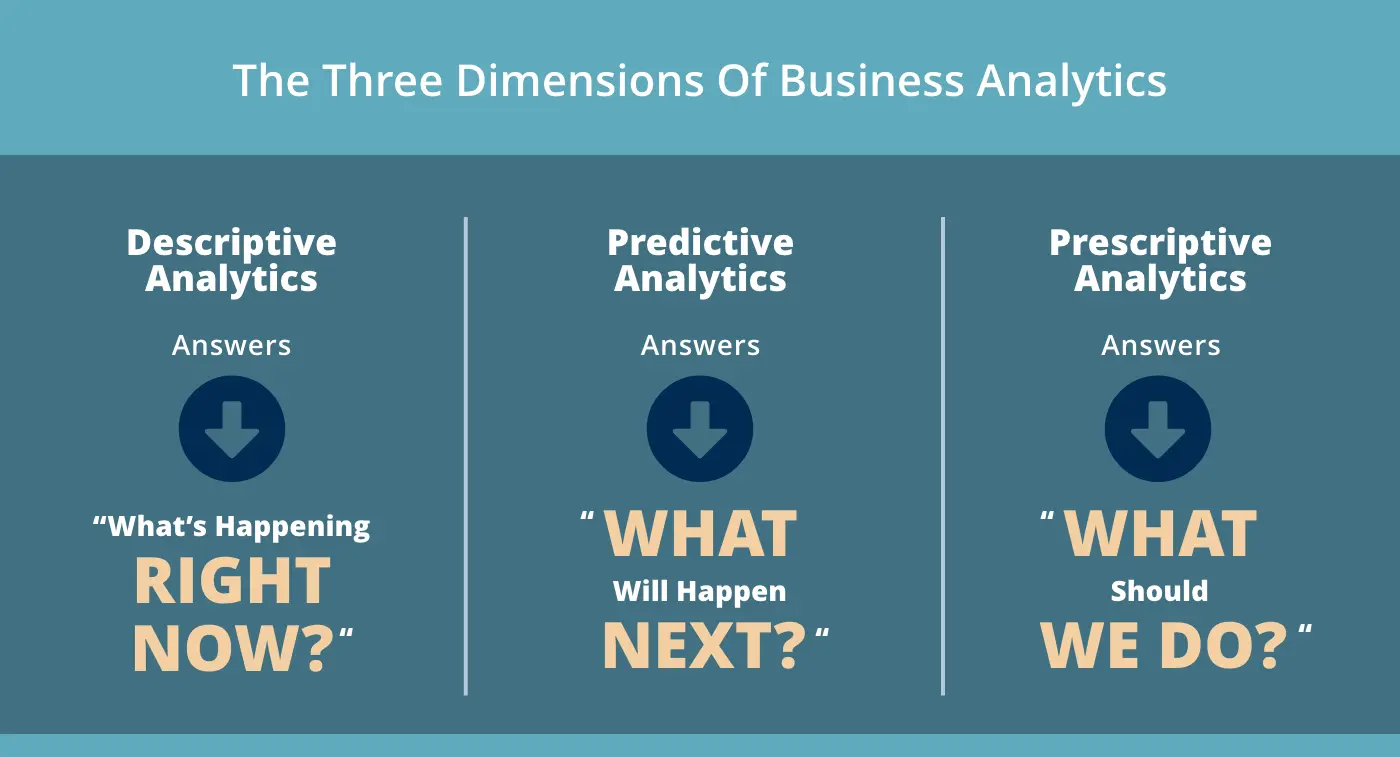
Credit: franklin.edu
It may be worth considering if you:
- Have at least three years of professional experience and are currently employed.
- Come from a background such as engineering, technology, statistics, commerce, mathematics, science or an equivalent discipline.
- Want to understand business analytics without requiring prior programming experience.
- Want structured exposure to Python, R, Power BI, statistics and other analytics concepts.
- Prefer live online learning over an entirely self-paced format.
- Want to work on assignments, projects and a capstone.
- Are looking to apply analytics to real-world business challenges.
The programme is particularly interesting for professionals who do not want their learning to stop at theoretical concepts. Its stated outcomes focus on identifying and solving complex business problems through analytics and converting analytical outcomes into actionable courses of action.
Final Takeaway
The growing number of business analytics certification courses gives professionals plenty of choice, but it also makes comparison more important. A programme should be evaluated not only by its title or certificate but by the quality of its curriculum, practical exposure, delivery format and relevance to real business problems.
The Executive Programme in Business Analytics by Adani Institute of Digital Technology Management, offered through Jaro Education, takes a structured executive-learning approach. With 360+ learning hours, live online sessions, practical assignments, a six-week capstone, industry experts and a curriculum spanning key analytics technologies, it is designed to help working professionals build and apply data-driven skills.
Frequently Asked Questions
Yes. An executive-format business analytics course can help working professionals develop analytics skills while continuing their jobs, particularly when it includes live sessions, practical projects and flexible learning options.
When comparing a business analytics course, look at its curriculum, practical projects, capstone experience, learning format, industry exposure, eligibility, certification and relevance to your career goals.




Find a Program made just for YOU
We'll help you find the right fit for your solution. Let's get you connected with the perfect solution.
Is Your Upskilling Effort worth it?
 ROI Calculator

Are Your Skills Meeting Job Demands?
Try our Skill Gap tool
Experience Lifelong Learning and Connect with Like-minded Professionals
Explore Jaro Connect
