
Viral Social Media Campaigns: Examples & Key Insights
 May 8, 2026
 11 min read




Table Of Content
- Best Social Media Campaigns & Examples That Went Viral
- Key Elements of a Viral Social Media Campaign
- How to Track and Measure Social Media Campaign Success
- Jaro Education: Upskill with Industry-Relevant Digital Marketing Programs
People don’t really “consume” content anymore. They tolerate most of it, skip through a lot of it, and occasionally stop when something feels oddly personal or unexpectedly clever. That pause is where a good social media campaign lives.
And if you look closely, the campaigns that go viral aren’t always the loudest or the most expensive. They just understand people better. What they want to share, what they want to say about themselves, and what makes them look interesting online.
This blog looks at some of the best social media campaigns that managed to do exactly that. Not just go viral, but stay relevant long enough to actually matter.
 ChatGPT
 Perplexity
 Claude
 Grok
GrokBest Social Media Campaigns & Examples That Went Viral
Some campaigns trend for a day. A few stick around for years. The difference usually comes down to whether the idea was built for the internet or just placed on it. Let’s break down the ones that got it right.
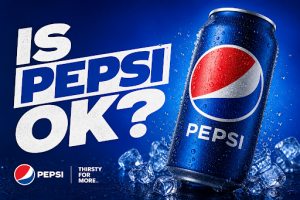
1. Pepsi – “Is Pepsi OK?”
Type: Meme-led positioning shift
Most brands spend years trying to avoid being the second choice. Pepsi turned that exact perception into the campaign.
“Is Pepsi OK?” is something people have heard in restaurants forever, and usually not in a flattering way. Instead of correcting it, Pepsi leaned into it, almost casually. The execution worked because it didn’t over-explain itself. A few sharp celebrity moments, a bit of humour, and suddenly the phrase stopped feeling like a downgrade.
What made this social media campaign travel was its honesty. It didn’t pretend to win the cola war. It just reframed the conversation. People shared it because it felt self-aware, not defensive. That distinction matters more than brands think.
From a business lens, it didn’t radically change market share overnight, but it did something more subtle. It made Pepsi culturally relevant again, especially among younger audiences who respond well to brands that don’t take themselves too seriously.
Takeaway: If a narrative already exists about your brand, fighting it is often weaker than redirecting it.
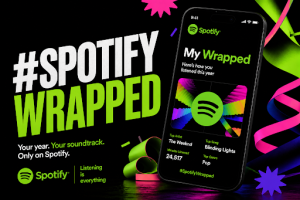
2. Spotify – #SpotifyWrapped (Annual Social Explosion)
Type: Data-driven UGC
Spotify doesn’t really “launch” this anymore. It just drops it, and the internet does the rest. That’s the interesting part. Wrapped works because it flips the idea of a social media campaign. Instead of pushing content out, it pulls people in by making them the story.
Everyone wants to see their own stats first. Then they want to show them off. Sometimes proudly, sometimes ironically. Either way, they post. And once a few posts go up, the rest follow. No paid push can replicate that kind of momentum.
Among all social media campaign examples, this one stands out because it’s predictable and still exciting. People expect it every year, yet it never feels stale. The real win here is product integration. The campaign isn’t separate from the platform; it’s baked into it.
Takeaway: When users start treating your social media campaign as a yearly ritual, you’ve moved beyond marketing into behaviour design.
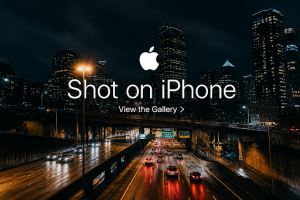
3. Apple – #ShotOniPhone
Type: User-generated content
Apple could have gone the usual route. Studio shots, controlled lighting, polished edits. Instead, they handed the camera to users and stepped back. That decision changed everything.
#ShotOniPhone didn’t just showcase camera quality. It quietly built a community of creators who wanted to be featured. That desire alone kept the campaign alive. What’s interesting is how little Apple says in this campaign. No heavy messaging, no long captions. Just the image and the tag.
It works because the proof is visual. You don’t need a claim when the output speaks for itself. Audience participation here isn’t forced. It’s aspirational. People want their photo to make the cut, and that keeps submissions flowing. Among the best social media campaigns, this one proves restraint can outperform noise.
Takeaway: If your product is strong enough, your job is not to oversell it. Just create a stage.
4. Coca-Cola – Share a Coke
*talkingretail.com
Type: Personalisation-led campaign
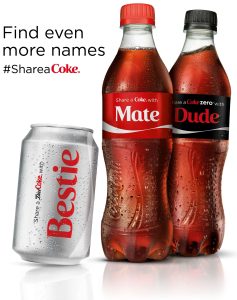
There’s something surprisingly powerful about seeing your own name on a product. Coca-Cola didn’t invent personalisation, but it scaled it in a way that made it social. Bottles stopped being generic. They became specific. And specific things get shared.
People didn’t just post their own bottles. They searched for friends’ names, tagged them, and gifted them. The campaign spread because it extended beyond the buyer. This social media campaign worked offline first, which is what made it stronger online. The physical interaction came before the post.
Sales increased, yes. But more importantly, the brand became part of small, everyday moments again. That’s hard to manufacture digitally.
Takeaway: When a product becomes a social gesture, your marketing starts happening without you.
5. Pringles – PlayWithPringles
*fabnews.live
Type: Interactive challenge
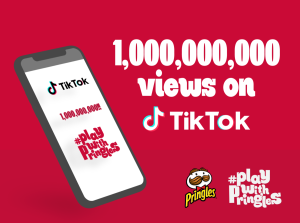
Pringles didn’t try to dominate TikTok. It tried to fit into it. That’s a big difference. The PlayWithPringles campaign leaned into gaming culture and casual snacking moments. It didn’t interrupt the experience; it blended into it. Creators were already filming themselves while gaming. Pringles just added a layer to that behaviour.
This is where many brands get it wrong. They bring an idea to the platform instead of building one from scratch. The campaign picked up because it felt native. Not overly produced, not overly explained. Engagement came from participation, not just views. People weren’t watching the campaign; they were inside it.
Takeaway: The closer your social media campaign is to existing behaviour, the less effort it takes to scale.
6. Adidas – You Got This

*linkedin.com
Type: Influencer storytelling (multimedia, human-centric)
The influencer strategy operated on multiple tiers. Global icons such as Lionel Messi, Patrick Mahomes, Trinity Rodman, and Anthony Edwards acted as narrative anchors, sharing personal experiences with pressure, self-doubt, and resilience. Rather than scripted endorsements, these stories were positioned as lived experiences, adding depth and credibility.
Beyond global ambassadors, the campaign scaled through localised creators and regional influencers. This decentralised storytelling model enabled culturally relevant, hyper-relatable content, particularly effective for younger audiences seeking representation over aspiration. The environments reinforced this shift: community gyms, local fields, and everyday settings replaced polished arenas, signalling authenticity over production value.
What made this campaign resonate wasn’t just its creative execution but its alignment with a broader cultural shift. Audiences today don’t engage with unattainable perfection; they engage with honesty, vulnerability, and progress in motion.
Takeaway: When your message mirrors how people already see themselves, adoption becomes effortless.
7. Dove – #RealBeauty
*medium.com
Type: Purpose-driven campaign
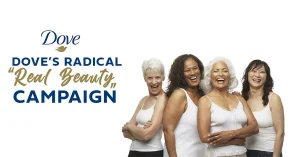
Dove’s #RealBeauty didn’t feel like a campaign when it first gained traction. It felt like a conversation people were already waiting to have. Instead of idealised models, the brand featured real women of different ages, body types, and skin tones. It sounds standard now, but at the time, it stood out sharply.
What made this social media campaign travel wasn’t just representation. It was the emotional reaction. People didn’t just like or share it; they responded to it. There’s a difference.
Among many social media campaign examples, this one leaned heavily into emotional truth instead of entertainment. That’s a harder route, but when it works, it builds something deeper than visibility.
Of course, not all reactions were positive. Some questioned the intent. But even that added to the reach. The conversation kept expanding. From a brand perspective, Dove moved beyond being a product company. It became associated with a point of view.
Takeaway: If your campaign taps into something people already feel but rarely articulate, it tends to spread on its own.
8. Airbnb – WeAccept
*youtube.com
Type: Social impact messaging
Timing carried a lot of weight in this one. Airbnb launched WeAccept during a period when conversations around inclusion and belonging were dominating global discourse. Instead of staying neutral, the brand chose a side.
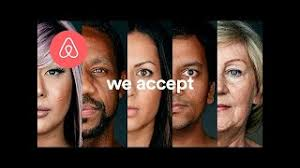
The campaign itself was simple. Faces, voices, and a clear message around acceptance. No complicated storytelling. What made this social media campaign stand out was its willingness to engage with something bigger than the product.
Reactions were divided, which is often the case when brands step into social issues. But division also drives visibility. People talk, debate, and share. That visibility translated into a stronger brand identity. Airbnb positioned itself not just as a service, but as a community-driven platform. Not every brand can pull this off. It requires alignment between the message and actual business practices.
Takeaway: Purpose-led campaigns work best when they feel consistent with what the brand already stands for.
9. Lay’s – Do Us A Flavour
*marshall-johnstonmm.com
Type: Crowdsourcing, UGC
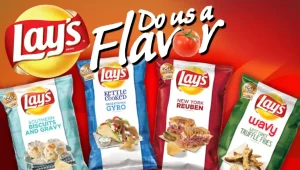
Lay’s took a simple idea and stretched it across markets, asking people to create the next chip flavour. It sounds basic, but the execution turned it into one of the more engaging social media campaign examples out there.
People weren’t just suggesting flavours. They were campaigning for them. Sharing, voting, and convincing others. That’s when a campaign moves from interaction to participation. The genius here was giving the audience partial ownership. Once someone submits an idea, they’re invested.
This social media campaign created multiple layers of engagement. Submission, voting, discussion, anticipation. From a business angle, it doubled as market research. Instead of guessing what consumers want, Lay’s lets them tell you directly. And when winning flavours actually hit shelves, the loop felt complete.
Takeaway: When people feel like they helped create something, they’re far more likely to promote it.
10. Liquid Death – Anti-Marketing Strategy
*theselloutnewsletter.com
Type: Shock marketing, satire
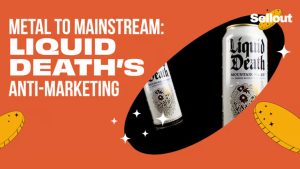
Liquid Death doesn’t behave like a water brand. That’s the entire point. Everything from the name to the packaging to the tone feels intentionally excessive. It borrows from heavy metal culture, dark humour, and internet absurdity.
At first glance, it almost feels like a joke. Then you realise that’s exactly why it works. This social media campaign approach breaks almost every traditional branding rule. And that’s what makes it stand out in crowded feeds.
Instead of talking about purity or health, Liquid Death leans into entertainment. The content is bizarre, sometimes uncomfortable, but always memorable. Audience reactions are strong; either people love it or don’t get it at all. But indifference is rare, and that’s valuable. From a business standpoint, the brand has grown rapidly, proving that differentiation still wins.
Takeaway: Being different isn’t enough. You need to be distinct in a way people can instantly recognise and talk about.
Key Elements of a Viral Social Media Campaign
If you look across these best social media campaigns, patterns start to show up. Not formulas, but signals.
- Built for sharing, not just viewing
- Taps into identity, not just interest
- Feels native to the platform it lives on
- Leaves room for audience participation
- Has a clear emotional hook, not just information
- Simple enough to understand in seconds
- Strong visual or narrative consistency
- Often tied to timing or cultural context
- Encourages creation, not passive consumption
- Doesn’t feel like a traditional advertisement
None of these guarantees virality. But ignoring them almost guarantees you won’t get there.
How to Track and Measure Social Media Campaign Success
In this section, we will explore how to effectively track and measure the success of your social media campaigns using a data-driven approach.
1. Engagement Metrics That Actually Matter
It’s easy to get distracted by likes. They’re visible, immediate, and feel rewarding. But they rarely tell the full story of a social media campaign. What matters more is how people interact beyond that first tap. Comments, shares, saves. These signals show intent.
A share means someone found the content worth passing on. A save suggests they want to come back to it. Both carry more weight than a passive like. Among strong social media campaign examples, engagement usually has depth, not just volume. You’ll often see conversations happening in comments, not just reactions. Tracking engagement quality helps separate surface-level reach from actual impact.
2. Reach vs Impressions: What Brands Misread
Reach and impressions often get used interchangeably, but they tell very different stories. Reach shows how many unique people saw your social media campaign. Impressions count how many times it was displayed, including repeats. A campaign with deep impressions but low reach might be circulating within the same group. That limits growth.
On the other hand, strong reach indicates new audiences are being exposed to your content. Many of the best social media campaigns optimise for both, but prioritise reach early on to expand visibility. Understanding this difference helps in refining distribution strategies instead of just celebrating big numbers.
3. Conversion Signals Beyond Sales
Not every successful social media campaign leads directly to a purchase. And that’s fine. Conversions can show up in different forms. App downloads, sign-ups, profile visits, and even increased search volume for the brand.
Looking only at sales can undervalue campaigns that are building long-term interest. For example, a campaign like #SpotifyWrapped drives engagement first, but also strengthens retention and platform usage. The key is aligning conversion metrics with campaign objectives instead of forcing everything into a sales framework.




Jaro Education: Upskill with Industry-Relevant Digital Marketing Programs
If these campaigns got you thinking about how modern marketing actually works, the next step is learning how to build something like this yourself.
At Jaro Education, as one of India’s trusted platforms for online learning and upskilling, we bring you programs that stay aligned with how the industry is evolving right now. Not outdated frameworks, but skills that reflect real campaign execution, performance marketing, and digital growth.
We collaborate with top B-schools and institutions to ensure the learning goes beyond theory and translates into practical capability. If you’re serious about building a career in marketing or looking to upskill with a clear direction, we recommend:
- Dr DY Patil- Online MBA – Fees, Admission, Eligibility, Placement
- Online MBA Degree from Symbiosis (SSODL)
Explore these options and choose what aligns with your career path!
Conclusion
A social media campaign going viral looks chaotic from the outside, but when you break it down, there’s always intent behind it. The brands that consistently win are the ones that understand how people behave online, what they choose to share, and why.
The best social media campaigns don’t chase attention. They earn it by being relevant, timely, and sometimes a little unexpected. That’s what makes them stick.
Going forward, the gap between content and campaigns will keep shrinking. The brands that adapt early, especially by blending creativity with data and cultural awareness, will be the ones that don’t just trend, but stay remembered.
Frequently Asked Questions

Related Courses
Explore our programs
 Admission Open
 Admission Open
 Admission Open
 Admission Open
Find a Program made just for YOU
We'll help you find the right fit for your solution. Let's get you connected with the perfect solution.
Is Your Upskilling Effort worth it?
 ROI Calculator

Are Your Skills Meeting Job Demands?
Try our Skill Gap tool
Experience Lifelong Learning and Connect with Like-minded Professionals
Explore Jaro Connect
